Polyester cotton bedding has become a globally significant material, offering a versatile and affordable solution for comfort and hygiene. Its increasing demand stems from a growing global population, a rising awareness of sleep health, and the need for durable and easily maintained bedding options. This blend of natural and synthetic fibers offers a unique combination of benefits, making it a cornerstone of the textile industry worldwide.
The relevance of polyester cotton bedding extends beyond individual consumers. It plays a crucial role in hospitality, healthcare, and institutional settings where hygiene, cost-effectiveness, and longevity are paramount. According to a report by the World Bank, demand for affordable textiles is consistently high in developing nations, driving innovation and production in this sector. The textile industry also contributes significantly to global employment, especially in countries like China, India, and Bangladesh.
Understanding the characteristics and applications of polyester cotton bedding is essential for manufacturers, retailers, and consumers alike. Its adaptable nature allows for a wide range of applications, from everyday household linens to specialized industrial uses. The balance between comfort, durability, and affordability makes polyester cotton bedding an indispensable part of modern life.
Introduction to Polyester Cotton Bedding
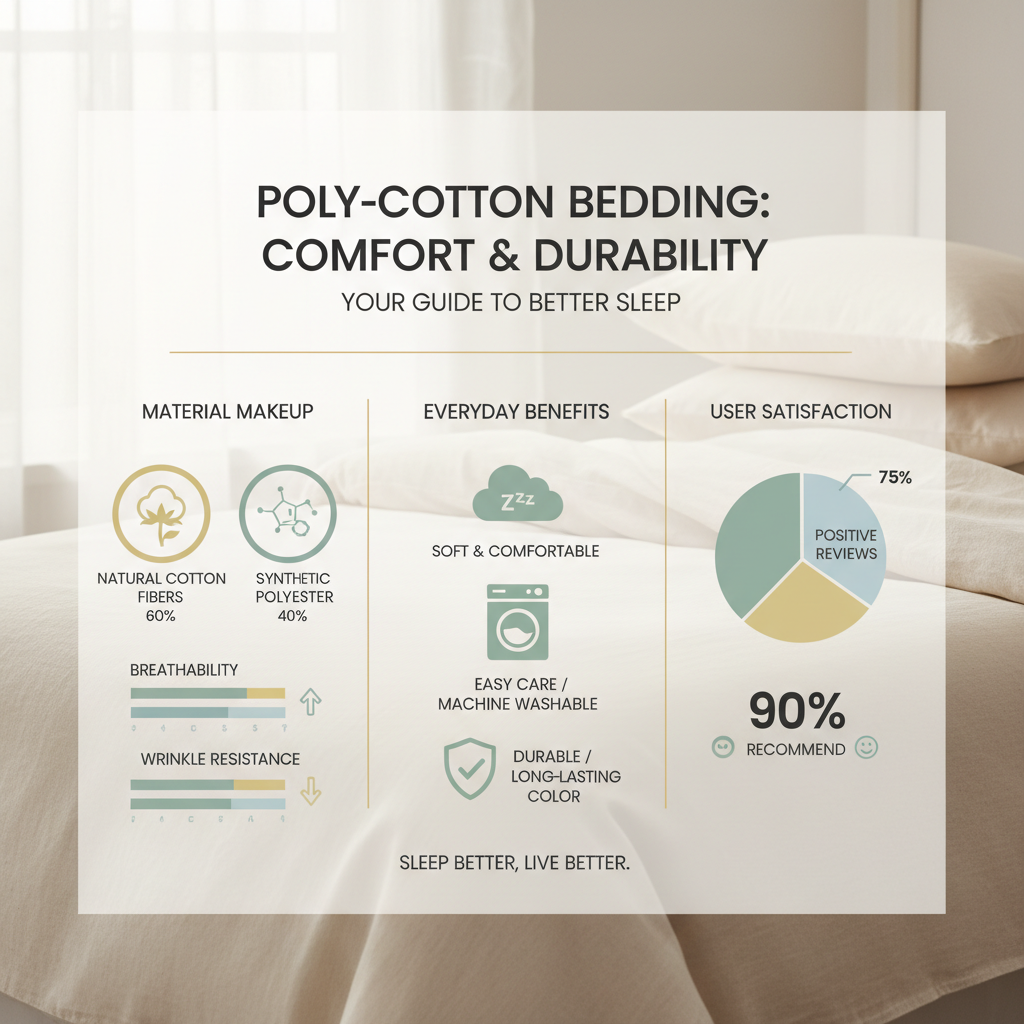
Polyester cotton bedding represents a harmonious blend of two popular fibers, polyester and cotton, designed to deliver the best qualities of both materials. The inclusion of polyester increases durability and wrinkle resistance, while cotton provides breathability and a soft, comfortable feel. This makes it an incredibly versatile fabric choice for a wide range of bedding applications.
The global bedding market is experiencing steady growth, with polyester cotton blends consistently ranking as a top choice among consumers. This preference is driven by a combination of practical benefits—like ease of care and affordability—and a desire for comfortable and restful sleep. As demand continues to rise, manufacturers are constantly exploring innovative techniques to enhance the performance and sustainability of polyester cotton bedding.
Defining Polyester Cotton Bedding
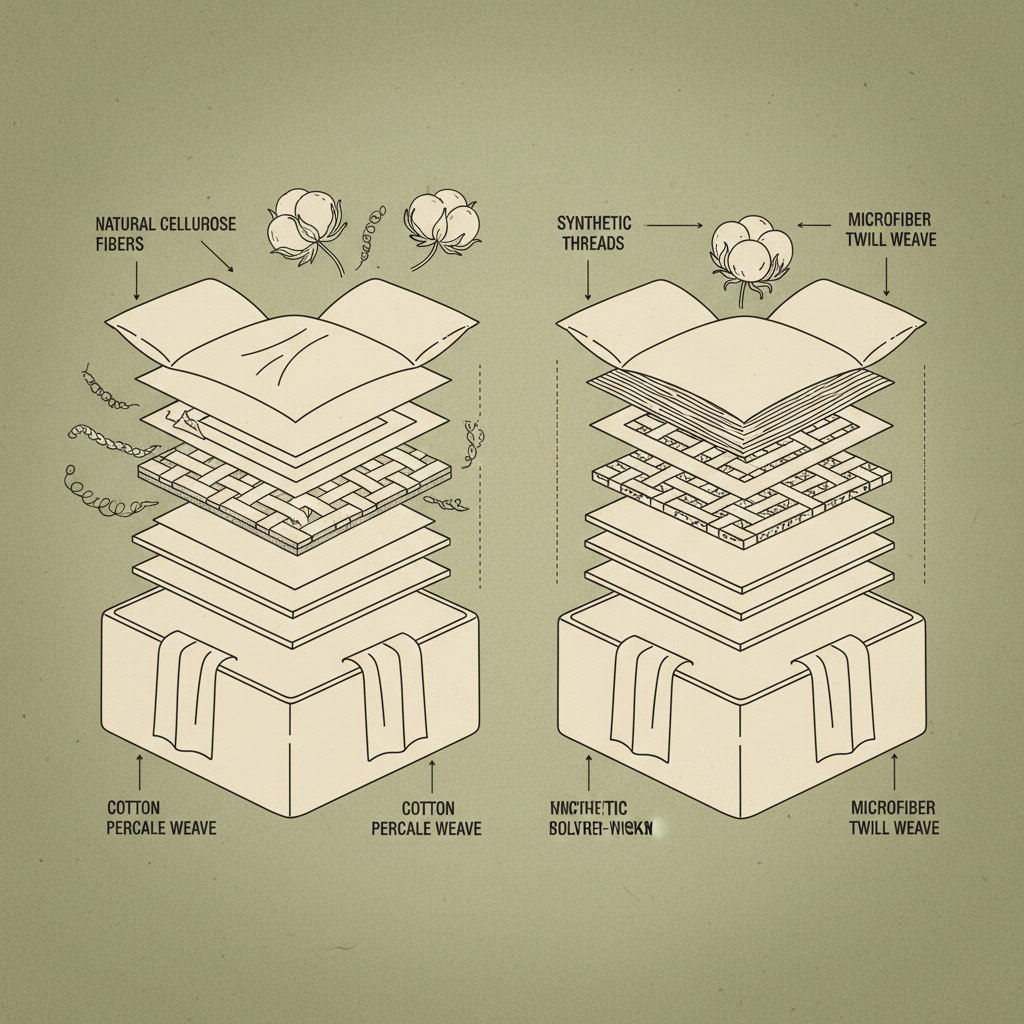
Polyester cotton bedding is a textile produced by combining polyester and cotton fibers, typically in a ratio of 65% polyester to 35% cotton, though variations exist. Polyester, a synthetic polymer, is known for its strength, resilience, and resistance to shrinking and stretching. Cotton, a natural fiber derived from the cotton plant, is appreciated for its softness, breathability, and absorbent qualities.
The combination of these fibers results in a fabric that is more affordable and easier to care for than 100% cotton bedding while still providing a relatively comfortable sleep experience. The blend bridges the gap between natural comfort and the practicalities of modern living.
This textile’s connection to modern industry and humanitarian needs lies in its scalability and cost-effectiveness. It can be mass-produced to meet large-scale demands, making it a viable option for supplying bedding to hospitals, hotels, schools, and disaster relief efforts.
Core Components & Characteristics
The properties of polyester cotton bedding are intrinsically linked to the characteristics of its constituent fibers. Polyester contributes its strength, wrinkle resistance, and quick-drying properties, making the fabric low-maintenance and long-lasting. This fiber also resists mildew and abrasion, further extending the lifespan of the bedding.
Cotton, conversely, lends its natural softness and breathability to the blend. These qualities contribute to a more comfortable sleep surface, regulating temperature and wicking away moisture. While cotton is prone to wrinkling and shrinking, the addition of polyester mitigates these issues, creating a more stable and reliable fabric.
The ratio of polyester to cotton significantly influences the final characteristics of the bedding. A higher polyester content will result in increased durability and wrinkle resistance, while a higher cotton content will enhance softness and breathability. Understanding this balance is crucial when selecting the appropriate polyester cotton bedding for specific needs.
Key Factors of Polyester Cotton Bedding
Several key factors contribute to the widespread adoption of polyester cotton bedding. First and foremost is its Cost-Effectiveness. Compared to 100% cotton or other luxury bedding materials, polyester cotton blends offer a more affordable option without sacrificing a reasonable level of comfort.
Secondly, Durability is a significant advantage. Polyester’s inherent strength ensures the bedding can withstand frequent washing and use without significant wear and tear. Ease of Care is another crucial element, as polyester cotton bedding is typically machine washable and requires minimal ironing.
Polyester Cotton Bedding Performance Metrics
Global Applications & Use Cases
Polyester cotton bedding finds extensive application across diverse sectors. In the hospitality industry, its affordability, durability, and ease of laundering make it a popular choice for hotels, motels, and resorts. Large-scale purchases benefit from the cost savings associated with this blend.
The healthcare sector utilizes polyester cotton bedding for its hygiene benefits and resistance to staining. Hospitals and nursing homes appreciate the fabric's ability to withstand frequent washing and sterilization procedures. In institutional settings like schools and dormitories, its durability and affordability make it an ideal solution for providing bedding to large numbers of students.
Advantages and Long-Term Value
The tangible benefits of choosing polyester cotton bedding extend beyond initial cost savings. Its longevity translates to reduced replacement costs over time, offering substantial economic value. This longevity, coupled with its low maintenance requirements, results in a lower total cost of ownership compared to other bedding materials.
From a sustainability standpoint, the durability of polyester cotton bedding contributes to reduced textile waste. By lasting longer, less bedding ends up in landfills. This aligns with growing consumer demand for environmentally responsible products and supports a circular economy. The comfort and hygiene it provides contribute to improved sleep quality, enhancing well-being and overall health.
Future Trends & Innovations
Innovation in polyester cotton bedding is focusing on enhancing its sustainability and performance. The development of recycled polyester fibers is gaining traction, reducing reliance on virgin materials and minimizing environmental impact. These recycled fibers offer the same benefits as traditional polyester while contributing to a more circular economy.
Furthermore, advancements in fabric finishing techniques are being explored to improve the softness and breathability of polyester cotton blends. Nanotechnology is also being investigated to enhance stain resistance and antibacterial properties, further increasing the hygiene and longevity of the bedding.
The integration of smart textile technology is another emerging trend, potentially leading to bedding with features such as temperature regulation and sleep monitoring. These innovations promise to revolutionize the bedding industry, offering consumers even greater comfort, convenience, and health benefits.
FAQS
Polyester cotton bedding is more durable, wrinkle-resistant, and affordable than 100% cotton. However, 100% cotton is typically softer and more breathable. The best choice depends on your priorities; if you value ease of care and cost-effectiveness, polyester cotton is ideal. If ultimate softness and breathability are paramount, 100% cotton is preferable.
While not inherently hypoallergenic, polyester cotton bedding is often a good choice for allergy sufferers as it doesn't readily harbor dust mites like natural fibers. However, it's crucial to wash the bedding regularly in hot water to eliminate potential allergens. Look for tightly woven fabrics to further minimize allergen penetration.
Polyester cotton bedding is generally easy to care for. Machine wash in warm or cool water with a mild detergent. Tumble dry on low heat or hang to dry. Avoid using bleach, as it can damage the fibers. Ironing is usually not necessary, but if needed, use a low heat setting.
Polyester cotton bedding is less prone to shrinking compared to 100% cotton. The polyester component helps stabilize the fabric. However, some shrinkage may occur during the first wash. To minimize shrinkage, wash in cool water and tumble dry on low heat.
While not as breathable as 100% cotton, polyester cotton blends offer a reasonable level of breathability, especially those with a higher cotton content. The cotton fibers allow for some air circulation, helping to regulate temperature during sleep. Look for fabrics with a percale weave for enhanced breathability.
With proper care, polyester cotton bedding can last for several years, typically 3-5 years or longer. The durability of polyester contributes to its longevity, resisting wear and tear from frequent washing and use. Regular rotation with other bedding sets can further extend its lifespan.
Conclusion
In conclusion, polyester cotton bedding stands as a compelling choice for consumers and industries seeking a balance of comfort, durability, affordability, and ease of care. Its versatility allows for widespread application in hospitality, healthcare, and everyday household use. As manufacturing processes evolve and incorporate sustainable practices like recycled polyester, its environmental impact continues to lessen.
Looking ahead, innovations in fabric technology promise to further enhance the performance and comfort of polyester cotton bedding, potentially integrating features like temperature regulation and hypoallergenic properties. For those seeking high-quality, dependable bedding solutions, polyester cotton bedding remains a smart and practical investment.