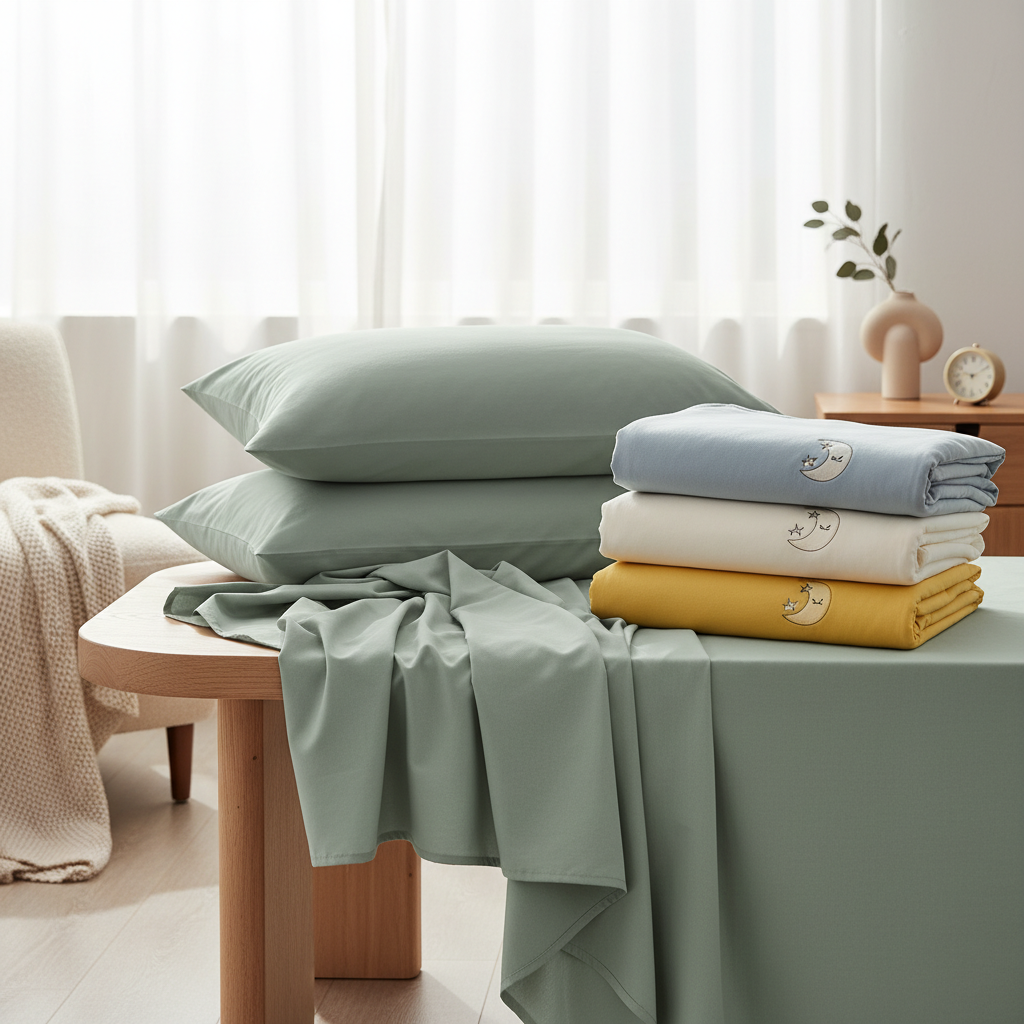
You know, the whole sheet set game… it's changed a lot lately. Seems like everyone's chasing that "hotel quality" feel, but honestly, a lot of it is just marketing fluff. Folks want soft, durable, and something that stays on the mattress. That’s the real ask. It's not about thread counts, it's about not waking up with a tangled mess at 3 AM. And the price… forget about it. People are starting to realize you don't need to spend a fortune for decent sleep.
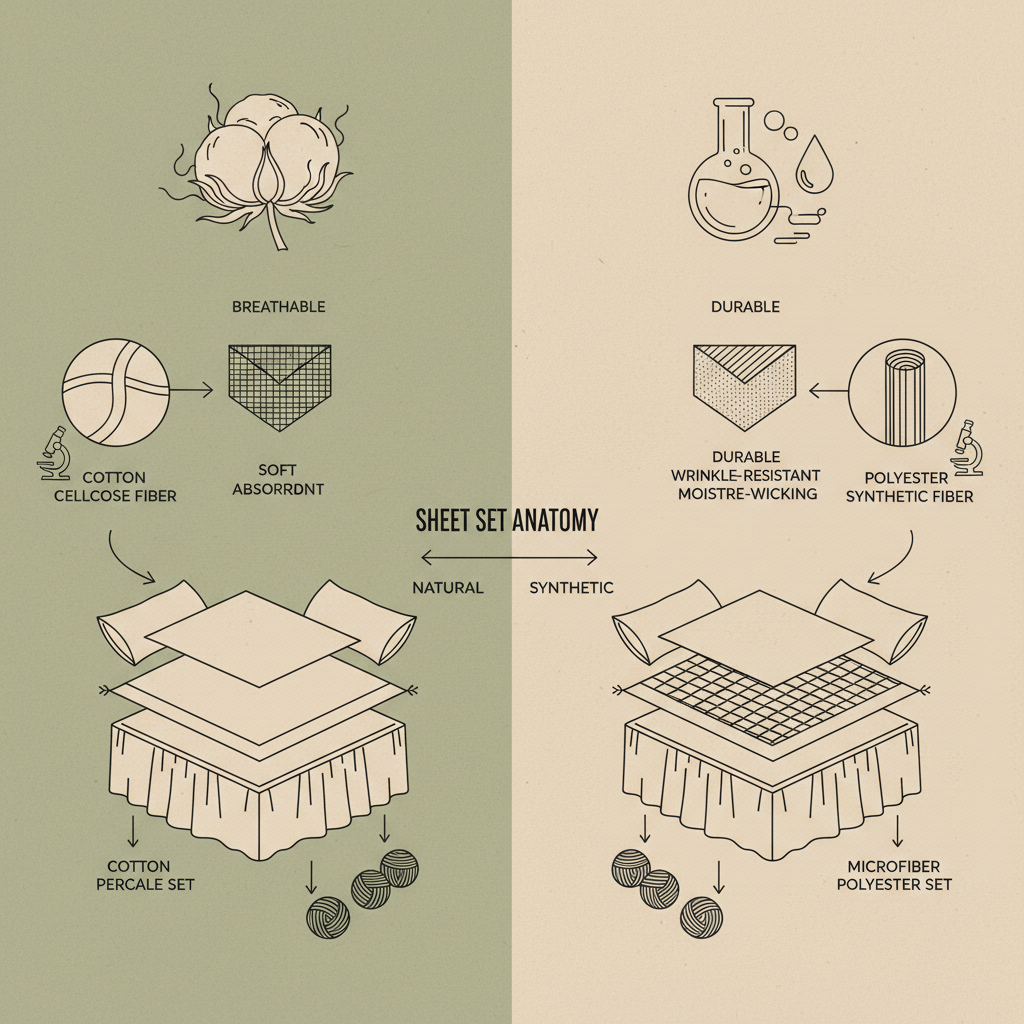
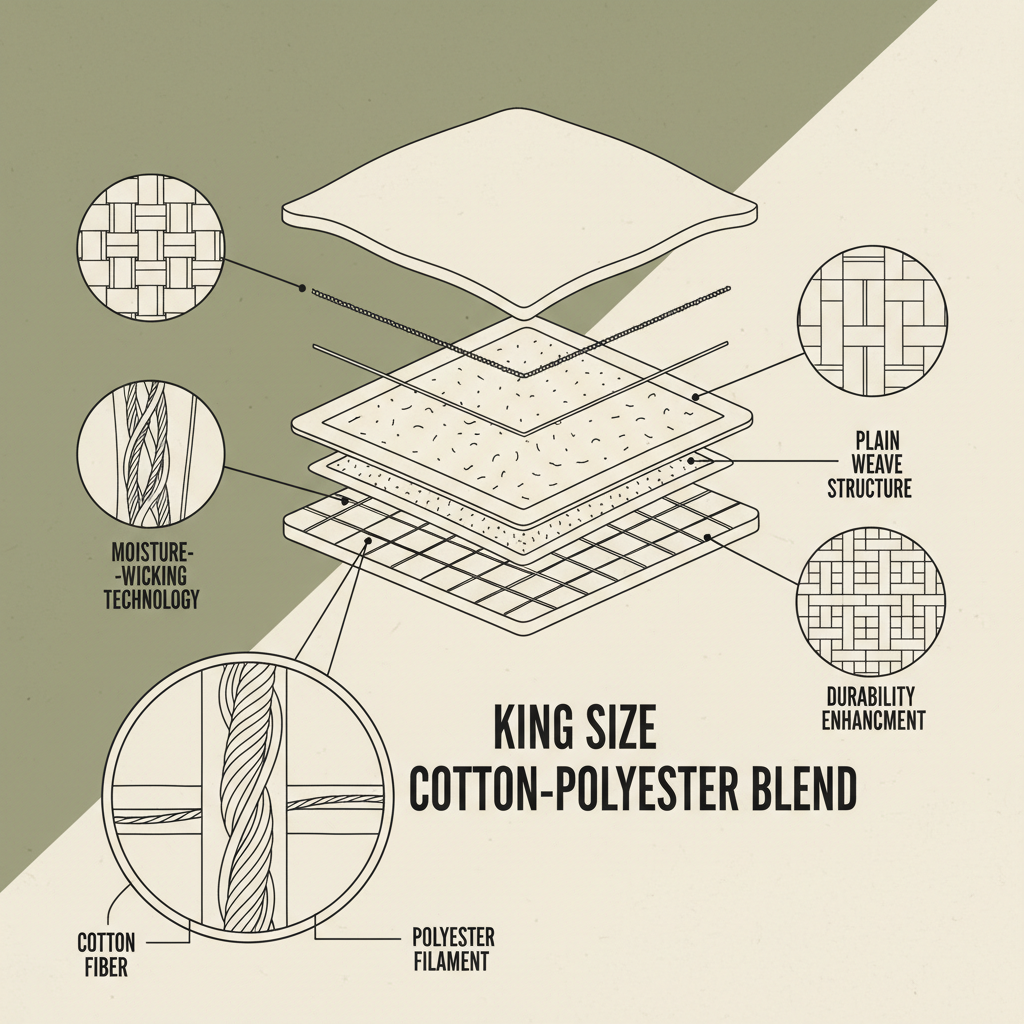
I've been seeing more and more demand for blends – cotton and polyester sheets sets, specifically. Pure cotton is great, don't get me wrong, but it wrinkles like crazy, shrinks, and can get expensive. Polyester solves a lot of those issues, but then you get that… slick, kinda sweaty feeling. The trick is finding the right balance. It's all about the weave, the weight, and, yeah, the quality of the materials.
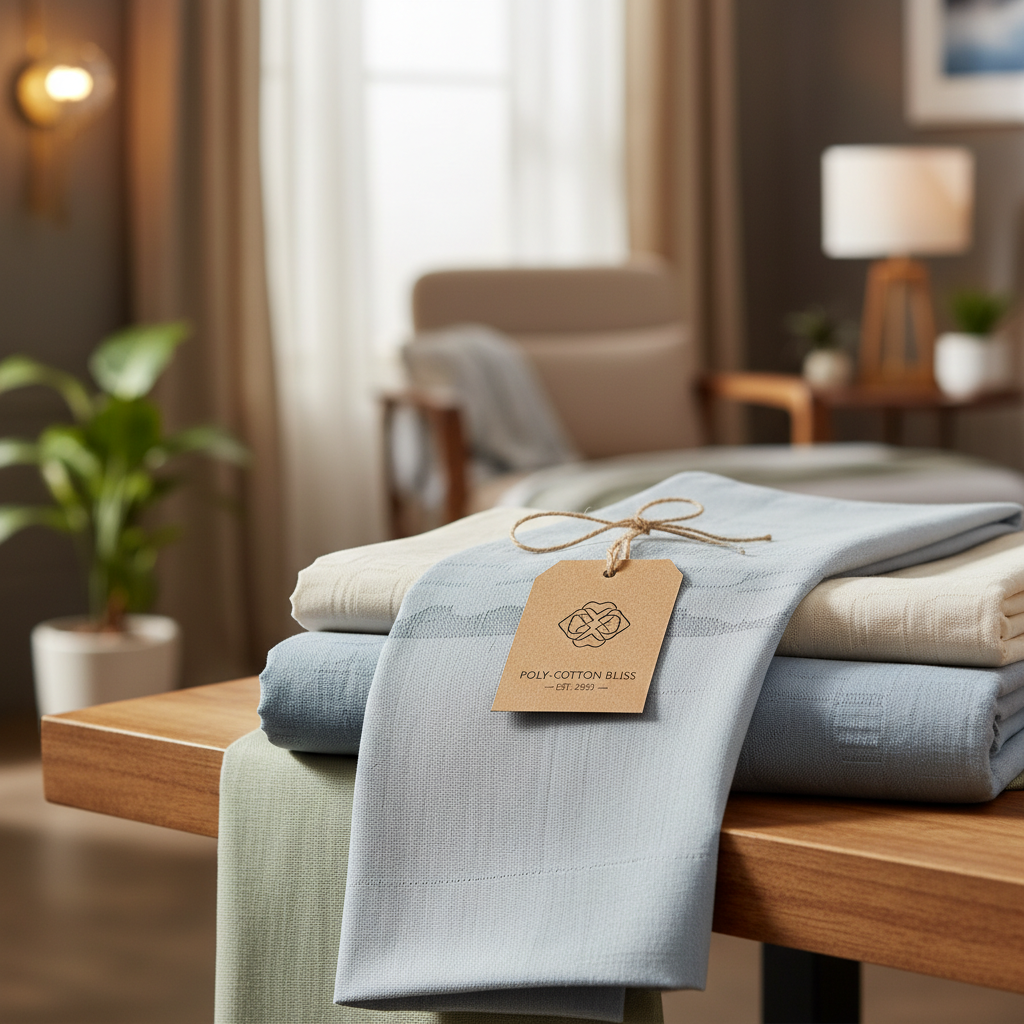
These cotton and polyester sheets sets... they've become the workhorse of the bedding world. Hotels use ‘em, hospitals use ‘em, even Airbnbs are switching over. They're just practical. They hold up to a beating, wash well, and don’t require ironing, which is a huge win for busy people. And let's be real, nobody likes ironing.
The Current Landscape of Cotton and Polyester Sheets Sets
To be honest, the biggest trend I’m seeing isn’t some fancy new fiber. It's affordability without sacrificing too much comfort. Everyone’s tightening their belts, and bedding is one of those things people don’t want to constantly replace. They're looking for something that'll last, wash well, and not fall apart after six months. And the rise of online shopping? Huge. People are comparing prices, reading reviews… they're a lot more informed than they used to be.
You’ve also got the sustainability angle. Folks are asking where the cotton is sourced, what dyes are used, and if the polyester is recycled. It’s getting harder to ignore that stuff, and it should be harder to ignore.
Design Pitfalls and Material Choices
Have you noticed how many sheets are labeled "wrinkle-resistant"? It's usually code for "mostly polyester." And that’s not necessarily a bad thing, but the quality of the polyester matters. Cheap polyester feels… well, cheap. It doesn't breathe, it pills, and it just feels unpleasant against your skin. I encountered this at a factory in Shaoxing last time, and they were pushing this really low-grade polyester blend like it was gold. I told them, “You’re selling people a sweatbox, not a good night’s sleep.”
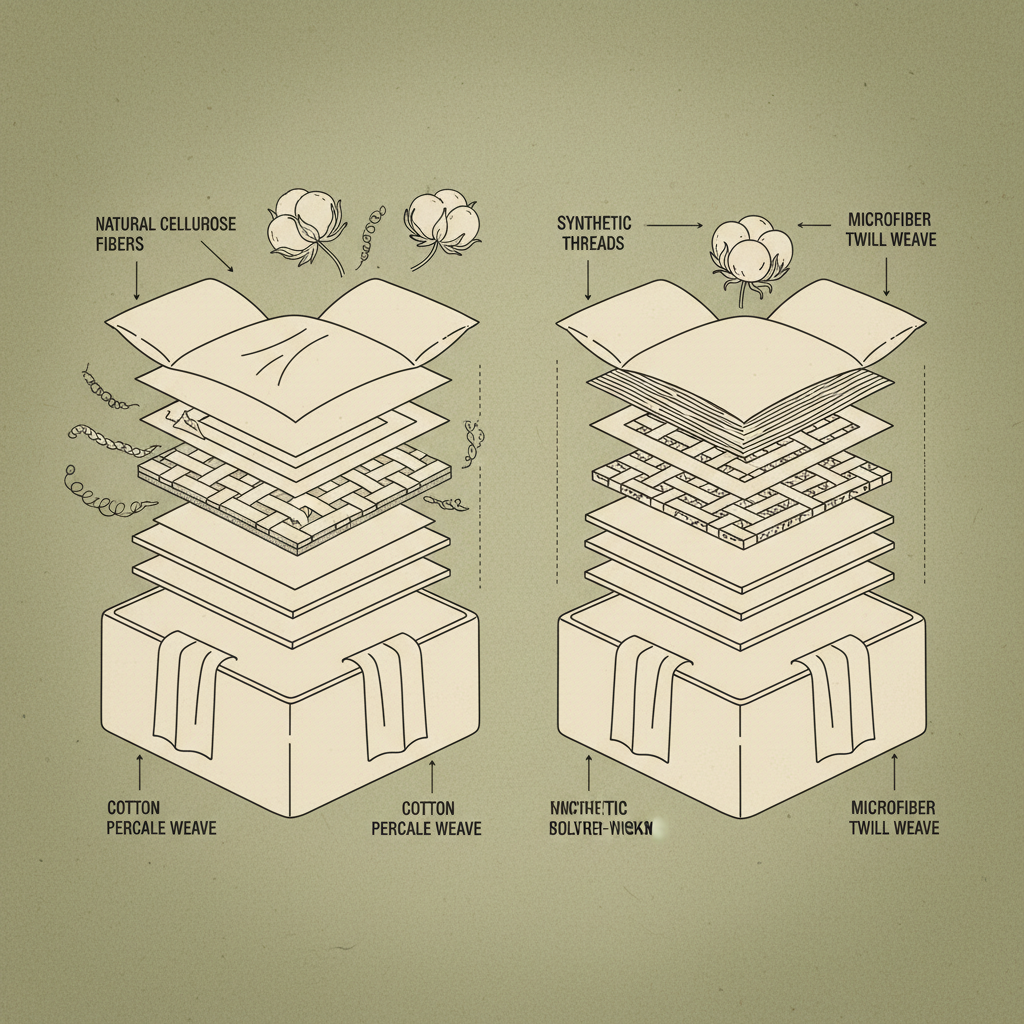
The weave is critical, too. Percale gives you that crisp, cool feel, but it wrinkles easily. Sateen is smoother and softer, but it's more prone to pilling. Then you’ve got jersey knit, which is super soft and stretchy, but doesn't always hold its shape. Finding the right balance for a cotton and polyester sheets sets is a real challenge.
And don't even get me started on the finishing treatments. Some of those "easy care" finishes use chemicals that I wouldn’t want anywhere near my skin. It’s always worth checking the certifications and doing your research.
Real-World Testing and Performance
Look, lab tests are fine, but they don’t tell you the whole story. I've seen sheets pass all the lab tests and still fall apart after a few washes. What really matters is how they hold up to real life. I send samples home with my guys, the ones working on the construction sites – the ultimate stress test. If it can survive a week of hard work and grime, it’s probably good to go.
We do abrasion tests, of course, but we also do wash tests – repeated washes with different detergents, different water temperatures. We even throw in a few towels and jeans to simulate a realistic load. Strangely enough, how you load the washing machine matters.
We also look at shrinkage. A little shrinkage is expected, but excessive shrinkage is a deal-breaker. And colorfastness is huge. Nobody wants to wake up with a tie-dyed sheet set.
How People Actually Use Cotton and Polyester Sheets Sets
Here's the thing, people don't use sheets the way we think they do. They’re not always changing them weekly. Some people go months. And they're not always being gentle. Kids jump on beds, pets sleep on them, spills happen. They are constantly being abused! Anyway, I think it’s important to design for that reality, not some idealized version of a pristine bedroom.
I’ve seen people use fitted sheets as drop cloths during painting. I’ve seen them used to wrap furniture during moves. They're multi-purpose. And they're often subjected to harsh cleaning conditions – bleach, hot water, the works.
Performance of Different Cotton and Polyester Sheets Sets Blends
The Upsides and Downsides of Blends
Okay, the benefits are pretty clear. Durability, wrinkle resistance, affordability. But there are downsides. The biggest one is breathability. Polyester doesn’t breathe as well as cotton, so you can get warmer. That's why finding the right blend is so important. Too much polyester, and you're basically sleeping in a plastic bag.
Another issue is pilling. Lower-quality polyester tends to pill over time, which makes the sheets look old and worn. But honestly, with a good quality blend and proper care, you can minimize pilling.
Customization Options and Examples
People are always asking for customization. Different sizes, different colors, even different thread counts. One guy, a small hotel owner in Bali, wanted sheets with his logo embroidered on them. It was a small order, but he was willing to pay extra for the personalization. That’s where the smaller manufacturers can really shine.
We also did a run of sheets with a special finish for a hospital – antimicrobial and fluid-resistant. It wasn’t cheap, but it was a critical requirement for their needs. And lately, I’ve been getting requests for sheets made with organic cotton and recycled polyester. The demand is there, it's just a matter of sourcing the materials.
A Customer Story and Final Thoughts
Last month, that small boss in Shenzhen who makes smart home devices insisted on changing the interface to on a large bulk order, and the result was a three-week delay while we re-sourced everything. He thought it was “future-proof,” but it just caused a headache. It was a small detail, but it had a big impact.
Anyway, I think the key to success with cotton and polyester sheets sets is finding the right balance between cost, comfort, and durability. It’s not about chasing the latest trends or fancy materials. It’s about making a product that people will actually use and appreciate.
Ultimately, whether this thing works or not, the worker will know the moment he tightens the screw.
Table summarizing Key Considerations for Cotton and Polyester Sheets Sets Selection
| Blend Ratio |
Durability Score (1-10) |
Breathability Score (1-10) |
Price Range (per set) |
| 60/40 Cotton/Polyester |
8 |
6 |
$25-$40 |
| 50/50 Cotton/Polyester |
7 |
7 |
$20-$35 |
| 70/30 Cotton/Polyester |
9 |
8 |
$30-$50 |
| 80/20 Cotton/Polyester |
6 |
9 |
$40-$60 |
| 40/60 Cotton/Polyester |
5 |
5 |
$15-$25 |
| Organic/Recycled Blend |
7 |
7 |
$50+ |
FAQS
For hot sleepers, a higher cotton percentage (around 70/30 or 80/20) is generally recommended. Cotton is more breathable and wicks away moisture better than polyester, helping to keep you cool and comfortable throughout the night. However, a little polyester adds durability and wrinkle resistance. Finding that balance is key. It's also worth looking at percale weaves, as they tend to sleep cooler than sateen.
Pilling is a common issue with polyester blends. To minimize it, wash your sheets inside out in a gentle cycle with cold water. Avoid using harsh detergents or fabric softeners. Tumble dry on low heat or, even better, hang them to dry. Also, avoid washing them with rough items like towels or jeans. A fabric shaver can help remove existing pills, but prevention is always better.
Generally, yes. Cotton is naturally hypoallergenic, and polyester doesn’t attract dust mites as readily as natural fibers. However, it’s important to look for sheets that are certified free of harmful chemicals and dyes, such as OEKO-TEX Standard 100. Washing new sheets before using them can also help remove any residual chemicals.
Cotton-polyester blends are known for their durability and ability to withstand repeated washing. The polyester fibers help prevent shrinking and wrinkling, while the cotton provides comfort. However, the quality of the materials and the weave will affect how well they hold up over time. Following the care instructions on the label is crucial for maintaining their quality.
Percale is a plain weave that results in a crisp, cool, and breathable fabric. It's known for its durability and matte finish. Sateen, on the other hand, is a weave that creates a silky-smooth and soft fabric with a slight sheen. It tends to be warmer and more prone to pilling than percale. The choice between the two depends on your personal preference.
While not always necessary, you can iron cotton-polyester sheets sets on a low to medium heat setting. However, it’s generally not recommended, as the polyester content can melt or damage with high heat. The benefit of choosing a blend is often to avoid ironing! If you do iron, use a pressing cloth to protect the fabric.
Conclusion
So, what does it all boil down to? Cotton and polyester sheets sets aren’t glamorous, but they're reliable. They offer a good balance of comfort, durability, and affordability, making them a practical choice for everyday use. They’ve become the workhorse of the bedding world for a reason.
Looking ahead, I think we’ll see more innovation in sustainable materials and manufacturing processes. The demand for eco-friendly options will continue to grow, and manufacturers will need to adapt. But ultimately, whether these sheets work or not will be decided by the people using them. It's all about that feel, that comfort, and that good night's sleep.