close
0%

Table of Contents

Polyester and cotton bed sheets represent a cornerstone of the textile industry, offering a balance of comfort, durability, and affordability that makes them ubiquitous in households worldwide. From bustling city centers to remote rural communities, these sheets provide a fundamental layer of comfort and hygiene for billions. Understanding their composition, benefits, and evolving production methods is crucial for both consumers seeking quality sleep and businesses navigating the complexities of the global textile supply chain. The widespread use of polyester and cotton bed sheets signifies their adaptability to diverse climates and economic conditions.

Globally, the demand for bed linens is consistently high, driven by population growth, rising disposable incomes, and increasing awareness of the importance of sleep quality. According to the World Bank, consumer spending on household goods, including textiles, continues to rise in developing nations. This trend is further amplified by the hospitality sector, where maintaining high standards of linen quality is paramount. However, challenges remain, including sustainable sourcing of raw materials, minimizing environmental impact during production, and ensuring ethical labor practices throughout the supply chain.

The increasing focus on sustainable textiles presents both an opportunity and a challenge for manufacturers of polyester and cotton bed sheets. Innovations in eco-friendly dyes, organic cotton farming, and recycled polyester production are becoming increasingly important to meet evolving consumer expectations and regulatory requirements.
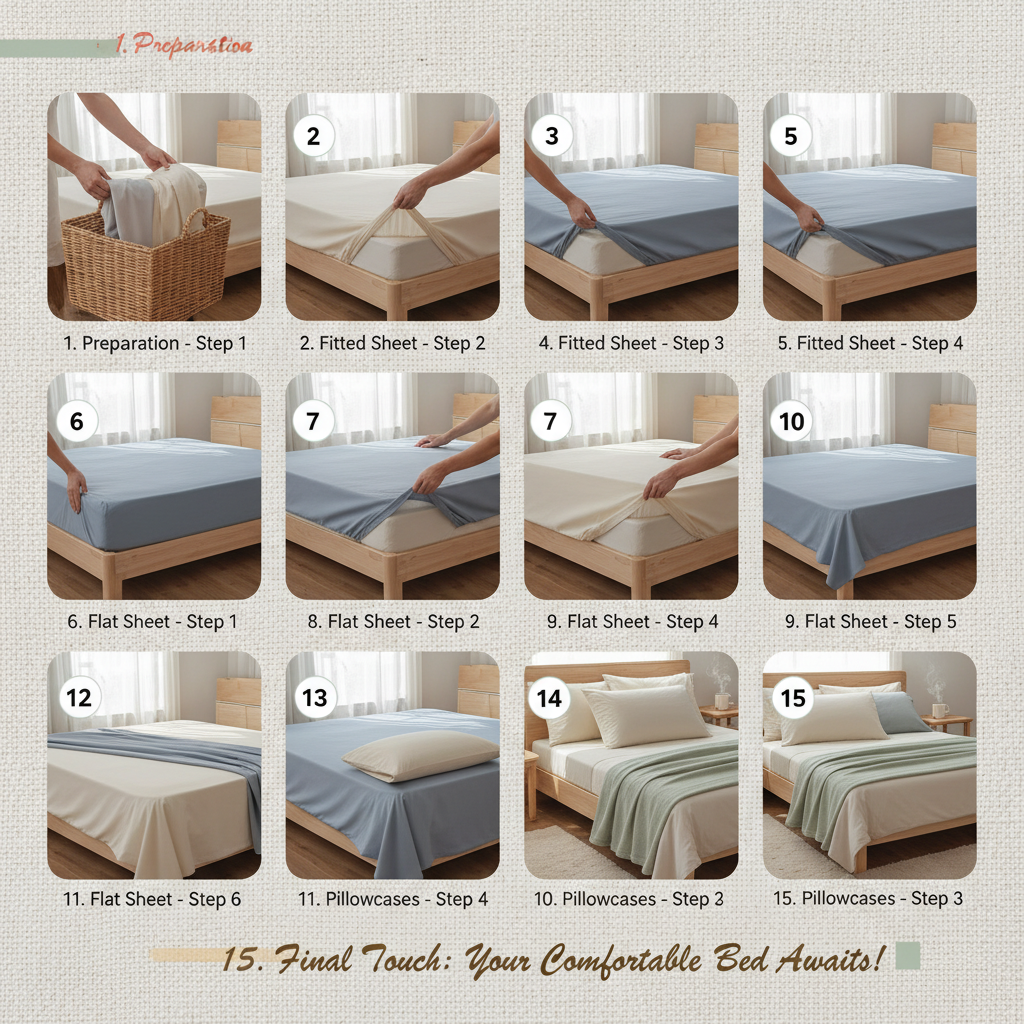
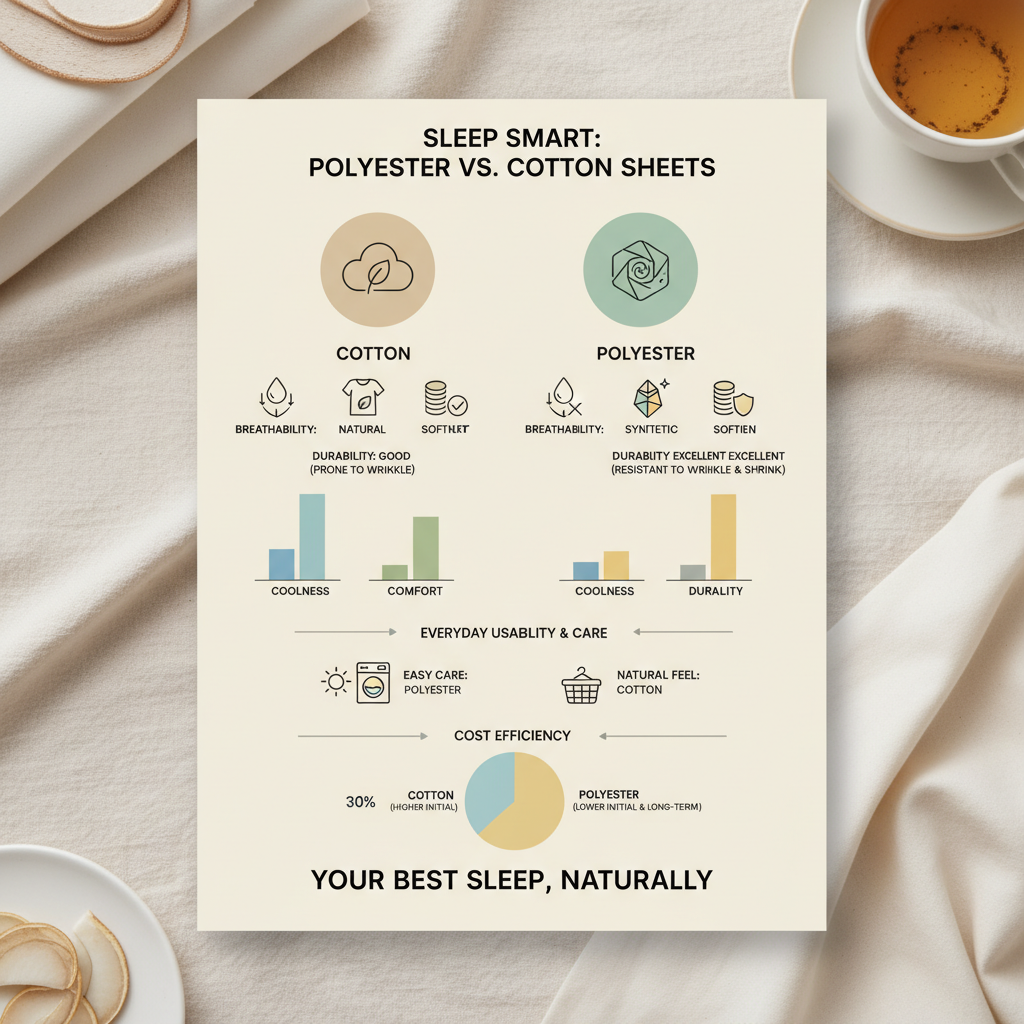
The Enduring Comfort and Practicality of Polyester and Cotton Bed Sheets

Introduction to Polyester and Cotton Bed Sheets

The Enduring Comfort and Practicality of Polyester and Cotton Bed Sheets

Polyester and cotton bed sheets have become a ubiquitous choice for consumers worldwide due to their practical benefits and relatively low cost. This blend combines the desirable qualities of both natural cotton and synthetic polyester, resulting in a fabric that is both comfortable and durable. The versatility of these sheets makes them suitable for a wide range of applications, from everyday household use to commercial settings like hotels and hospitals.

The popularity of polyester and cotton bed sheets is not simply a matter of cost; it’s a reflection of their balance of properties. Cotton provides breathability and softness, while polyester adds strength, wrinkle resistance, and ease of care. This synergy makes them a preferred option for many seeking a functional and comfortable bedding solution.

Defining Polyester and Cotton Bed Sheets

Polyester and cotton bed sheets are textile products made from a blend of polyester fibers and cotton fibers. Polyester is a synthetic polymer derived from petroleum, known for its strength, resilience, and resistance to wrinkles and shrinking. Cotton, on the other hand, is a natural fiber obtained from the cotton plant, prized for its softness, breathability, and absorbency. The ratio of polyester to cotton in the blend can vary, typically ranging from 50/50 to 65/35 (polyester/cotton).

The creation of these blended sheets reflects a drive towards optimizing textile performance. Pure cotton, while comfortable, can wrinkle easily and shrink after washing. Pure polyester lacks the softness and breathability desired for bedding. Combining the two creates a fabric that leverages the advantages of both materials.

This combination is critical in modern industry, meeting the demand for affordable, durable, and easy-care bedding options. It addresses the need for textiles that can withstand frequent washing and maintain their shape, making them ideal for both home and commercial use.

Key Characteristics of the Blend

One of the most significant characteristics of polyester and cotton bed sheets is their durability. Polyester fibers contribute exceptional strength, making the sheets resistant to tearing and abrasion. This translates to a longer lifespan, even with frequent use and washing. They hold up well to the rigors of daily life, making them a practical choice for families and individuals alike.

Wrinkle resistance is another key benefit. Polyester's inherent properties minimize wrinkling, resulting in sheets that require less ironing and maintain a neat appearance. This is a significant advantage for those seeking a low-maintenance bedding solution. The reduced need for ironing also saves time and energy.

The blend also offers good color retention. Polyester fibers hold dyes well, ensuring that the sheets maintain their vibrancy even after multiple washes. This is particularly important for patterned or brightly colored bedding sets, ensuring they remain visually appealing over time.

Practical Applications Worldwide

Polyester and cotton bed sheets find widespread use in residential settings, ranging from individual households to large families. Their affordability and ease of care make them a popular choice for everyday bedding. Beyond homes, they are extensively used in the hospitality industry, including hotels, motels, and resorts, where durability and low maintenance are essential.

Healthcare facilities, such as hospitals and nursing homes, also rely on these sheets due to their ability to withstand frequent laundering and disinfection processes. In regions with limited access to laundry facilities, the wrinkle resistance and durability of polyester and cotton blends are particularly valued.

The versatility extends to institutional settings like dormitories and prisons, where large quantities of bedding require robust and cost-effective solutions. In post-disaster relief operations, providing clean bedding is a critical need, and polyester and cotton sheets offer a practical and hygienic option.

Comparison of Polyester/Cotton Blend Ratios


Advantages and Long-Term Value

The most tangible benefit of polyester and cotton bed sheets is their cost-effectiveness. They provide a good balance of quality and price, making them accessible to a wide range of consumers. This affordability is particularly important in developing countries where budget constraints are a major factor in purchasing decisions. Moreover, their durability translates to long-term value, reducing the need for frequent replacements.

From a sustainability perspective, while polyester is derived from petroleum, innovations in recycled polyester production are mitigating the environmental impact. Choosing sheets made from recycled polyester contributes to a circular economy and reduces reliance on virgin resources. The longevity of the sheets also reduces textile waste, furthering their sustainable appeal.

Future Trends and Innovations

The future of polyester and cotton bed sheets is likely to be shaped by a continued focus on sustainability and technological advancements. Researchers are exploring innovative dyeing techniques that minimize water usage and eliminate harmful chemicals. The development of bio-based polyester alternatives derived from renewable resources is also gaining momentum.

Digital printing technologies are enabling customized bedding designs and on-demand production, reducing waste and allowing for greater personalization. Smart textiles incorporating sensors for sleep tracking and temperature regulation are also emerging, promising enhanced comfort and health benefits.

Challenges and Sustainable Solutions

One of the primary challenges associated with polyester and cotton bed sheets is the environmental impact of polyester production. Traditional polyester manufacturing relies on fossil fuels and generates greenhouse gas emissions. Addressing this requires transitioning to recycled polyester and exploring bio-based alternatives.

Another concern is the potential for microplastic shedding during washing. Implementing filtration systems in washing machines and developing polyester fibers that are less prone to shedding can help mitigate this issue. Promoting responsible textile care practices, such as washing at lower temperatures and using eco-friendly detergents, is also crucial.

Ensuring ethical labor practices throughout the supply chain remains a significant challenge. Transparency and traceability are essential to guarantee fair wages and safe working conditions for textile workers. Supporting certifications like Fair Trade and GOTS (Global Organic Textile Standard) can help consumers make informed choices.

Summary of Solutions for Polyester and Cotton Bed Sheet Challenges

Challenge Impact Level (1-10) Proposed Solution Implementation Cost (1-10)
Fossil Fuel Dependence 9 Transition to Recycled Polyester 6
Microplastic Shedding 7 Develop Less-Shedding Fibers & Washing Filters 7
Water Consumption in Dyeing 8 Implement Waterless Dyeing Technologies 8
Chemical Usage in Processing 6 Utilize Eco-Friendly Dyes and Finishes 5
Ethical Labor Concerns 7 Supply Chain Transparency & Fair Trade Certifications 4
Textile Waste Generation 5 Promote Circular Economy & Textile Recycling Programs 3

FAQS

What are the main benefits of choosing polyester and cotton bed sheets over 100% cotton?

Polyester and cotton blends offer a superior combination of properties compared to 100% cotton. While cotton is incredibly soft and breathable, it tends to wrinkle easily and can shrink after washing. Adding polyester to the mix significantly improves wrinkle resistance, reduces shrinkage, and enhances durability. These blended sheets also generally dry faster and are more affordable than their pure cotton counterparts, making them a practical choice for many households.

How often should I wash my polyester and cotton bed sheets?

It’s generally recommended to wash polyester and cotton bed sheets once a week to maintain hygiene and freshness. However, the frequency may vary depending on individual preferences and usage. If you sweat heavily during sleep or have allergies, you may want to wash them more often. Always follow the care instructions on the label, and avoid using harsh detergents or bleach, as these can damage the fibers and fade the colors.

Are polyester and cotton bed sheets breathable enough for hot sleepers?

While polyester isn't naturally as breathable as cotton, the blend still offers decent breathability, especially with a higher cotton content. The cotton component allows for some airflow, helping to regulate body temperature during sleep. For particularly hot sleepers, opting for a blend with a higher percentage of cotton or considering lightweight, percale-weave polyester and cotton sheets can further enhance breathability.

How do I prevent pilling on my polyester and cotton bed sheets?

Pilling can occur with any fabric, but it can be minimized with proper care. Washing the sheets inside out, using a gentle cycle, and avoiding over-drying can help reduce friction and prevent pills from forming. Also, avoid washing the sheets with abrasive items like towels or clothing with zippers. A fabric shaver can be used to carefully remove existing pills.

Are polyester and cotton bed sheets a sustainable choice?

Sustainability is complex. While polyester is derived from petroleum, choosing sheets made from recycled polyester significantly reduces environmental impact. Cotton farming can also have environmental consequences, such as water usage and pesticide use. Opting for organic cotton or blends with a lower cotton content can mitigate these issues. Additionally, the durability of polyester and cotton sheets means they last longer, reducing textile waste.

What thread count should I look for in polyester and cotton bed sheets?

Thread count isn't always the best indicator of quality, especially with blends. While a higher thread count generally signifies a softer feel, it can be misleading. Focus more on the quality of the fibers and the weave of the fabric. A thread count between 200-400 is typically sufficient for comfortable and durable polyester and cotton sheets. Percale and sateen weaves offer different textures and benefits; percale is crisp and breathable, while sateen is soft and silky.

Conclusion

In conclusion, polyester and cotton bed sheets offer a compelling combination of affordability, durability, and practicality. Their widespread adoption across various sectors, from residential homes to hospitality and healthcare, speaks to their versatility and enduring appeal. The blend addresses the limitations of both pure cotton and pure polyester, delivering a comfortable and convenient bedding solution for consumers worldwide. The ongoing innovations in sustainable materials and manufacturing processes promise to further enhance the environmental and social responsibility of these essential textile products.

Looking ahead, continued research and development focused on bio-based polyesters, waterless dyeing techniques, and responsible sourcing practices will be crucial for ensuring the long-term sustainability of the polyester and cotton bed sheet industry. Consumers can also play a vital role by choosing products made from recycled materials and supporting brands committed to ethical and environmentally friendly production methods. For quality polyester and cotton bed sheets, visit our website: www.bedencasement.com

Frederick “Fred” Hayes

Frederick “Fred” Hayes

Frederick Hayes is the North American Sales Director for Hebei Spring-Tex. Based in the US, Fred is responsible for expanding the company’s market share and building strong relationships with key distributors and retailers. A seasoned sales professional with over 20 years of experience in the bedding industry, Fred is known
Previous The Significance of Polyester Cotton Bedding in Global Comfort and Hygiene
Next Discover the Comfort and Durability of Poly Cotton Sheets King Size
 Can't Find The Products And Services You Need?
Can't Find The Products And Services You Need?
If you need our help,
Our staff will be happy to help and answer your questions!
The factory processes raw materials into finished products using advanced machinery and skilled labor.
We provide collaborative services tailored to client needs, ensuring seamless communication and mutual growth.
Our innovative products are bestsellers worldwide, celebrated for their exceptional quality, reliability, and global appeal.
Our customer service team provides 24/7 online support, ensuring prompt assistance and satisfaction for all inquiries.

Address

1010, ZHONGYUAN BUILDING, NO.368 NORTH YOUYI STREET. SHIJIAZHUANG,HEBEI,CHINA.

If you are interested in our products, you can choose to leave your information here, and we will be in touch with you shortly.