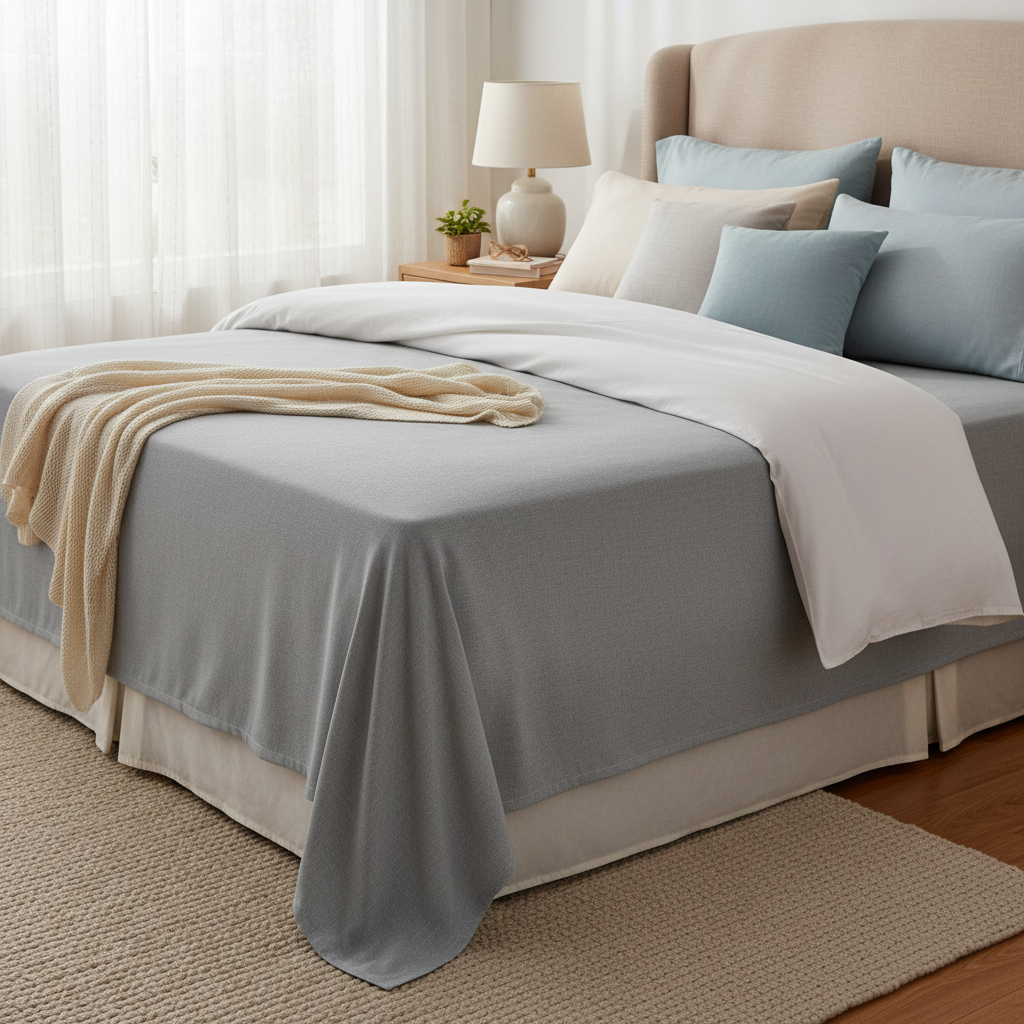
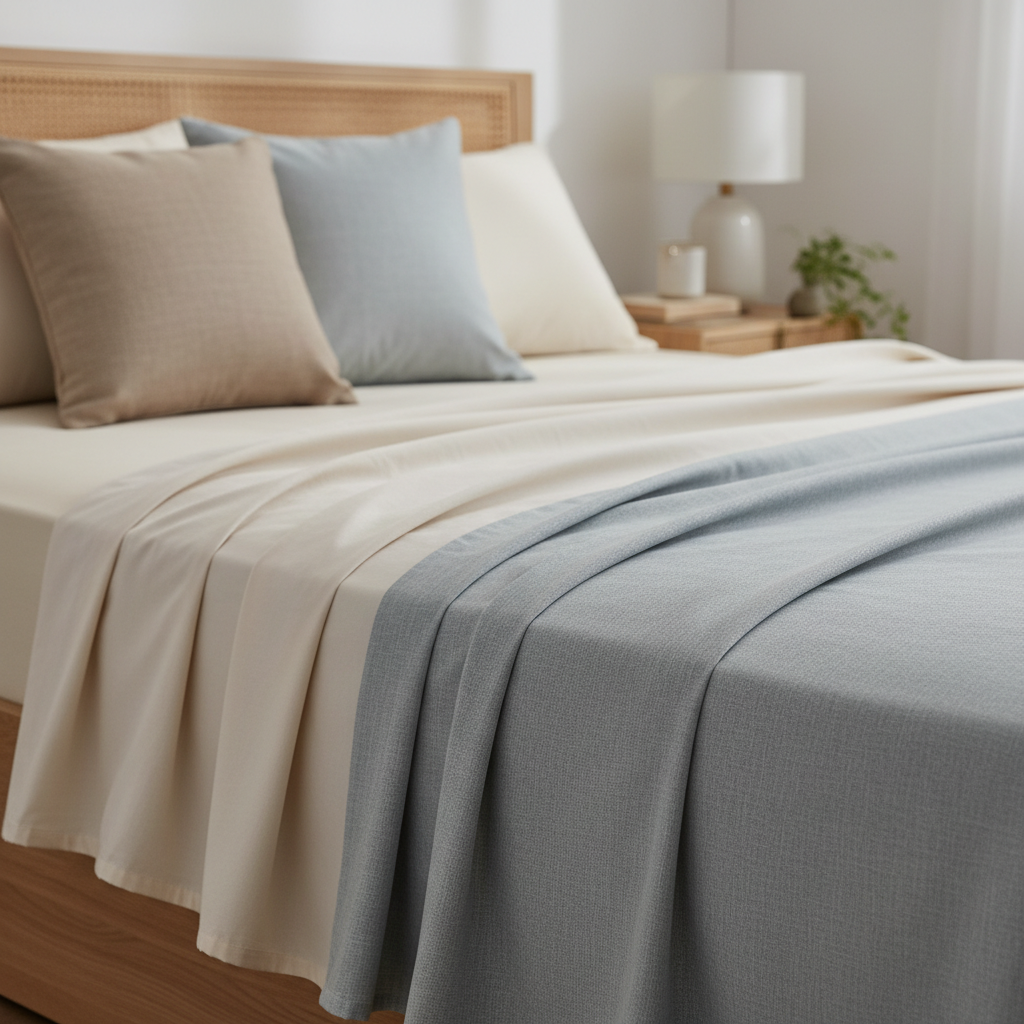
The poly cotton double bedsheet, a ubiquitous household item, plays a surprisingly significant role in global textile industries and consumer comfort. Its affordability, ease of care, and acceptable quality have made it a popular choice for individuals and institutions worldwide. Understanding its composition, manufacturing processes, and market trends is crucial for businesses, consumers, and policymakers alike. The demand for a reliable and cost-effective bedding solution like the poly cotton double bedsheet continues to grow, particularly in developing nations and emergency relief scenarios.
Globally, the textile industry is a major economic driver, employing millions and contributing significantly to international trade. Within this landscape, the poly cotton double bedsheet occupies a substantial niche due to its balanced properties – the strength and durability of polyester combined with the comfort and breathability of cotton. As populations grow and standards of living rise, the demand for bedding solutions like a high-quality poly cotton double bedsheet is consistently increasing, creating both opportunities and challenges for manufacturers and retailers.
The increasing focus on sustainable practices also influences the poly cotton double bedsheet market. Consumers are now seeking ethically sourced and environmentally friendly options. Manufacturers are responding by exploring recycled polyester and organic cotton blends. The versatility of the poly cotton double bedsheet allows it to adapt to these evolving consumer preferences, solidifying its position as a mainstay in the bedding industry.
Defining the Poly Cotton Double Bedsheet
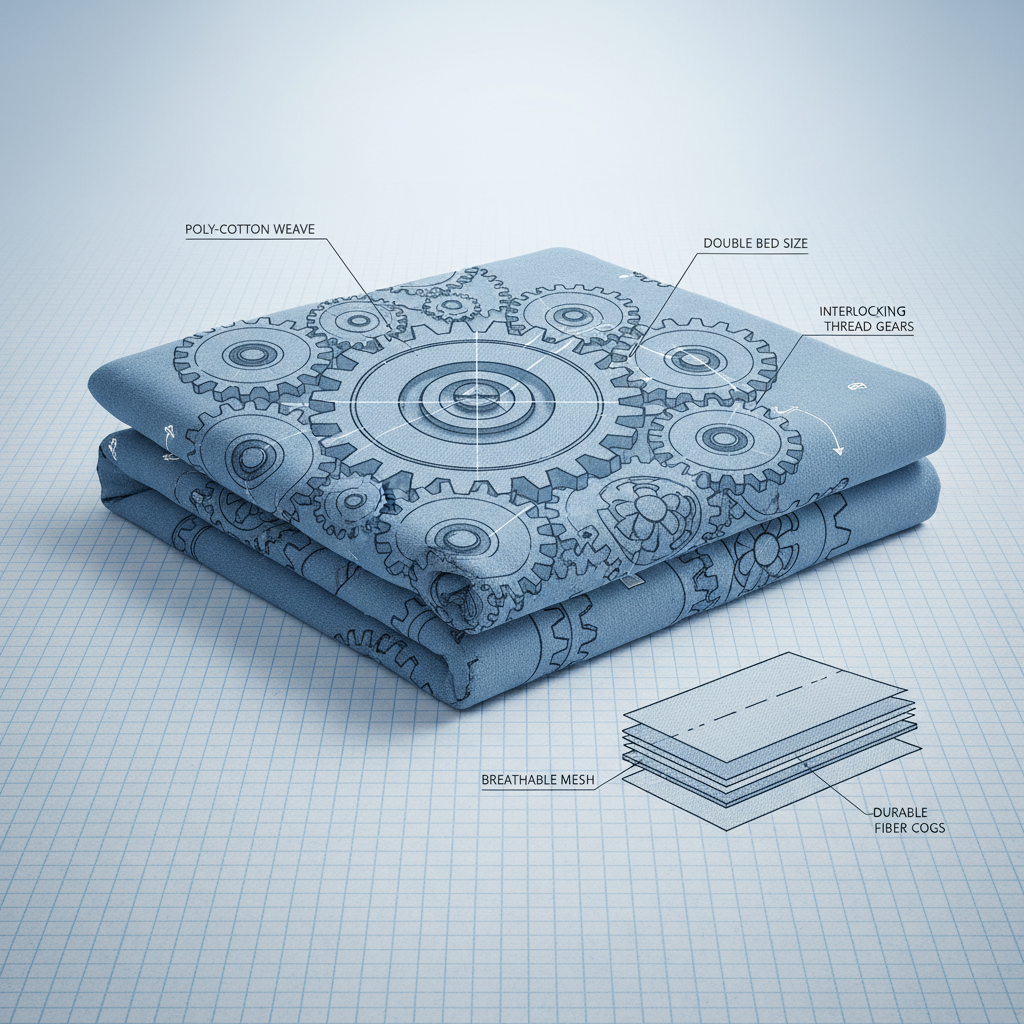
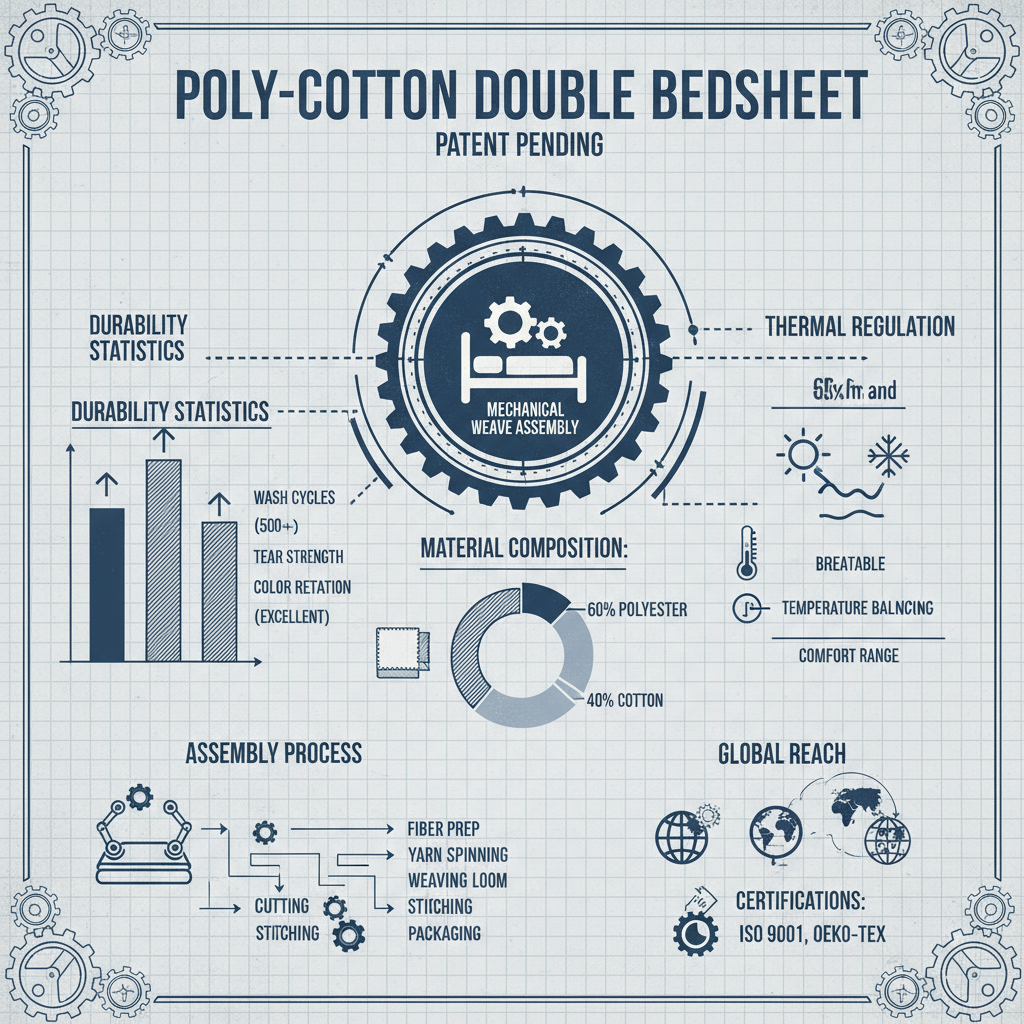
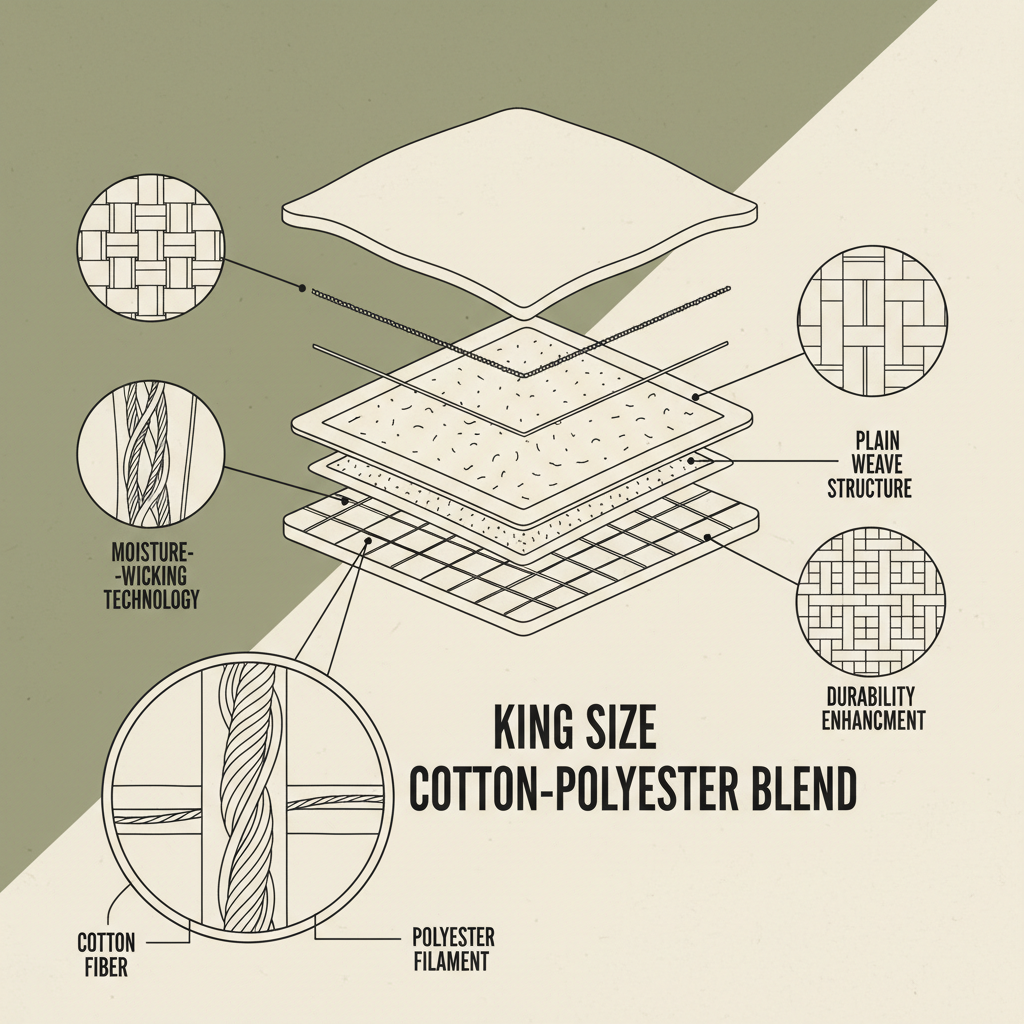
A poly cotton double bedsheet, as the name suggests, is a bedding textile crafted from a blend of polyester and cotton fibers, specifically designed to fit a standard double-sized bed. Typically, the blend ratio ranges from 50/50 to 65/35 (polyester/cotton), though variations exist. This combination aims to leverage the strengths of both materials, creating a fabric that is both comfortable and durable. The term 'double' refers to the bed size, commonly used across many countries.
This blend is a modern solution, representing an evolution in textile production. Traditionally, bedding was made solely from natural fibers like cotton or linen. However, the introduction of synthetic fibers like polyester allowed for the creation of more affordable and resilient fabrics. The poly cotton double bedsheet exemplifies this innovation, becoming a staple in homes, hospitals, and hotels globally, addressing the need for practical and cost-effective bedding.
Global Relevance and Market Dynamics
The global textile industry is estimated to be worth trillions of dollars, with bedding representing a significant segment. The poly cotton double bedsheet, due to its lower production cost compared to 100% cotton alternatives, is particularly prevalent in price-sensitive markets. Countries like China, India, and Pakistan are major producers and exporters of poly cotton fabrics, catering to both domestic and international demand. Statistics from the World Trade Organization (WTO) show a continuous flow of textile products, with poly cotton blends constituting a sizable portion.
The market for poly cotton double bedsheets is driven by factors such as population growth, urbanization, and rising disposable incomes. However, it also faces challenges like increasing competition from other synthetic blends and growing consumer awareness of sustainability issues. The demand for ethically sourced materials and transparent supply chains is forcing manufacturers to adopt more responsible practices.
The COVID-19 pandemic significantly impacted global supply chains, including those for textiles. Disruptions in manufacturing and logistics led to increased prices and delays. However, it also highlighted the importance of resilient supply chains and the need for diversified sourcing, which could reshape the future of the poly cotton double bedsheet market.
Composition and Manufacturing Process
The creation of a poly cotton double bedsheet begins with the sourcing of raw materials: cotton fibers and polyester polymers. Cotton is a natural fiber harvested from cotton plants, while polyester is a synthetic fiber derived from petroleum. These materials undergo various processing stages before being combined. Cotton fibers are cleaned, carded, and spun into yarn. Polyester is melted and extruded into filaments, which are then also spun into yarn.
The yarns are then blended, typically in predetermined ratios, and woven or knitted into fabric. Weaving involves interlacing two sets of yarns at right angles, while knitting involves creating loops of yarn. The chosen method affects the fabric's texture and properties. After fabric formation, it undergoes processes like dyeing, printing, and finishing. Dyeing imparts color, printing adds patterns, and finishing enhances qualities like softness, wrinkle resistance, and water repellency.
Quality control is crucial throughout the entire manufacturing process. Testing is performed to ensure the fabric meets standards for strength, colorfastness, and shrinkage. The finished fabric is then cut and sewn into poly cotton double bedsheet sets, which are packaged and distributed to retailers and consumers. Modern manufacturing facilities utilize automated machinery and advanced technologies to optimize efficiency and maintain consistent quality.
Key Properties of Poly Cotton Double Bedsheets
One of the most significant advantages of a poly cotton double bedsheet is its durability. Polyester fibers provide strength and resistance to wear and tear, making the bedsheet less prone to ripping or fraying compared to 100% cotton. This durability translates to a longer lifespan, reducing the frequency of replacements and offering cost savings over time.
Another crucial property is its wrinkle resistance. Polyester inherently resists wrinkling, meaning a poly cotton double bedsheet requires less ironing than a pure cotton sheet. This ease of care is particularly appealing to consumers seeking convenience. It’s also generally more affordable than 100% cotton, making it accessible to a wider range of budgets.
Comparison of Poly Cotton Double Bedsheet Properties
Applications Across Diverse Sectors
The versatility of a poly cotton double bedsheet extends beyond residential use. Hospitals and healthcare facilities frequently utilize poly cotton bedsheets due to their durability, ease of laundering (withstanding frequent hot water washes and sterilization processes), and affordability. Hotels and hospitality businesses similarly benefit from the cost-effectiveness and resilience of poly cotton bedding.
In student accommodations and dormitories, the durability and low maintenance of poly cotton double bedsheets make them a practical choice. They withstand the rigorous use common in these environments. Furthermore, organizations involved in disaster relief and humanitarian aid often distribute poly cotton sheets as essential provisions, providing a clean and comfortable sleeping surface for displaced individuals.
Benefits and Long-Term Value Proposition
The primary benefit of choosing a poly cotton double bedsheet is its cost-effectiveness. Compared to premium materials like Egyptian cotton or silk, poly cotton provides a comfortable and functional bedding solution at a significantly lower price point. This makes it accessible to a wider range of consumers, particularly those on a budget. The longevity of the material also provides long-term value, reducing the need for frequent replacements.
From a sustainability perspective, while not a perfect solution, poly cotton can offer benefits over constantly replacing cheaper, less durable alternatives. The durability extends the product lifespan, decreasing the overall consumption of resources. Furthermore, the increasing availability of recycled polyester options enhances the sustainability profile of poly cotton double bedsheets.
Future Trends and Innovations
Innovation in textile technology is constantly shaping the future of bedding materials. One emerging trend is the development of enhanced polyester fibers with improved moisture-wicking and breathability properties, addressing a common criticism of synthetic fabrics. Research into bio-based polyesters derived from renewable resources offers the potential for a more sustainable alternative to petroleum-based polyester.
Digital printing technologies are also transforming the design and customization of poly cotton double bedsheets. These technologies allow for intricate patterns and personalized designs, catering to evolving consumer preferences. Furthermore, the integration of smart textiles – fabrics with embedded sensors – could lead to bedding that monitors sleep patterns and adjusts temperature for optimal comfort.
The demand for traceability and transparency in the supply chain is driving the adoption of blockchain technology in the textile industry. This allows consumers to verify the origin of materials and ensure ethical production practices. As sustainability becomes increasingly important, these innovations will play a critical role in shaping the future of the poly cotton double bedsheet market.
Key Considerations for Enhancing Poly Cotton Double Bedsheet Production and Sustainability
| Material Source |
Manufacturing Efficiency |
Environmental Impact |
Product Longevity |
| Organic Cotton Sourcing |
Water Usage Reduction |
Reduced Dye Pollution |
8/10 |
| Recycled Polyester Usage |
Waste Minimization |
Carbon Footprint Reduction |
7/10 |
| Fair Trade Certification |
Energy Efficiency Improvements |
Biodegradable Dye Alternatives |
9/10 |
| Sustainable Farming Practices |
Automation and Process Optimization |
Chemical Reduction in Finishing |
6/10 |
| Transparency in Supply Chain |
Lean Manufacturing Techniques |
Water Recycling Systems |
8/10 |
| Circular Economy Initiatives |
Reduced Transportation Emissions |
Responsible Waste Management |
7/10 |
FAQS
The primary difference lies in composition and properties. 100% cotton is softer and more breathable but more prone to wrinkling and shrinking. Poly cotton blends polyester, which adds durability, wrinkle resistance, and affordability. A poly cotton double bedsheet generally requires less ironing and is more resistant to wear and tear, but may not feel as luxurious as pure cotton. The choice depends on your priority – comfort and natural fibers versus practicality and cost-effectiveness.
To maximize the lifespan of a poly cotton double bedsheet, machine wash it in cool or warm water with a mild detergent. Avoid using bleach, as it can damage the fibers. Tumble dry on low heat or hang to dry. Ironing is typically not necessary due to the wrinkle-resistant nature of polyester, but if you choose to iron, use a low setting. Proper care will help maintain the color and texture of the bedsheet for years to come.
Poly cotton can be a suitable option for some with sensitive skin, but it's not universally recommended. While polyester is generally hypoallergenic, some individuals may experience irritation. Look for OEKO-TEX certified poly cotton bedsheets, which are tested for harmful substances. 100% cotton is often preferred by those with severe allergies, as it is a natural fiber and less likely to cause reactions.
With proper care, a well-made poly cotton double bedsheet can typically last for 2-5 years with regular use. The lifespan depends on factors such as the quality of the fabric, washing frequency, and usage intensity. Higher quality blends and gentle washing practices will contribute to a longer lifespan. Replacing bedsheets when they show signs of significant wear and tear, like thinning or discoloration, is recommended.
Poly cotton's environmental impact is mixed. Polyester is derived from petroleum, a non-renewable resource. However, poly cotton generally lasts longer than 100% cotton, reducing the frequency of replacements. Look for bedsheets made with recycled polyester, which minimizes the reliance on virgin petroleum. Consider the entire lifecycle of the product – from manufacturing to disposal – when evaluating its environmental footprint.
While thread count is important for 100% cotton sheets, it's less critical for poly cotton blends. Thread count refers to the number of horizontal and vertical threads per square inch of fabric. In poly cotton, the weave structure and fiber quality are more significant factors. A thread count between 180-300 is typically sufficient for a comfortable and durable poly cotton double bedsheet. Focusing on fabric weight and blend ratio is more beneficial than solely relying on thread count.
Conclusion
In summary, the poly cotton double bedsheet represents a pragmatic and versatile solution in the bedding market. Its blend of affordability, durability, and ease of care makes it a popular choice for a wide range of consumers and institutions. Understanding its composition, manufacturing processes, and evolving innovations is crucial for making informed decisions and appreciating its ongoing relevance.
Looking ahead, the future of the poly cotton double bedsheet lies in embracing sustainable practices, exploring innovative materials, and responding to evolving consumer preferences. By prioritizing ethical sourcing, reducing environmental impact, and enhancing product quality, manufacturers can ensure the long-term viability and appeal of this essential household item. Visit our website at www.bedencasement.com to explore our selection of high-quality bedding solutions.