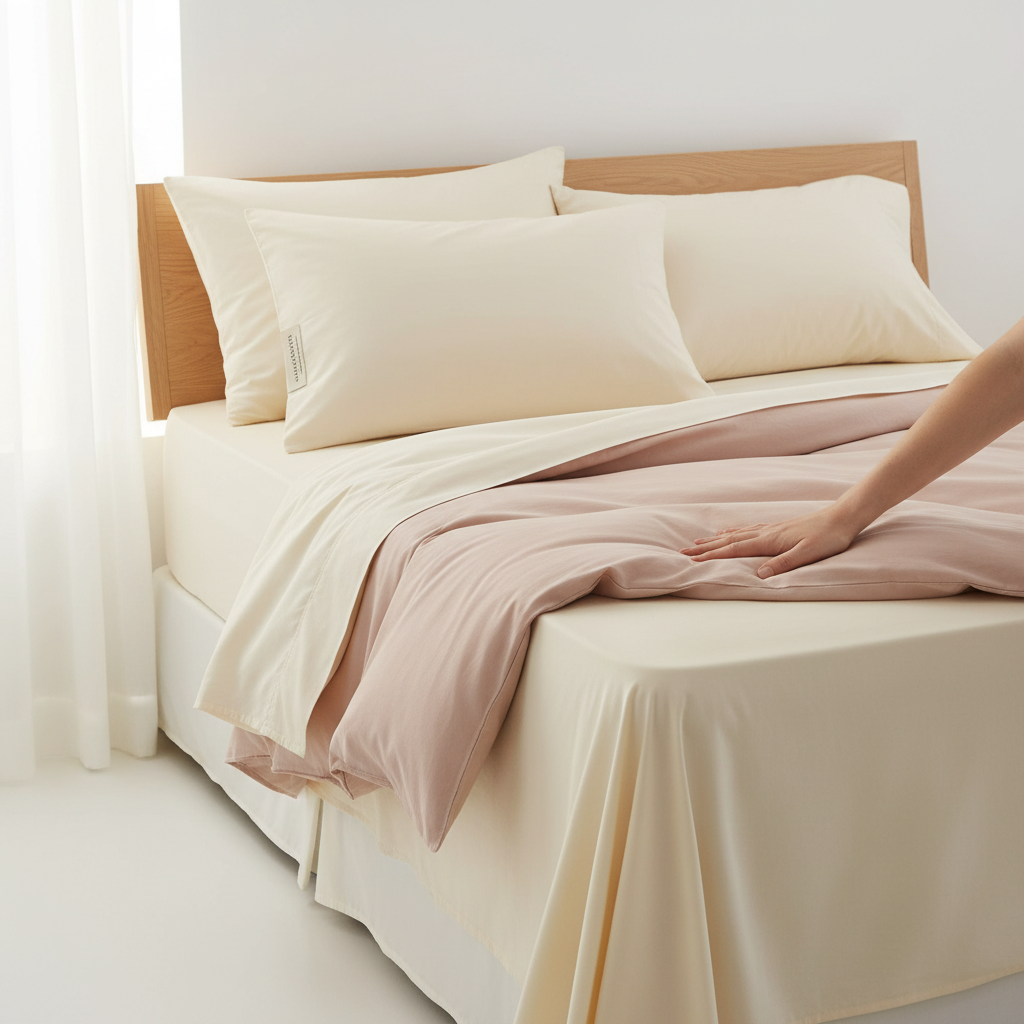
Poly cotton fitted sheets represent a versatile and increasingly popular bedding choice, offering a compelling balance between the comfort of natural cotton and the durability and affordability of polyester. They are a staple in households globally, from everyday use to hospitality settings, and their demand continues to rise as consumers seek practical and cost-effective solutions for a good night’s sleep. Understanding their composition, benefits, and applications is crucial for both consumers and businesses alike.
The global textile industry is a significant economic driver, and within it, bedding materials like poly cotton fitted sheets hold a substantial market share. According to data from the World Bank, the global textiles market was valued at over $936 billion in 2022, with a projected growth rate of 4.8% annually. Poly cotton blends are particularly prevalent in developing nations due to their lower cost compared to 100% cotton, making them accessible to a wider demographic. However, growing concerns about sustainability and ethical sourcing are driving innovation and demand for more responsible manufacturing practices within the industry.
The rising cost of 100% cotton, coupled with increased consumer awareness regarding ease of care and wrinkle resistance, has propelled the demand for poly cotton fitted sheets. They address the challenge of balancing affordability with desirable qualities, providing a practical solution for busy individuals and families. This demand isn’t limited to residential use; the hospitality industry, healthcare facilities, and student accommodations all utilize poly cotton fitted sheets for their durability and cost-effectiveness.
Introduction to Poly Cotton Fitted Sheets
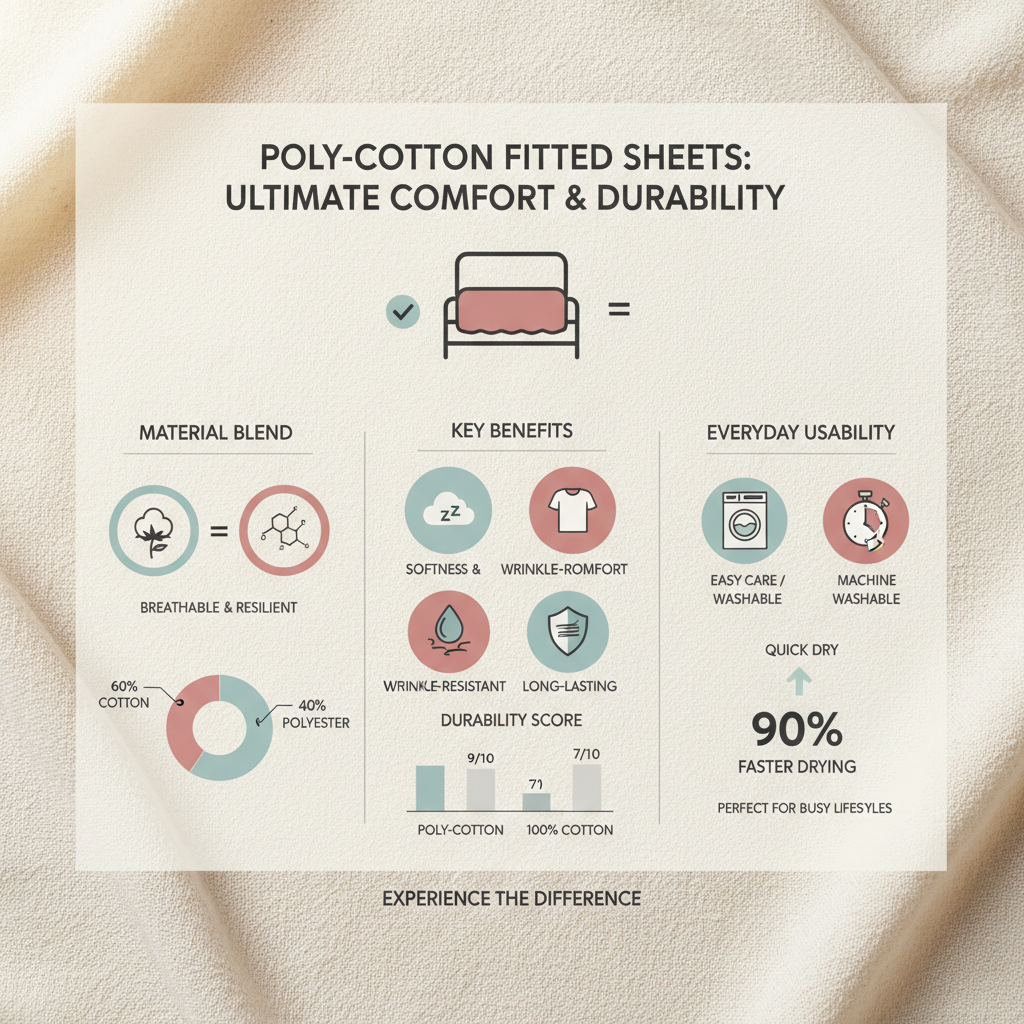
Poly cotton fitted sheets are a blend of polyester and cotton fibers, designed to combine the desirable qualities of both materials. The ratio of polyester to cotton can vary, influencing the sheet’s final characteristics. A common blend is 65% polyester and 35% cotton, which offers a good balance of durability, affordability, and comfort. These sheets are a practical choice for many households due to their ease of care and resistance to wrinkles.
The growing demand for sustainable textiles is also impacting the poly cotton market. Manufacturers are increasingly exploring recycled polyester options and more eco-friendly cotton sourcing methods to address environmental concerns. Choosing responsibly sourced poly cotton fitted sheets can contribute to a more sustainable lifestyle without compromising on quality or cost.
Defining Poly Cotton Fitted Sheets
Simply put, poly cotton fitted sheets are bedding made from a fabric composed of polyester and cotton fibers woven together. Unlike 100% cotton sheets, which are known for their softness but can be prone to wrinkling and shrinking, poly cotton blends offer increased durability and wrinkle resistance. The polyester component provides strength and prevents shrinkage, while the cotton contributes to breathability and a softer feel.
The fitted sheet design, characterized by elasticized edges, ensures a snug and secure fit on the mattress, preventing slipping and bunching during sleep. This is particularly advantageous for those who move frequently during the night. Understanding the blend ratio is crucial, as a higher cotton percentage typically results in a softer, more breathable sheet, while a higher polyester percentage enhances durability and wrinkle resistance.
In the context of modern industry, poly cotton fitted sheets represent a cost-effective solution for large-scale bedding needs. From hotels and hospitals to dormitories and rental properties, they offer a practical and reliable option for maintaining high standards of hygiene and comfort without incurring significant expenses.
Key Characteristics of Poly Cotton Fitted Sheets
One of the most significant characteristics of poly cotton fitted sheets is their durability. Polyester fibers are inherently stronger than cotton, meaning sheets made with a higher polyester content are more resistant to tearing, abrasion, and repeated washing. This translates to a longer lifespan, reducing the frequency of replacement and saving money in the long run.
Another key characteristic is wrinkle resistance. Polyester fibers have a natural resistance to wrinkling, resulting in sheets that require minimal ironing. This is a major benefit for individuals who prefer low-maintenance bedding and appreciate a neat, presentable appearance without the effort of ironing.
Affordability is also a crucial factor. Poly cotton fitted sheets are generally more affordable than those made from 100% cotton or other luxury materials like silk or linen. This makes them accessible to a wider range of consumers and suitable for budget-conscious buyers. Furthermore, ease of care is a significant advantage. They are machine washable and dryable, simplifying the laundry process and reducing cleaning costs.
Global Applications and Use Cases
Poly cotton fitted sheets find widespread application across diverse sectors globally. In the hospitality industry, hotels, motels, and resorts rely heavily on these sheets due to their durability, affordability, and ease of laundering. They can withstand frequent washing cycles and maintain a presentable appearance, making them ideal for high-volume use.
Healthcare facilities, such as hospitals and nursing homes, also utilize poly cotton fitted sheets for their hygienic properties and ability to withstand rigorous cleaning protocols. They are often preferred over 100% cotton in these settings due to their resistance to staining and their ability to maintain their integrity after repeated sterilization.
In educational institutions, particularly dormitories and student housing, poly cotton fitted sheets provide a cost-effective and practical bedding solution. They can endure the demands of student life, including frequent use and occasional mishaps, without requiring frequent replacement. In post-disaster relief operations, these sheets can quickly be deployed to provide comfortable and hygienic bedding for displaced individuals.
Poly Cotton Fitted Sheet Performance Metrics
Advantages and Long-Term Value
The advantages of choosing poly cotton fitted sheets extend beyond initial cost savings. Their exceptional durability translates to a reduced need for frequent replacements, contributing to long-term financial benefits. This is particularly relevant for businesses with large bedding requirements, such as hotels and hospitals. Furthermore, the wrinkle resistance of these sheets saves time and energy by minimizing the need for ironing.
From a sustainability perspective, the longevity of poly cotton fitted sheets reduces textile waste, contributing to a more circular economy. While not inherently a "green" material, their durability minimizes the environmental impact associated with frequent production and disposal. Beyond practical benefits, these sheets offer peace of mind, knowing you have a reliable and comfortable bedding solution that will withstand daily use.
Future Trends in Poly Cotton Fitted Sheets
The future of poly cotton fitted sheets will likely see a stronger emphasis on sustainability and eco-friendly materials. The development of recycled polyester fabrics and innovative cotton sourcing methods will be crucial in reducing the environmental footprint of these bedding staples. Expect to see more manufacturers adopting these practices to meet growing consumer demand for responsible products.
Technological advancements in textile manufacturing will also play a role. Nanotechnology and advanced weaving techniques could enhance the performance characteristics of poly cotton fabrics, improving breathability, softness, and durability. Smart textiles, incorporating sensors for sleep monitoring and temperature regulation, might also emerge as a future trend.
Challenges and Solutions
Despite their numerous benefits, poly cotton fitted sheets face certain challenges. One concern is the potential for reduced breathability compared to 100% cotton, which can lead to discomfort for some sleepers, especially in warmer climates. Manufacturers are addressing this by optimizing the weave structure and incorporating moisture-wicking technologies.
Another challenge is the environmental impact of polyester production, which relies on fossil fuels. The increasing adoption of recycled polyester and the development of bio-based polyester alternatives offer promising solutions. Transparency in the supply chain and ethical sourcing practices are also crucial for ensuring responsible production.
Finally, maintaining quality control and consistency in poly cotton blends is essential. Variations in the polyester-to-cotton ratio can affect the sheet’s performance and durability. Implementing rigorous quality assurance measures and adhering to industry standards can mitigate this risk.
Summary of Challenges and Solutions for Poly Cotton Fitted Sheets
| Challenge |
Impact |
Proposed Solution |
Implementation Difficulty (1-5) |
| Reduced Breathability |
Sleep Discomfort, Increased Perspiration |
Optimized Weave Structure, Moisture-Wicking Technology |
3 |
| Polyester Environmental Impact |
Fossil Fuel Reliance, Pollution |
Recycled Polyester, Bio-Based Alternatives |
4 |
| Quality Control Variations |
Inconsistent Performance, Reduced Durability |
Rigorous Testing, Industry Standard Adherence |
2 |
| Consumer Perception of "Synthetic" Feel |
Preference for Natural Fibers |
Enhanced Cotton Content, Softening Treatments |
3 |
| Microplastic Shedding |
Environmental Pollution, Potential Health Concerns |
Filter Systems in Washing Machines, Fabric Coatings |
5 |
| Cost Fluctuations of Raw Materials |
Price Instability, Margin Pressure |
Diversified Sourcing, Long-Term Contracts |
4 |
FAQS
The ideal ratio often depends on your priorities. A 65% polyester / 35% cotton blend strikes a good balance, offering excellent durability and wrinkle resistance while still maintaining a reasonable level of breathability and softness. However, a higher cotton content (e.g., 50/50 or 60/40) will feel softer and more breathable, while a higher polyester content (e.g., 80/20) will be even more durable and wrinkle-resistant.
Poly cotton fitted sheets are known for their excellent washability. The polyester component provides strength and resistance to shrinking and fading. They can generally withstand numerous washing cycles without significant deterioration in quality. It's still recommended to follow the care instructions on the label – typically machine wash cold with mild detergent and tumble dry low – to maximize their lifespan.
While not inherently hypoallergenic, poly cotton fitted sheets are generally a good option for individuals with mild allergies. The smooth surface of the polyester fibers can trap fewer allergens than natural fibers. However, it's essential to wash the sheets frequently in hot water to remove dust mites and other allergens. For severe allergies, 100% cotton or hypoallergenic microfiber sheets may be a better choice.
Look for sheets with a tight weave and a smooth finish. Higher-quality poly cotton sheets will feel more substantial and less flimsy. Check the thread count (although thread count isn't always a reliable indicator, it can provide some guidance). Pay attention to the seams – they should be neatly stitched and reinforced. Finally, read customer reviews to get insights into the sheet’s durability and performance.
Traditional polyester production has an environmental impact, but choosing poly cotton sheets can still be a more sustainable option than frequently replacing lower-quality, 100% cotton sheets. Look for sheets made from recycled polyester or sourced from companies committed to responsible manufacturing practices. Consider the lifespan of the sheets – durability reduces waste.
Poly cotton fitted sheets are generally more affordable than 100% cotton sheets, linen, silk, or bamboo. They offer an excellent value for the price, providing a good balance of comfort, durability, and affordability. Prices can vary depending on the brand, quality, and thread count, but you can typically find a good set of poly cotton fitted sheets for a relatively low cost.
Conclusion
In conclusion, poly cotton fitted sheets offer a compelling combination of durability, affordability, and ease of care, making them a practical choice for a wide range of consumers and businesses. While not without their limitations, ongoing innovations in materials and manufacturing are addressing concerns around sustainability and comfort. From hotels and hospitals to everyday homes, these sheets continue to be a reliable and cost-effective bedding solution.
Looking ahead, the future of poly cotton fitted sheets lies in embracing sustainable practices and technological advancements. By prioritizing recycled materials, optimizing fabric weaves, and exploring innovative fiber technologies, manufacturers can create even more comfortable, durable, and environmentally responsible products. For more information on quality bedding options, including poly cotton fitted sheets, visit our website: poly cotton fitted sheets.