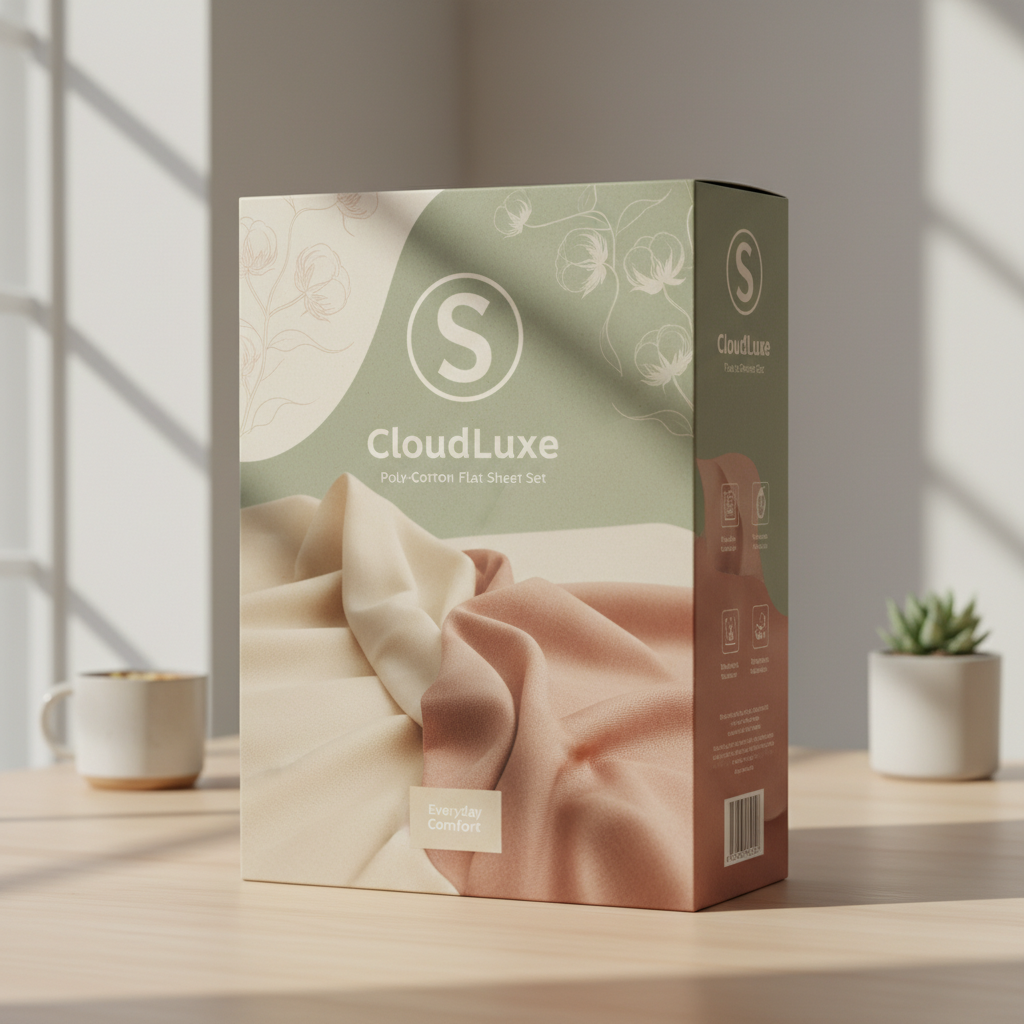
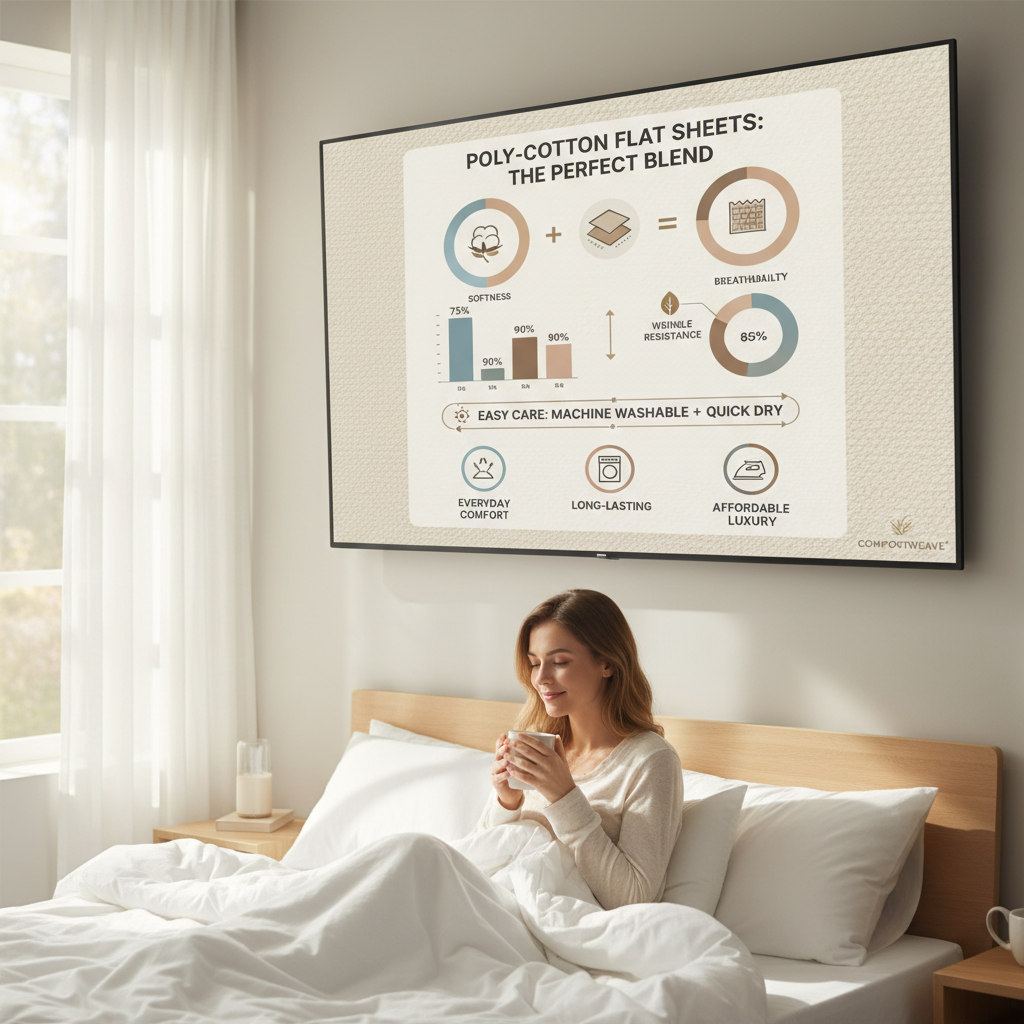
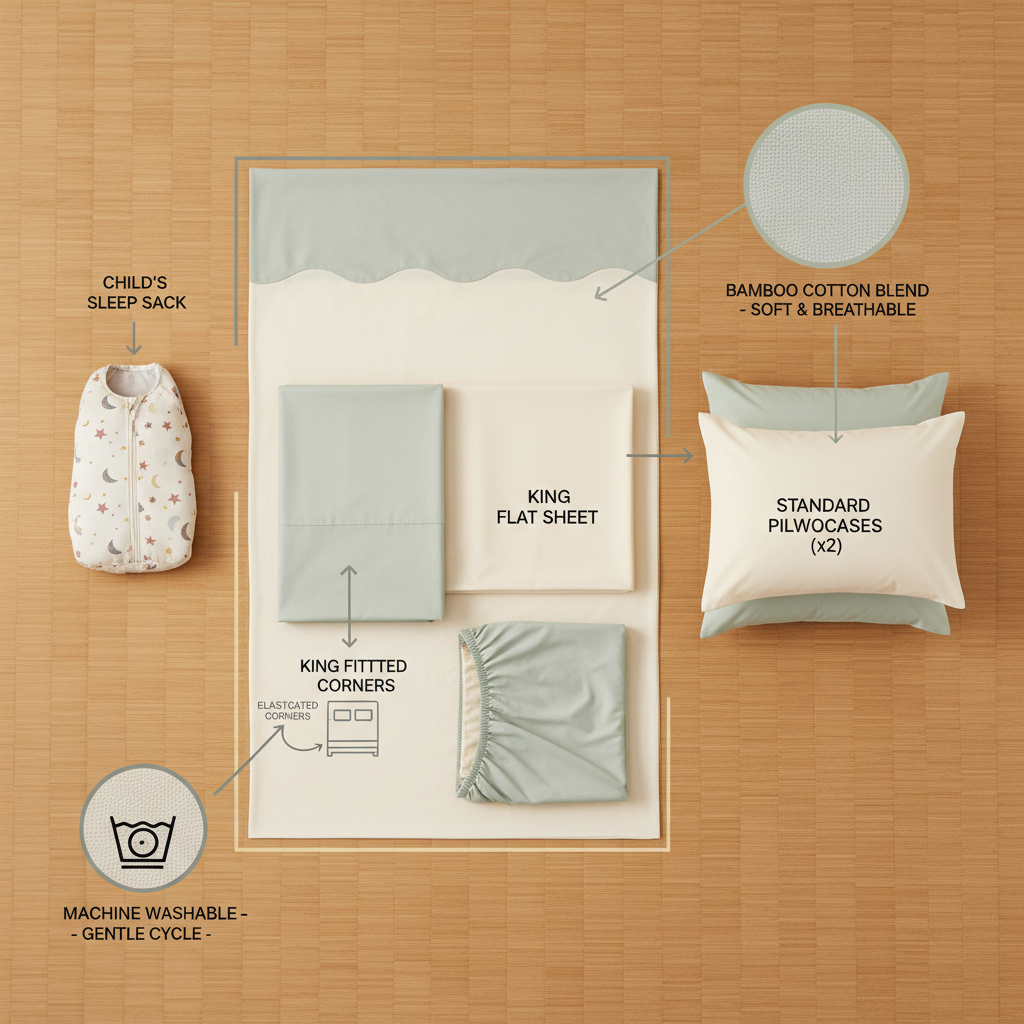
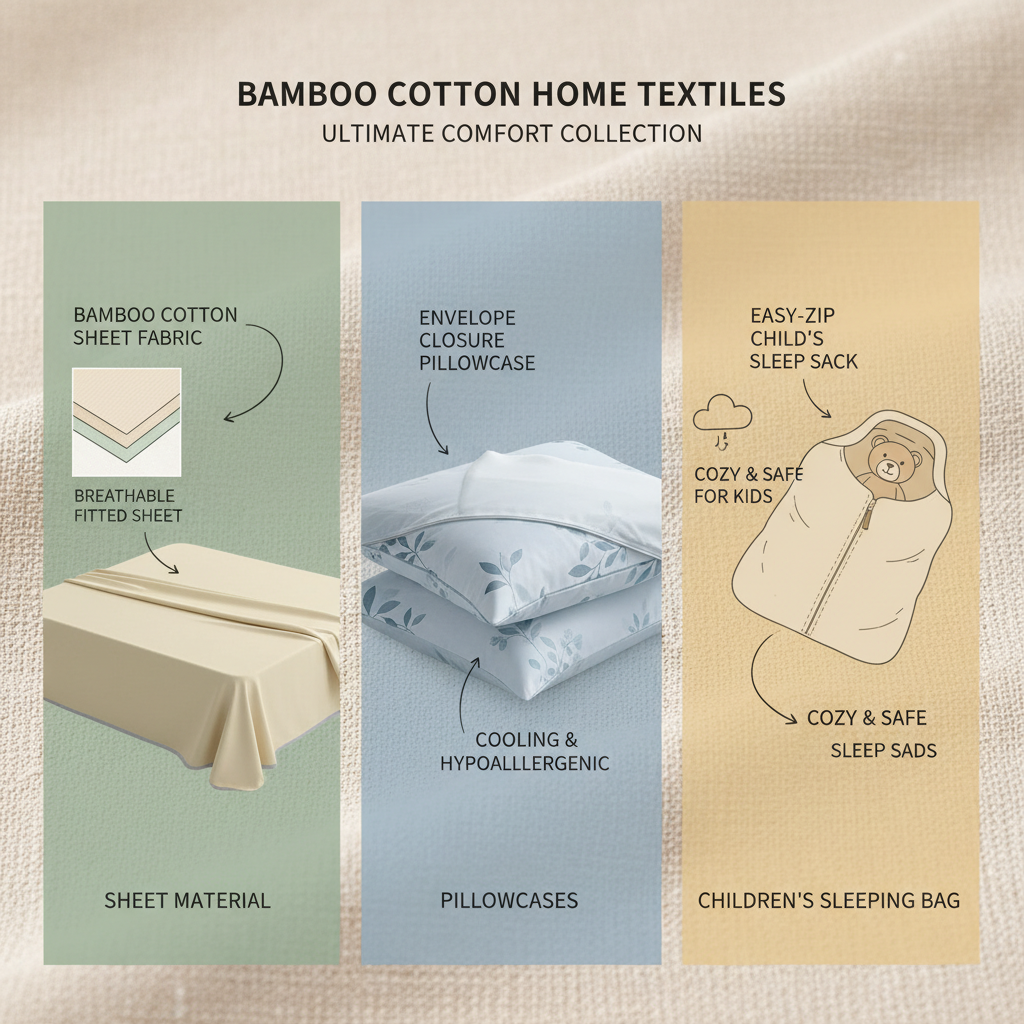
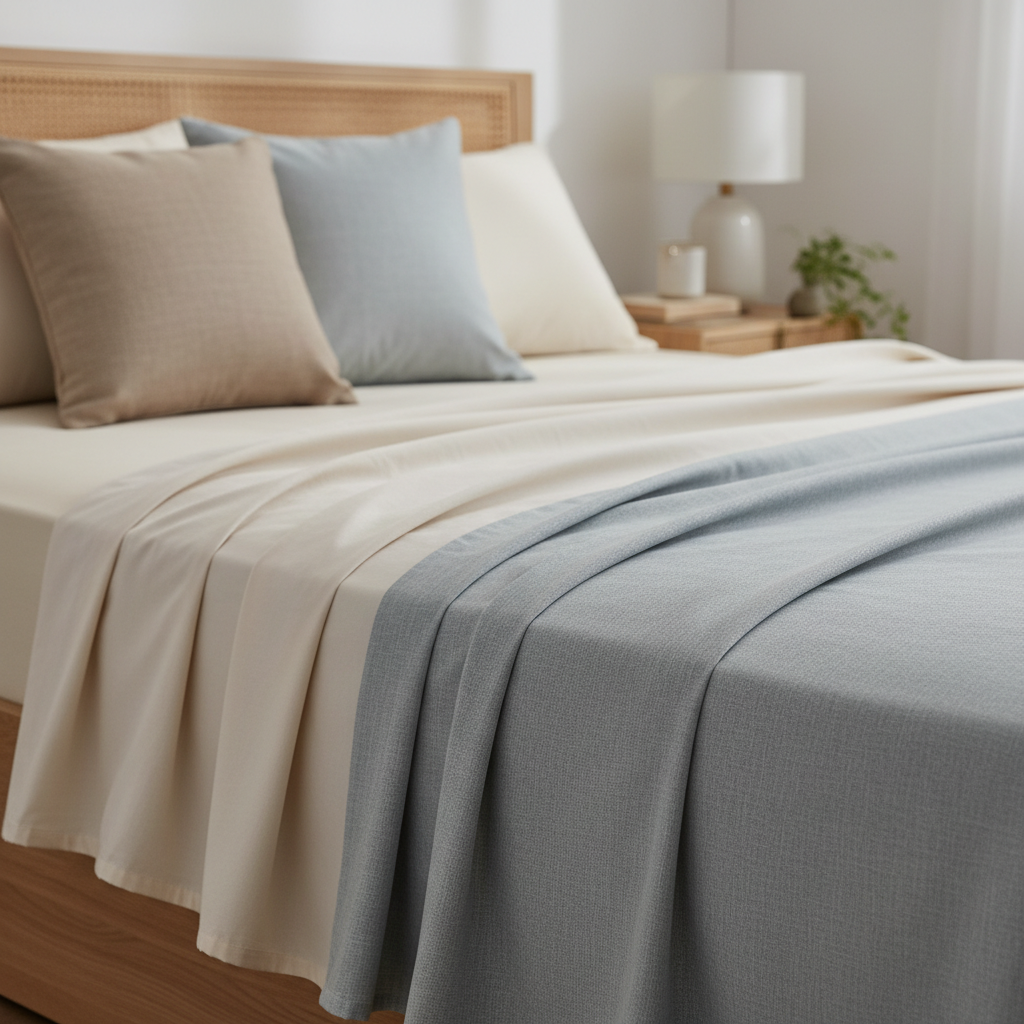
Poly cotton flat sheets represent a versatile and cost-effective solution for a wide range of bedding needs, globally recognized for their balance of comfort, durability, and affordability. From household use to large-scale institutional applications, these sheets have become a staple in the textile industry, increasingly preferred over purely cotton or synthetic alternatives. Understanding the nuances of poly cotton blends is crucial for consumers and businesses alike seeking optimal value and performance.
The global demand for textiles, including poly cotton flat sheets, is driven by population growth, rising disposable incomes, and evolving consumer preferences. According to the World Bank, the textile industry contributes significantly to the economies of many developing countries, providing employment and export revenue. However, this industry also faces challenges related to sustainability, labor practices, and supply chain transparency. Poly cotton sheets, offering a balance of cost and quality, play a key role in addressing accessibility within this market.
Furthermore, the increasing demand for easy-care fabrics has propelled the popularity of poly cotton flat sheets. Their resistance to wrinkles and shrinkage, coupled with their relatively low price point, makes them an attractive choice for both consumers and institutions, such as hospitals, hotels, and educational facilities. This accessibility and practicality directly address a significant need for durable and affordable bedding solutions worldwide.
Introduction to Poly Cotton Flat Sheets
Poly cotton flat sheets are a widely utilized bedding option comprised of a blend of polyester and cotton fibers. This combination leverages the benefits of both materials: cotton providing breathability and comfort, while polyester adds strength, wrinkle resistance, and affordability. They represent a pragmatic choice for consumers seeking a balance between quality and cost-effectiveness.
The prevalence of poly cotton flat sheets stems from their versatility in meeting the demands of diverse settings, from personal homes to commercial enterprises. Their ease of maintenance, stemming from the polyester component, makes them a practical solution where frequent washing and minimal ironing are desired.
Defining Poly Cotton Flat Sheets
Poly cotton flat sheets are textile products specifically designed for use as bed linens. They’re created by weaving together polyester and cotton fibers, with the exact ratio varying based on the intended use and desired characteristics. A common blend is 65% polyester and 35% cotton, though other ratios exist. The purpose of blending these fibers is to create a fabric that overcomes the limitations of using either material on its own.
This blend bridges the gap between natural comfort and synthetic durability. Pure cotton sheets, while incredibly comfortable, are prone to wrinkling and shrinking. Conversely, 100% polyester sheets can feel less breathable and less luxurious. Poly cotton flat sheets seek to deliver the best of both worlds, providing a comfortable, durable, and easy-to-care-for bedding option.
The connection to modern industry is evident in their widespread use across hospitality, healthcare, and residential sectors. Their affordability and resilience address the need for cost-effective bedding solutions without sacrificing essential qualities like comfort and hygiene.
Key Characteristics of Poly Cotton Blends
One of the most significant characteristics of poly cotton blends is their wrinkle resistance. The polyester component prevents the fabric from easily creasing, reducing the need for ironing. This is particularly valuable in settings where labor costs are a concern, such as hotels and hospitals.
Another key aspect is their durability. Polyester fibers are known for their strength and resistance to abrasion, resulting in sheets that can withstand frequent washing and use without significant wear and tear. This longevity translates to a lower total cost of ownership over time.
Furthermore, poly cotton blends are generally more affordable than 100% cotton sheets. This affordability makes them accessible to a wider range of consumers and businesses. They also tend to retain color well, resisting fading even after repeated laundering, which maintains their aesthetic appeal for longer.
Durability and Longevity of Poly Cotton Sheets
The inherent strength of polyester fibers significantly contributes to the extended lifespan of poly cotton flat sheets. Unlike pure cotton which can weaken with repeated washing, the polyester component maintains its structural integrity, resisting tearing and fraying. This makes them ideal for high-traffic environments where sheets are subject to frequent laundering.
The durability is often quantified by assessing tensile strength and abrasion resistance. Studies show that poly cotton blends consistently outperform pure cotton in these tests, demonstrating their superior resistance to wear and tear. This longer lifespan reduces the frequency of replacement, contributing to cost savings for both consumers and institutions.
Durability Comparison of Different Sheet Types
Global Applications of Poly Cotton Flat Sheets
The versatile nature of poly cotton flat sheets leads to widespread applications across various sectors. In the hospitality industry, hotels and resorts rely heavily on their durability and easy maintenance to provide comfortable bedding for guests while minimizing laundry costs. Large-scale hotel chains often standardize on poly cotton sheets to ensure consistency and cost-effectiveness.
Healthcare facilities, including hospitals and nursing homes, also benefit from the hygienic properties and washability of these sheets. The ability to withstand frequent disinfection processes without significant degradation makes them a practical choice for maintaining a clean and safe environment. In post-disaster relief operations, readily available and affordable poly cotton flat sheets offer essential comfort and dignity to displaced populations.
Benefits and Value Proposition
The primary benefit of poly cotton flat sheets is their compelling value proposition. They deliver a favorable balance between cost, durability, and comfort, making them attractive to a broad spectrum of users. This translates into reduced expenses for businesses and affordable bedding for individuals.
From a sustainability perspective, the extended lifespan of poly cotton sheets reduces the frequency of replacements, minimizing textile waste. The lower energy consumption required for washing and ironing compared to pure cotton also contributes to a reduced environmental footprint.
Beyond purely practical considerations, poly cotton sheets provide a sense of reliability and convenience. Their easy-care properties free up time and resources, while their consistent performance ensures a comfortable and restful sleep experience.
Future Trends and Innovations
Innovations in fiber technology are leading to enhanced poly cotton blends. The development of recycled polyester fibers is reducing the environmental impact of sheet production, aligning with growing consumer demand for sustainable products. Furthermore, advancements in cotton processing are improving the softness and breathability of the cotton component within the blend.
The integration of antimicrobial finishes is another emerging trend. These finishes inhibit the growth of bacteria and fungi, enhancing hygiene and extending the freshness of the sheets. Digital printing techniques are also gaining popularity, allowing for customized designs and patterns, catering to evolving aesthetic preferences.
Looking ahead, the use of nanotechnology to enhance fabric properties, such as wrinkle resistance and stain repellency, holds significant promise. These innovations will further solidify the position of poly cotton flat sheets as a versatile and high-performing bedding solution.
Table Summarizing Factors Influencing Poly Cotton Sheet Performance
| Polyester/Cotton Ratio |
Weave Type |
Finishing Treatments |
Performance Score (1-10) |
| 65/35 |
Percale |
Wrinkle Resistant |
8 |
| 50/50 |
Sateen |
None |
7 |
| 80/20 |
Twill |
Antimicrobial |
9 |
| 60/40 |
Plain Weave |
Softened |
6 |
| 70/30 |
Jersey Knit |
Pre-Shrunk |
7 |
| 55/45 |
Ripstop |
Colorfast |
8 |
FAQS
The ideal ratio often depends on the intended use. A 65/35 polyester/cotton blend is generally considered a good all-around choice, offering a balance of durability, wrinkle resistance, and comfort. Higher polyester content increases durability and wrinkle resistance, while higher cotton content improves breathability and softness. Consider your priorities when selecting a ratio.
Poly cotton sheets are known for their excellent washability. The polyester component resists shrinking and fading, allowing them to withstand numerous washing cycles without significant degradation. However, it's always recommended to follow the care instructions on the label, typically involving machine washing in cold or warm water and tumble drying on a low setting.
While not as breathable as 100% cotton, poly cotton sheets can still be reasonably comfortable for warm sleepers, especially those with a higher cotton content. The cotton component provides some breathability, helping to regulate body temperature. Consider a sateen weave for increased softness and a slightly cooler feel.
Poly cotton sheets are generally more affordable than 100% cotton, linen, silk, or bamboo sheets. This affordability makes them a popular choice for budget-conscious consumers and businesses. The exact price will vary depending on the quality of the materials, the weave, and the brand.
While poly cotton sheets are known for their wrinkle resistance, they can be ironed if desired. However, it's generally not necessary, and ironing may reduce their wrinkle-resistant properties over time. If you choose to iron, use a low heat setting and avoid prolonged exposure to high temperatures.
The sustainability of poly cotton sheets is a complex issue. While polyester is derived from petroleum, the durability of these sheets means they need to be replaced less frequently, reducing textile waste. Increasingly, recycled polyester options are available, further enhancing their sustainability. Choosing sheets with a higher cotton content and responsible manufacturing practices can also contribute to a more eco-friendly choice.
Conclusion
In conclusion, poly cotton flat sheets offer a compelling combination of affordability, durability, and ease of care, making them a practical and versatile choice for a wide range of applications. Their global prevalence reflects their ability to address the need for cost-effective bedding solutions without compromising on essential qualities. From households to hospitality industries, these sheets provide a reliable and comfortable foundation for restful sleep.
As textile technology continues to evolve, further innovations in fiber blends, weaving techniques, and finishing treatments will enhance the performance and sustainability of poly cotton sheets. Embracing these advancements will allow us to maximize the benefits of this valuable textile product while minimizing its environmental impact. For quality and affordability, explore our selection of poly cotton sheets at www.bedencasement.com.