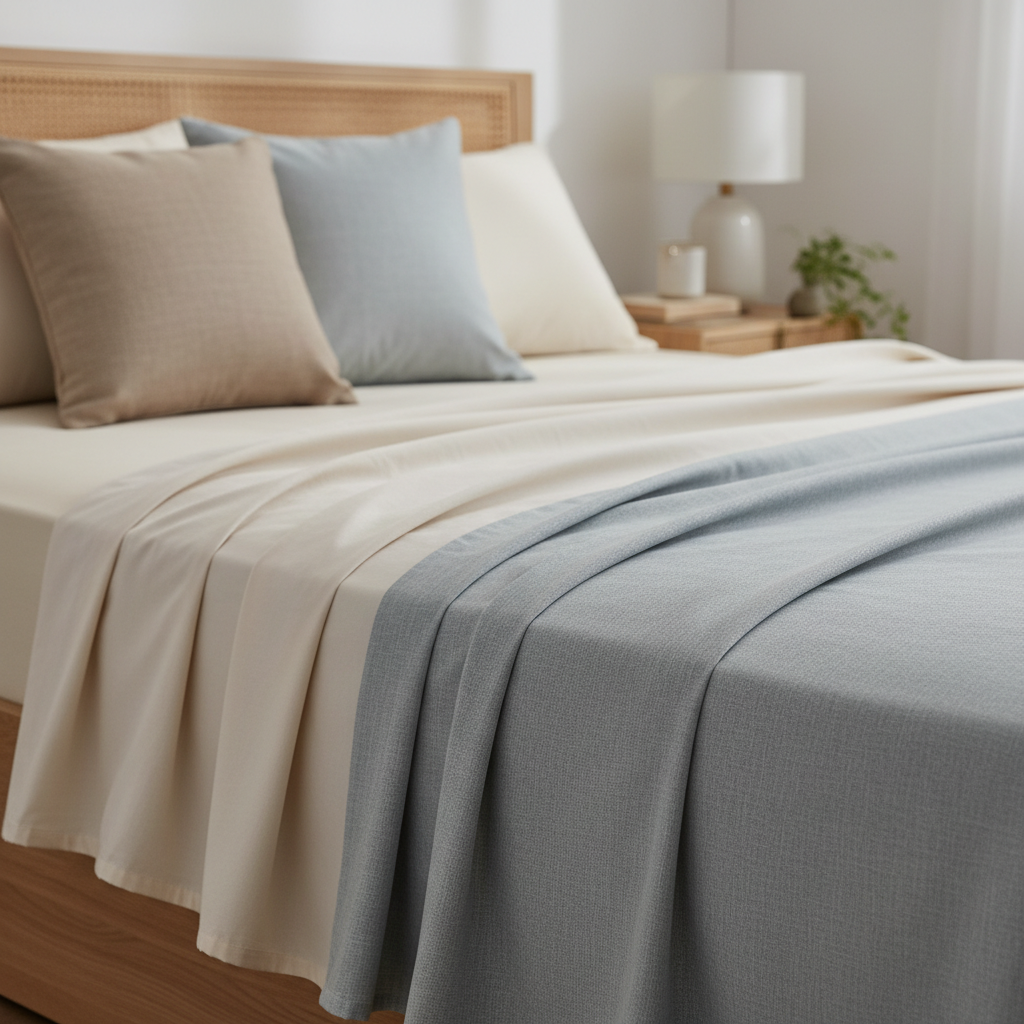
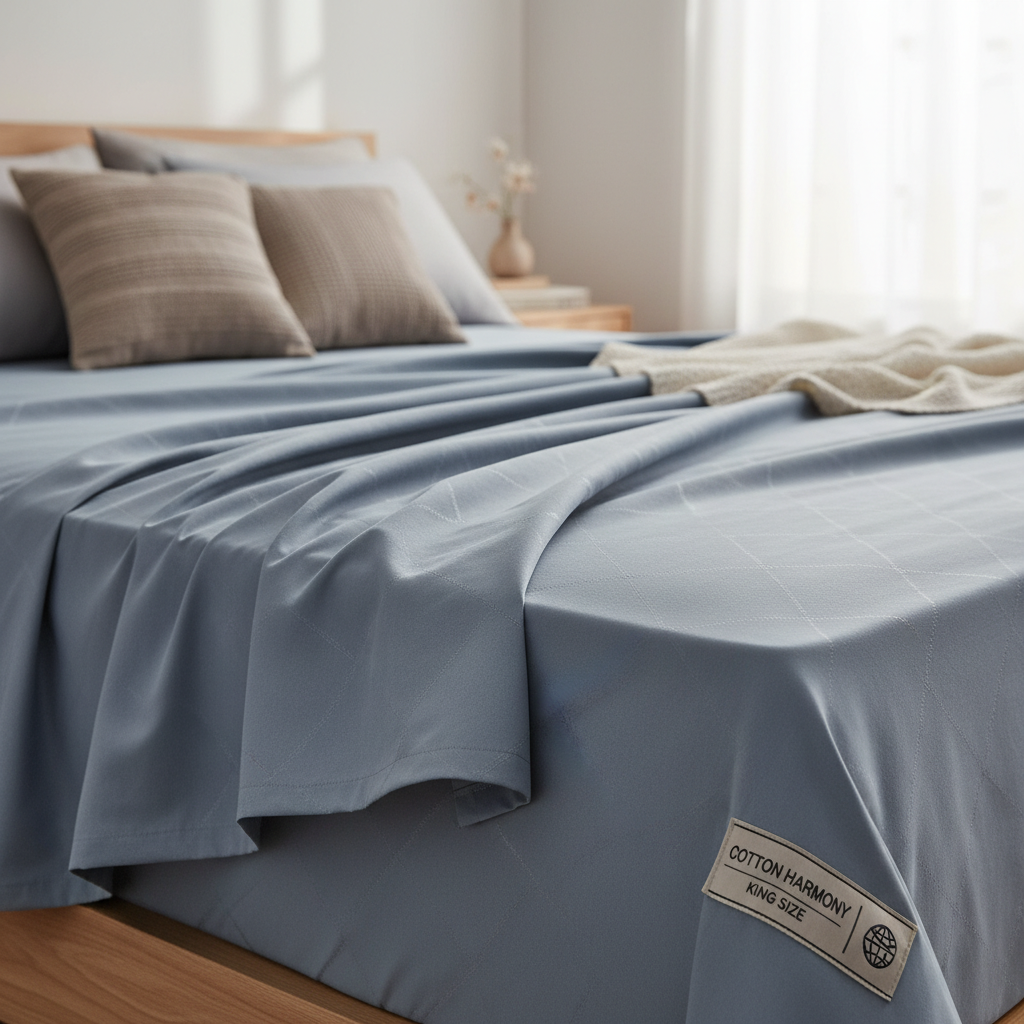
Cotton polyester king size sheets have become a staple in modern bedding, offering a versatile and affordable solution for comfortable sleep. The increasing demand globally is driven by their balance of cost-effectiveness, ease of care, and acceptable comfort levels. Understanding the composition, benefits, and potential drawbacks of these sheets is crucial for both consumers and retailers navigating the bedding market.
The global textile industry, valued at over $1 trillion, sees a significant portion dedicated to bedding products. According to the World Bank, consumer spending on household goods like bedding consistently rises with increased disposable income, particularly in emerging economies. Cotton polyester king size sheets cater to this growth by providing a durable and readily available option, meeting the needs of a broad consumer base.
However, the production and disposal of textile products pose environmental challenges. The increasing awareness of sustainable practices creates a demand for responsibly sourced and manufactured cotton polyester king size sheets, spurring innovation in production methods and material blends. This presents an opportunity for manufacturers to address environmental concerns while continuing to offer affordable bedding solutions.
Introduction to Cotton Polyester King Size Sheets
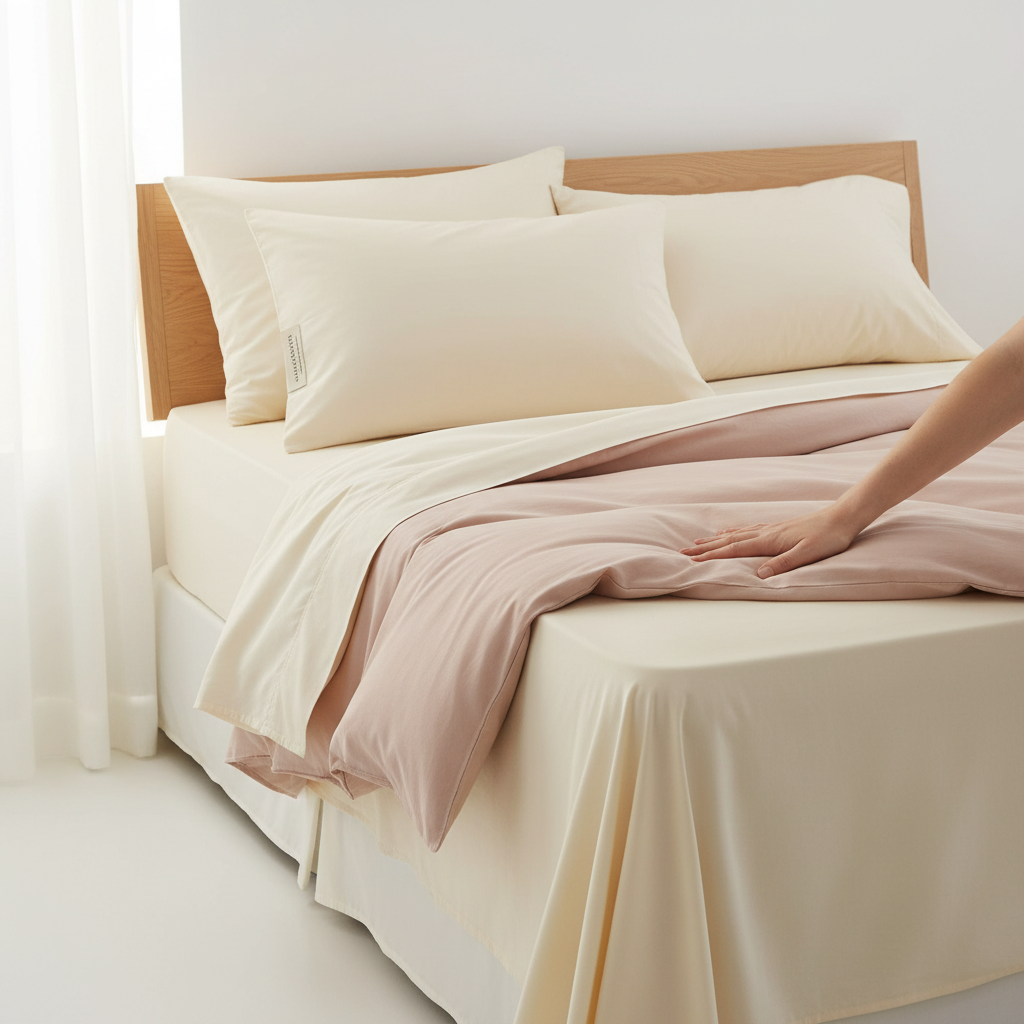
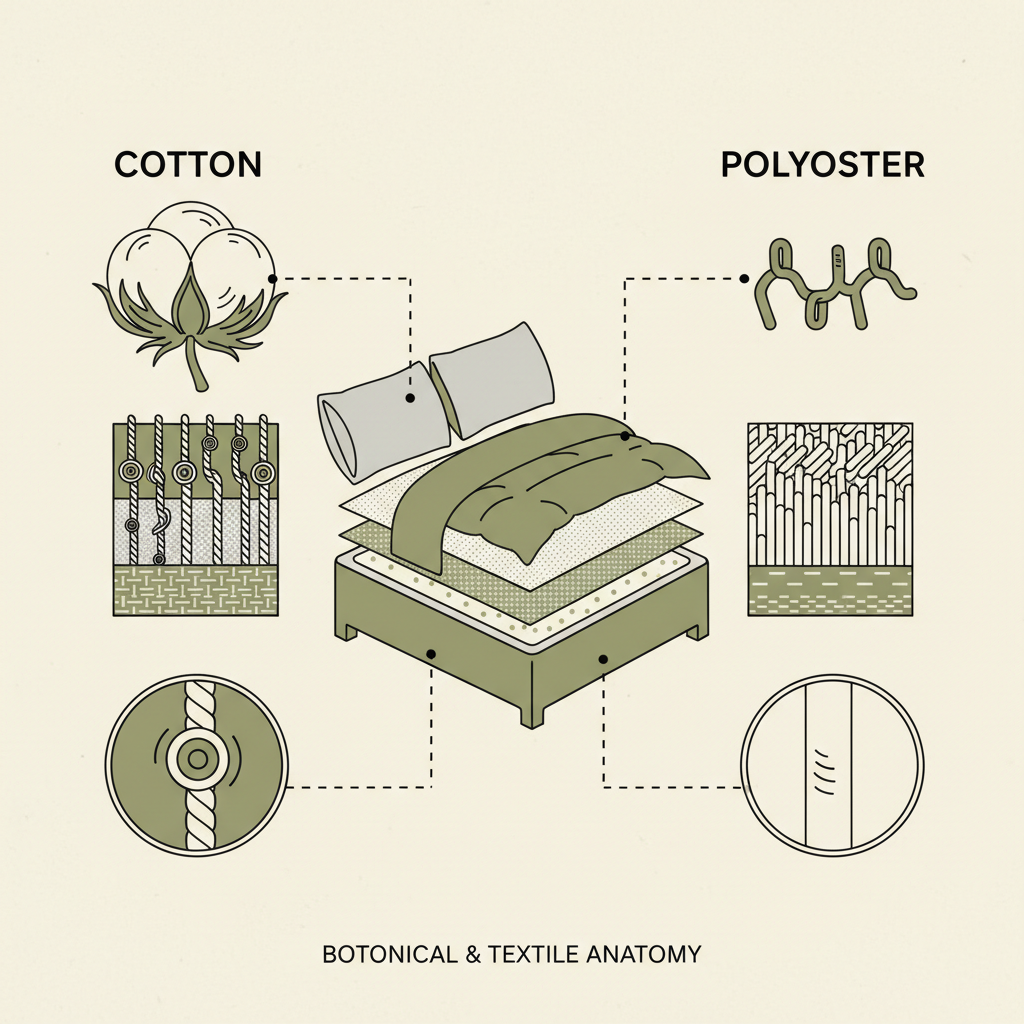
Cotton polyester king size sheets represent a popular choice for consumers seeking a balance between comfort, durability, and affordability. These sheets are typically constructed from a blend of cotton fibers, known for their softness and breathability, and polyester fibers, prized for their wrinkle resistance and strength. The ratio of cotton to polyester can vary, impacting the overall characteristics of the sheets.
The king size dimension (typically 76 x 80 inches) caters to larger beds, ensuring a comfortable fit and sufficient coverage. This makes cotton polyester king size sheets a versatile option for master bedrooms and guest rooms. Their widespread availability and relatively low cost contribute to their popularity in both residential and commercial settings, such as hotels and rental properties.
Defining Cotton Polyester Blends
A cotton polyester blend combines the natural benefits of cotton with the synthetic advantages of polyester. Cotton contributes softness, breathability, and absorbency, making the sheets comfortable against the skin. Polyester, on the other hand, offers wrinkle resistance, durability, and a lower price point compared to 100% cotton.
The typical blend ratio for cotton polyester king size sheets is 50/50 or 60/40 (cotton/polyester). A higher cotton content generally results in a softer feel and better breathability, while a higher polyester content enhances wrinkle resistance and durability. Different weave constructions, such as percale or sateen, can further affect the texture and feel of the sheets.
Understanding the specific blend ratio and weave is essential when selecting cotton polyester king size sheets, as these factors directly impact the overall quality, comfort, and performance of the bedding. Consumers can choose blends tailored to their individual preferences and needs.
Key Characteristics of King Size Sheets
King size sheets, by their very nature, require a substantial amount of fabric due to the larger bed dimensions. Cotton polyester king size sheets offer an economical solution for covering these larger surfaces without the significant cost associated with 100% cotton alternatives. They offer a practical balance between size, comfort, and affordability.
A significant characteristic of these sheets is their ease of care. They are generally machine washable and dryable, requiring minimal ironing due to the presence of polyester. This makes them a convenient option for busy individuals and households. The durability of the polyester fibers also contributes to their ability to withstand frequent washing and use.
Compared to other materials, cotton polyester king size sheets often exhibit better color retention, resisting fading even after repeated washes. This ensures that the sheets maintain their vibrant appearance over time, contributing to their longevity and aesthetic appeal. The blend also often reduces shrinkage compared to 100% cotton.
Performance Factors & Quality Metrics
Several factors contribute to the performance and quality of cotton polyester king size sheets. Thread count, while often emphasized, is not the sole indicator of quality. The type of cotton and polyester fibers used, as well as the weave construction, play equally important roles.
Durability is another key performance metric. Sheets with a higher polyester content tend to be more resistant to wear and tear, making them suitable for high-use environments. However, a balanced blend ensures a comfortable feel and prevents the sheets from feeling too synthetic.
Cotton Polyester King Size Sheet Quality Metrics
Applications in Various Settings
Cotton polyester king size sheets are widely used in residential settings, providing a comfortable and affordable bedding solution for everyday use. Their durability and easy care make them ideal for families with children or pets.
Beyond residential use, these sheets are also popular in the hospitality industry. Hotels and rental properties often rely on cotton polyester blends for their durability, cost-effectiveness, and ability to withstand frequent laundering. They offer a practical and hygienic bedding option for guests.
Benefits and Long-Term Value Proposition
The primary benefit of cotton polyester king size sheets is their affordability without sacrificing a reasonable level of comfort. They provide a cost-effective alternative to 100% cotton sheets, making quality bedding accessible to a wider range of consumers.
The long-term value is further enhanced by their durability and ease of care. These sheets are designed to withstand repeated washing and use, reducing the need for frequent replacements. The wrinkle resistance saves time and effort on ironing, contributing to overall convenience.
From an environmental perspective, while not a perfect solution, the durability of these sheets reduces textile waste compared to frequently replaced lower-quality options. The growing availability of recycled polyester options also contributes to a more sustainable lifecycle.
Future Trends and Sustainability
The future of cotton polyester king size sheets lies in the integration of sustainable practices and innovative materials. The use of recycled polyester, derived from plastic bottles and other waste materials, is gaining traction, reducing reliance on virgin polyester production.
Advancements in cotton farming techniques, such as organic and regenerative agriculture, are also contributing to a more sustainable supply chain. Consumers are increasingly seeking transparency and traceability in the production of their bedding, driving demand for ethically sourced and environmentally friendly options.
Further research into bio-based polyester alternatives could also revolutionize the industry, offering a renewable and biodegradable alternative to traditional petroleum-based polyester. This aligns with the growing global focus on circular economy principles.
Analysis of Key Factors Affecting Cotton Polyester King Size Sheet Quality
| Fiber Composition (%) |
Weave Type |
Durability Score (1-10) |
Cost per Set (USD) |
| 60/40 (Cotton/Polyester) |
Percale |
7 |
$45 |
| 50/50 (Cotton/Polyester) |
Sateen |
6 |
$35 |
| 70/30 (Cotton/Polyester) |
Percale |
8 |
$55 |
| 40/60 (Cotton/Polyester) |
Twill |
9 |
$30 |
| 65/35 (Cotton/Polyester) |
Jersey |
5 |
$25 |
| 55/45 (Cotton/Polyester) |
Poplin |
7.5 |
$40 |
FAQS
The ideal ratio depends on your priorities. A 60/40 split (cotton/polyester) offers a good balance between softness, breathability, and wrinkle resistance. If you prioritize durability and wrinkle-free properties, a 50/50 blend might be preferable. For maximum comfort, leaning towards 70/30 can be beneficial, though these may wrinkle more easily.
Cotton polyester king size sheets are generally very durable and can withstand frequent washing. Polyester fibers contribute to their resilience, preventing significant shrinking or stretching. However, to maximize their lifespan, wash them in cold or warm water on a gentle cycle and avoid harsh detergents or bleach. Tumble drying on low heat is also recommended.
While cotton is naturally hypoallergenic, some individuals may be sensitive to polyester. Choosing sheets with a higher cotton content (60% or more) can minimize the risk of irritation. Look for OEKO-TEX certified sheets, which ensures they’ve been tested for harmful substances. Washing the sheets before first use is also recommended.
100% cotton generally offers better breathability than cotton polyester blends, as cotton fibers allow for more airflow. However, the breathability of cotton polyester sheets can vary depending on the weave and cotton content. Percale weaves typically breathe better than sateen. A higher cotton percentage will also improve breathability.
Pilling can occur with any fabric, but higher quality cotton polyester blends are less prone to it. Pilling is often caused by friction during washing and drying. Using a gentle cycle, avoiding harsh detergents, and washing the sheets inside out can help minimize pilling. Regularly removing lint from the dryer also helps.
The environmental impact depends on the sourcing of both cotton and polyester. Traditional cotton farming can be water and pesticide intensive. Polyester is derived from petroleum, a non-renewable resource. Choosing organic cotton, recycled polyester, or sheets from companies committed to sustainable practices can lessen the environmental impact.
Conclusion
In summary, cotton polyester king size sheets offer a compelling blend of affordability, durability, and ease of care, making them a popular choice for a wide range of consumers and applications. Understanding the nuances of fiber composition, weave types, and quality metrics empowers informed purchasing decisions. Their continued relevance in the bedding market is driven by their practicality and value proposition.
Looking ahead, the future of these sheets hinges on embracing sustainable practices and innovative materials. The adoption of recycled polyester, organic cotton, and responsible manufacturing processes will enhance their appeal to environmentally conscious consumers. By prioritizing sustainability and quality, manufacturers can ensure that cotton polyester king size sheets remain a valuable and responsible bedding solution for years to come.