Bamboo and cotton blend sheets are rapidly gaining popularity as a sustainable and luxurious alternative to traditional bedding materials. Driven by increasing consumer awareness of environmental impact and a desire for enhanced comfort, these sheets represent a significant shift in the textile industry. They combine the natural benefits of bamboo – breathability, moisture-wicking, and antibacterial properties – with the softness and affordability of cotton, creating a uniquely desirable sleep experience. Understanding the intricacies of these blends is crucial for both consumers seeking quality bedding and businesses looking to capitalize on a growing market.
Globally, the demand for sustainable textiles is on the rise, fueled by concerns about the environmental costs of conventional cotton production – heavy water usage, pesticide reliance, and land degradation. Bamboo, a fast-growing and renewable resource, offers a compelling solution. The United Nations Sustainable Development Goals (SDGs) emphasize responsible consumption and production (SDG 12), aligning perfectly with the benefits of bamboo-based products. This growing awareness has led to a surge in the demand for eco-friendly bedding options like bamboo and cotton blend sheets, especially within developed markets.
The increased demand is also driven by health and wellness trends. Consumers are increasingly prioritizing products that promote better sleep and reduce exposure to harmful chemicals. Bamboo’s naturally hypoallergenic properties and its ability to regulate temperature make bamboo and cotton blend sheets a particularly attractive choice for individuals with sensitive skin or allergies. This confluence of environmental consciousness and personal wellbeing is driving a substantial and sustained increase in the global market for these sheets.
Introduction to Bamboo and Cotton Blend Sheets
The appeal of bamboo and cotton blend sheets lies in their unique combination of comfort, sustainability, and affordability. Unlike 100% bamboo sheets, which can be quite expensive, blending with cotton makes these sheets accessible to a wider range of consumers. This blend doesn’t sacrifice the inherent benefits of bamboo, such as its exceptional breathability and moisture-wicking capabilities, making them ideal for hot sleepers or those living in warmer climates.
These sheets are increasingly favored by eco-conscious consumers looking to reduce their environmental footprint. Bamboo is a remarkably sustainable resource, growing quickly without requiring significant amounts of water or pesticides. Combining this with the familiar comfort of cotton creates a product that appeals to both environmental sensibilities and a desire for a good night’s sleep. The growing market for bamboo and cotton blend sheets reflects this shift in consumer priorities.
Defining Bamboo and Cotton Blend Sheets
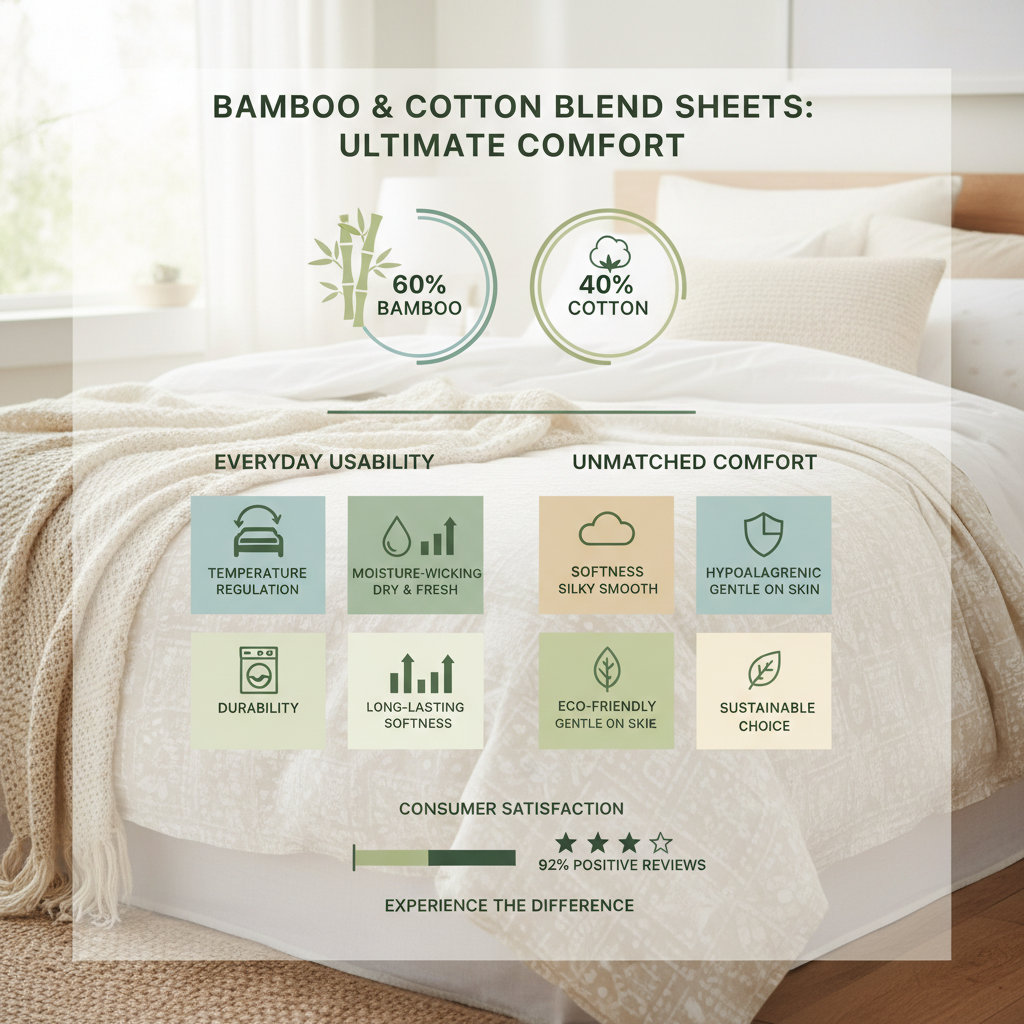
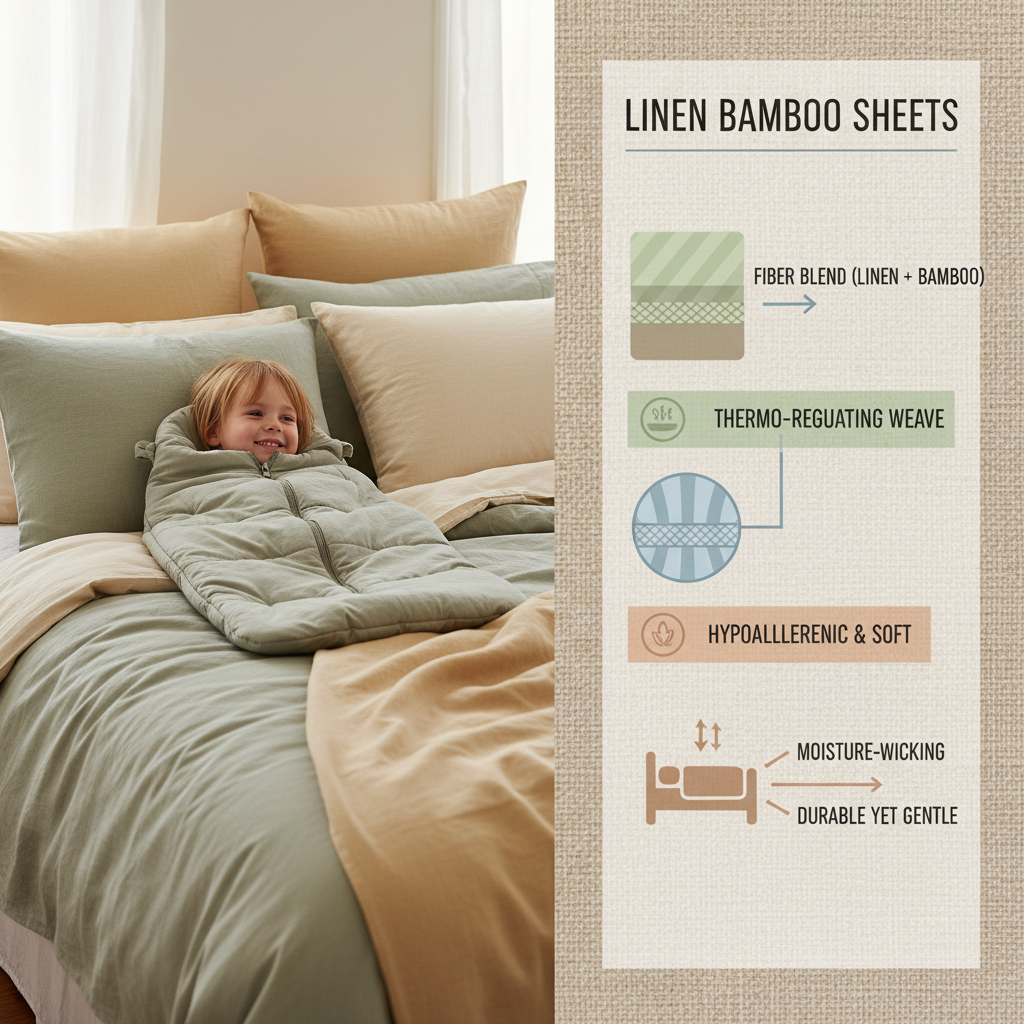
Bamboo and cotton blend sheets are textile products created by weaving together fibers derived from bamboo plants and cotton plants. The blend ratio can vary, with common combinations including 60% bamboo/40% cotton, 70% bamboo/30% cotton, and 80% bamboo/20% cotton. The percentage of each fiber influences the final characteristics of the sheet, with higher bamboo content generally resulting in greater softness, breathability, and moisture-wicking properties.
The bamboo fibers used in these sheets are typically sourced from the pulp of bamboo grass, which is then processed into rayon or viscose fibers. This process involves breaking down the bamboo cellulose and regenerating it into a usable fiber. While concerns have been raised about the environmental impact of rayon production, advancements in closed-loop systems are mitigating these concerns, resulting in more sustainable manufacturing processes.
Ultimately, bamboo and cotton blend sheets represent a harmonious balance between sustainable sourcing, enhanced comfort, and consumer affordability. They cater to a growing demand for ethical and high-quality bedding solutions, offering a compelling alternative to traditional cotton or synthetic materials.
Key Properties of Bamboo and Cotton Blend Sheets
Several key properties differentiate bamboo and cotton blend sheets from other bedding materials. Firstly, the inherent breathability of bamboo fibers allows for excellent air circulation, preventing overheating during sleep and promoting a comfortable body temperature. Secondly, bamboo possesses exceptional moisture-wicking capabilities, drawing moisture away from the body and keeping you dry throughout the night.
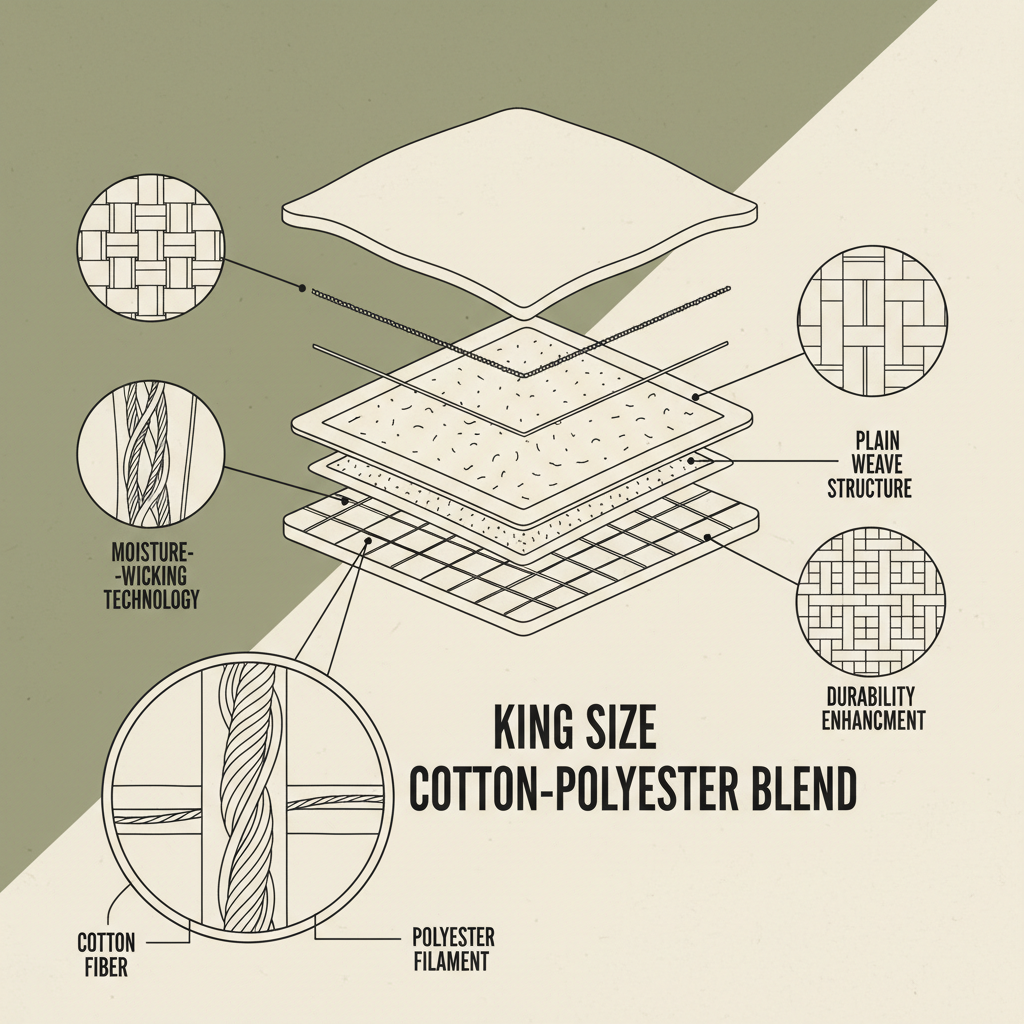
The addition of cotton enhances the softness and durability of the sheets. Cotton fibers provide structure and strength, preventing the bamboo fibers from being overly delicate. Furthermore, the blend often results in a fabric that is less prone to pilling compared to 100% bamboo sheets. The cotton also contributes to a more familiar and comforting feel for those accustomed to traditional cotton bedding.
Finally, bamboo is naturally hypoallergenic and antibacterial, making these sheets a suitable choice for individuals with sensitive skin or allergies. Bamboo fibers are resistant to dust mites and other allergens, contributing to a cleaner and healthier sleep environment. This combined set of properties positions bamboo and cotton blend sheets as a premium bedding option for a wide range of consumers.
Durability and Longevity of Bamboo and Cotton Blend Sheets
The longevity of bamboo and cotton blend sheets is a significant factor for consumers considering a purchase. While bamboo fibers are inherently strong, they can be more delicate than cotton. However, the blend with cotton significantly improves the overall durability of the sheets, making them resistant to tearing and wear.
Proper care is crucial to maximizing the lifespan of these sheets. Machine washing on a gentle cycle with cold water and mild detergent is recommended. Avoid using harsh chemicals or bleach, as these can damage the fibers. Tumble drying on low heat or air drying is also advised to prevent shrinking or damage.
Durability Ratings of Different Sheet Blends
Global Applications and Market Trends
The market for bamboo and cotton blend sheets is experiencing robust growth across several key regions. North America and Europe currently represent the largest markets, driven by increasing consumer demand for sustainable products and a growing awareness of the health benefits of bamboo.
Asia-Pacific is also a rapidly expanding market, particularly in countries like China and India, where bamboo cultivation is prevalent and the cost of production is relatively low. The increasing middle class in these regions is driving demand for higher-quality bedding options, including bamboo and cotton blends.
Advantages and Long-Term Value Proposition
The advantages of choosing bamboo and cotton blend sheets extend beyond comfort and sustainability. They offer a compelling long-term value proposition for consumers. Compared to high-thread-count cotton sheets, bamboo and cotton blends can offer similar levels of softness and luxury at a more competitive price point. Furthermore, the hypoallergenic and antibacterial properties of bamboo contribute to a healthier sleep environment, potentially reducing allergy symptoms and skin irritations.
From a sustainability perspective, choosing bamboo supports responsible forestry practices and reduces the environmental impact associated with conventional cotton production. The blend’s durability also contributes to its long-term value, reducing the need for frequent replacements and minimizing textile waste. The emotional appeal of sleeping in a naturally comfortable and ethically sourced product further enhances the value proposition.
Investing in bamboo and cotton blend sheets is not simply purchasing bedding; it's making a conscious choice towards a more comfortable, sustainable, and healthy lifestyle.
Future Innovations and Sustainability
The future of bamboo and cotton blend sheets is poised for further innovation in both materials and manufacturing processes. Research and development are focusing on improving the sustainability of rayon production, exploring alternative methods for extracting bamboo cellulose that minimize environmental impact.
Advancements in textile technology are also leading to new blending techniques and fiber treatments that enhance the performance and durability of these sheets. Digital printing and eco-friendly dyeing processes are gaining traction, reducing water consumption and eliminating harmful chemicals.
The integration of traceability technologies, such as blockchain, is also emerging as a means of ensuring transparency and accountability throughout the supply chain, allowing consumers to verify the origin and sustainability of their bedding products.
Summary of Sustainability Factors Affecting Bamboo and Cotton Blend Sheets
| Factor |
Bamboo Sourcing |
Cotton Production |
Manufacturing Process |
| Renewability |
High - Bamboo is a fast-growing resource. |
Moderate - Requires land and water resources. |
Moderate - Rayon production can be chemical-intensive. |
| Water Usage |
Low - Bamboo requires minimal irrigation. |
High - Cotton is a water-intensive crop. |
Moderate - Water is used in dyeing and finishing. |
| Pesticide Use |
Low - Bamboo naturally resists pests. |
High - Conventional cotton relies heavily on pesticides. |
Low - If using organic cotton. |
| Biodegradability |
High - Bamboo fibers are biodegradable. |
High - Cotton fibers are biodegradable. |
Moderate - Rayon can be biodegradable depending on the process. |
| Carbon Footprint |
Low - Bamboo absorbs CO2 during growth. |
Moderate - Cotton farming contributes to greenhouse gas emissions. |
Moderate - Transportation and manufacturing contribute to emissions. |
| Waste Generation |
Low - Bamboo processing produces minimal waste. |
Moderate - Cotton ginning generates waste. |
Moderate - Dyeing processes can generate wastewater. |
FAQS
Bamboo and cotton blend sheets offer several advantages over 100% cotton. They are typically more breathable and moisture-wicking due to the bamboo fibers, making them ideal for warmer climates or individuals who sleep hot. They also tend to be softer and more resistant to pilling. While 100% cotton is a classic choice, bamboo blends provide a more sustainable and often more comfortable option.
To maximize the lifespan of your bamboo and cotton blend sheets, wash them on a gentle cycle with cold water and a mild detergent. Avoid using bleach or fabric softeners, as these can damage the fibers. Tumble dry on low heat or, even better, air dry. Ironing is generally not necessary, but if you choose to iron, use a low heat setting.
Yes, bamboo is naturally hypoallergenic and antibacterial, making bamboo and cotton blend sheets a great choice for individuals with sensitive skin or allergies. The bamboo fibers resist dust mites and other allergens, contributing to a cleaner and healthier sleep environment. However, sensitivities can vary, so it’s always best to check with a doctor if you have specific allergies.
The sustainability of bamboo sourcing varies. Look for sheets made from bamboo grown and harvested responsibly, ideally with certifications like OEKO-TEX Standard 100 or Forest Stewardship Council (FSC). It’s also important to consider the rayon production process; closed-loop systems minimize environmental impact. Choosing reputable brands committed to sustainable practices is key.
Bamboo and cotton blend sheets generally fall into the mid-range price category. They are often more expensive than standard cotton sheets but less expensive than 100% bamboo or high-thread-count Egyptian cotton sheets. The price reflects the unique combination of benefits – comfort, sustainability, and durability – that these sheets offer.
Shrinkage is possible, especially with the first few washes. To minimize shrinkage, wash the sheets in cold water on a gentle cycle and tumble dry on low heat or air dry. Avoid high heat, as this can cause the fibers to shrink and the sheets to lose their shape. Following care instructions carefully will help maintain the size and quality of your sheets.
Conclusion
Bamboo and cotton blend sheets represent a compelling convergence of comfort, sustainability, and value. Their unique properties – breathability, moisture-wicking, hypoallergenic nature, and improved durability compared to 100% bamboo – make them a desirable choice for consumers seeking a better night's sleep while minimizing their environmental impact. The global market for these sheets is expanding rapidly, driven by increasing awareness of these benefits and a growing demand for eco-friendly products.
Looking ahead, continued innovation in sustainable sourcing and manufacturing processes will be crucial for further enhancing the appeal of bamboo and cotton blend sheets. Consumers are increasingly demanding transparency and accountability, so brands that prioritize ethical practices and environmental responsibility will be best positioned for success. Investing in these sheets isn’t just about upgrading your bedding; it’s about contributing to a more sustainable future.