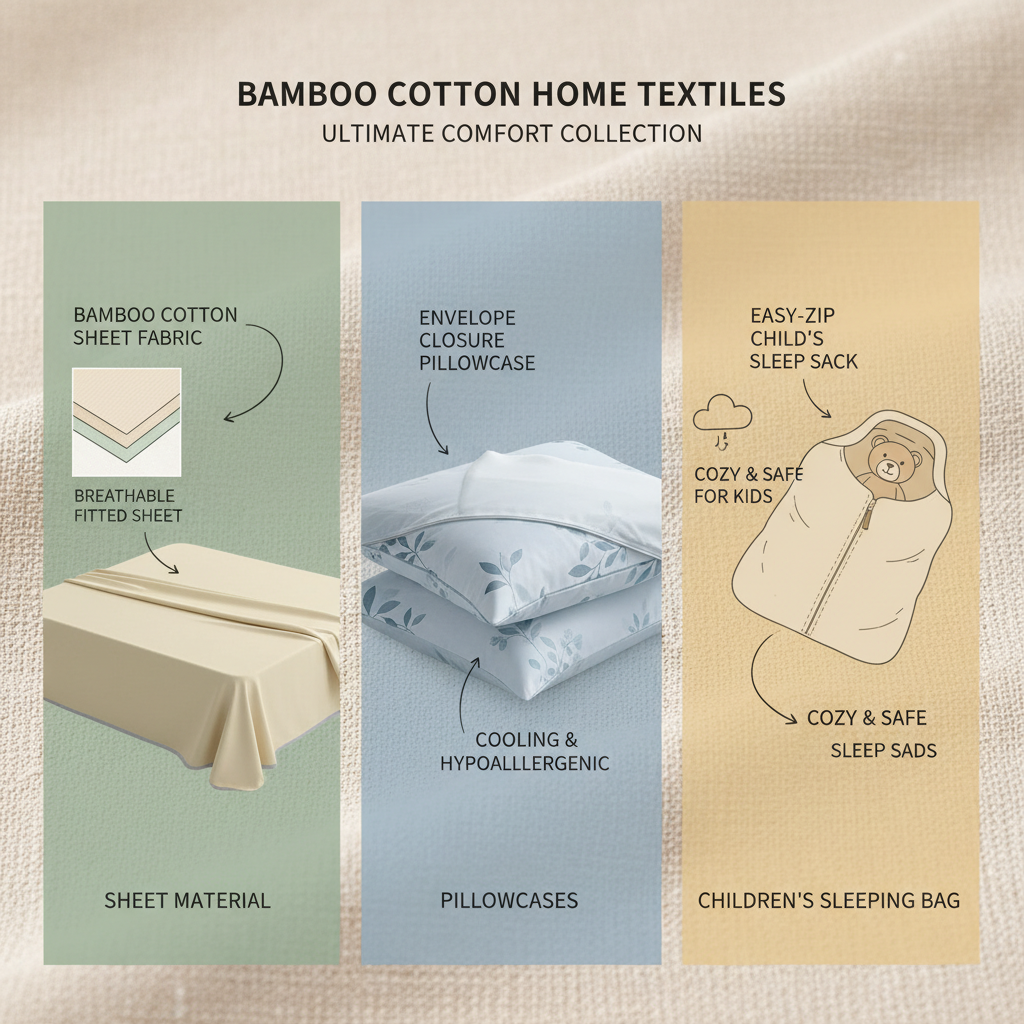


Look, honestly, these days everyone's talking about ‘smart’ bedding. Cotton and polyester blends, mostly. It's not like the old days where everything was just pure cotton – felt good, smelled good, but man, didn’t hold up. Now it’s all about finding the sweet spot, you know? Durability, cost, comfort…it’s a balancing act. We've been seeing a real push for better moisture-wicking, temperature regulation – people want to sleep cool, apparently. Have you noticed how everyone's obsessed with sleep tracking now? All these fancy fabrics trying to game the system.
The problem is, a lot of designers sit in offices, drawing things up. They don't get the material. They don't understand how it'll behave when it's been crammed into a shipping container for three months, or how a sweaty construction worker will treat it. It’s frustrating.
And the marketing… don't even get me started. They call everything ‘breathable’ and ‘hypoallergenic.’ Everything is! It’s tiring.
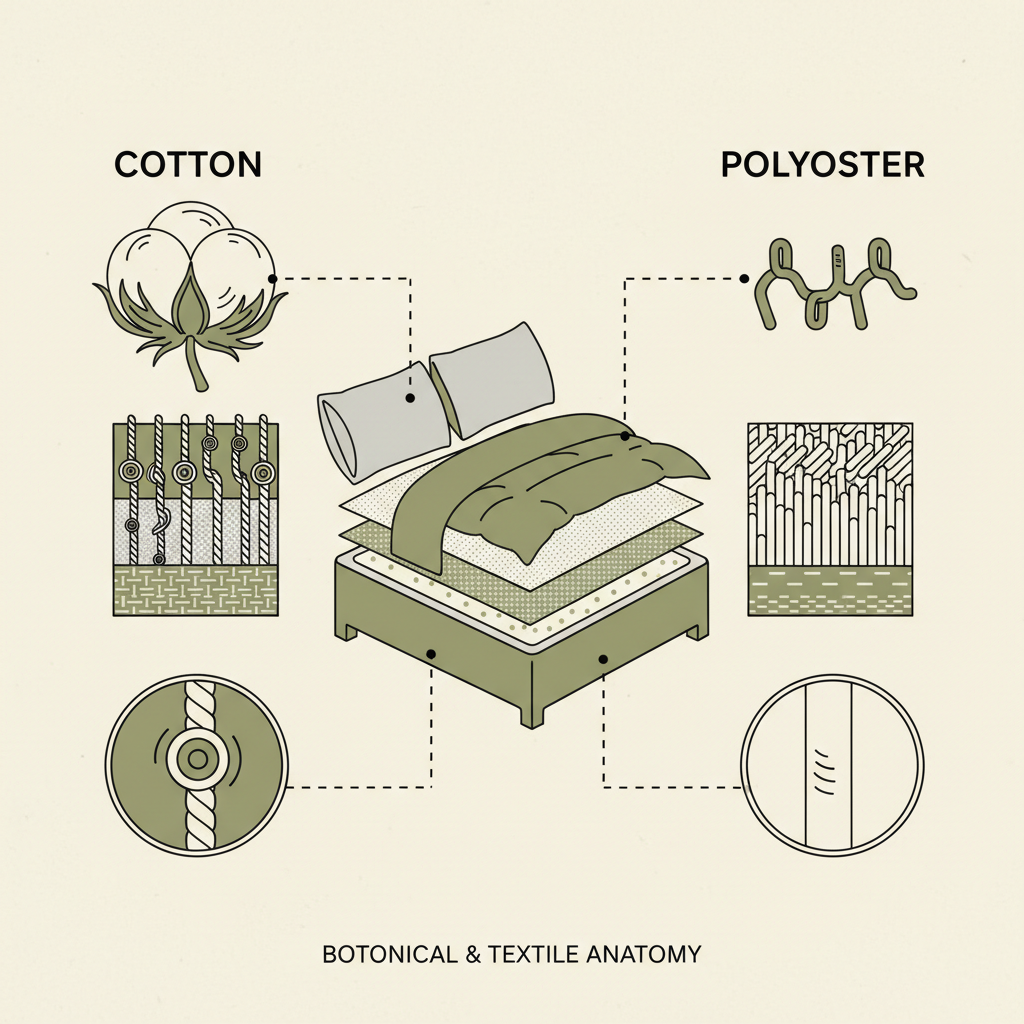
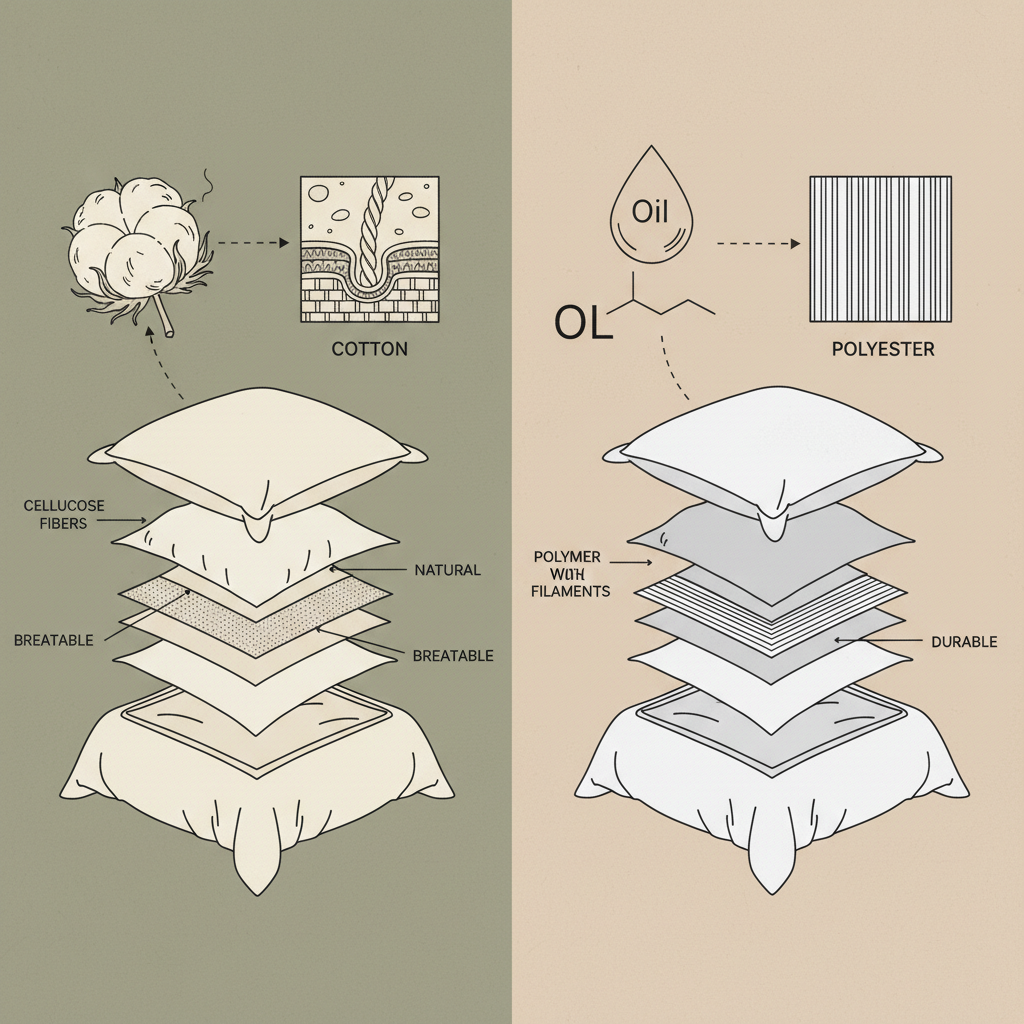
Strangely, we’re seeing a bit of a pendulum swing back towards higher cotton content, but with more sophisticated polyester weaves. People realized that 100% polyester feels... well, plasticky. Like sleeping in a bag. Now, the goal is to get the breathability of cotton with the durability of polyester. It’s complicated. A lot of mills are experimenting with recycled polyester now too, which is good. It still smells a little like melted bottles at the factory, though.
Anyway, I think the demand’s driven by the hospitality industry, honestly. Hotels need stuff that can withstand constant washing, bleach, you name it. Then it trickles down to consumers who want that same level of easy care.
For hot sleepers, a lower polyester content (around 40-50%) is generally better. The higher cotton percentage allows for more breathability, helping to wick away moisture and regulate temperature. Look for blends with a percale weave, as it’s lighter and cooler than sateen. It's still a compromise, but it can make a big difference.
Pilling is a common issue with these blends, especially after repeated washing. Washing sheets inside out, using a gentle cycle, and avoiding harsh detergents can help. Also, avoid washing them with abrasive fabrics like towels. A fabric shaver can remove existing pills, but prevention is key. The quality of the polyester fiber makes a difference too.
It's a mixed bag. Conventional cotton farming uses a lot of pesticides and water. Polyester is derived from petroleum. However, recycled polyester is becoming more common, which reduces the reliance on virgin materials. Look for certifications like OEKO-TEX to ensure the fabrics are free of harmful chemicals. It's not a perfect solution, but it's a step in the right direction.
Don’t get hung up on thread count! It's often inflated with these blends. Focus more on the quality of the materials and the weave. A thread count between 200-400 is generally sufficient for good quality cotton and polyester sheets. Higher doesn’t necessarily mean better. Feel the fabric – that’s the best indicator.
You can, but you probably don't need to. The polyester content helps resist wrinkles. If you do iron, use a low heat setting and iron inside out to avoid damaging the fibers. Honestly, most people don’t bother, and that's perfectly fine. Time is money, right?
The type of polyester makes a big difference. Microfiber polyester is incredibly soft, but can be less breathable. Recycled polyester can feel a bit rougher, but is a more sustainable option. Different deniers (fiber thickness) also affect the feel – lower deniers are softer and lighter. It’s subtle, but noticeable if you pay attention. It’s a lot to keep track of, I know.
Ultimately, cotton and polyester bedding is about finding the right balance. It's about durability, cost, comfort, and ease of care. There’s no perfect solution, but with careful material selection and a good understanding of the manufacturing process, you can get a product that performs well and lasts. It’s a compromise, sure, but it’s a compromise that works for a lot of people.
And look, at the end of the day, whether this thing works or not, the worker will know the moment he tightens the screw. That's what matters. Don't overthink it.



Address
1010, ZHONGYUAN BUILDING, NO.368 NORTH YOUYI STREET. SHIJIAZHUANG,HEBEI,CHINA.