close
0%

Table of Contents

Linen and bamboo sheets. Sounds simple, right? But after years spent crawling around construction sites, dealing with dust, humidity, and everything in between, I can tell you – the materials around you matter just as much as the steel and concrete. Good sleep is foundational for a team that's building something real, and that's where linen and bamboo sheets come in. They're not just a luxury; they're a performance enhancer. For folks who spend their days in the elements, coming home to breathable, comfortable bedding is a game-changer. You need to recover, and you need to recover well.

We're constantly looking for ways to improve efficiency on site, and that extends to the wellbeing of the crew. Tired workers make mistakes. Irritable workers don’t collaborate. And frankly, a crew that's uncomfortable off-site isn’t going to give you their best on-site. I've seen firsthand how simple things – a good lunch, a clean restroom, and yes, comfortable bedding – can drastically impact morale and productivity. Investing in the comfort of your team isn’t just ‘nice to have,’ it’s smart business.

The rise in demand for sustainable materials is also a huge factor. We’re all under pressure to build greener, more responsibly. Knowing that linen and bamboo are fast-growing, require less water and pesticides than cotton, and are biodegradable? That’s a selling point. Clients are asking about the entire lifecycle of materials, and that extends to where the workforce is sleeping, believe it or not.
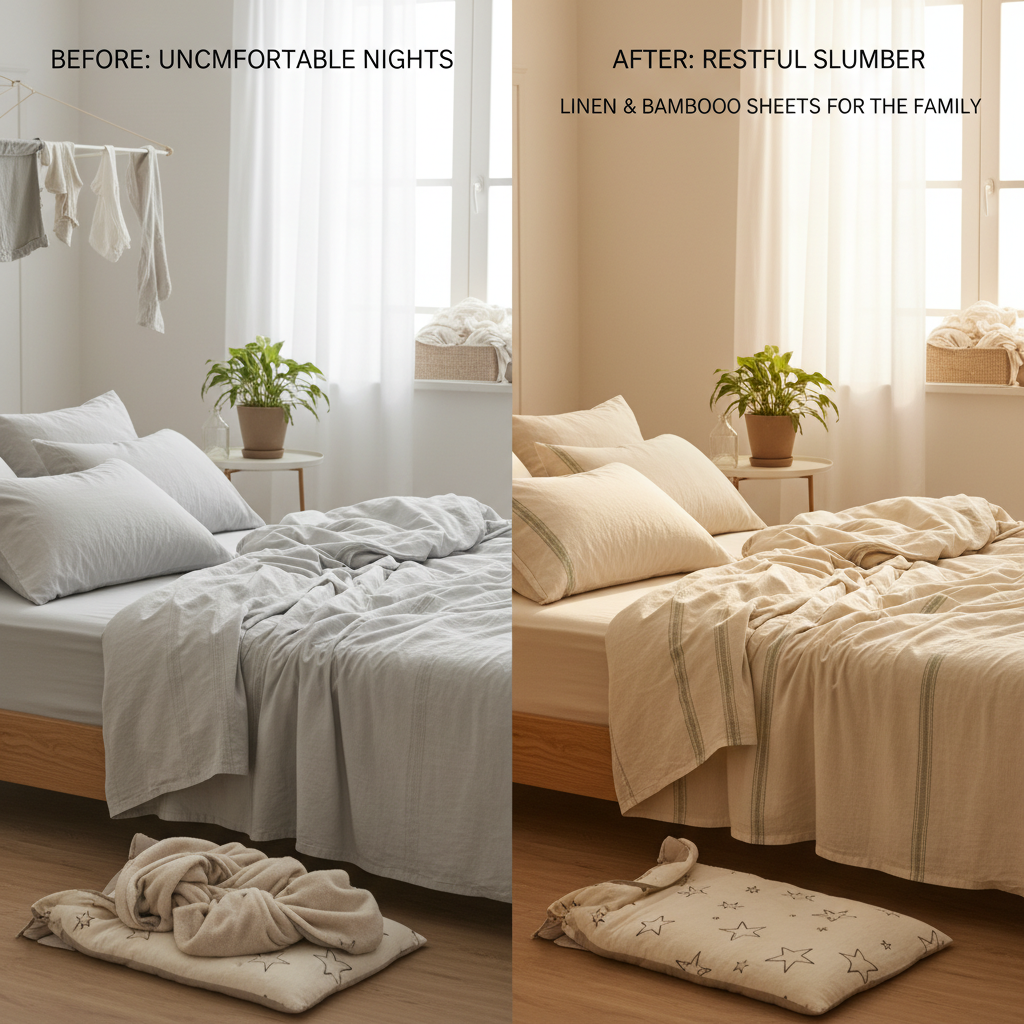
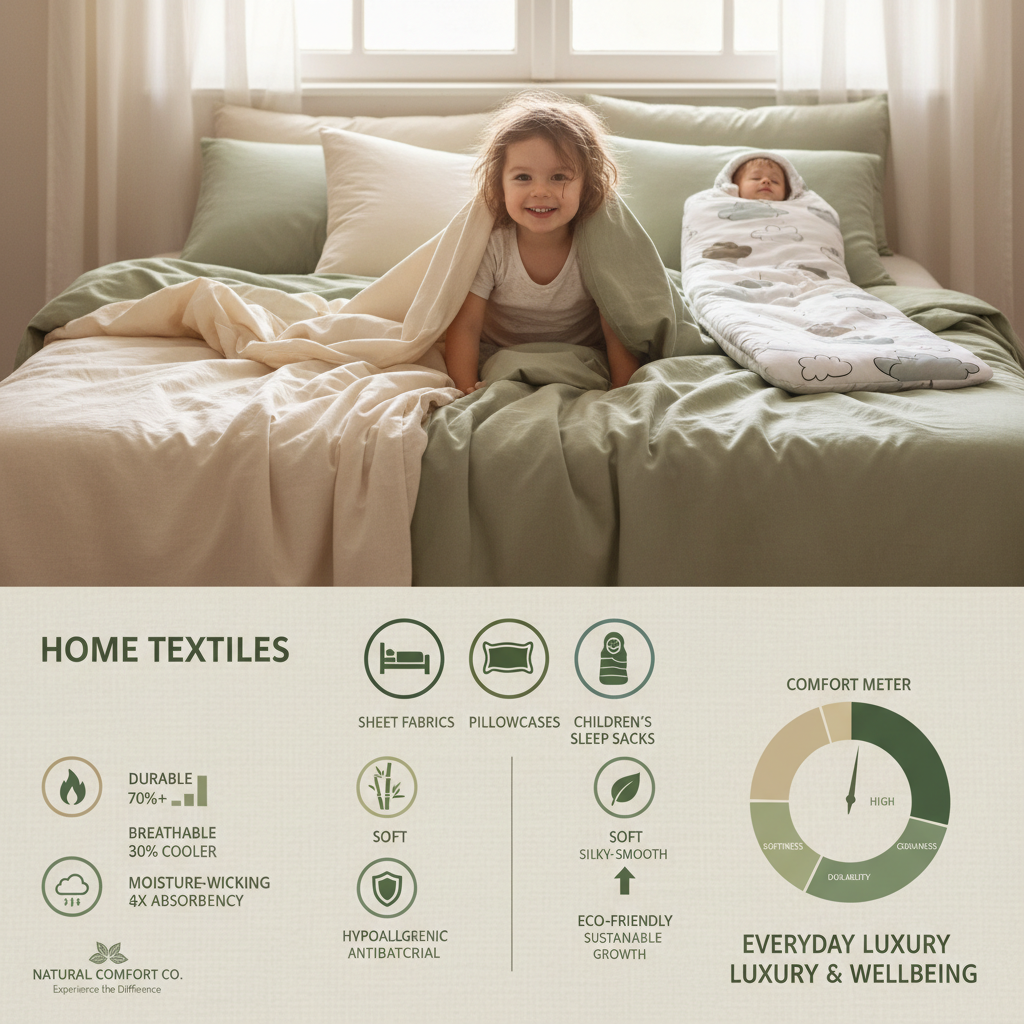
Investing in Workforce Wellbeing with Durable Linen and Bamboo Sheets

The Importance of Linen and Bamboo Sheets for Restorative Sleep

Investing in Workforce Wellbeing with Durable Linen and Bamboo Sheets

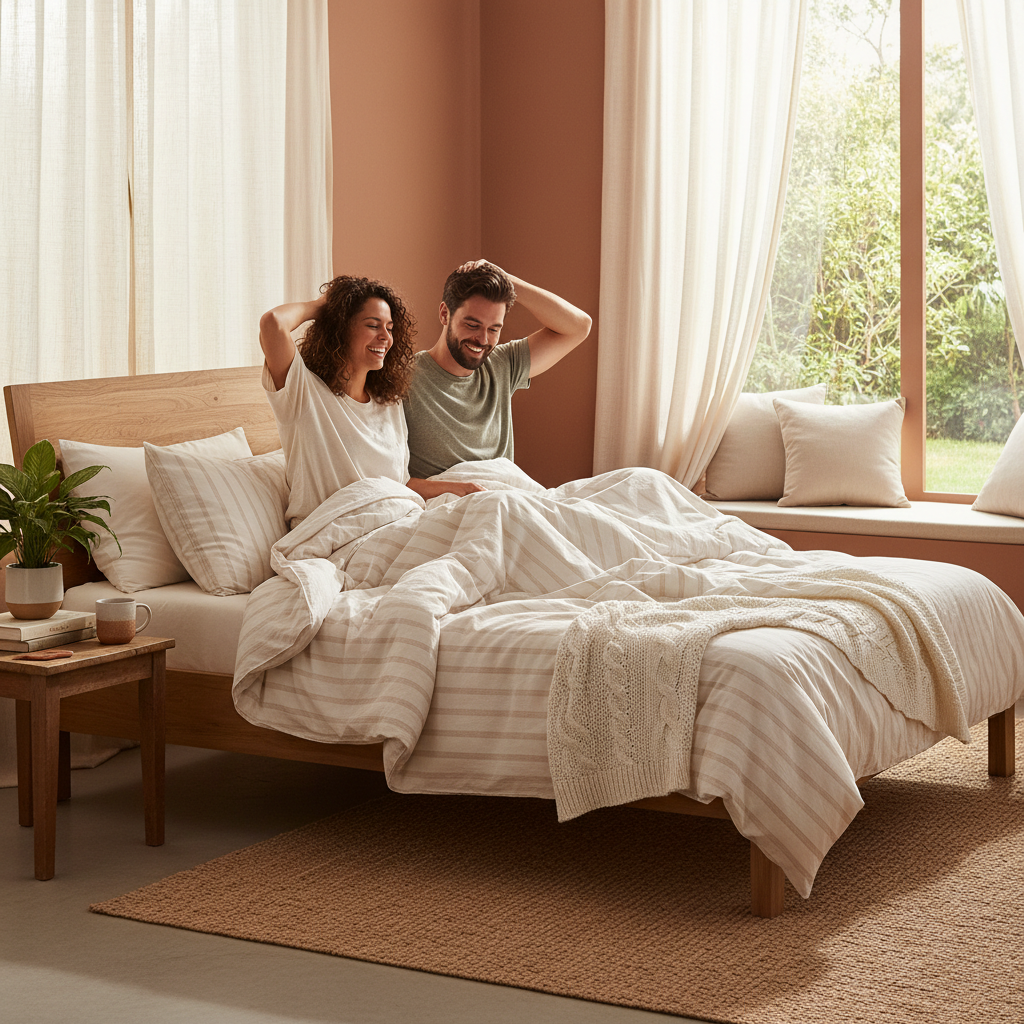
I've spent enough nights in temporary housing on job sites to know a bad night’s sleep when I have one. It's not just about comfort; it's about recovery. Linen and bamboo sheets excel at temperature regulation and moisture wicking, crucial for folks working physically demanding jobs in variable climates. They help maintain a comfortable body temperature, reducing tossing and turning, leading to deeper, more restorative sleep.

Forget those scratchy, synthetic sheets. Linen and bamboo feel good against the skin, reducing irritation and promoting relaxation. That translates to a crew that’s more alert, focused, and less prone to accidents. When you’re dealing with heavy machinery and complex tasks, a well-rested team isn't a luxury – it’s a safety requirement.

Global Relevance and Growing Demand

The construction industry is global, and the demand for comfortable and sustainable housing solutions for workers is skyrocketing. From remote mining operations in Australia to large-scale infrastructure projects in Southeast Asia, companies are realizing the need to provide decent living conditions for their workforce. Linen and bamboo sheets are increasingly specified in these projects as part of a broader commitment to employee wellbeing and environmental responsibility.

The UN Sustainable Development Goals, particularly those related to decent work and economic growth, are driving this shift. Companies are being held accountable for their social and environmental impact, and providing comfortable living conditions is part of that equation. It’s not just about checking boxes; it's about attracting and retaining skilled labor in a competitive market.

We’re seeing this particularly in regions where temperatures fluctuate dramatically, and humidity is high. Linen and bamboo's natural breathability makes them ideal for these climates, reducing the need for energy-intensive air conditioning and improving overall comfort.

Defining Linen and Bamboo Sheets: Materials and Construction

Linen is made from the fibers of the flax plant, a remarkably resilient crop that requires minimal water and pesticides. Bamboo, similarly, is a fast-growing grass that regenerates quickly and doesn’t require extensive resources. Both materials are naturally hypoallergenic and antibacterial, making them ideal for people with sensitive skin or allergies – a common concern in dusty construction environments.

The construction of the sheets themselves matters. Look for linen with a lower thread count (150-250 is generally ideal) – higher counts don’t necessarily mean better quality. Bamboo sheets are often made from bamboo viscose or lyocell; lyocell is the more environmentally friendly process. Woven construction, rather than knit, tends to be more durable and holds up better to repeated washing, which is critical in a work camp setting.

Understanding the difference between these materials and their production processes is key to making informed purchasing decisions. We're looking for sheets that are durable, comfortable, and have a minimal environmental impact. It’s not just about the initial cost; it’s about the lifecycle cost and the long-term benefits.

Key Factors: Durability, Breathability, and Sustainability

Let's be real: construction sites are tough on everything. Sheets need to withstand frequent washing, potential snags, and general wear and tear. Linen, in particular, is renowned for its durability. It actually improves with washing, becoming softer and more comfortable over time. Bamboo sheets are also reasonably durable, though they may not last quite as long as linen.

Breathability is crucial, especially in hot and humid climates. Both linen and bamboo excel in this area, allowing air to circulate and wicking away moisture, preventing overheating and discomfort. That’s what makes them superior to cotton or synthetic materials in many work environments.

Durability Comparison: Linen vs. Bamboo Sheets


Applications in Workforce Housing and Remote Camps

We’re increasingly specifying linen and bamboo sheets for workforce housing associated with large-scale construction projects, particularly in remote locations. These camps often lack the amenities of a traditional hotel, so providing comfortable bedding can significantly improve morale and attract skilled labor.

The benefit extends to disaster relief efforts too. Providing clean, comfortable bedding is a small but impactful way to restore dignity and promote recovery in challenging circumstances. These materials are easy to clean and maintain, which is critical in these situations.

Advantages: Cost-Effectiveness and Long-Term Value

Initial cost can be a concern, but you need to look at the long-term value. Linen sheets, while more expensive upfront, are incredibly durable and will last for years with proper care. Bamboo sheets offer a more affordable option, though they may need to be replaced more frequently.

The reduced need for air conditioning due to the breathability of these materials can also translate to cost savings over time. And let's not forget the intangible benefits – a well-rested and comfortable workforce is a more productive and engaged workforce, reducing errors and improving overall project outcomes.

From a sustainability standpoint, choosing linen and bamboo supports responsible farming practices and reduces reliance on resource-intensive cotton production. That’s a win-win for everyone.

Future Trends and Innovations in Sustainable Bedding

We’re seeing innovations in textile recycling and the development of closed-loop systems for linen and bamboo production. This means minimizing waste and maximizing resource utilization. There's also growing interest in blending these materials with other sustainable fibers, like hemp, to create even more durable and comfortable fabrics.

Digital traceability is another key trend. Knowing exactly where the materials come from and how they were produced is becoming increasingly important for companies committed to transparency and sustainability. This allows us to verify claims and ensure we’re supporting responsible suppliers.

And finally, advancements in fabric finishing techniques are enhancing the performance of linen and bamboo sheets, making them even softer, more durable, and more resistant to wrinkles and stains.

Analysis of the Benefits and Challenges of Linen and Bamboo Sheets

Material Cost (Initial) Durability (Rating 1-10) Sustainability Impact
Linen High 9 Very Low
Bamboo (Viscose) Medium 7 Moderate
Bamboo (Lyocell) Medium-High 8 Low
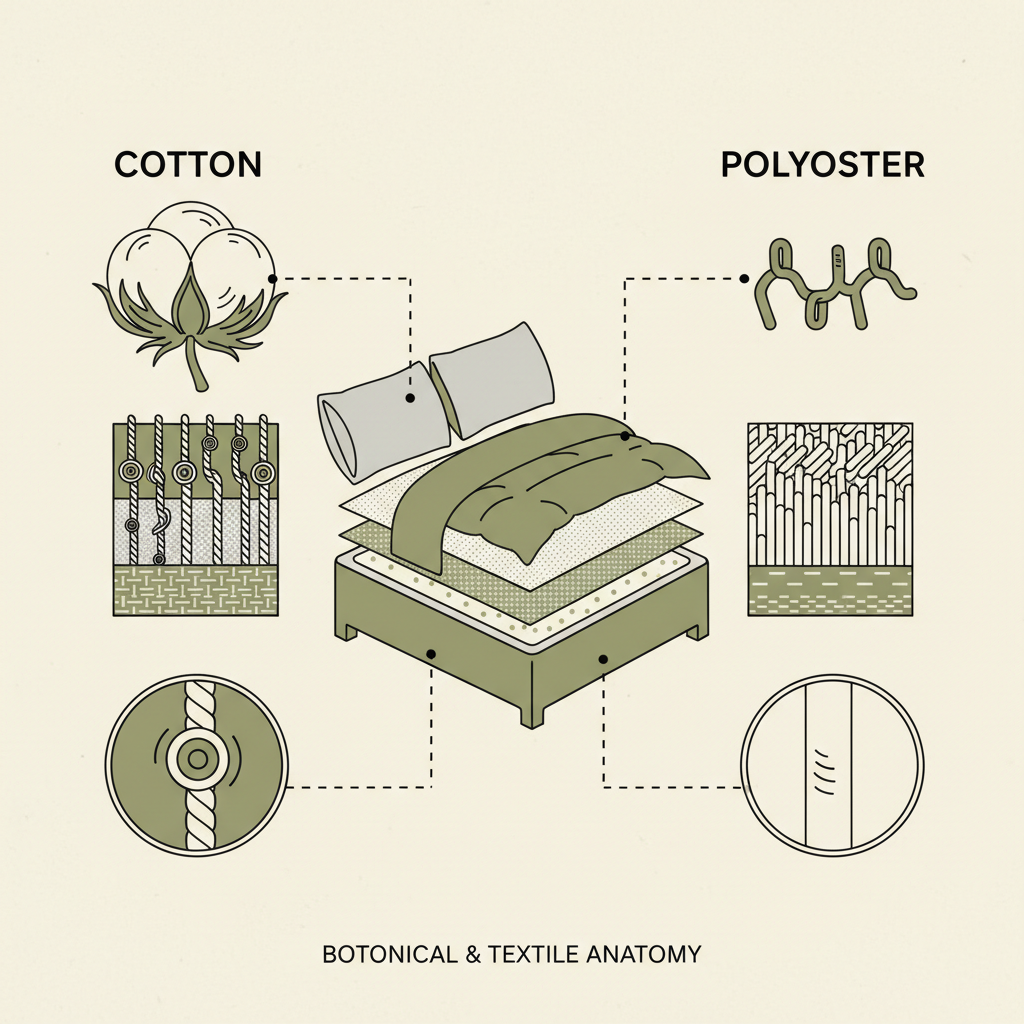
Cotton (Conventional) Low 6 High
Cotton (Organic) Medium 7 Moderate
Microfiber (Polyester) Very Low 5 Very High

FAQS

What's the best way to care for linen and bamboo sheets in a camp setting?

Linen and bamboo sheets are surprisingly easy to care for. Wash them in cool or lukewarm water with a mild detergent. Avoid bleach and fabric softeners, as these can damage the fibers. Tumble dry on low heat or hang to dry. Regular washing actually improves the softness of linen. For bamboo, a gentle cycle is always best. With limited laundry facilities in remote camps, focusing on stain removal promptly is key.

Are linen and bamboo sheets more expensive than cotton sheets?

Generally, yes, the initial cost is higher. However, consider the long-term value. Linen is incredibly durable and can last for decades with proper care. Bamboo is a bit less expensive than linen but still pricier than conventional cotton. The reduced need for replacement, plus the potential for cost savings on air conditioning, can offset the higher upfront investment. Think of it as an investment in worker wellbeing and sustainability, not just a bedding purchase.

How do these sheets perform in hot and humid climates?

Linen and bamboo sheets excel in hot and humid conditions. Both materials are highly breathable and wick away moisture, keeping you cool and comfortable. This is crucial for workers who spend their days in physically demanding jobs in warm climates. They're a far superior option to cotton or synthetic materials, which can trap heat and lead to discomfort.

What's the difference between bamboo viscose and bamboo lyocell?

Both bamboo viscose and bamboo lyocell are made from bamboo pulp, but the production processes differ significantly. Bamboo lyocell is considered more environmentally friendly as it uses a closed-loop system that recycles the solvents used in the process. Bamboo viscose, while still a more sustainable option than conventional cotton, can have a higher environmental impact due to solvent waste.

Are these sheets hypoallergenic?

Yes, both linen and bamboo are naturally hypoallergenic and antibacterial, making them a good choice for people with sensitive skin or allergies. This is particularly important in environments where dust and allergens are prevalent, like construction sites or remote camps. They’re less likely to trigger allergic reactions compared to synthetic materials.

Where can I source high-quality linen and bamboo sheets for workforce housing?

Finding reliable suppliers is key. Look for companies that prioritize sustainability and ethical sourcing. Consider exploring wholesale options to get the best pricing. You can also find reputable suppliers through industry trade shows and online directories. Don't hesitate to request samples and check certifications to ensure the quality and sustainability of the materials. I also recommend researching linen and bamboo sheets for wholesale options.

Conclusion

Linen and bamboo sheets aren’t just about comfort; they’re about investing in your team, prioritizing sustainability, and making smart long-term decisions. They offer a unique combination of durability, breathability, and environmental responsibility that sets them apart from traditional bedding materials. In demanding work environments, a good night’s sleep translates to increased productivity, reduced errors, and improved morale.

The future of bedding is undoubtedly sustainable. As awareness of environmental issues grows, and as companies are held increasingly accountable for their impact, materials like linen and bamboo will become even more prevalent. I encourage you to consider these options for your workforce housing, disaster relief efforts, and beyond. To learn more about high-quality linen and bamboo sheet options, visit our website: www.bedencasement.com.
Arthur “Art” McMillan

Arthur “Art” McMillan

Arthur McMillan is the Customer Service Manager at Hebei Spring-Tex. He leads a dedicated team that provides 24/7 online support to customers worldwide. Art is passionate about ensuring customer satisfaction and is committed to resolving any issues promptly and effectively. He’s a strong advocate for building long-lasting relationships with clients,
Previous Discover the Luxurious Comfort of Linen Bamboo Blend Sheets for Restful Sleep
Next Discover the Benefits of Linen and Bamboo Bedding for Restful Sleep
 Can't Find The Products And Services You Need?
Can't Find The Products And Services You Need?
If you need our help,
Our staff will be happy to help and answer your questions!
The factory processes raw materials into finished products using advanced machinery and skilled labor.
We provide collaborative services tailored to client needs, ensuring seamless communication and mutual growth.
Our innovative products are bestsellers worldwide, celebrated for their exceptional quality, reliability, and global appeal.
Our customer service team provides 24/7 online support, ensuring prompt assistance and satisfaction for all inquiries.

Address

1010, ZHONGYUAN BUILDING, NO.368 NORTH YOUYI STREET. SHIJIAZHUANG,HEBEI,CHINA.

If you are interested in our products, you can choose to leave your information here, and we will be in touch with you shortly.