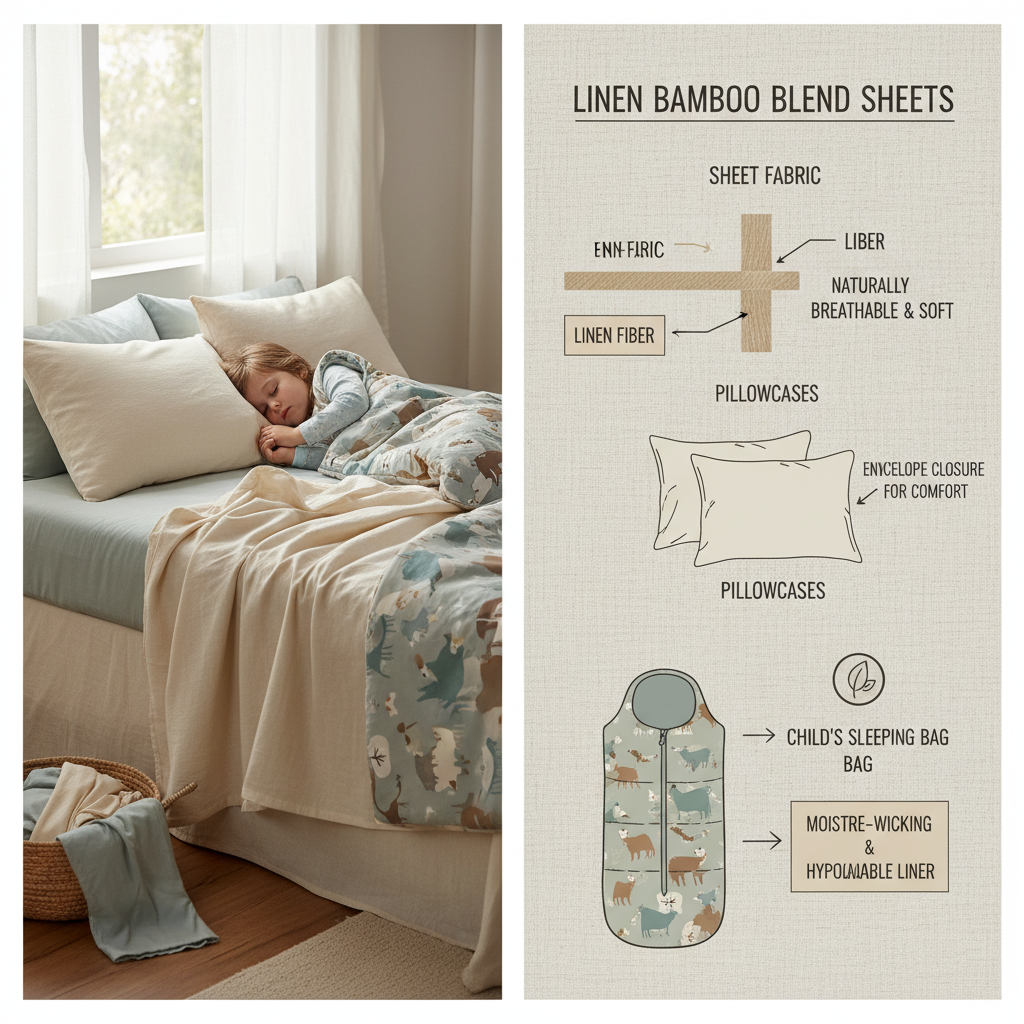
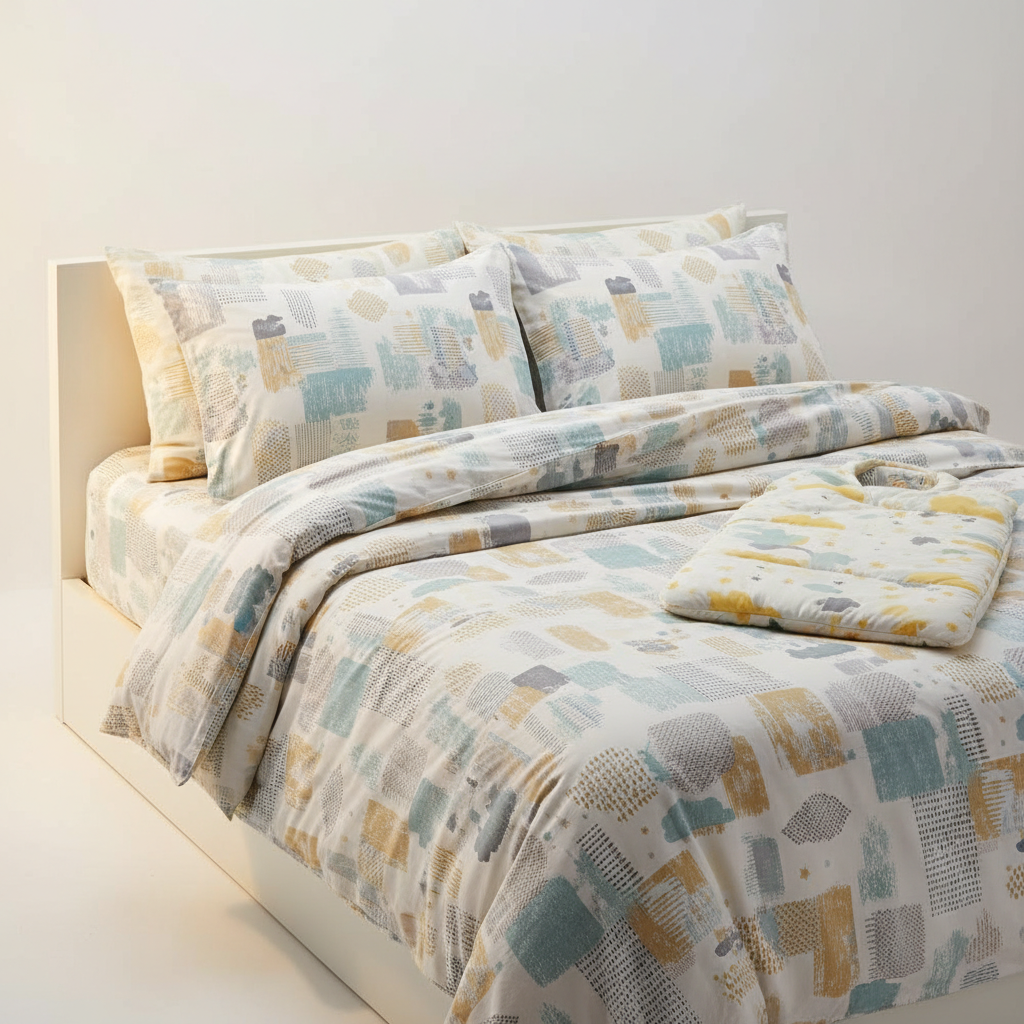
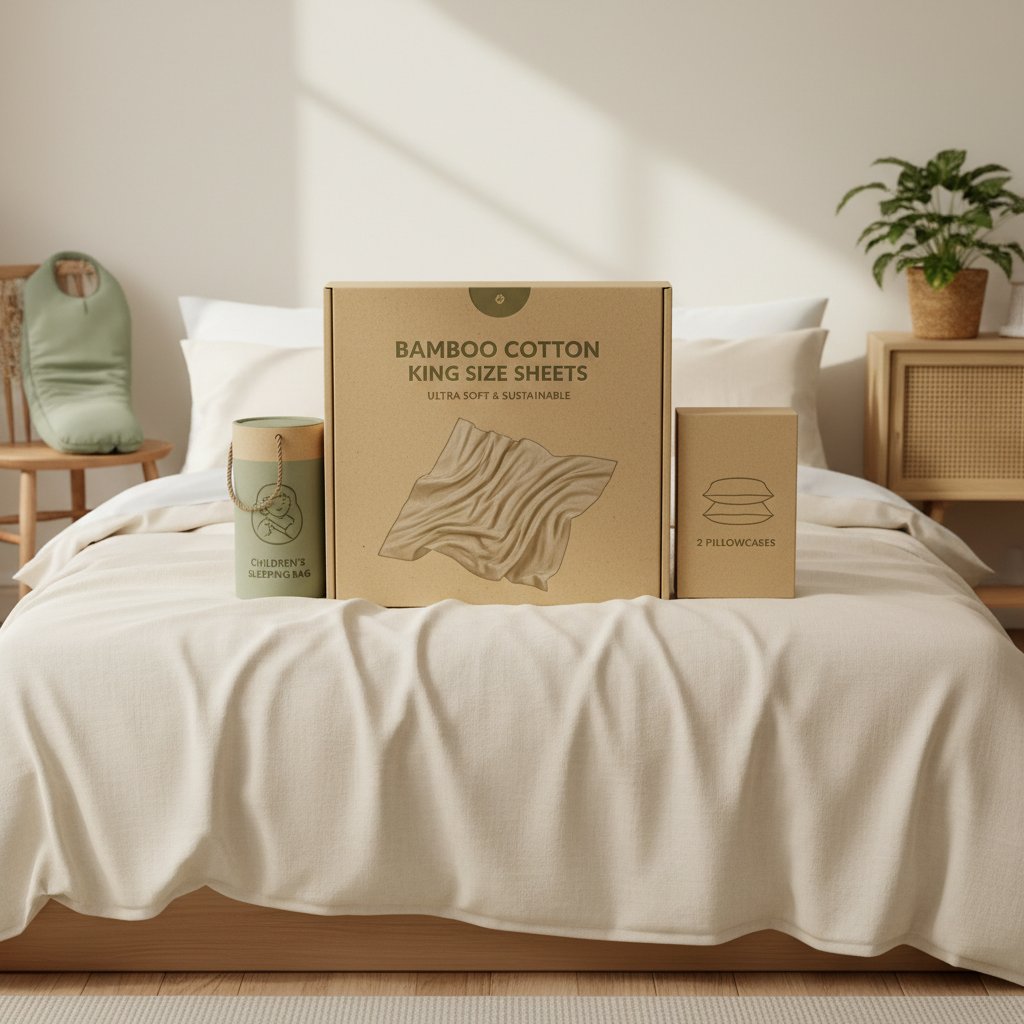
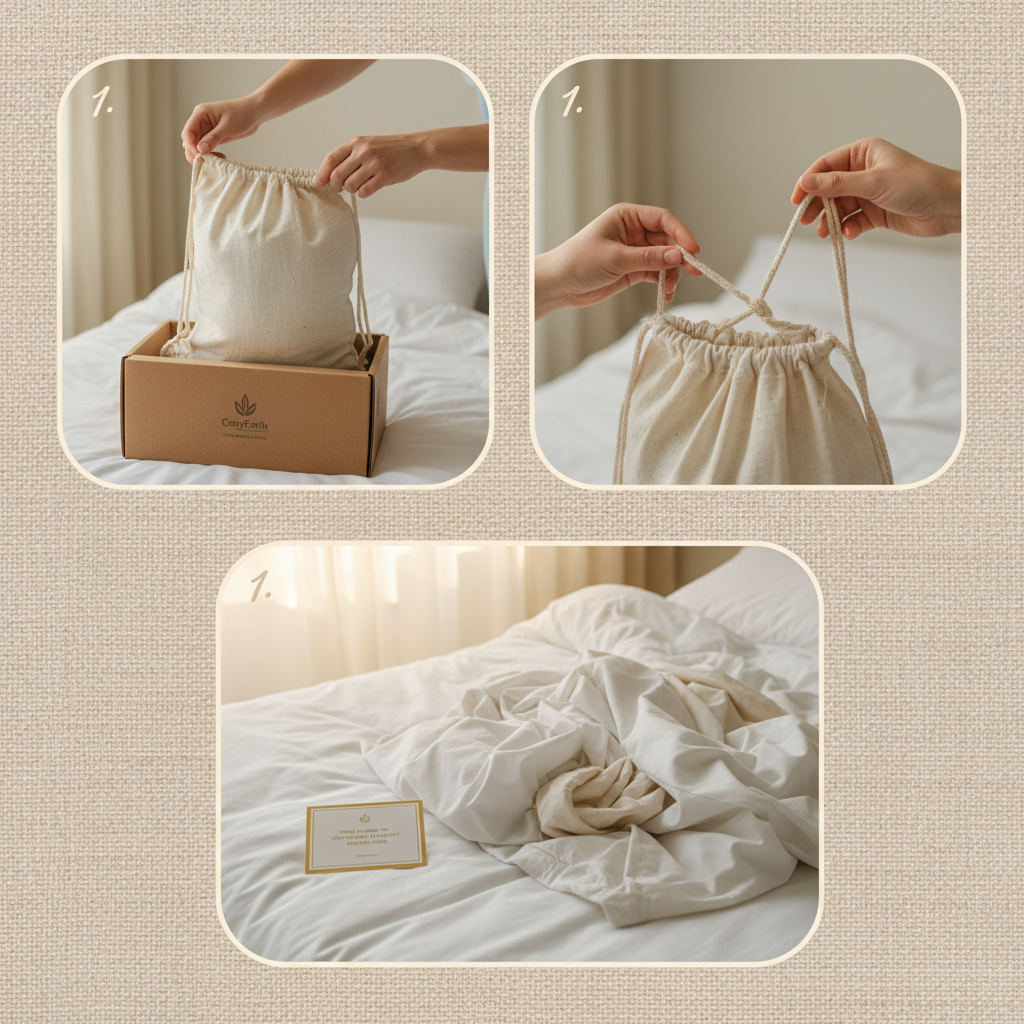
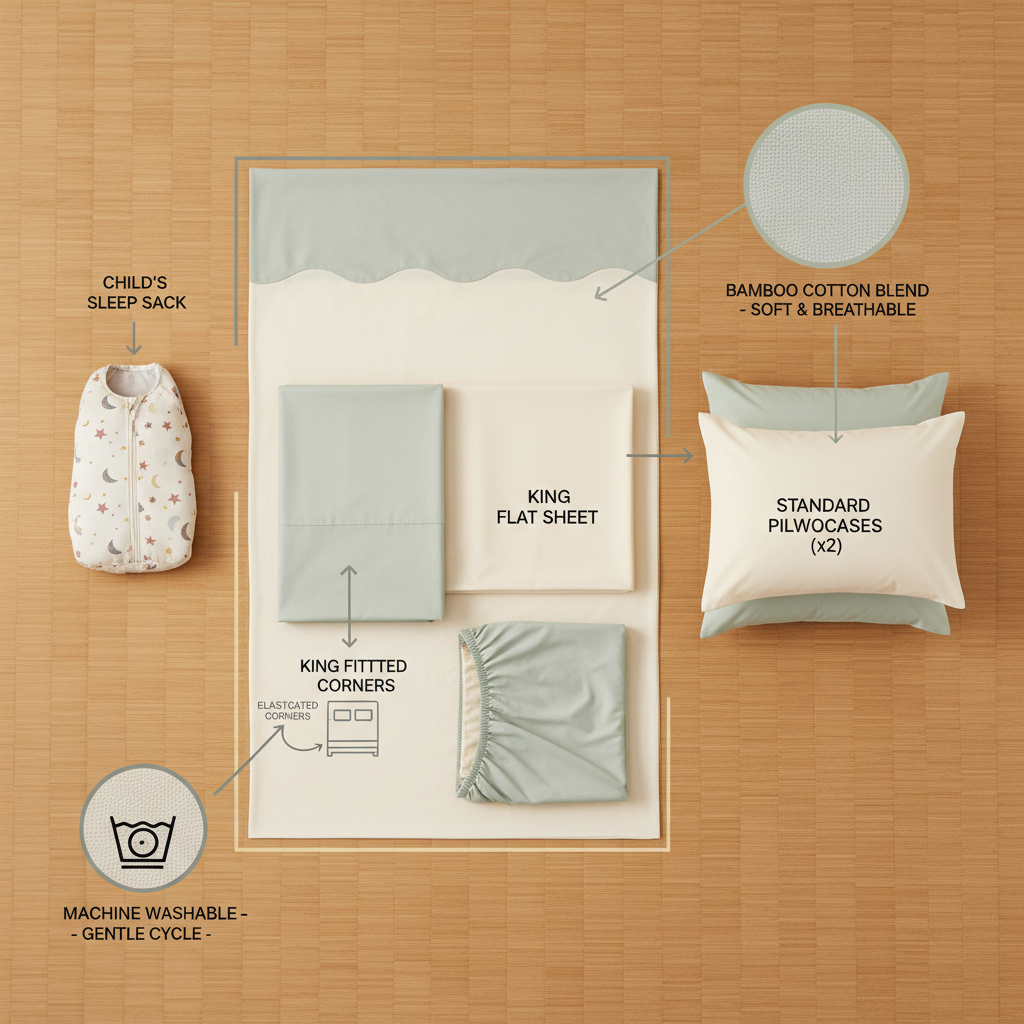
Linen bamboo blend sheets represent a growing trend in the bedding industry, offering a luxurious and sustainable alternative to traditional cotton. The unique combination of linen’s strength and breathability with bamboo’s softness and eco-friendliness provides a sleep experience that is both comfortable and responsible. This blend addresses a rising consumer demand for ethically sourced and high-performance bedding solutions.
Globally, the textile industry faces increasing scrutiny regarding its environmental impact. Linen bamboo blend sheets offer a solution by utilizing rapidly renewable resources – bamboo – and a fiber, linen, known for its low water and pesticide usage during cultivation. This positions the blend as a key component in promoting sustainable practices within the home textile market, particularly as consumers become more aware of their carbon footprint.
The increasing popularity of linen bamboo blend sheets is driven by a desire for a more natural and comfortable sleep environment. These sheets are not just a product; they represent a shift towards mindful consumption and a commitment to both personal wellbeing and planetary health.
The Global Rise of linen bamboo blend sheets
The global demand for sustainable textiles is experiencing exponential growth, fueled by increased environmental awareness and changing consumer preferences. According to a report by the Textile Exchange, the market for preferred fibers, including linen and bamboo, has seen a consistent increase of 15-20% annually over the past five years. Linen bamboo blend sheets are perfectly positioned to capitalize on this trend.
This rising demand is not limited to developed nations; emerging economies are also showing a growing interest in eco-friendly products. Data from the UN Comtrade database indicates a significant increase in imports of bamboo textiles to countries in Southeast Asia and South America, suggesting a broadening global market for this material. This expansion is driven by both consumer demand and government initiatives promoting sustainable manufacturing.
Defining Linen Bamboo Blend Sheets
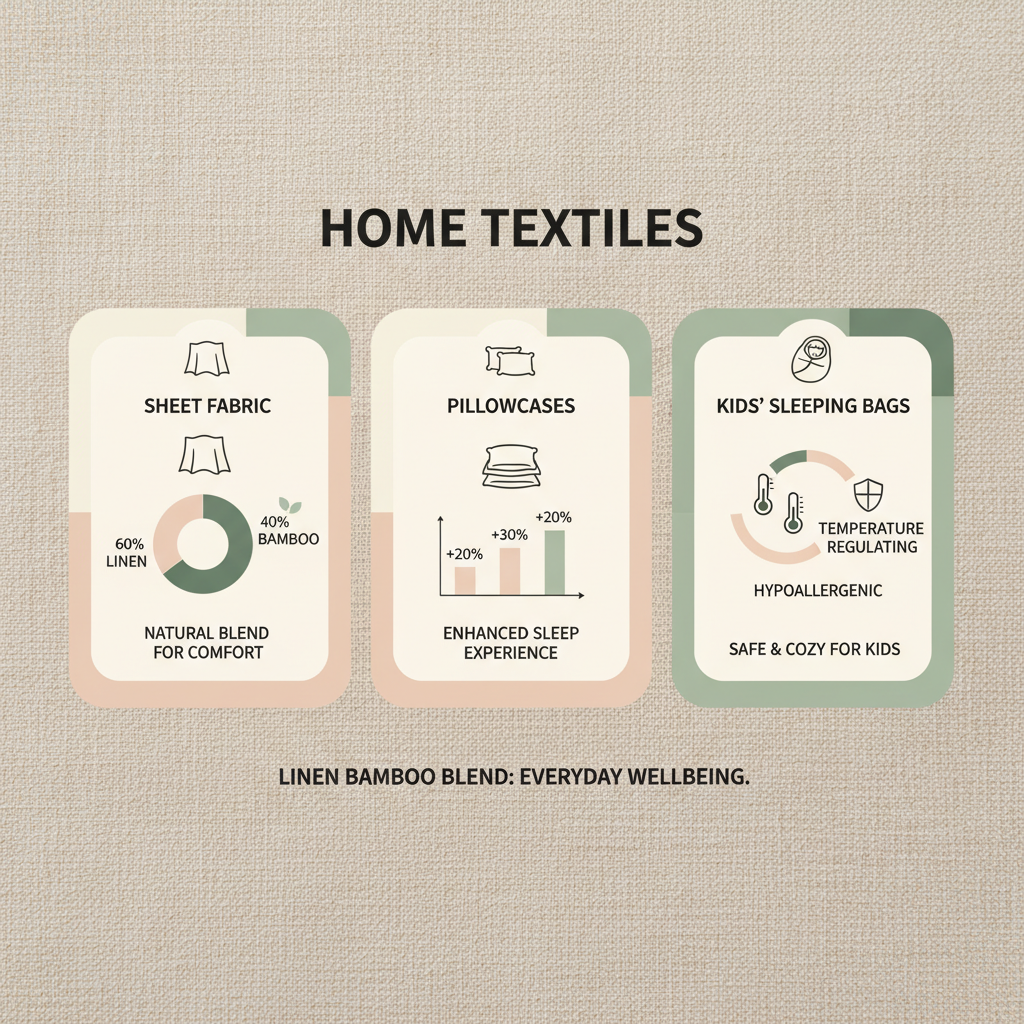
Linen bamboo blend sheets are a textile product created by combining the natural fibers of the flax plant (linen) with the cellulose fibers derived from bamboo. Typically, the blend consists of a varying percentage of each fiber, with common ratios being 55/45 or 60/40 (linen/bamboo), although other combinations exist to tailor specific characteristics. This blend aims to harness the best qualities of both materials.
The production process involves breaking down bamboo into a pulp, which is then spun into fibers, while linen fibers are extracted from the flax plant stem. These fibers are then woven together to create the fabric used for sheets. The resulting material offers a unique combination of properties – the strength and durability of linen, coupled with the silky softness and moisture-wicking capabilities of bamboo. Linen bamboo blend sheets present a solution to the limitations of individual fabrics.
This blend directly addresses the need for more sustainable and comfortable bedding options within the broader textile industry. By utilizing renewable resources and minimizing environmental impact, it contributes to a more responsible and ethical supply chain, aligning with growing consumer demand for eco-conscious products.
Core Characteristics of linen bamboo blend sheets
The defining characteristic of linen bamboo blend sheets is their exceptional breathability. Linen fibers are naturally porous, allowing for excellent air circulation, while bamboo fibers possess micro-gaps that enhance this effect. This makes these sheets ideal for warm sleepers or those living in warmer climates, promoting a more comfortable and restful sleep.
Another key characteristic is the inherent softness. Bamboo fibers are known for their incredibly smooth texture, often compared to silk or cashmere. When blended with linen, the resulting fabric retains a significant degree of softness, mitigating the sometimes coarser feel of pure linen. This provides a luxurious sleep experience without sacrificing the benefits of linen’s durability.
Furthermore, these sheets exhibit excellent moisture-wicking properties. Bamboo fibers are highly absorbent, drawing moisture away from the body and promoting evaporation. This helps regulate body temperature and prevents overheating, contributing to a more comfortable sleep environment. This is particularly beneficial for individuals who experience night sweats or live in humid climates.
Performance Metrics of linen bamboo blend sheets
Evaluating the performance of linen bamboo blend sheets requires considering several key metrics, including durability, temperature regulation, and shrinkage. Durability tests consistently show that the linen component significantly enhances the lifespan of the fabric, making it resistant to wear and tear.
Temperature regulation is another crucial performance area. Studies indicate that linen bamboo blends offer superior thermal comfort compared to 100% cotton, maintaining a cooler sleep surface during warmer months and providing adequate warmth during colder seasons. This makes them a versatile option for year-round use.
Performance Comparison of Different Bed Sheet Blends
Global Applications and Market Segments
The market for linen bamboo blend sheets is expanding across diverse geographic regions and consumer segments. In North America and Europe, the demand is driven by affluent consumers seeking luxurious and sustainable bedding options. These regions also exhibit a strong preference for hypoallergenic and eco-friendly products.
In Asia-Pacific, particularly in countries like Japan and South Korea, the focus is on the health and wellness benefits of bamboo fiber. These consumers prioritize products that offer moisture-wicking properties and promote a comfortable sleep environment. Furthermore, the rising middle class in these regions is driving increased spending on premium home textiles.
Long-Term Value and Sustainability
Investing in linen bamboo blend sheets offers substantial long-term value, extending beyond immediate comfort. The inherent durability of linen ensures a longer product lifespan compared to conventional cotton sheets, reducing the need for frequent replacements and minimizing textile waste. This contributes to a more sustainable consumption pattern.
From an environmental perspective, both linen and bamboo are considered sustainable resources. Linen requires minimal water and pesticides to grow, while bamboo is a rapidly renewable resource with a high yield per acre. Choosing these sheets supports responsible agricultural practices and reduces the environmental impact of the textile industry.
Future Trends and Innovation in Linen Bamboo Textiles
The future of linen bamboo textiles lies in continued innovation and technological advancements. Researchers are exploring new weaving techniques to further enhance the softness and drape of the fabric, while maintaining its durability. Developments in fiber processing are also aimed at reducing the environmental impact of production.
Another emerging trend is the incorporation of natural dyes and finishes to further enhance the sustainability of linen bamboo blend sheets. These eco-friendly alternatives eliminate the use of harmful chemicals, making the product even more appealing to environmentally conscious consumers.
Furthermore, the integration of smart textile technologies, such as temperature-regulating fibers and moisture sensors, could create a new generation of high-performance bedding solutions that cater to individual sleep needs.
Analysis of Factors Influencing the Longevity and Quality of Linen Bamboo Blend Sheets
| Fiber Blend Ratio |
Weaving Density (Threads per Inch) |
Finishing Treatment |
Washing Frequency & Method |
| 60/40 (Linen/Bamboo) |
250-300 |
Enzyme Wash for Softness |
Gentle cycle, cool water, mild detergent (2 times/month) |
| 55/45 (Linen/Bamboo) |
300-350 |
Bio-Polish for Enhanced Softness |
Hand wash or delicate cycle (1 time/month) |
| 70/30 (Linen/Bamboo) |
200-250 |
No Finishing Treatment |
Gentle cycle, cool water (3 times/month) |
| 50/50 (Linen/Bamboo) |
350-400 |
Silicone Wash for Smoothness |
Machine wash, warm water (4 times/month) |
| 65/35 (Linen/Bamboo) |
280-320 |
Mercerized Finish for Strength |
Dry clean only |
| 45/55 (Linen/Bamboo) |
320-360 |
Pre-Shrunk Treatment |
Machine wash, cold water (5 times/month) |
FAQS
Linen bamboo blend sheets offer several advantages over 100% cotton. They are significantly more breathable due to the porous nature of both linen and bamboo fibers, leading to better temperature regulation. Bamboo also contributes a silky softness lacking in many cotton varieties. Importantly, they’re a more sustainable option, requiring less water and pesticides in production than conventional cotton. This translates into a more comfortable and eco-friendly sleep experience.
To ensure the longevity of your linen bamboo blend sheets, wash them in cool or lukewarm water on a gentle cycle. Use a mild detergent, avoiding bleach or fabric softeners. Tumble dry on low heat or hang to dry. Ironing on a low setting is optional. Avoid over-washing, as this can weaken the fibers over time. Proper care will help maintain their softness and prevent shrinkage.
Yes, linen bamboo blend sheets are naturally hypoallergenic, making them an excellent choice for individuals with sensitive skin or allergies. Bamboo fibers possess inherent antibacterial properties, inhibiting the growth of dust mites and other allergens. Linen is also known for its breathability, which helps prevent moisture buildup that can exacerbate skin irritations.
Linen, by its nature, is prone to wrinkling. However, the addition of bamboo fibers helps mitigate this somewhat. While they may not be completely wrinkle-free, the wrinkles typically have a relaxed, lived-in look. Ironing on a low setting can remove wrinkles if desired, but many people appreciate the natural texture of the fabric.
The environmental impact is significantly lower compared to many other textile materials. Bamboo is a rapidly renewable resource that requires minimal water and pesticides. Linen also has a lower environmental footprint than cotton. The production processes for both fibers are generally less energy-intensive, making linen bamboo blend sheets a more sustainable choice.
Linen bamboo blend sheets excel at temperature regulation. The breathability of both linen and bamboo allows for excellent air circulation, keeping you cool in the summer and warm in the winter. Bamboo's moisture-wicking properties prevent overheating and promote a comfortable sleep temperature year-round. These sheets are a versatile option for all seasons.
Conclusion
In conclusion, linen bamboo blend sheets represent a significant advancement in bedding technology, offering a unique combination of comfort, sustainability, and durability. Their breathability, softness, and moisture-wicking properties contribute to a superior sleep experience, while their eco-friendly production aligns with growing consumer demand for responsible products. From reduced environmental impact to enhanced personal wellbeing, the benefits are multifaceted.
As innovation continues and consumer awareness increases, the demand for linen bamboo blend sheets is poised for further growth. Investing in these sheets is not merely purchasing bedding; it's making a conscious choice to prioritize both personal comfort and planetary health. Explore the range of options available and discover the difference that linen bamboo blend sheets can make in your sleep and your lifestyle.