



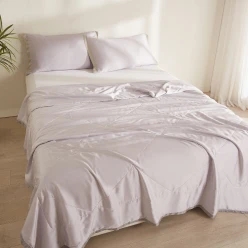



The Growing Importance of Cotton Rich Duvet Covers and Pillowcase Sets
In a world that’s becoming increasingly aware of sustainable living and the small comforts that matter, the humble cotton rich duvet cover and pillowcase set has quietly gained attention. But why should a simple bedding choice matter globally? Cotton rich textiles — blends that combine the natural breathability of cotton with the durability of synthetic fibers — are striking a balance between comfort, affordability, and environmental care. For manufacturers, consumers, and industries alike, understanding what these sets bring to the table could improve everything from sleep quality to supply chain sustainability.
Globally, the textile and bedding industries are a big deal, contributing billions in trade and impacting millions of tons of resource use annually (ISO, 2021). Better textiles mean not only better nights of rest but also less environmental strain, fairer labor practices, and smarter urban living spaces. So, nothing trivial here: cotton rich bedding blends are quietly shaping modern life across continents.
Introduction: Why Cotton Rich Makes Global Sense
Worldwide demand for bedding is enormous — think about it, everyone sleeps, and clean, durable bedding is essential. The UN estimates nearly 2 billion people live in environments where climate and sanitation issues make textile quality a health factor (UN-Habitat, 2023). Cotton alone, although revered for softness, can be pricey and resource-heavy. That’s where cotton rich blends come in: they optimize fabric performance with a smaller ecological footprint.
In industrial-scale bedding production, balancing cost, durability, and feel is a battle no supplier can ignore. Cotton rich duvet cover sets respond by weaving in polyester or similar fibers to add wrinkle resistance, longevity, and easier washing — essentials in hotels, hospitals, and humanitarian aid efforts alike. Yet, despite this innovation, a knowledge gap remains about choosing the right blend for different uses.
What Exactly is a Cotton Rich Duvet Cover and Pillowcase Set?
Put simply, a cotton rich duvet cover and pillowcase set features fabric blends where cotton makes up 50–80% of the material, combined with synthetic fibers like polyester. This fusion offers the natural comfort and breathability of cotton, with improved durability and wrinkle resistance from synthetics.
From an industry perspective, this balance is crucial for scalable production. Cotton alone, while comfy, tends to wilt under frequent washing or climate stress. Cotton rich fabrics maintain their integrity better. For humanitarian needs — like shelters or refugee camps — these sets deliver a softer, more durable product that’s easier to maintain, promoting dignity and hygiene in tough conditions.
Breaking Down the Core Components of Cotton Rich Bedding
1. Comfort & Breathability
The cotton content keeps the fabric soft and breathable — crucial for a good night's sleep. It helps regulate temperature, wicks away moisture, and feels gentle against the skin.
2. Durability & Wrinkle Resistance
Polyester or other fibers in the blend add strength, reduce tearing, and make fabric less prone to creases, which is a blessing for busy commercial laundries.
3. Cost Efficiency
The blend reduces cost compared to 100% cotton by using less expensive synthetic materials, lowering production costs without heavily compromising quality.
4. Ease of Care
Blended fabrics wash faster and dry quicker, resist stains better, and last through multiple cycles — essential in hotels or emergency relief.
5. Sustainability Factor
Though synthetic fibers have a reputation for environmental harm, improved blends with recycled polyester or organic cotton make cotton rich bedding a more responsible choice overall.
Where Are Cotton Rich Sets Making a Real Impact Globally?
Across continents, cotton rich bedding is finding its niche:
- Hospitality: Hotels prefer them for their wrinkle resistance and easy care.
- Healthcare: Hospitals use cotton rich sets to balance hygiene and patient comfort.
- Humanitarian Aid: NGOs provide these sets in disaster zones for durability and dignity.
- Residential Use: Homeowners choose cotton rich sets for comfort and affordability.
For example, after the 2020 Nepal earthquake, relief organizations shipped cotton rich bedding to refugee camps, balancing cost and softness in challenging logistics (source: IFRC, 2021). Meanwhile, in urban Europe, green hotels champion these blends to combine sustainability goals with guest satisfaction.
Advantages & Long-Term Value of Cotton Rich Bedding
Long-term, these bedding sets offer:
- Cost savings: Lower replacement frequency and easier maintenance.
- Environmental benefits: Durability reduces textile waste; blends may include recycled fibers.
- Social impact: Providing comfortable, dignified bedding to vulnerable populations.
- Reliability: Consistent fabric performance through frequent use and washes.
On the emotional front, well-made bedding subtly conveys care and trust — whether in a hotel or a shelter. It’s oddly comforting, knowing the blankets you touch were made thoughtfully. Many engineers and designers swear the feel of cotton rich textiles “just instills this quiet confidence” that your day will start right because your sleep was good.
Where Cotton Rich Bedding is Headed: Innovation and Trends
Looking ahead, expect to see:
- Recycled fibers: Using post-consumer polyester lowers carbon footprint.
- Smart textiles: Antimicrobial finishes give hospital bedding an extra edge.
- Digital printing: Allows customized, small-batch production with better environmental impact.
- Certifications: Growth in OEKO-TEX® and GOTS certified blends for consumer transparency.
At the intersection of textile science and sustainability, cotton rich bedding will continue adapting to global needs — from homes to industry. Frankly, it feels like one of those unsung heroes quietly reconfiguring how we rest and recover every night.
Challenges & How the Industry Navigates Them
No product is perfect. Cotton rich blends can vary wildly in feel and quality depending on fiber ratios and manufacturing practices. Some blends feel too synthetic or lose breathability; others may wrinkle despite claims.
Price pressures also tempt manufacturers to cut corners, which can disappoint customers expecting premium cotton comfort. Thankfully, industry experts recommend detailed specs and lab testing — like tensile strength and colorfastness — plus third-party certifications, as reliable quality benchmarks.
One growing solution: blends with recycled polyester and organic cotton, reducing environmental impact while elevating fabric feel. Combining traditional textile knowledge and modern technology is where the magic happens.
Product Specifications of a Typical Cotton Rich Duvet Cover and Pillowcase Set
| Feature | Specification |
|---|---|
| Material Composition | 65% Cotton / 35% Polyester |
| Thread Count | 300 |
| Weave Type | Sateen |
| Care Instructions | Machine wash cold, tumble dry low |
| Certifications | OEKO-TEX® Standard 100 |
| Sizes Available | Twin, Full, Queen, King |
Vendor Comparison: Leading Cotton Rich Bedding Suppliers
| Vendor | Cotton % | Price Range (Set) | Sustainability Certifications | Global Shipping |
|---|---|---|---|---|
| EcoSleep Textiles | 70% | $80–$120 | GOTS, OEKO-TEX® | Yes |
| PureComfort Linens | 65% | $60–$95 | OEKO-TEX® | Limited |
| Global Bedding Co. | 50% | $50–$80 | No | Yes |
FAQ: Common Questions About Cotton Rich Duvet Cover and Pillowcase Sets
Q1: Are cotton rich duvet covers better than 100% cotton?
Not necessarily “better” — it depends on your priorities. Cotton rich blends add durability and wrinkle resistance, making them easier to care for and longer-lasting in commercial or active home settings. However, 100% cotton will generally feel softer and more natural. If you want easy maintenance with decent breathability, cotton rich is a smart middle ground.
Q2: How do I care for cotton rich bedding to maximize its lifespan?
Wash in cold or warm water with mild detergent, avoid harsh chemicals, and tumble dry on low to prevent heat damage. Avoid bleach to maintain fabric integrity. Regular gentle washing retains softness and durability. Machine washable cotton rich sets are generally more forgiving than pure cotton.
Q3: Is cotton rich bedding more sustainable than fully synthetic bedding?
Usually, yes. Cotton rich bedding uses renewable cotton fibers combined with synthetics. While synthetics have a plastic footprint, blends often last longer than 100% synthetic fabrics, reducing frequent replacement. Plus, many manufacturers now incorporate recycled polyester. The environmental impact depends on production methods and fiber sourcing.
Q4: Can cotton rich duvet covers and pillowcase sets be customized for hospitality?
Absolutely. Many suppliers offer custom sizes, colors, and prints. The blending makes fabric more adaptable to digital printing and personalization, meeting brand standards for hotels and resorts without sacrificing durability.
Q5: Where can I find high-quality cotton rich duvet covers?
Many specialized vendors exist online; for a trusted option, visit cotton rich duvet cover and pillowcase set providers that focus on certifications like OEKO-TEX® and GOTS, ensuring both quality and sustainability.
Conclusion
In the long run, embracing the cotton rich duvet cover and pillowcase set offers an excellent blend of comfort, durability, and sustainability that meets diverse needs — from luxury hotels to humanitarian relief. This bedding choice balances cost-effectiveness with environmental concerns, ultimately delivering tangible benefits for consumers and industries worldwide.
Ready to experience the difference? Explore our range of cotton rich duvet cover and pillowcase set selections tailored to fit your lifestyle or business needs. Because good sleep starts with smart bedding choices.
References:
1. ISO Textile Standards, 2021. iso.org
2. UN-Habitat Report on Sanitation and Textiles, 2023. unhabitat.org
3. International Federation of Red Cross, Nepal Earthquake Relief Report, 2021. ifrc.org

Related Products
Our Latest News
Apr 16,2026
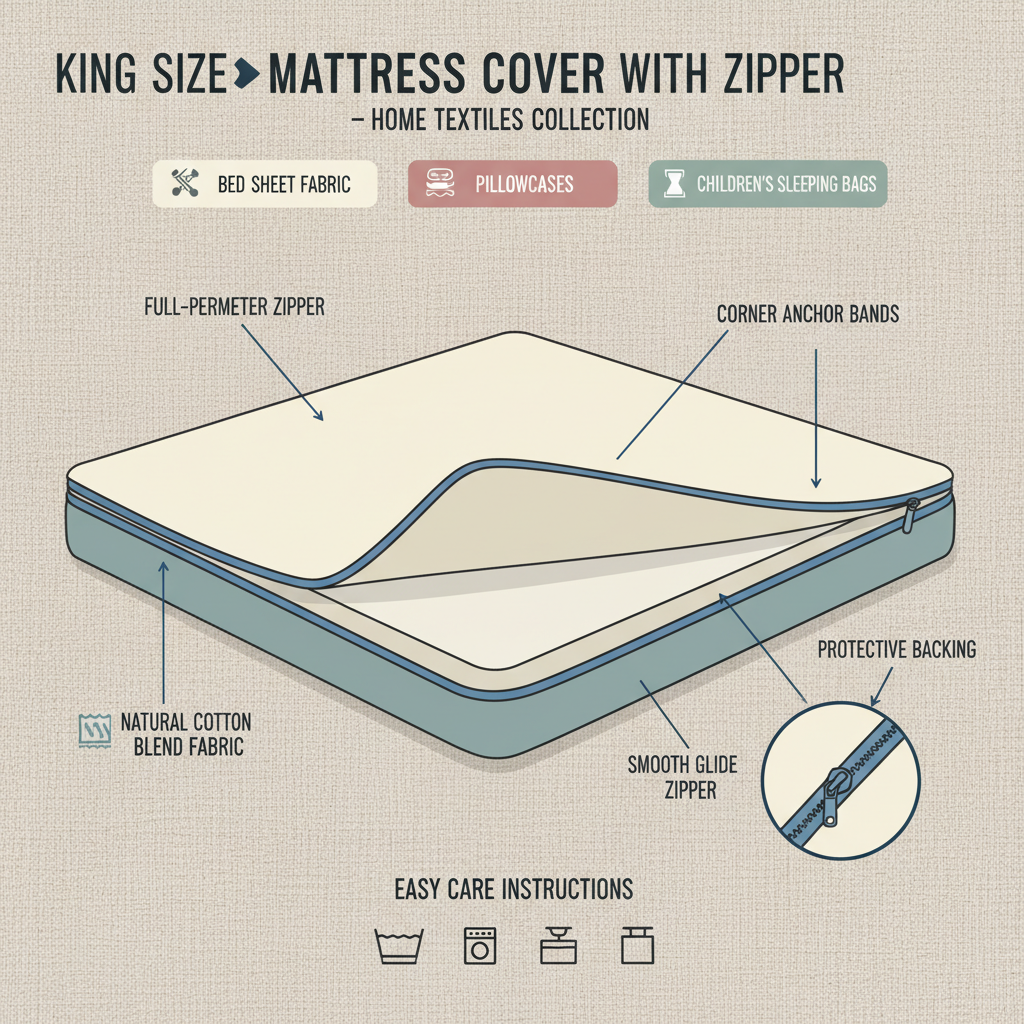
Best King Size Mattress Cover with Zipper for Complete Protection
Investing in a high-quality mattress is only the first step toward a perfect night's sleep. To protect that investment from spills, allergens, and general wear and tear, a king size mattress cover with zipper is an essential accessory. Unlike fitted sheets or simple toppers, a zippered encasement provides 360-degree protection, ensuring that your mattress remains pristine and hygienic for years to come. Whether you are battling dust mites or simply want to keep your bed fresh, choosing the right cover can significantly enhance your sleep quality and longevity of your bedding.
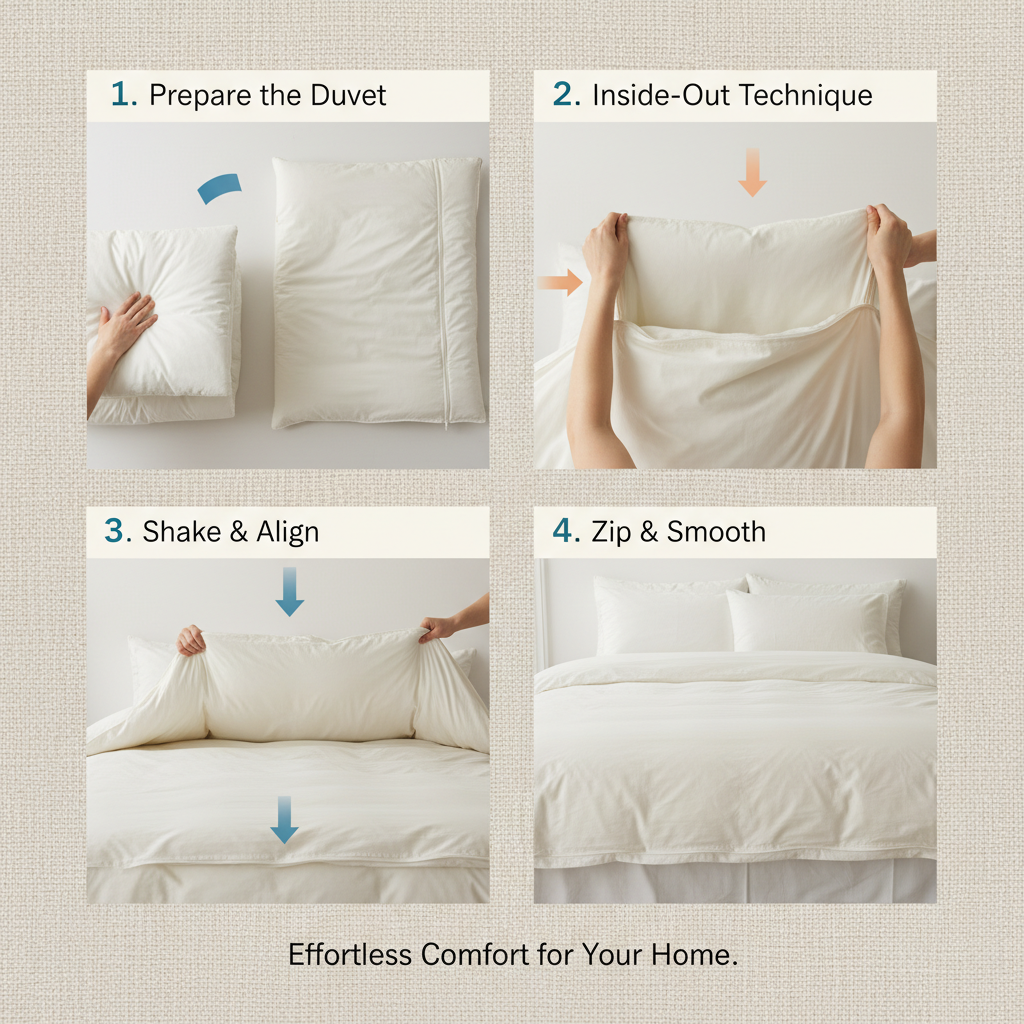
Apr 09,2026
Best Guide for Choosing King Size Bed Cover with Zip Protection
Maintaining a pristine sleeping environment is essential for both hygiene and long-term mattress durability. A high-quality king size bed cover with zip provides a comprehensive shield against dust mites, allergens, and accidental spills. Unlike standard fitted sheets, a zipped encasement fully envelops the mattress, ensuring that nothing penetrates the fabric. Whether you are dealing with allergies or simply want to extend the life of your expensive king-size mattress, choosing the right protective cover is a game-changer for your bedroom health. In this guide, we will explore the technical advantages, materials, and key considerations for selecting the perfect enclosure for your bed.
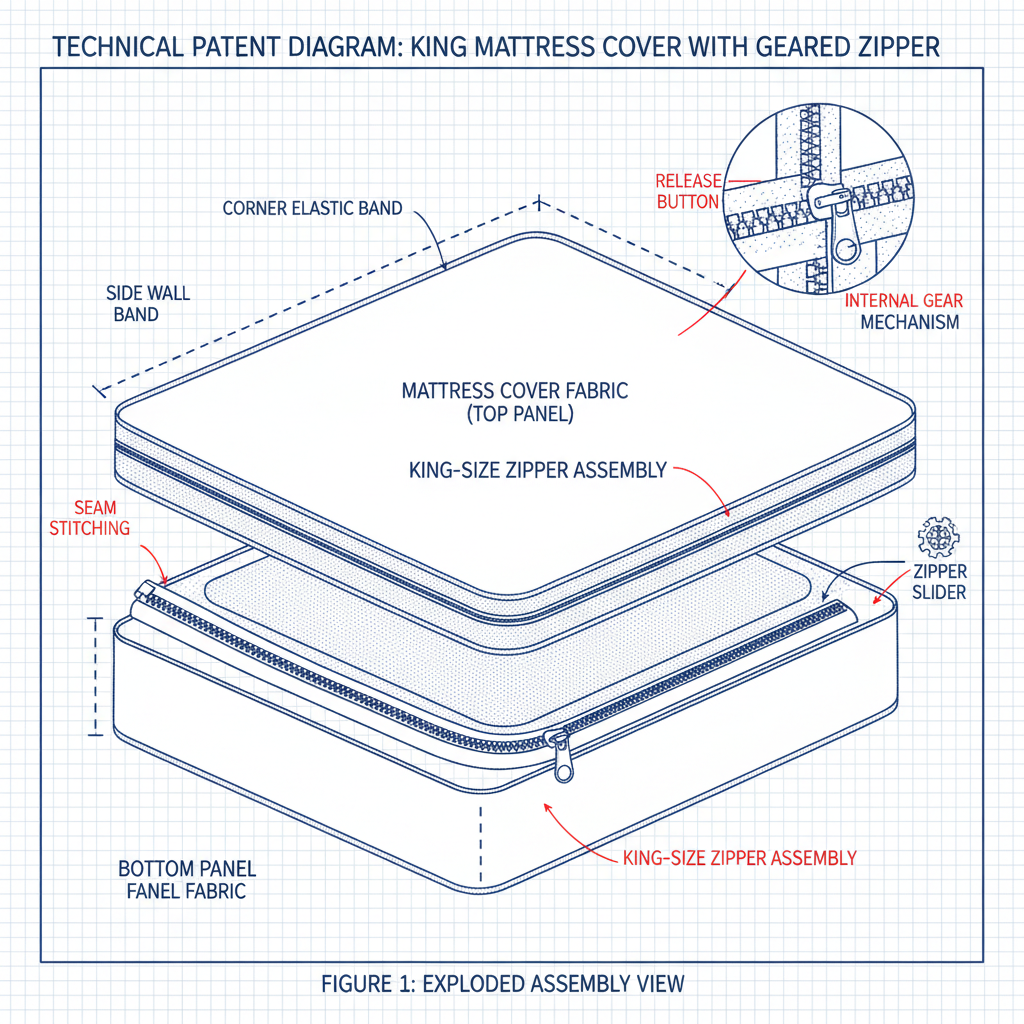
Apr 07,2026
Comprehensive Guide to Choosing the Best King Mattress Cover with Zipper for Optimal Protection
Protecting your mattress is crucial for hygiene, longevity, and comfort. A king mattress cover with zipper offers a comprehensive solution, shielding against dust mites, allergens, spills, and wear and tear. This article delves into the benefits of using a zippered king mattress cover, key features to look for, materials, and how to choose the best one for your needs. Investing in a quality mattress protector is an investment in your health and the lifespan of your mattress.


Address
1010, ZHONGYUAN BUILDING, NO.368 NORTH YOUYI STREET. SHIJIAZHUANG,HEBEI,CHINA.


