



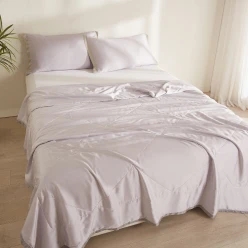



Understanding the Cotton Rich Duvet Set: Why It Matters in Today’s World
When we talk bedding essentials, a cotton rich duvet set is often the unsung hero. But why bother paying attention beyond its soft texture? Well, globally, people are progressively leaning toward sustainable, comfortable, and durable textiles, especially for daily essentials like bedding. The cotton rich duvet set—mind you, not 100% cotton but dominantly cotton blended with other fibers—strikes a balance between breathability, durability, and affordability. This mix offers an ideal combination that benefits producers, retailers, and consumers alike.
And let’s be honest—good sleep is universal. Whether it’s eco-conscious buyers in Europe or families in emerging economies improving their home comfort, knowing the advantages of a cotton rich duvet set is increasingly relevant. Plus, there’s a broader sustainability narrative here, as cotton and cotton blends relate directly to environmental and social standards in textile production.
The Global Context: Cotton Rich Duvet Sets in the Textile Industry
Worldwide textile production is a multi-trillion-dollar affair, with cotton remaining one of the leading natural fibers. According to the International Cotton Advisory Committee (ICAC), over 25 million metric tons of cotton are produced each year, with a sizable chunk destined for home textiles like duvet covers.
But here’s the kicker: 100% cotton can be costly and wrinkle-prone. That’s where blends come in. Cotton rich fabrics—typically 60% to 80% cotton mixed with polyester or similar fibers—offer better wrinkle resistance, durability, and cost efficiency. According to ISO standards, such blends strike a practical balance for mass production and end-user value.
In fact, organizations ranging from hospitality chains to humanitarian agencies seek cotton rich duvet sets as part of their relief and comfort packages, especially where durability, comfort, and ease of maintenance are critical. For example, post-disaster housing often requires bedding that holds up to frequent washing without losing softness.
What Exactly Is a Cotton Rich Duvet Set?
At its core, a cotton rich duvet set comprises a duvet cover and matching pillowcases, made primarily of cotton blended with other fibers—usually polyester or viscose for that extra durability or sheen.
Think of it as the “best of both worlds” for bedding. Real cotton offers breathability and comfort, while the added synthetics reduce wrinkles, offer stretch, and assist in color retention.
In modern manufacturing, these blends also help manufacturers comply with environmental standards—reducing water usage compared to pure cotton, for example—and meet the demands of consumers who want something easy-care but still soft. These sets become relevant not just in homes but also in hotels, rental properties, and even humanitarian relief efforts.
Key Components of a Cotton Rich Duvet Set
1. Fabric Composition
The defining factor is the fabric mix. Common blends are 60-80% cotton paired with polyester. This ratio ensures softness without sacrificing resilience.
2. Weave and Thread Count
Higher thread counts (200-400) typically mean softer fabric. Sateen and percale weaves are popular for duvet sets, each with their own feel—sateen offers a smoother, silkier surface; percale provides crispness.
3. Durability & Maintenance
The polyester component reduces shrinkage and wrinkles, making these duvet sets far easier to maintain, particularly important for busy households or commercial environments.
4. Design & Aesthetic Options
Blends accept dyes well, so prints and colors remain vibrant after washing. This flexibility allows producers to cater to fashion trends and consumer preferences.
5. Environmental Considerations
Though not organic cotton, many cotton rich duvet sets are now produced under eco-friendly certifications like OEKO-TEX® or GOTS-compliant standards, reflecting a growing sustainability awareness.
Global Applications & Real-World Use Cases
Cotton rich duvet sets find a home in many places:
- Hospitality Industry: Hotels prefer cotton rich blends for their perfect mix of comfort and durability, alongside ease of upkeep.
- Humanitarian Aid: Relief organizations often include such duvet sets in shelter packages because they endure tough, repeated washing cycles.
- Residential Use: Homeowners seeking long-lasting, affordable, and easy-care bedding make this a top choice, especially in markets where full cotton sets are prohibitively expensive.
- Rental & Vacation Properties: The need for both style and durability is high, making cotton rich duvet covers practical and cost-effective.
Oddly enough, even colder regions benefit because cotton rich fabrics can be layered easily and hold warmth without overheating the sleeper, offering year-round versatility.
Advantages and Long-Term Value of Cotton Rich Duvet Sets
Here’s where things get interesting, because we’re not just talking about softness. The advantages span tangible and emotional aspects:
- Cost effectiveness: They are generally more affordable than pure cotton duvet sets.
- Durability: The synthetic fibers help resist pilling and shrinkage.
- Sustainability: Cotton rich blends often require less water and energy to produce than 100% cotton.
- Comfort: They breathe well while giving a softer feel than pure synthetics.
- Emotional benefits: There’s that undeniable feeling of安心 (peace of mind) that comes from knowing your bedding will perform well and last.
It’s strange how something as simple as a duvet cover can build trust in a brand or raise a consumer’s sleep quality subtly but meaningfully.
Product Specification Table
| Feature | Typical Value | Comments |
|---|---|---|
| Cotton Content | 65 – 80% | Majority cotton for breathability and comfort |
| Blended Fiber | Polyester, viscose | Enhances durability & wrinkle resistance |
| Weave | Sateen / Percale | Affects texture & appearance |
| Thread Count | 200 – 400 | Balances softness & durability |
| Care | Machine washable, tumble dry | Easy maintenance |
| Certifications | OEKO-TEX®, GOTS (selected) | Ensures safety & sustainability |
Comparing Leading Cotton Rich Duvet Set Vendors
| Vendor | Cotton % Range | Certification | Average Price (USD) | Key Features |
|---|---|---|---|---|
| SleepWell Textiles | 70 – 80% | OEKO-TEX® Certified | $50 – $70 | Luxury feel, wrinkle resistant |
| EcoSlumber Linens | 65 – 75% | GOTS Certified | $60 – $85 | Sustainably sourced, vibrant colors |
| CottonEase | 60 – 70% | OEKO-TEX® Standard 100 | $40 – $60 | Budget friendly, easy wash care |
| Luxury Loom | 75 – 80% | No certification | $80 – $110 | High thread count, premium packaging |
Future Trends and Innovations in Cotton Rich Duvet Sets
Looking ahead, the industry is ripe with innovation. Several trends are shaping the future:
- Eco-Friendly Blends: Increasing use of organic cotton and recycled polyester is becoming mainstream.
- Smart Textiles: Some manufacturers explore antimicrobial and temperature-regulating treatments integrated into cotton rich fabrics.
- Digital Personalization: The rise of on-demand printing allows customers to customize duvet designs, making cotton rich sets more personal than ever.
- Zero-waste Manufacturing: Companies are aiming for waste reduction during cutting and sewing, even reusing offcuts creatively.
All this points to an exciting horizon where comfort meets tech and sustainability in the cotton rich duvet set market.
Challenges and How the Industry Is Overcoming Them
Of course, no product category is perfect. One challenge with cotton rich duvet sets is managing the balance between blend percentage and feel. Too much synthetic, and you lose natural breathability and softness. Too little, and wrinkles and shrinkage become real headaches.
Another issue involves consumer perceptions—some shoppers associate “cotton rich” with inferior quality compared to pure cotton, which manufacturers are actively addressing through certifications and transparent marketing.
Innovative fiber engineering, nano-finishing techniques, and eco-certifications play a big part in overcoming these hurdles. Plus, educating buyers about the benefits often wins customers over, especially when they get hands-on experience.
FAQ: Frequently Asked Questions About Cotton Rich Duvet Sets
Q1: Is a cotton rich duvet set better than 100% cotton?
A: It depends on your priorities. Cotton rich blends offer easier care, better wrinkle resistance, and often greater durability, while pure cotton is softer and more breathable but may require more maintenance.
Q2: How long can a cotton rich duvet set last?
A: With proper care, these sets can last 3–5 years or more. The synthetic fibers help retain shape and color, especially with frequent wash cycles.
Q3: Are cotton rich duvet sets eco-friendly?
A: Many are, especially when produced under certifications like GOTS or OEKO-TEX®. Using blends can reduce water consumption versus pure cotton, contributing to sustainability.
Q4: Can I machine wash a cotton rich duvet set?
A: Yes, they’re usually fully machine washable and quick drying, making them ideal for busy households or commercial use.
Q5: Where can I find a quality cotton rich duvet set?
A: Reputable vendors include brands certified by recognized textile standards. You might want to visit our trusted collection for premium options.
Conclusion: Why Invest in a Cotton Rich Duvet Set?
In the end, cotton rich duvet sets offer a compelling balance of comfort, durability, and sustainability that few bedding products can match. They respond to both consumer desires and global textile production realities, making them smart investments for the long haul.
If you want cozy, easy-care bedding that also aligns with evolving eco-conscious values, this is your go-to solution. Curious to explore the best options? Visit our website: cotton rich duvet set to browse quality choices tailored to your preferences.

Related Products
Our Latest News
Apr 16,2026
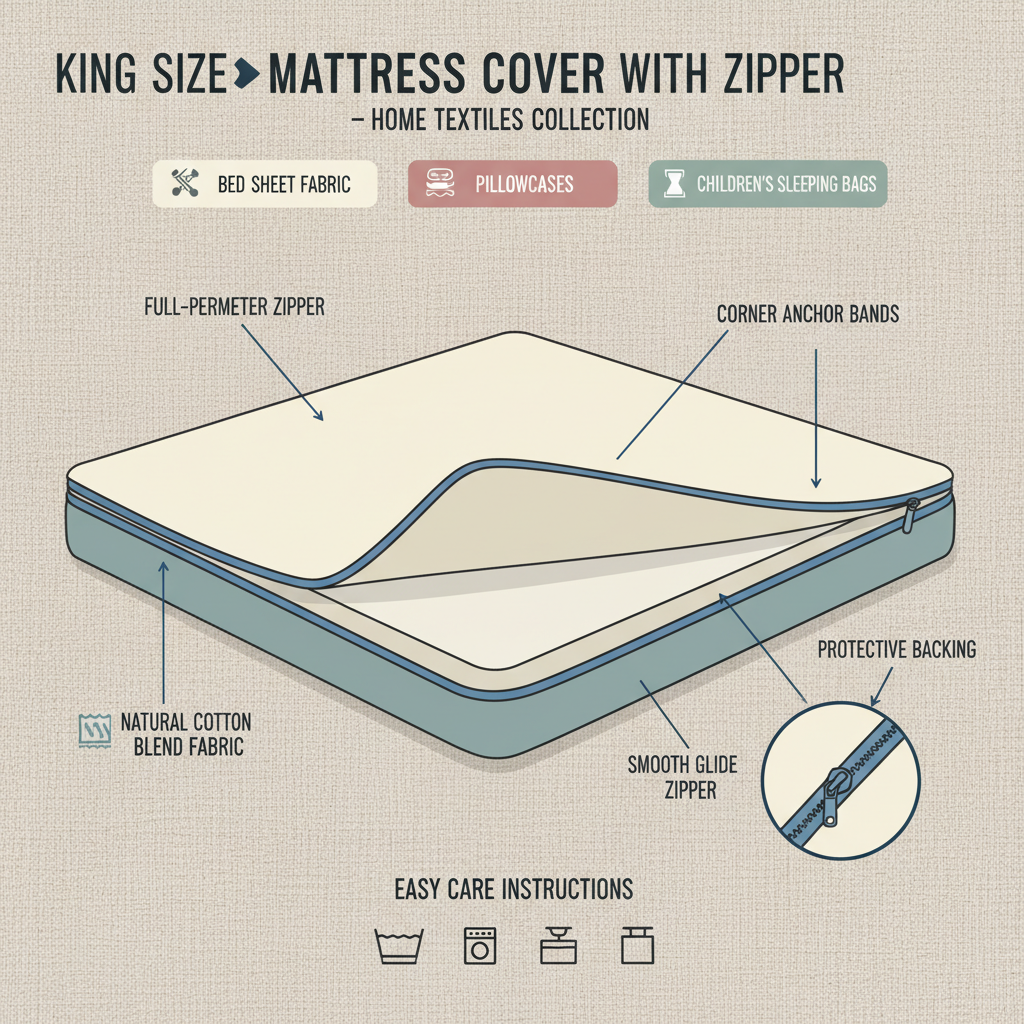
Best King Size Mattress Cover with Zipper for Complete Protection
Investing in a high-quality mattress is only the first step toward a perfect night's sleep. To protect that investment from spills, allergens, and general wear and tear, a king size mattress cover with zipper is an essential accessory. Unlike fitted sheets or simple toppers, a zippered encasement provides 360-degree protection, ensuring that your mattress remains pristine and hygienic for years to come. Whether you are battling dust mites or simply want to keep your bed fresh, choosing the right cover can significantly enhance your sleep quality and longevity of your bedding.
Apr 09,2026
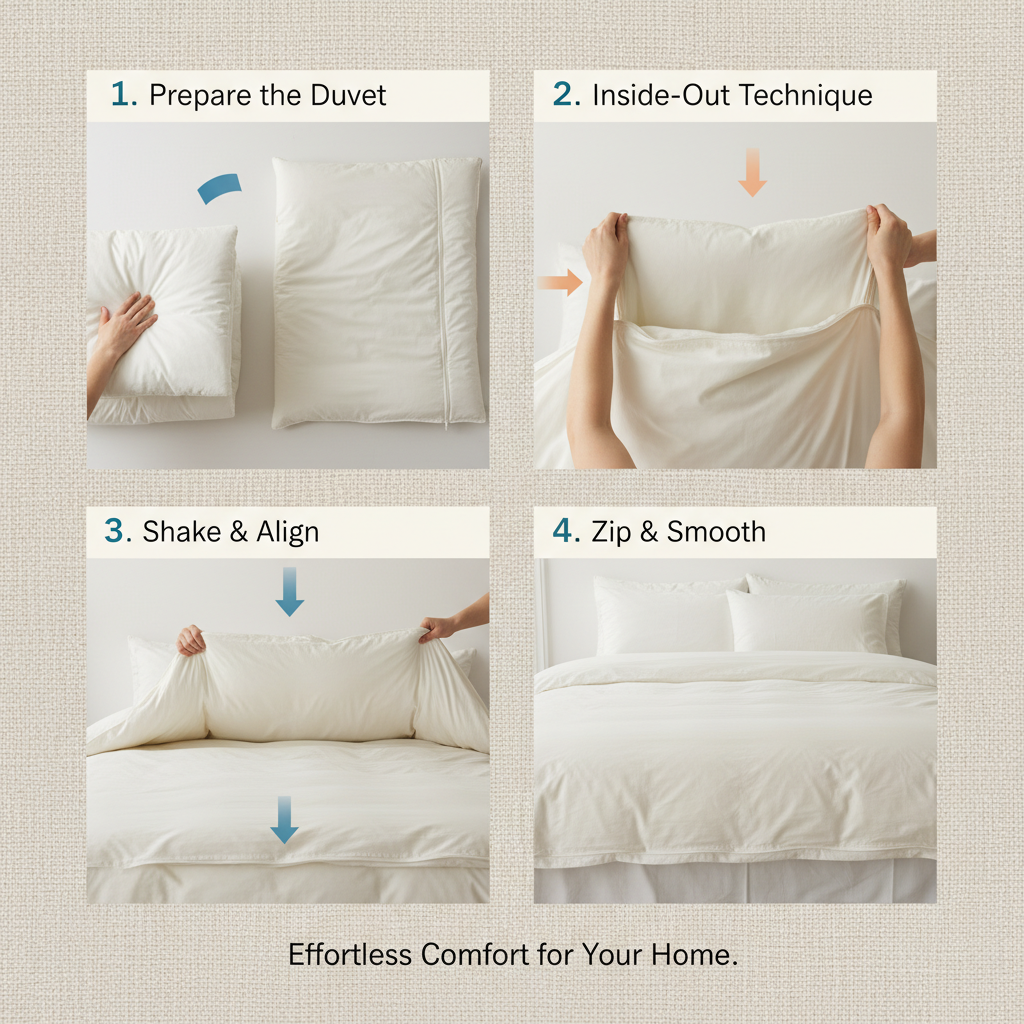
Best Guide for Choosing King Size Bed Cover with Zip Protection
Maintaining a pristine sleeping environment is essential for both hygiene and long-term mattress durability. A high-quality king size bed cover with zip provides a comprehensive shield against dust mites, allergens, and accidental spills. Unlike standard fitted sheets, a zipped encasement fully envelops the mattress, ensuring that nothing penetrates the fabric. Whether you are dealing with allergies or simply want to extend the life of your expensive king-size mattress, choosing the right protective cover is a game-changer for your bedroom health. In this guide, we will explore the technical advantages, materials, and key considerations for selecting the perfect enclosure for your bed.
Apr 07,2026
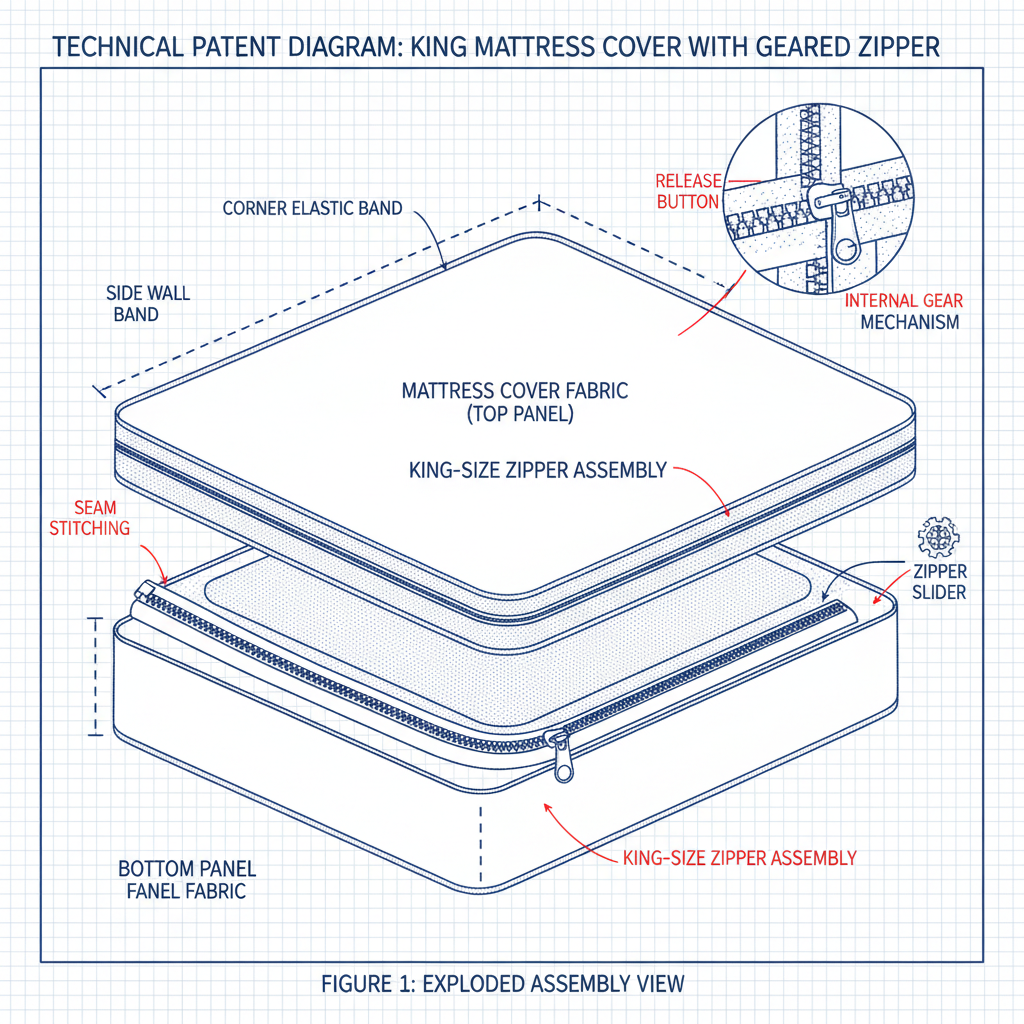
Comprehensive Guide to Choosing the Best King Mattress Cover with Zipper for Optimal Protection
Protecting your mattress is crucial for hygiene, longevity, and comfort. A king mattress cover with zipper offers a comprehensive solution, shielding against dust mites, allergens, spills, and wear and tear. This article delves into the benefits of using a zippered king mattress cover, key features to look for, materials, and how to choose the best one for your needs. Investing in a quality mattress protector is an investment in your health and the lifespan of your mattress.


Address
1010, ZHONGYUAN BUILDING, NO.368 NORTH YOUYI STREET. SHIJIAZHUANG,HEBEI,CHINA.


