



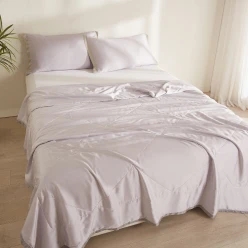


Understanding Cotton Quilt Cover Sets: More Than Just Bedding
If you’re like me — someone who appreciates a good night’s sleep and values the details that make it comfortable — you’ve probably come across the term cotton quilt cover set. It sounds straightforward, sure, but these sets play an unexpectedly significant role in homes worldwide, touching on sustainability, comfort, and even economic trends in the textile industry. From the bustling markets of India to high-end boutiques in Europe, understanding this humble bedding item opens a window into global supply chains, consumer preferences, and environmental impacts. So why should you care? Because what’s on your bed reflects more than personal comfort — it’s a snapshot of industry, culture, and innovation all rolled into one.
The Global Context of Cotton Quilt Cover Sets
Cotton has been a staple fiber for centuries, but it only recently achieved a renewed wave of attention thanks to increasing demands for breathable, durable, and sustainable textiles. According to the UN Food and Agriculture Organization, global cotton production reached nearly 27 million metric tons in 2023, showing steady growth mainly driven by apparel and home textiles.
But here’s the catch — much of that production supports quilt cover sets, comforters, and similar bedding products that consumers often overlook when thinking about environmental or economic issues. The challenge is balancing affordability (because, frankly, people want good deals) with ecological responsibility (because the planet argues otherwise). This tension makes the cotton quilt cover set more than just a cozy wrap; it’s essentially a battleground for sustainable manufacturing and consumer awareness.
Mini takeaway:
- Cotton quilt cover sets connect global production, consumer habits, and sustainability challenges.
- Demand is growing but so are calls for environmental responsibility.
What Exactly Is a Cotton Quilt Cover Set?
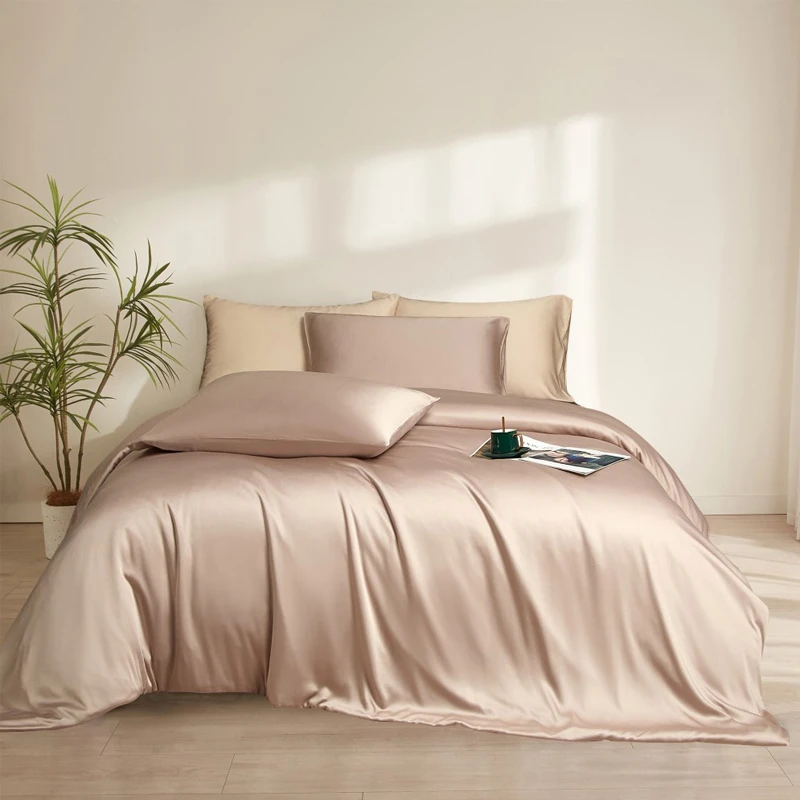
A cotton quilt cover set basically consists of a quilt cover — aka a duvet cover — plus matching pillowcases, all crafted predominantly from cotton fabric. It’s designed to protect your quilt or duvet while adding style and comfort to your bedding ensemble. Unlike synthetic blends, pure cotton sets offer breathability, softness, and temperature regulation that many sleepers swear by.
In a modern context, these sets bridge traditional textile craftsmanship with contemporary needs like allergy friendliness, ease of washing, and aesthetic versatility. Humanitarianly speaking, cotton bedding also shows up in relief efforts, offering durable, reusable, and safer materials for those displaced by crises.
Mini takeaway:
- Cotton quilt cover sets are bedding essentials combining protection, comfort, and style.
- They embody a blend of heritage textile know-how and current consumer demands.
Core Components and Characteristics to Consider
1. Breathability and Comfort
Cotton’s natural fibers create a breathable fabric that wicks moisture, making quilt covers cozy all year round. Unlike polyester or synthetic options that trap heat, cotton lets skin breathe, which matters for temperature-sensitive sleepers.
2. Durability and Softness
Quality cotton, especially long-staple types like Egyptian or Pima cotton, tends to soften with every wash without losing strength. It's slightly paradoxical – softness almost never sacrifices durability here.
3. Weave and Thread Count
The weave (percale, sateen) and thread count influence the finish — percale for crisp coolness, sateen for silky smoothness. Typically, 200–400 thread count hits a good balance for daily use.
4. Sustainability Credentials
Organic cotton and certified sustainable sources (like GOTS-certified) are becoming a must-have for environmentally-conscious customers, reducing pesticide use and supporting ethical farming.
5. Design and Aesthetic Versatility
From minimalist whites to intricate prints, quilt cover sets can match any bedroom vibe, making them a popular choice for designers and homeowners alike.
Mini takeaway:
- Choosing the right cotton quilt cover set depends on comfort, durability, weave, sustainability, and style.
- Investing in quality pays dividends in longevity and sleep quality.
Product Specification Table: Example Cotton Quilt Cover Set
| Specification | Details |
|---|---|
| Material | 100% Organic Cotton (GOTS certified) |
| Weave | Percale (cool and crisp) |
| Thread Count | 300 |
| Closure Type | Hidden zipper |
| Included Items | 1 duvet cover, 2 pillowcases |
| Care Instructions | Machine washable, tumble dry low |
Who’s Leading the Market? A Vendor Comparison
| Vendor | Material Quality | Sustainability | Price Range | Customization |
|---|---|---|---|---|
| PureCotton Co. | Egyptian cotton, 350+ TC | Certified Organic | $$$ | Color & size options |
| EcoLinens | Blended organic/synthetic | Recycled packaging | $$ | Limited prints |
| ComfortNest | Long-staple cotton, 300 TC | No formal certification yet | $ | Custom embroidery |
Global Applications for Cotton Quilt Cover Sets
Oddly enough, these quilt cover sets find uses beyond your bedroom walls. Humanitarian organizations, for instance, often source cotton bedding for refugee shelters because cotton is easier to maintain and less allergenic than alternatives. In regions like Southeast Asia and Africa, quality cotton bedding supports local cottage industries, empowering small producers and preserving traditional weaving techniques.
And in industrially active regions such as Europe and North America, high-end hotels and boutique resorts rely on premium cotton quilt cover sets to marry durability with luxury. Plus, the cotton quilt cover set market continues to grow as consumers seek products that combine ethical sourcing with long-term value.
Mini takeaway:
- Applications range from humanitarian relief to luxury hospitality and cultural preservation.
- These sets indirectly support global economies and ethical sourcing initiatives.
The Advantages and Long-Term Value of Choosing Cotton
When you buy a cotton quilt cover set, you’re investing in more than just softness. Cotton offers environmental benefits like biodegradability, and reduced microplastic pollution compared to synthetics. Socially, ethically sourced cotton supports farming communities, improving livelihoods worldwide. Logically, cotton’s natural breathability and durability mean fewer replacements, reducing waste.
On a more emotional note, wrapping yourself in a natural, breathable fabric just feels right — like a cozy, reliable hug. And isn’t that what bedding should be?
What’s Next? Future Trends and Innovations
The textile industry is evolving fast, and cotton quilt cover sets aren’t exempt. Expect innovations such as:
- Hybrid fabrics combining organic cotton with recycled fibers for a green footprint.
- Smart textiles that regulate temperature or monitor sleep patterns.
- More widespread certifications ensuring fair labor and sustainable practices.
- Automation in textile production cutting waste and improving precision.
Challenges Facing the Cotton Quilt Cover Set Market — And How to Tackle Them
There’s no sugarcoating it — challenges like water-intensity in cotton farming, price volatility, and inconsistent quality remain. But experts suggest solutions such as:
- Adopting drip irrigation and organic farming to save water.
- Advancing supply chain transparency through blockchain technology.
- Consumer education to appreciate quality over fast fashion bedding.
Honestly, tackling these issues is a collective journey that requires input from producers, vendors, and buyers alike.
FAQ: Your Top Questions on Cotton Quilt Cover Sets
Q1: How do cotton quilt cover sets compare to synthetic alternatives?
Simply put, cotton sets tend to be more breathable, hypoallergenic, and sustainable than most synthetic options. While synthetics can be cheaper, cotton’s durability and comfort often justify the investment.
Q2: Are organic cotton quilt covers worth the extra cost?
Yes, because they’re grown without harmful pesticides, which benefits the environment and the farmers. Plus, they usually feature better fabric quality and safer dyes — a fair tradeoff for slightly higher prices.
Q3: Can I machine wash my cotton quilt cover set?
Definitely! Most cotton quilt covers are machine washable. Always check care labels, but generally, warm water and gentle cycles preserve softness without causing shrinkage.
Q4: How long can a cotton quilt cover set last?
With proper care, a quality cotton set can last for 5 to 10 years or longer. The key is regular laundering and avoiding harsh detergents.
Q5: Where can I find high-quality cotton quilt cover sets?
Many retailers specialize in organic and fine cotton bedding. Also, consider trusted online stores and marketplaces like cotton quilt cover set suppliers that offer certifications and transparent sourcing information.
Wrapping Up: Why Cotton Quilt Cover Sets Still Matter
From my vantage point, the cotton quilt cover set isn’t just about snuggling under a soft duvet — it symbolizes evolving consumer values, sustainable textiles, and a quieter nod to craftsmanship and responsibility. Whether you’re outfitting a boutique hotel or simply upgrading your bedroom aesthetic, these sets balance reliability with conscious choices.
If you want to explore the full range of options or learn more about the benefits, I recommend visiting our collection where comfort meets sustainability.
References

Related Products
Our Latest News
Apr 16,2026
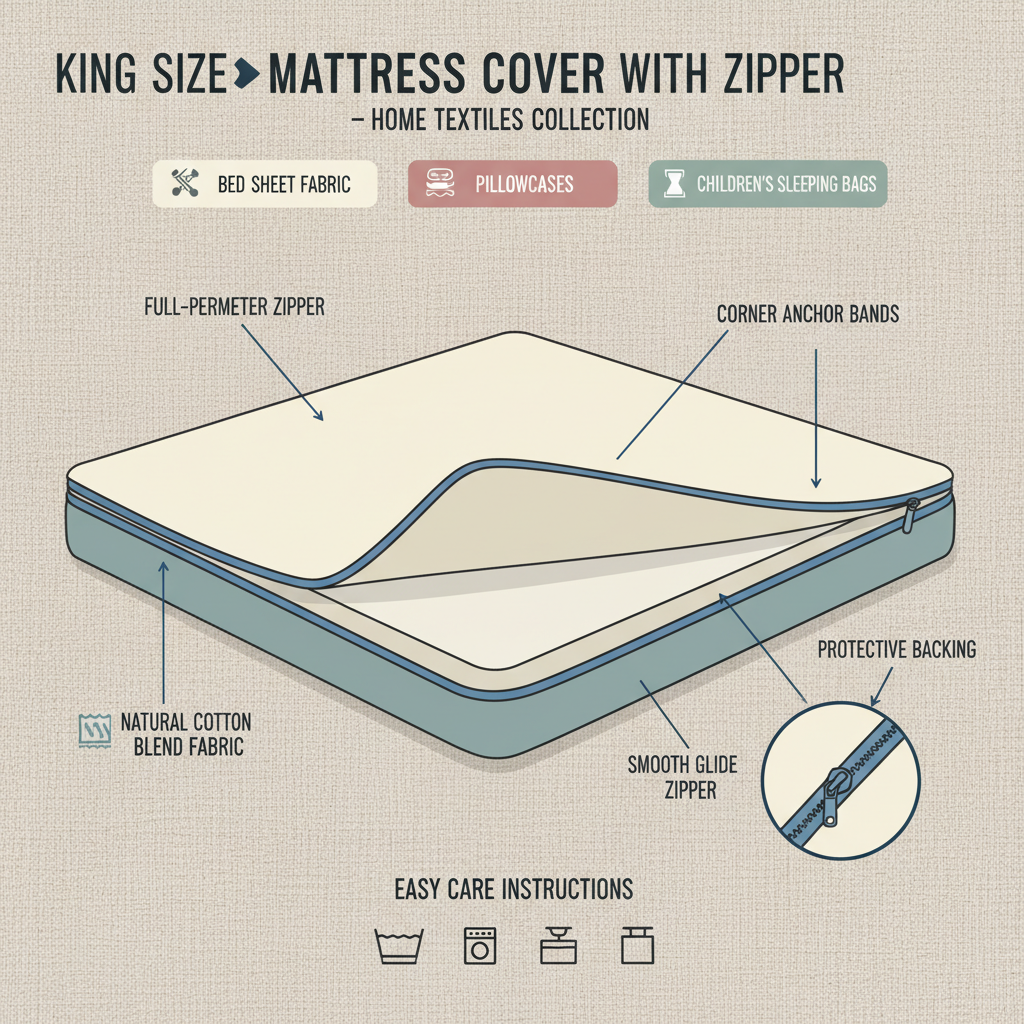
Best King Size Mattress Cover with Zipper for Complete Protection
Investing in a high-quality mattress is only the first step toward a perfect night's sleep. To protect that investment from spills, allergens, and general wear and tear, a king size mattress cover with zipper is an essential accessory. Unlike fitted sheets or simple toppers, a zippered encasement provides 360-degree protection, ensuring that your mattress remains pristine and hygienic for years to come. Whether you are battling dust mites or simply want to keep your bed fresh, choosing the right cover can significantly enhance your sleep quality and longevity of your bedding.
Apr 09,2026
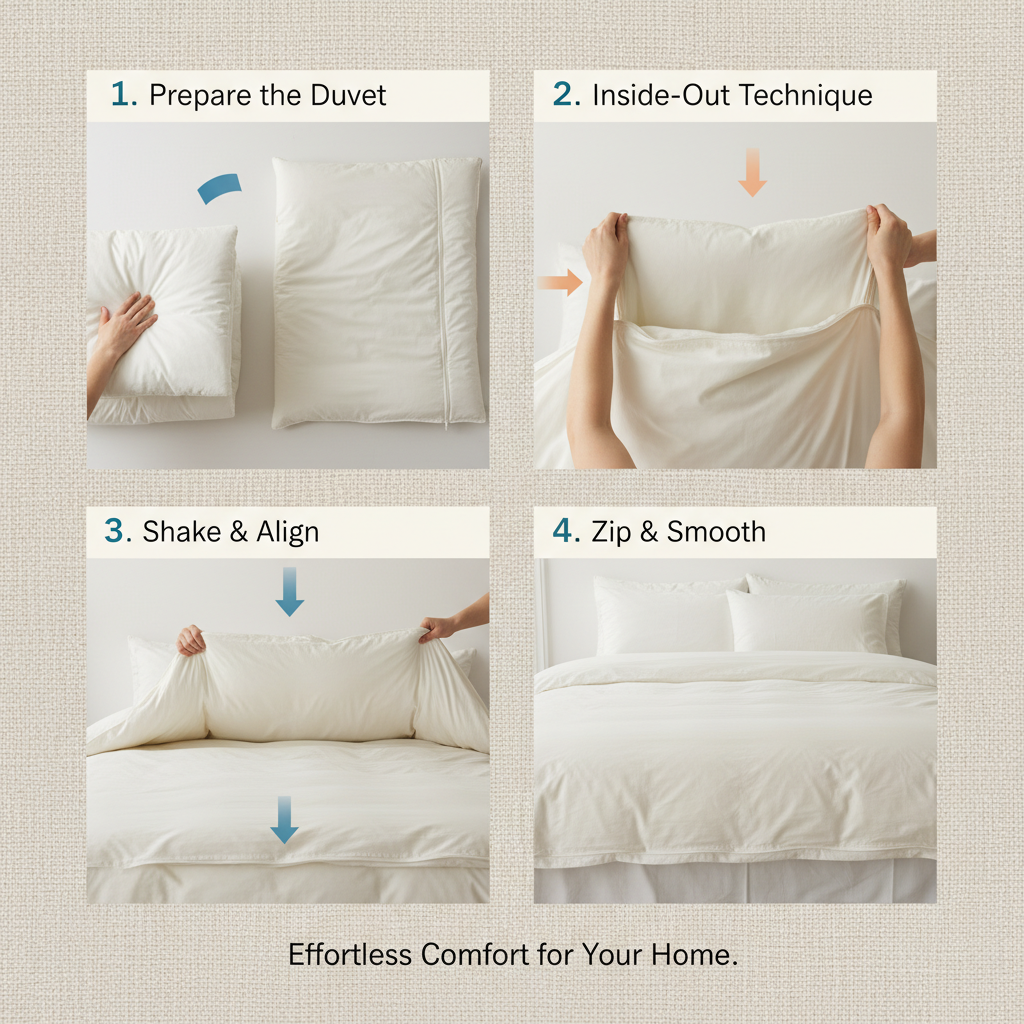
Best Guide for Choosing King Size Bed Cover with Zip Protection
Maintaining a pristine sleeping environment is essential for both hygiene and long-term mattress durability. A high-quality king size bed cover with zip provides a comprehensive shield against dust mites, allergens, and accidental spills. Unlike standard fitted sheets, a zipped encasement fully envelops the mattress, ensuring that nothing penetrates the fabric. Whether you are dealing with allergies or simply want to extend the life of your expensive king-size mattress, choosing the right protective cover is a game-changer for your bedroom health. In this guide, we will explore the technical advantages, materials, and key considerations for selecting the perfect enclosure for your bed.
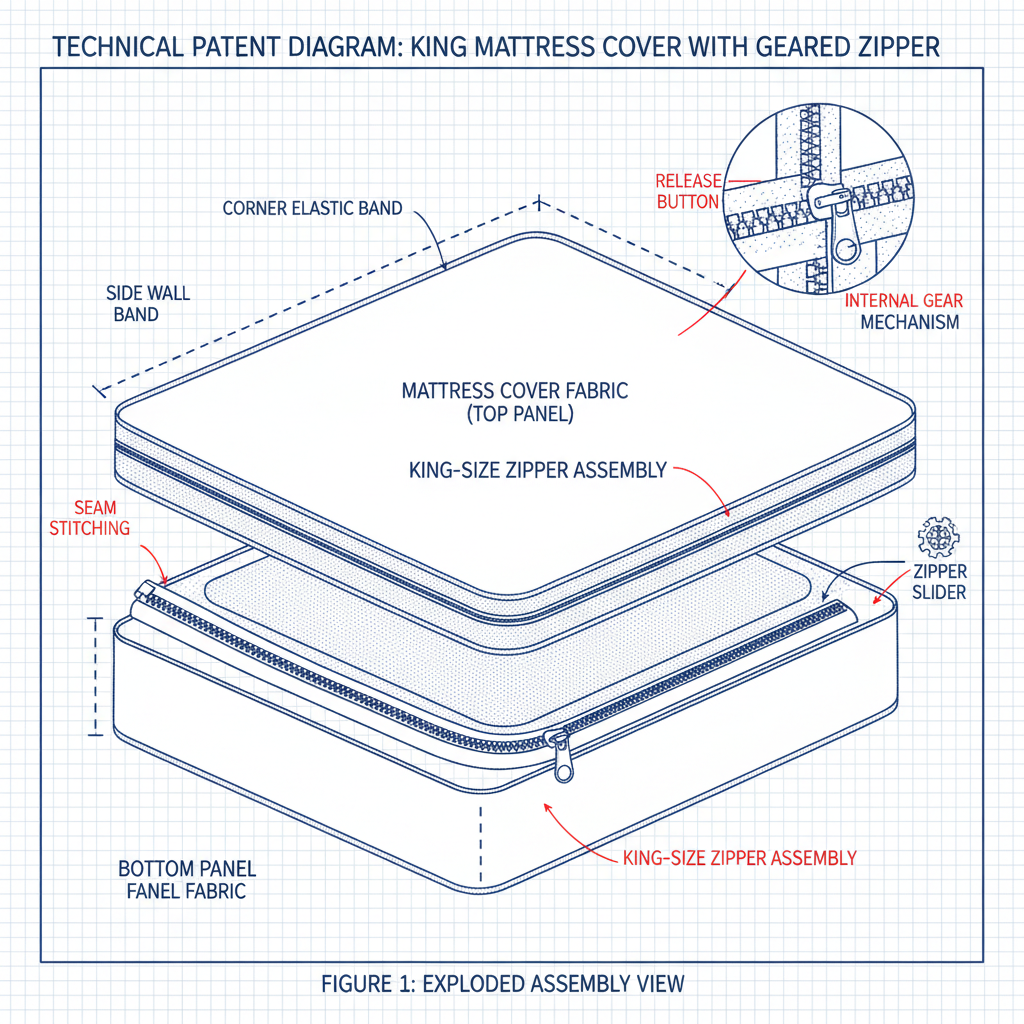
Apr 07,2026
Comprehensive Guide to Choosing the Best King Mattress Cover with Zipper for Optimal Protection
Protecting your mattress is crucial for hygiene, longevity, and comfort. A king mattress cover with zipper offers a comprehensive solution, shielding against dust mites, allergens, spills, and wear and tear. This article delves into the benefits of using a zippered king mattress cover, key features to look for, materials, and how to choose the best one for your needs. Investing in a quality mattress protector is an investment in your health and the lifespan of your mattress.


Address
1010, ZHONGYUAN BUILDING, NO.368 NORTH YOUYI STREET. SHIJIAZHUANG,HEBEI,CHINA.


