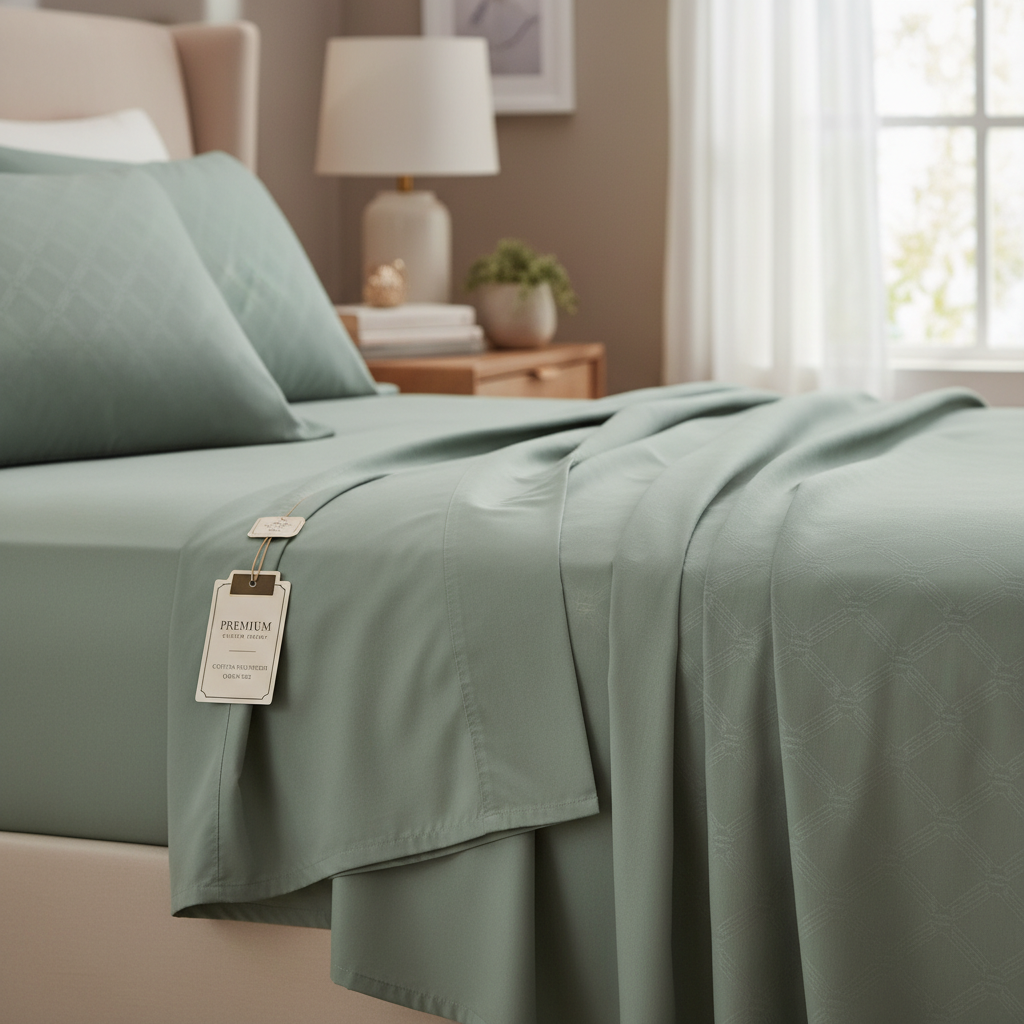
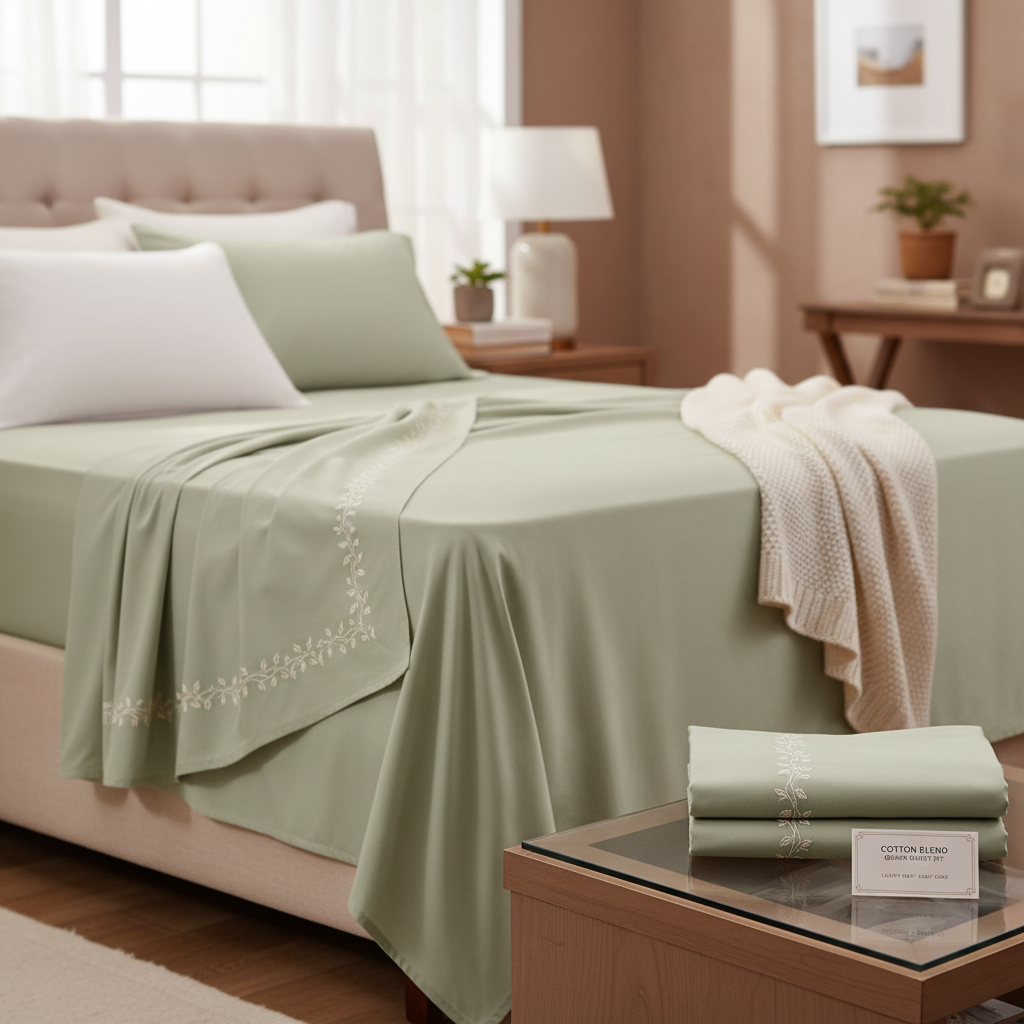
The world of bedding often feels overwhelming with choices, but the combination of cotton and polyester in a cotton polyester queen sheet set offers a compelling balance of comfort, durability, and affordability. These sheet sets have become a staple in households globally, offering a practical solution for everyday sleep. Understanding the benefits of this blend is key to making informed choices for a restful night’s sleep.
Globally, the demand for affordable and long-lasting bedding is consistently high. According to recent market research, the bedding industry is projected to reach \$75.2 billion by 2027, with blended fabrics like cotton-polyester representing a significant portion of this growth. This demand is driven by increasing disposable incomes in developing countries and a growing awareness of the importance of sleep quality. However, concerns about sustainability and ethical sourcing pose challenges.
The increasing cost of 100% cotton sheets has led many consumers to explore alternatives, making cotton polyester queen sheet sets a popular option. These sets address the need for accessible and comfortable bedding without compromising on essential qualities. The blend combines the natural softness of cotton with the wrinkle resistance and strength of polyester, providing a versatile and practical bedding solution.
The Fundamentals of a cotton polyester queen sheet set
A cotton polyester queen sheet set represents a smart choice for consumers seeking a balance between comfort and practicality. The blend typically consists of 50-60% cotton and 40-50% polyester, though variations exist. This proportion affects the sheet's feel, durability, and price point.
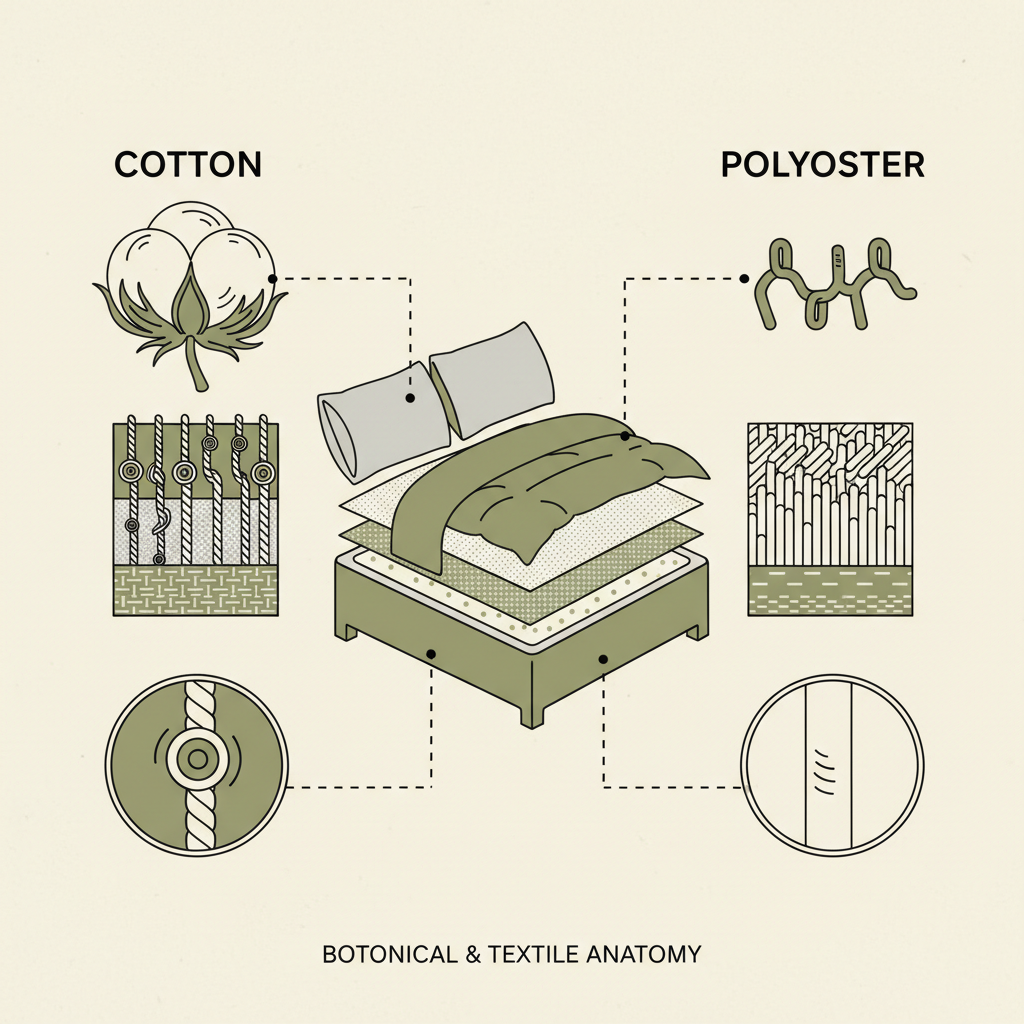
Understanding the properties of each fiber is crucial. Cotton offers breathability and softness, making it ideal for comfortable sleep. Polyester, on the other hand, adds strength, wrinkle resistance, and reduces shrinkage, making the sheets easier to care for. A well-balanced blend leverages the strengths of both materials.
Defining Cotton Polyester Blends
Cotton polyester blends aren't new; they've been a popular textile choice for decades. The initial drive for these blends stemmed from the desire to reduce the cost of 100% cotton while maintaining a reasonable level of comfort. Today, they’re favored for their practical benefits, extending beyond just price.
The ratio of cotton to polyester significantly impacts the final product. Higher cotton content results in a softer, more breathable sheet, closer in feel to pure cotton. Conversely, a higher polyester content leads to increased durability, wrinkle resistance, and a lower price.
This blend is not merely a cost-saving measure; it's an engineering solution to enhance the performance characteristics of bedding. cotton polyester queen sheet set provides a practical and comfortable alternative to more expensive, and sometimes less durable, pure cotton options.
Key Components of Quality
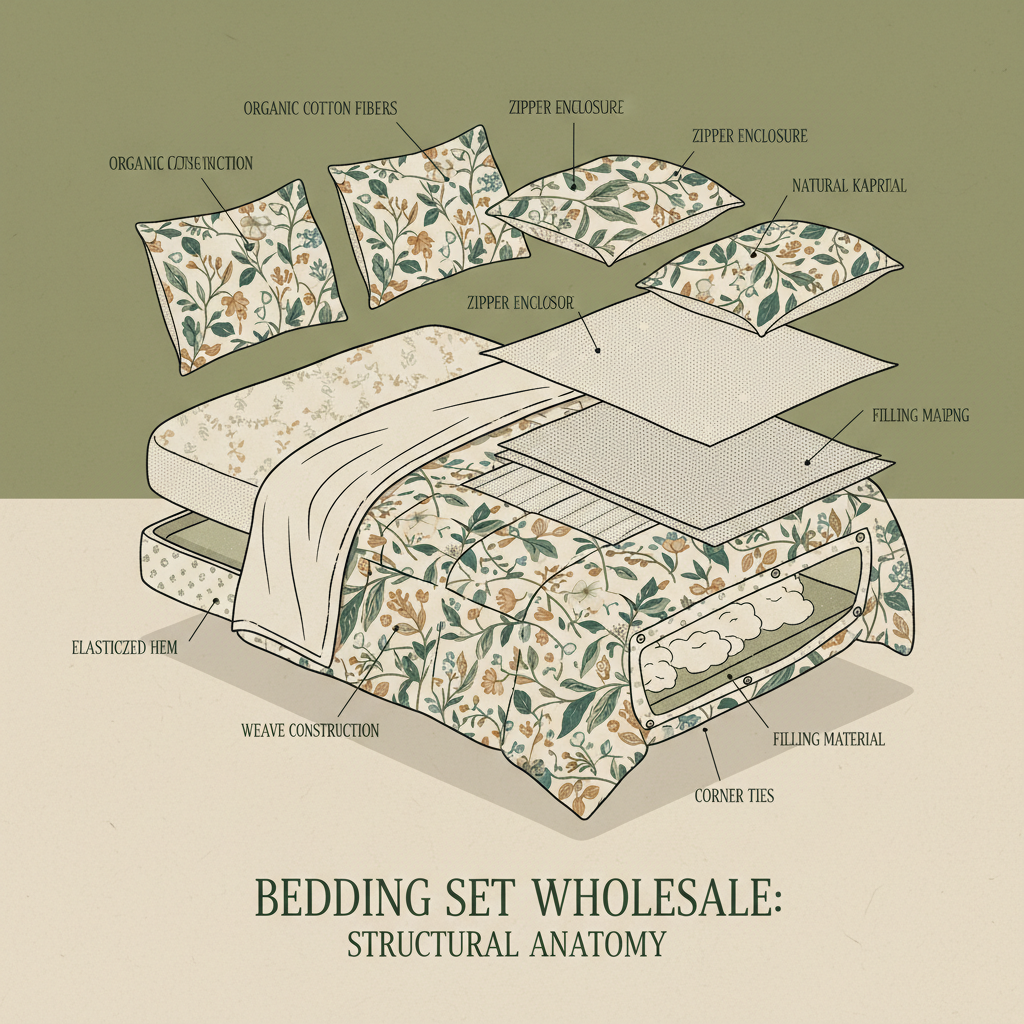
When evaluating a cotton polyester queen sheet set, several key components determine the overall quality. Thread count, though often overstated, still plays a role; a thread count between 180-300 is generally considered adequate for a comfortable feel. However, focus on the quality of the yarn used.
The type of cotton used is also important. Long-staple cotton, like Pima or Egyptian cotton (even in a blend), will result in a softer and more durable sheet. Polyester quality also varies; higher-quality polyester fibers resist pilling and maintain their shape better over time.
Finally, the weave of the fabric impacts its feel and performance. Percale offers a crisp, cool feel, while sateen provides a silky-smooth finish. Choosing the right weave depends on your personal preference and climate.
Practical Applications Across Industries
While primarily used in residential settings, cotton polyester queen sheet set also find applications in various industries. Hotels frequently utilize these sheets for their durability, affordability, and ease of laundering. Healthcare facilities, too, benefit from the blend's resistance to staining and ability to withstand frequent washing.
In the hospitality sector, consistent quality and cost-effectiveness are paramount. Cotton polyester blends provide a reliable solution that meets these requirements. For healthcare, hygiene and durability are critical, making the blend a suitable choice for patient bedding.
Comparative Durability of Different Sheet Sets
Advantages and Long-Term Value
The advantages of a cotton polyester queen sheet set extend beyond initial cost savings. The enhanced durability reduces the frequency of replacement, offering long-term value. The wrinkle resistance minimizes the need for ironing, saving time and energy.
From a sustainability perspective, the longevity of these sheets reduces textile waste. While not a perfect solution, choosing durable bedding is a step towards more conscious consumption. The comfort and ease of care contribute to improved sleep quality and a more pleasant home environment.
Future Trends and Innovations
Innovations in textile technology are leading to more sustainable and higher-performing cotton polyester blends. Recycled polyester is becoming increasingly common, reducing reliance on virgin materials. New finishing techniques are enhancing the softness and breathability of the fabric.
The development of bio-based polyester, derived from renewable sources, represents a significant step towards a more circular economy. Smart textiles, incorporating sensors for sleep tracking and temperature regulation, are also on the horizon, potentially integrated into cotton polyester blends.
These advancements promise to elevate the cotton polyester queen sheet set experience, offering both enhanced comfort and reduced environmental impact.
Challenges and Sustainable Solutions
Despite the benefits, cotton polyester blends face challenges related to microplastic shedding during washing. These microplastics contribute to ocean pollution and pose a threat to marine life. Using laundry bags designed to capture microfibers can mitigate this issue.
Another challenge is the reliance on synthetic fibers, which are derived from fossil fuels. Investing in research and development of bio-based polyester alternatives is crucial. Promoting responsible manufacturing practices and encouraging textile recycling are also essential steps towards sustainability.
Ultimately, addressing these challenges requires a collaborative effort from manufacturers, consumers, and policymakers to create a more sustainable and circular textile industry, allowing us to continue enjoying the benefits of a cotton polyester queen sheet set with a lighter environmental footprint.
Summarizing Core Elements of Sustainable Solutions for Cotton Polyester Production
| Solution Category |
Implementation Approach |
Impact Assessment |
Cost & Scalability |
| Microfiber Filtration |
Utilizing laundry bags and filter systems in washing machines |
Significant reduction in microplastic release into waterways |
Low cost, highly scalable for residential use |
| Recycled Polyester Integration |
Replacing virgin polyester with recycled PET bottles |
Reduced reliance on fossil fuels and waste diversion |
Moderate cost, scalability dependent on recycling infrastructure |
| Bio-Based Polyester Development |
Researching and utilizing polyester derived from renewable plant sources |
Decreased carbon footprint and reduced fossil fuel dependency |
High initial cost, scalability requires large-scale agricultural production |
| Sustainable Cotton Sourcing |
Prioritizing organic or Better Cotton Initiative (BCI) certified cotton |
Reduced pesticide use and improved farming practices |
Moderate cost, dependent on supply chain certification |
| Textile Recycling Programs |
Establishing collection and processing systems for end-of-life textiles |
Reduced landfill waste and resource recovery |
Moderate to high cost, requires consumer participation |
| Durable Design & Quality |
Focus on creating long-lasting sheets that resist wear and tear |
Decreased need for frequent replacement, reducing overall consumption |
Low to moderate cost, dependent on material selection and construction |
FAQS
While higher thread counts are often marketed, for a cotton polyester blend, a thread count between 180-300 generally provides a comfortable balance of softness and durability. Focus more on the quality of the cotton and polyester fibers themselves, as a higher thread count doesn't always equate to a superior sheet. A well-made sheet with a moderate thread count will feel much better than a poorly made one with a high count. Look for tightly woven fabrics that feel smooth to the touch, ensuring a good night’s sleep.
Pilling occurs when loose fibers form balls on the fabric surface. To minimize pilling, wash your sheets inside out in a gentle cycle with mild detergent. Avoid harsh chemicals like bleach. Consider using a fabric softener sparingly, as it can sometimes contribute to pilling. Additionally, avoid excessive rubbing against abrasive surfaces during washing and drying. Trimming any existing pills with a fabric shaver can help maintain a smooth appearance.
While 100% cotton is generally more breathable, a cotton polyester blend can still offer reasonable breathability, particularly if it has a higher cotton content. Look for blends with a percale weave, which tends to be cooler and crisper. Avoid blends with a tight weave, like sateen, if you're prone to overheating. Proper ventilation in the bedroom can also help regulate temperature and improve sleep comfort.
It's recommended to wash your cotton polyester queen sheet set at least once a week to remove dust mites, allergens, and body oils. If you sweat heavily or have sensitive skin, you may want to wash them more frequently. Always follow the care instructions on the label, as washing temperatures and drying methods can vary. Avoid overcrowding the washing machine to ensure thorough cleaning.
While not always necessary due to the wrinkle-resistant properties of polyester, you can iron a cotton polyester blend on a low to medium heat setting. It's advisable to check the care label first. Using a pressing cloth can help protect the fabric. However, avoid using high heat, as it could damage the polyester fibers and cause them to melt. A quick tumble dry on low heat can also help remove wrinkles.
A cotton polyester blend can be a good option for allergy sufferers, as it’s less likely to harbor dust mites than 100% cotton. Washing the sheets frequently in hot water further reduces allergen levels. However, it’s important to choose hypoallergenic detergents and avoid fabric softeners, which can leave residue that irritates sensitive skin. Consider using a mattress protector and pillowcases to create a barrier against allergens.
Conclusion
In conclusion, the cotton polyester queen sheet set presents a compelling combination of comfort, durability, and affordability. Understanding the benefits of this blend—from its wrinkle resistance and easy care to its long-lasting quality—empowers consumers to make informed choices. The blend is a versatile solution suitable for a wide range of needs and budgets.
Looking ahead, advancements in sustainable textile technologies offer opportunities to further enhance the environmental profile of these sheets. By prioritizing recycled materials, bio-based alternatives, and responsible manufacturing practices, we can continue to enjoy the benefits of this practical bedding option while minimizing our environmental impact. Visit our website today to explore our range of cotton polyester queen sheet sets: www.bedencasement.com