




Zestaw pościeli

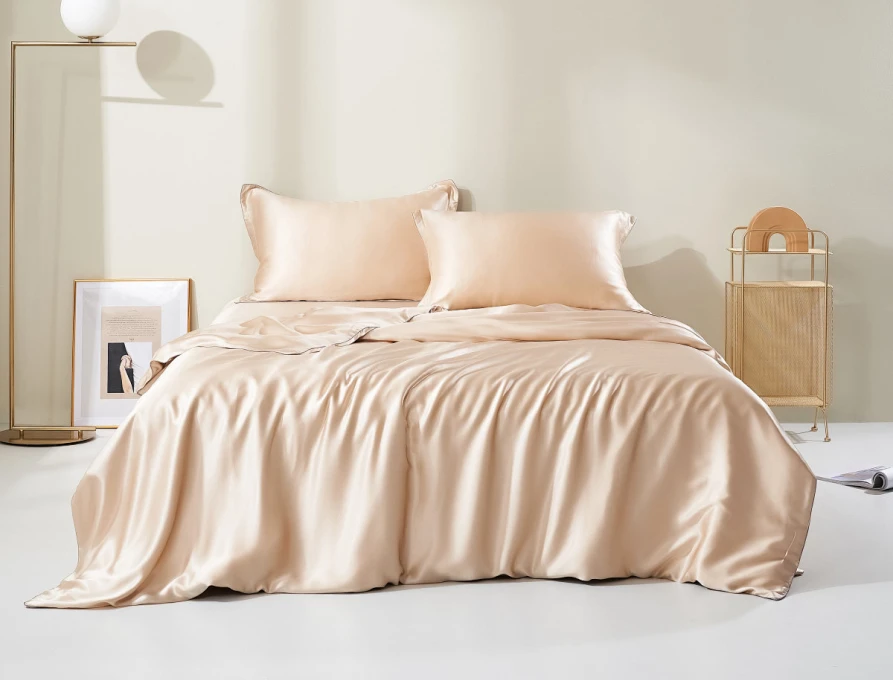
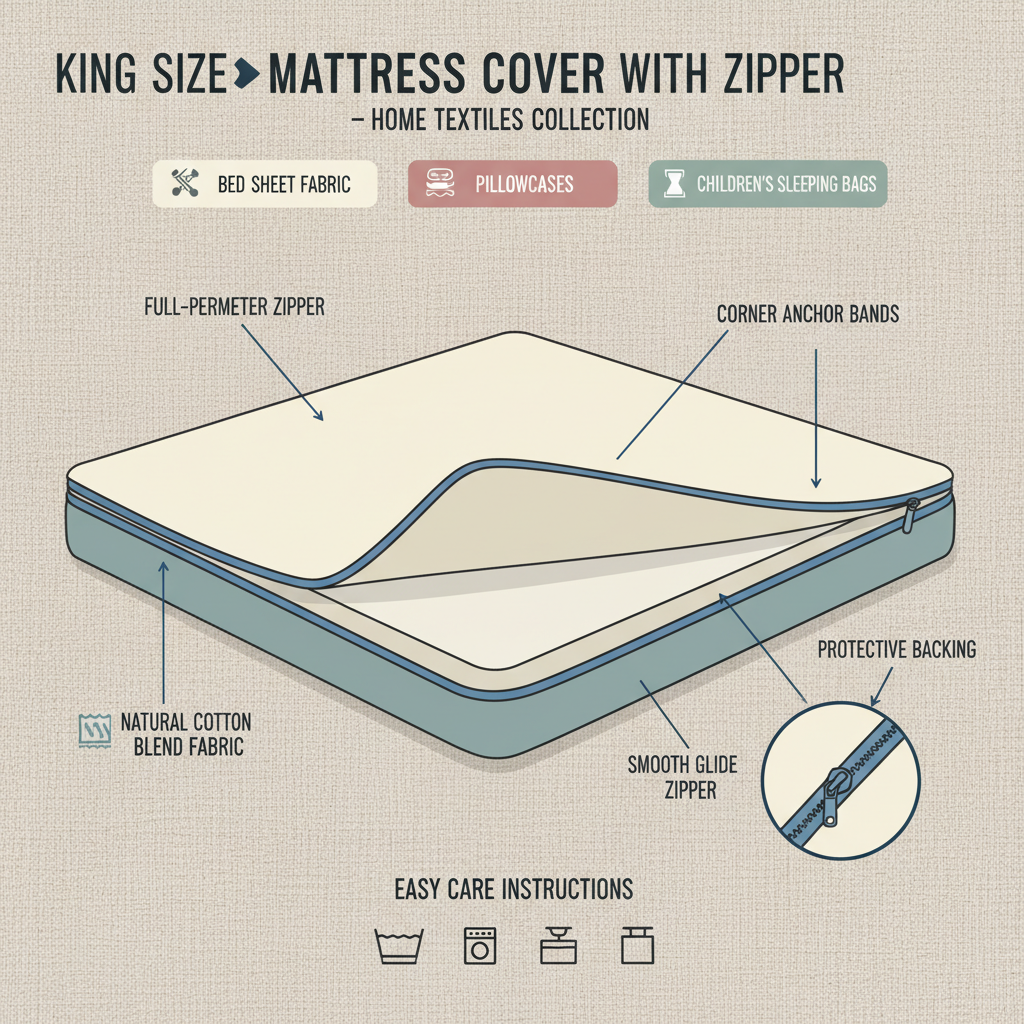
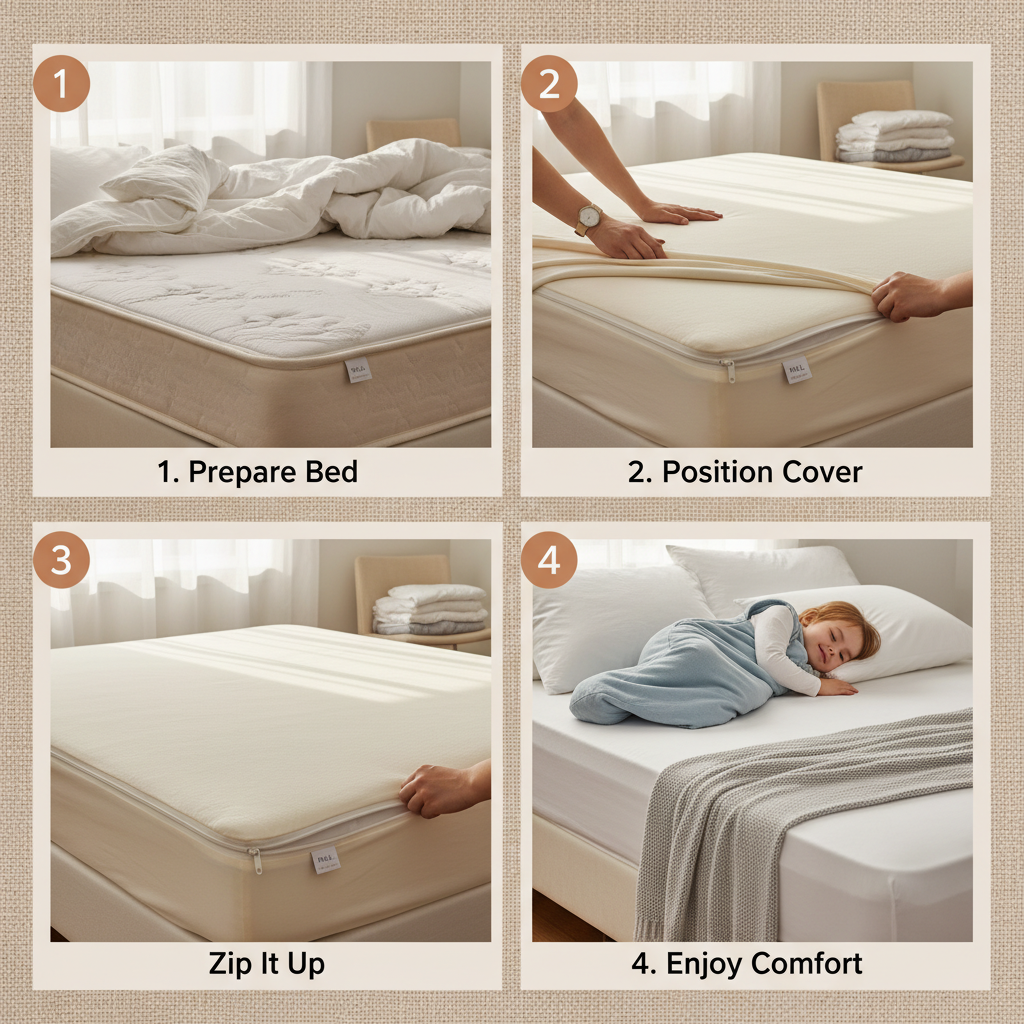
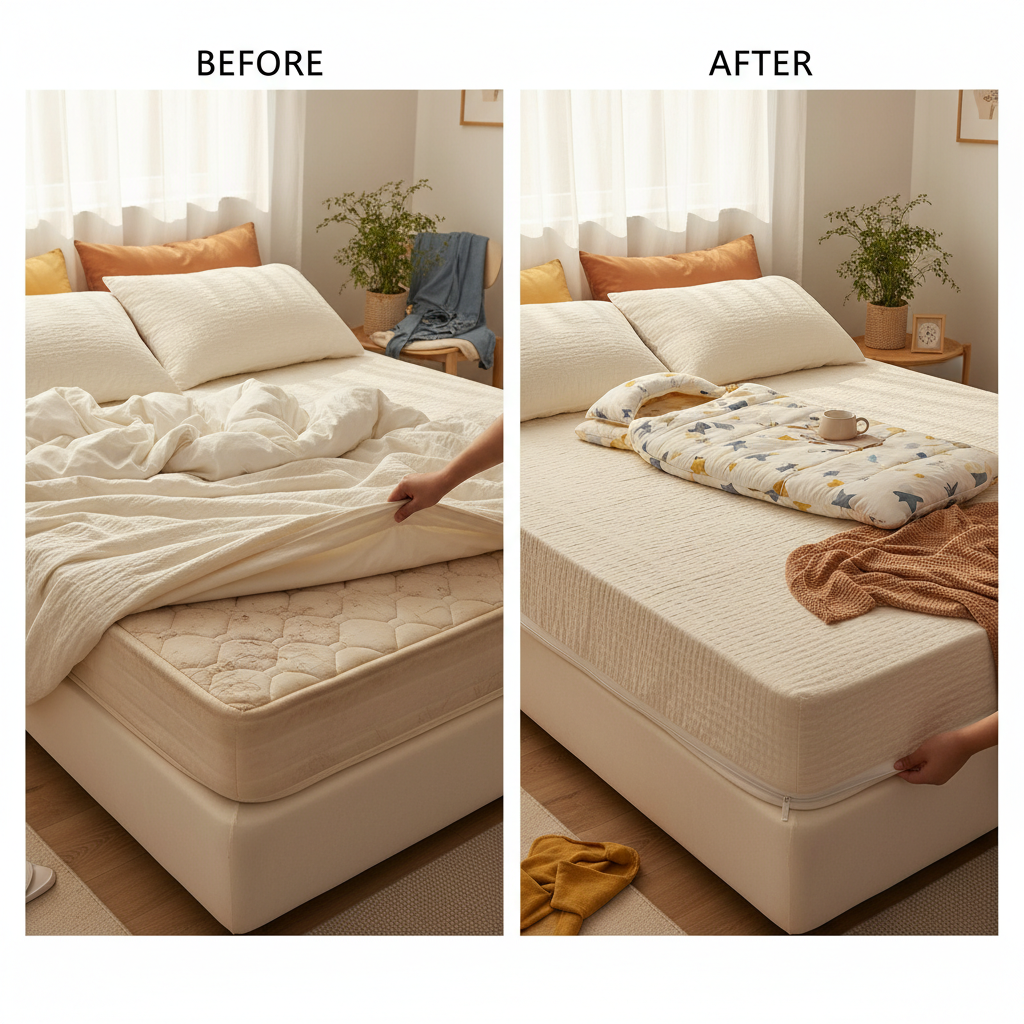
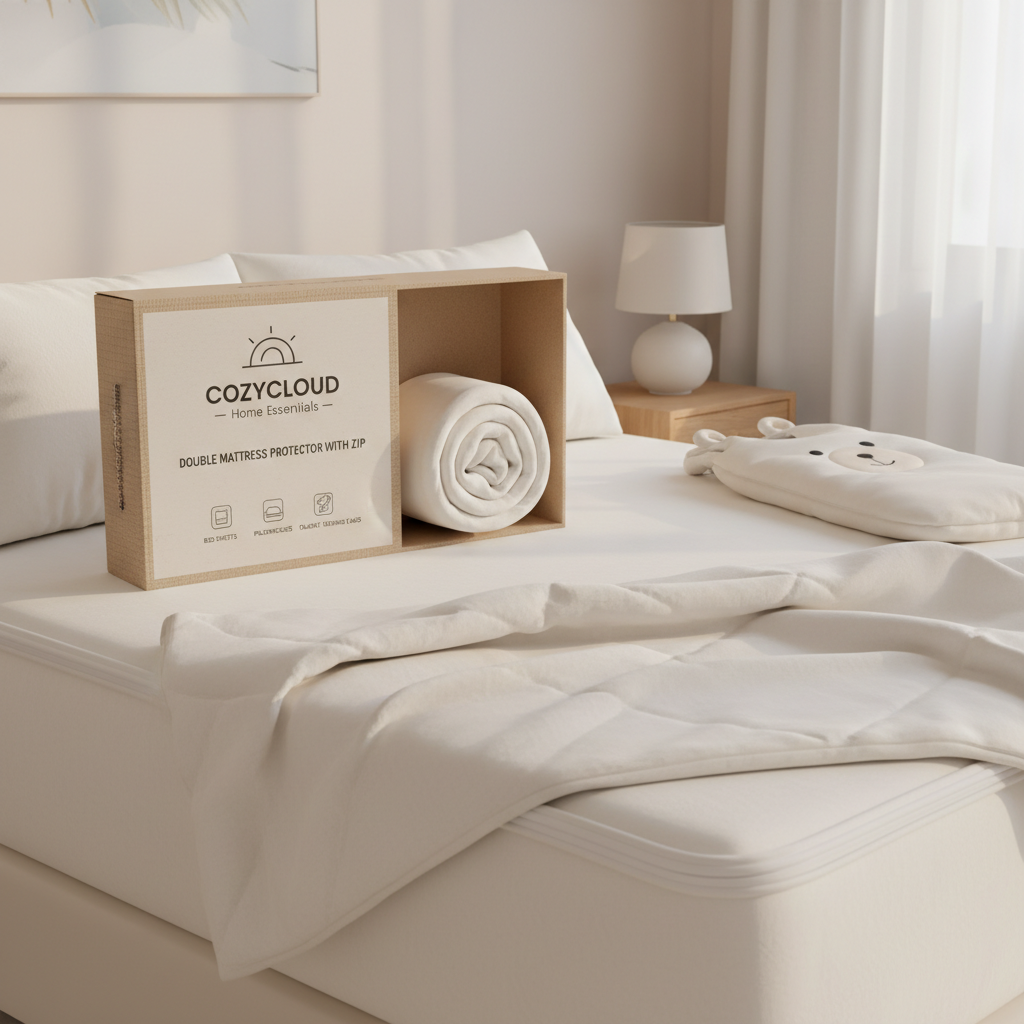
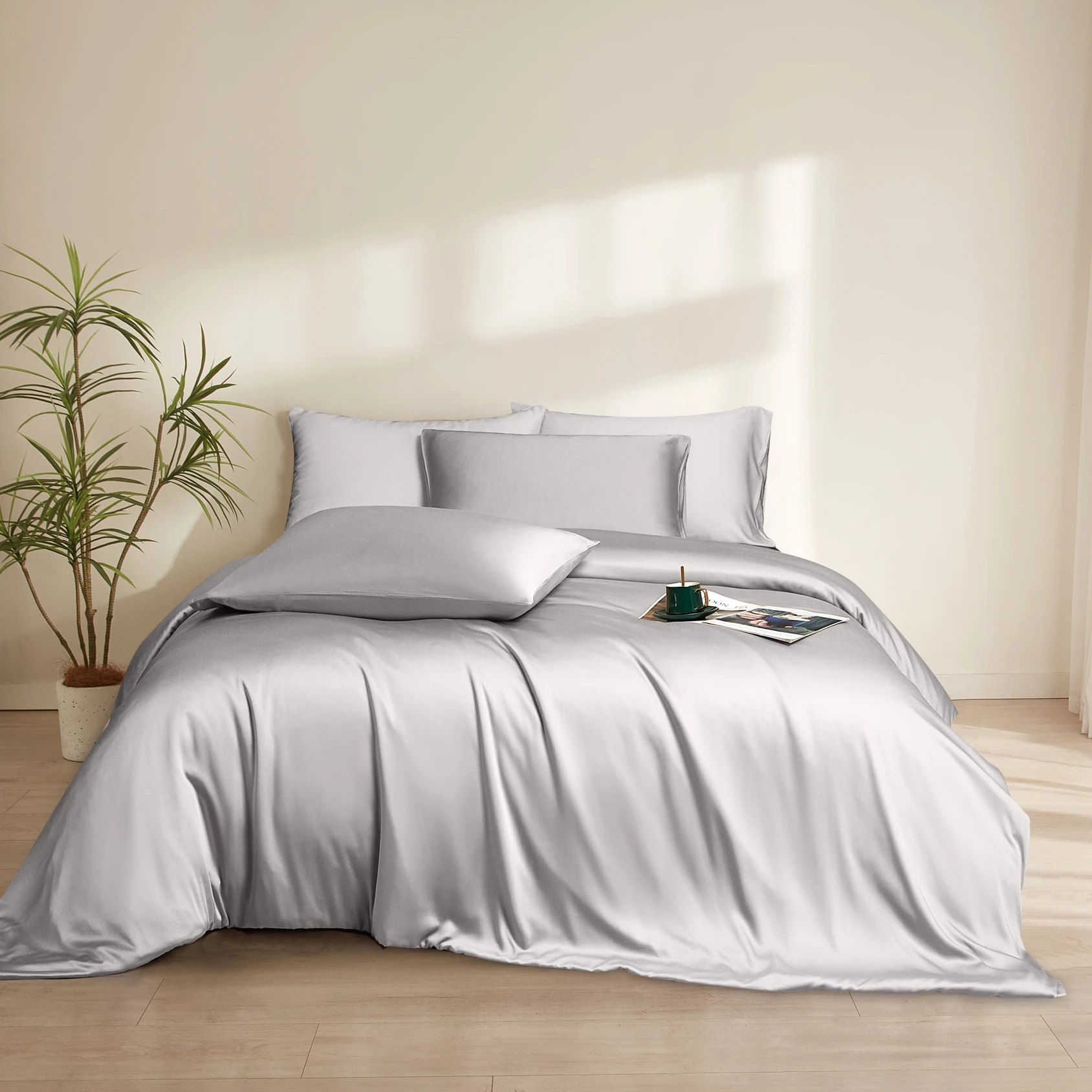
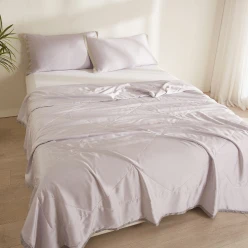
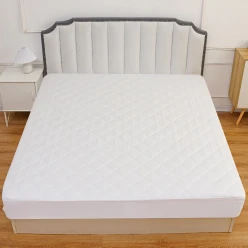
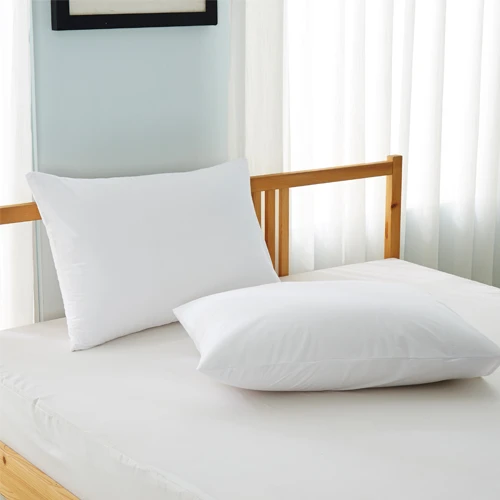
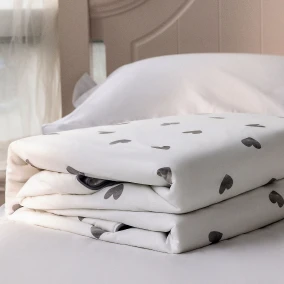
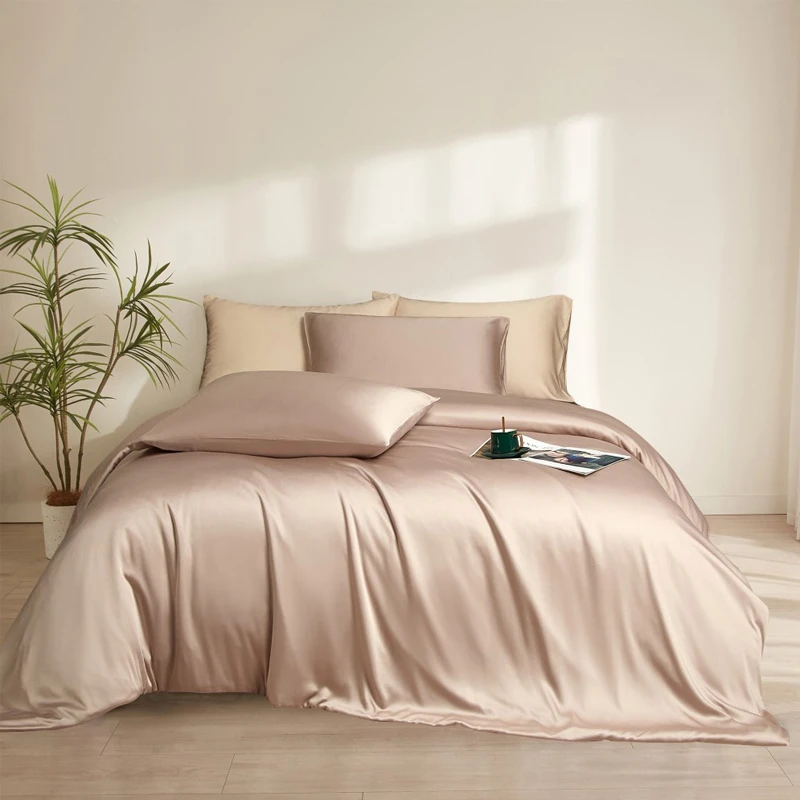
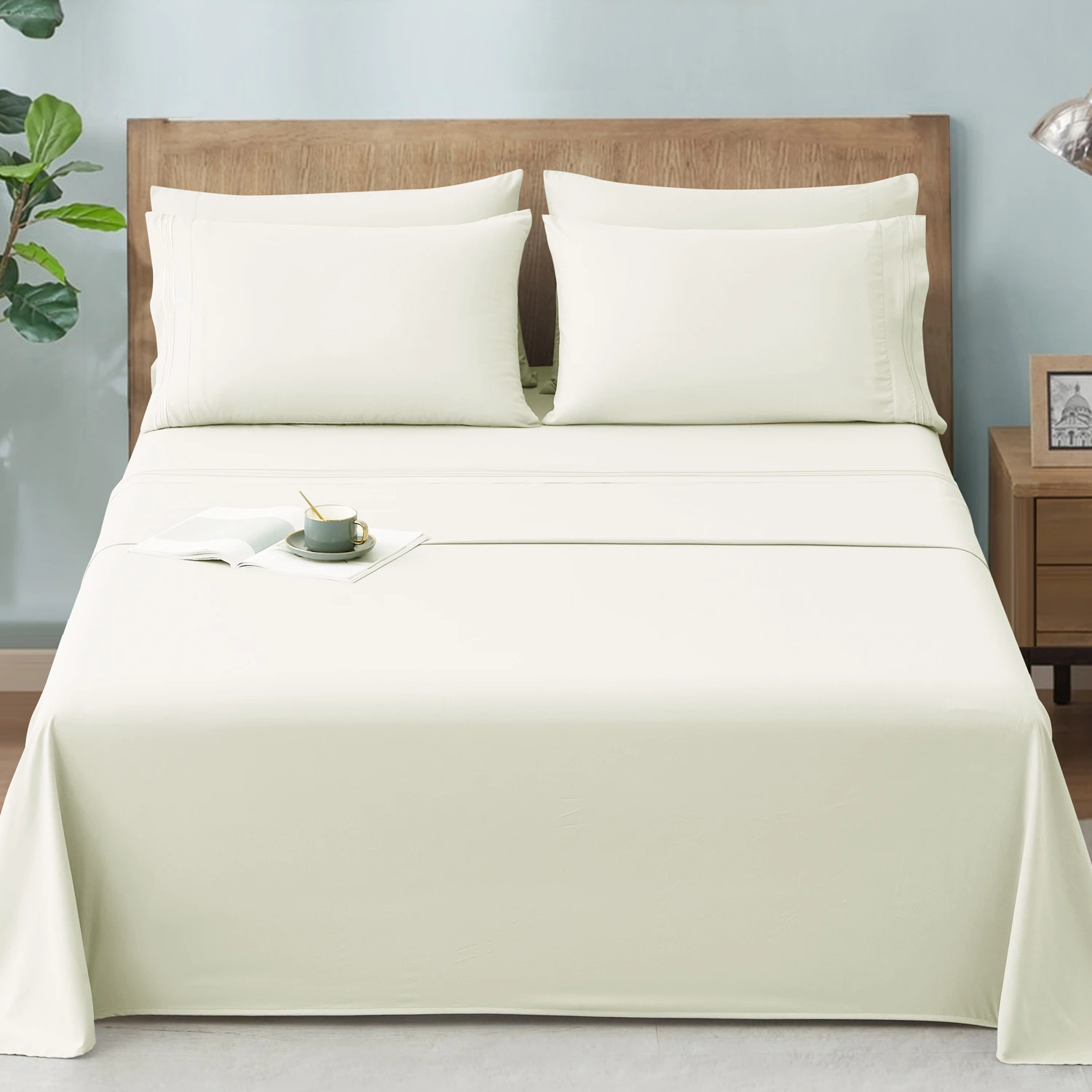
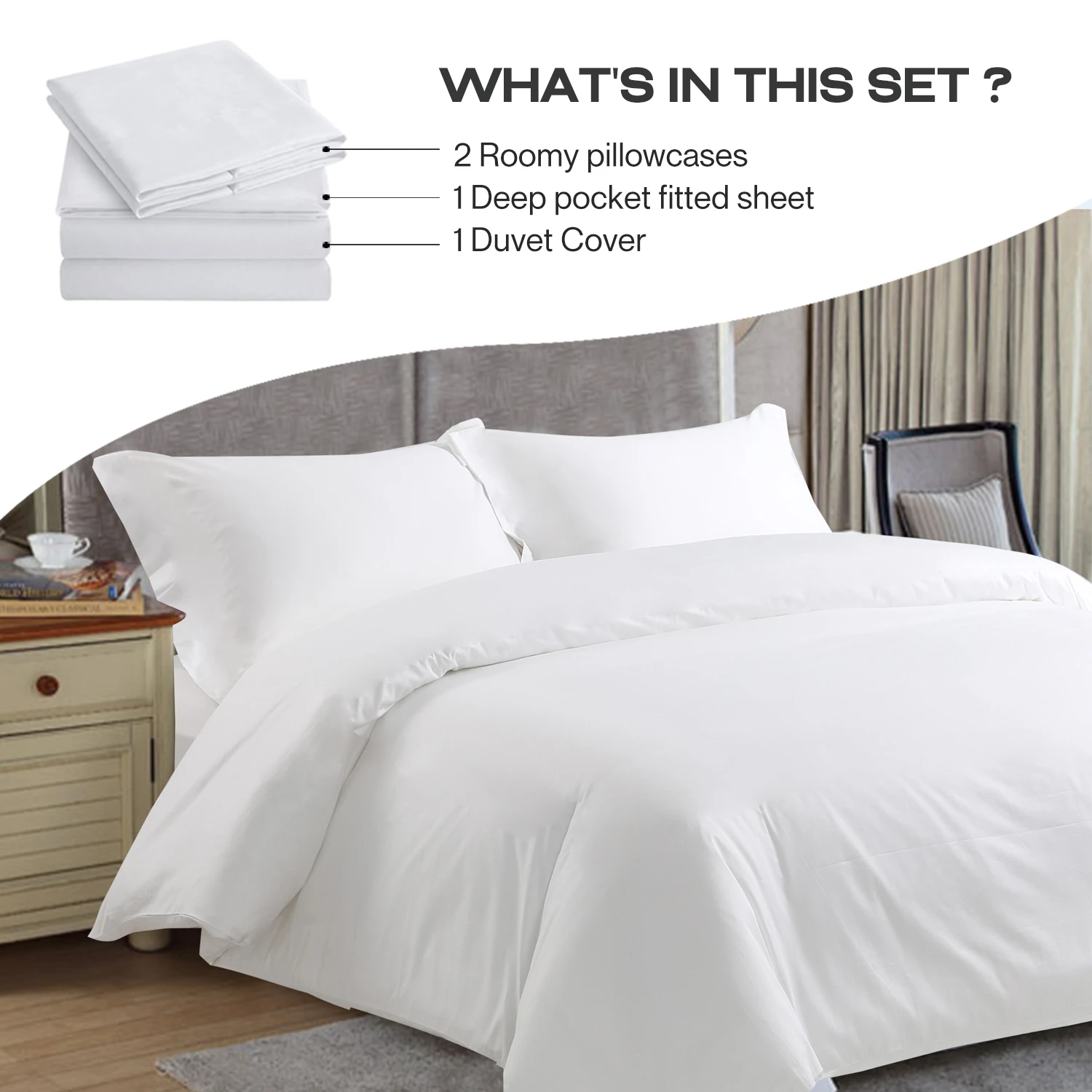
Typowy zestaw pościeli składa się zazwyczaj z kilku kluczowych elementów, najczęściej obejmujących prześcieradło z gumką, płaskie prześcieradło, poszewki na poduszki i poszwę na kołdrę lub kołdrę. Prześcieradło z gumką ma elastyczne krawędzie, aby zapewnić ścisłe dopasowanie do materaca, zapewniając gładką powierzchnię do spania. Płaskie prześcieradło jest umieszczane na prześcieradle z gumką, aby dodać dodatkową warstwę komfortu i ochrony. Poszewki na poduszki, zaprojektowane tak, aby pasowały do standardowych lub dużych poduszek w zależności od rozmiaru łóżka, są dołączone, aby pasować do zestawu i zapewnić spójny wygląd. Poszewka na kołdrę lub kołdra to podstawowy element pościeli zapewniający ciepło i często jest dołączona, aby zakryć kołdrę lub koc. W zestawach wyższej klasy mogą być również dołączone dodatkowe elementy, takie jak spódnice łóżka, poszewki i dekoracyjne poduszki, aby poprawić wygląd łóżka i pokoju. Spódnice łóżka pomagają zakryć sprężyny lub schowek pod łóżkiem, dodając polerowanego wyglądu, podczas gdy poszewki są dekoracyjnymi poszewkami na poduszki, które uzupełniają główną pościel. Zestawy pościeli występują w różnych rozmiarach, takich jak twin, full, queen i king, dlatego ważne jest, aby upewnić się, że zakupiony zestaw odpowiada rozmiarowi materaca. Oprócz rozmiaru, ważnym czynnikiem jest rodzaj tkaniny — bawełna jest popularnym wyborem ze względu na jej oddychalność i miękkość, podczas gdy inne materiały, takie jak len lub poliester, mogą oferować wyjątkowe zalety, takie jak właściwości chłodzące lub trwałość. Liczba nici, która odnosi się do liczby nici wplecionych w cal kwadratowy tkaniny, jest również ważnym czynnikiem; wyższa liczba nici zazwyczaj prowadzi do bardziej miękkiej, bardziej luksusowej pościeli. Niektóre zestawy mogą być również wyposażone w ochraniacz na materac lub poduszki, aby zwiększyć trwałość i czystość.
How Do I Care For My Bedding Set To Ensure Its Longevity?
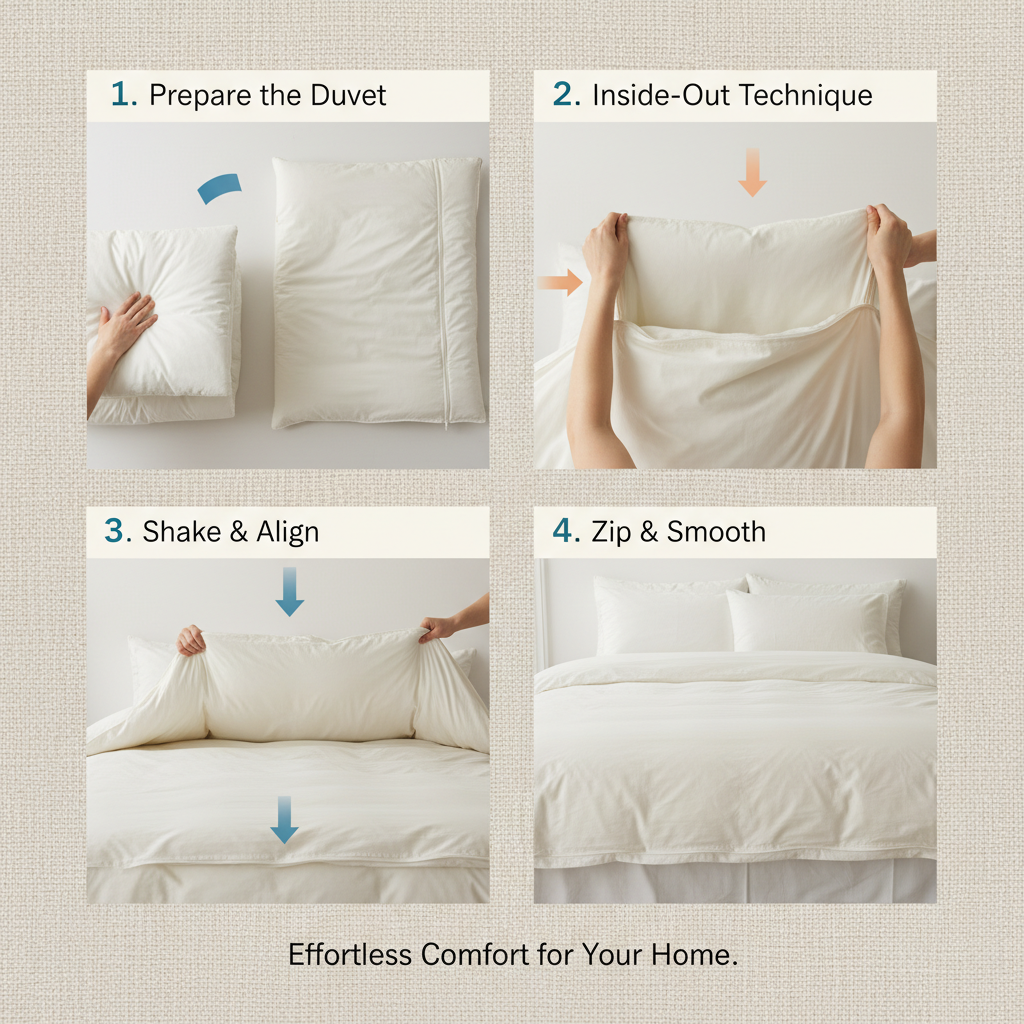
Proper care is essential to ensure your bedding set stays in top condition for as long as possible. First and foremost, always follow the care instructions provided on the label of each item, as different fabrics may require different washing methods. Generally, it is advisable to wash your bedding in cold or warm water using a mild detergent to preserve the fabric and prevent fading. Hot water may cause colors to fade and can lead to shrinkage in certain fabrics, especially cotton. Washing bedding separately from other laundry can also help prevent tangling and wear from other clothing items. When it comes to drying, air drying is often the best option to preserve the integrity of the fabric, particularly for delicate materials like linen or silk. If you choose to use a dryer, set it to a low heat or tumble dry on a delicate setting, as high heat can damage the fabric over time and make it feel rough. For added longevity, remove the bedding from the dryer while it is still slightly damp to minimize wrinkles and avoid over-drying. Ironing may be necessary for some fabrics, especially for items like duvet covers and pillowcases. Be sure to use the appropriate heat setting based on the fabric type; for instance, cotton can handle higher heat, while linen or silk should be ironed at lower temperatures. Additionally, storing your bedding properly when not in use is important. Ensure that bedding is stored in a cool, dry place away from direct sunlight to prevent fading and mildew buildup. If you plan to store bedding for a longer period, consider using breathable storage bags to protect it from dust and environmental factors. Regularly fluff pillows and comforters to maintain their shape, and using mattress protectors and pillow protectors will help preserve the integrity of the set.
How Do I Choose The Right Bedding Set For My Needs And Preferences?
Choosing the right bedding set can be a bit overwhelming due to the variety of options available in terms of materials, sizes, and designs, but by considering a few key factors, you can make an informed decision. First, consider the material of the bedding set. Cotton is a popular and versatile choice due to its softness, breathability, and ease of maintenance. If you're looking for luxury and durability, Egyptian cotton is considered one of the finest options, as it features longer fibers that result in a smoother, softer texture. Linen is another popular option, especially in warmer climates, because it is highly breathable and has natural moisture-wicking properties, though it wrinkles more easily. Polyester, on the other hand, is often more affordable, durable, and resistant to wrinkles but can lack the breathability of natural fibers. For those looking for a more luxurious feel, silk can be a great option, although it requires careful maintenance and is typically more expensive. Thread count is another important factor, as it can affect the softness and feel of the fabric. Thread count refers to the number of threads woven into one square inch of fabric, with higher numbers generally indicating a softer, more luxurious feel. However, a high thread count does not always mean better quality; the material and weave are equally important in determining comfort. The size of the bedding set is equally important—ensure that you purchase a set that corresponds to the size of your mattress, whether it’s twin, full, queen, or king. Be sure to measure your mattress before purchasing to ensure the fitted sheet will fit properly. When choosing a design, consider your bedroom decor and personal style. Bedding sets come in a wide range of colors and patterns, so choose one that complements your existing furniture, wall colors, and overall aesthetic. If you have allergies or sensitive skin, look for hypoallergenic options, as bedding made from synthetic fibers or treated with allergen-resistant finishes can help reduce the risk of irritation. Finally, think about the climate in your area; in colder climates, you might prefer thicker, warmer bedding like flannel sheets or down comforters, while in warmer areas, lightweight cotton or linen bedding may be more comfortable.