





Understanding the Importance of Waterproof Mattress Cover Single
If you’ve ever dealt with a mattress stain or had a restless night worrying about spills, you’ve already encountered one of the many everyday nuisances that a waterproof mattress cover single aims to solve. More than just a fabric shield, these covers play a surprisingly vital role, not only in homes worldwide but also in healthcare, hospitality, and humanitarian fields. Globally, millions of mattresses are discarded or replaced prematurely due to moisture damage and contamination—which is costly for individuals and industries alike. In that light, a simple waterproof mattress cover offers a durable, hygienic, and eco-friendly solution that keeps mattresses pristine, extends their lifespan, and improves health safety. Let’s dive deeper into what makes this product globally relevant and worth understanding.
Introduction: Why Waterproof Mattress Covers Matter Globally
Waterproof mattress covers have a global relevance that many don’t immediately appreciate. According to the World Health Organization, infections related to insufficient hygiene in healthcare environments contribute to extended hospital stays and increased costs. A significant part of maintaining hygiene involves protecting mattresses from bodily fluids and contaminants. Beyond hospitals, think about hospitality industries, eldercare, childcare centers, and even households dealing with children or pets. Each of these faces the common challenge of keeping mattresses clean and safe—this is where the waterproof mattress cover single shines as a practical barrier.
Notably, the mattress protection market has been growing rapidly, partly driven by rising awareness about allergens and dust mite control—issues linked to asthma and other respiratory problems, as stated by the Asthma and Allergy Foundation of America.
What Is a Waterproof Mattress Cover Single?
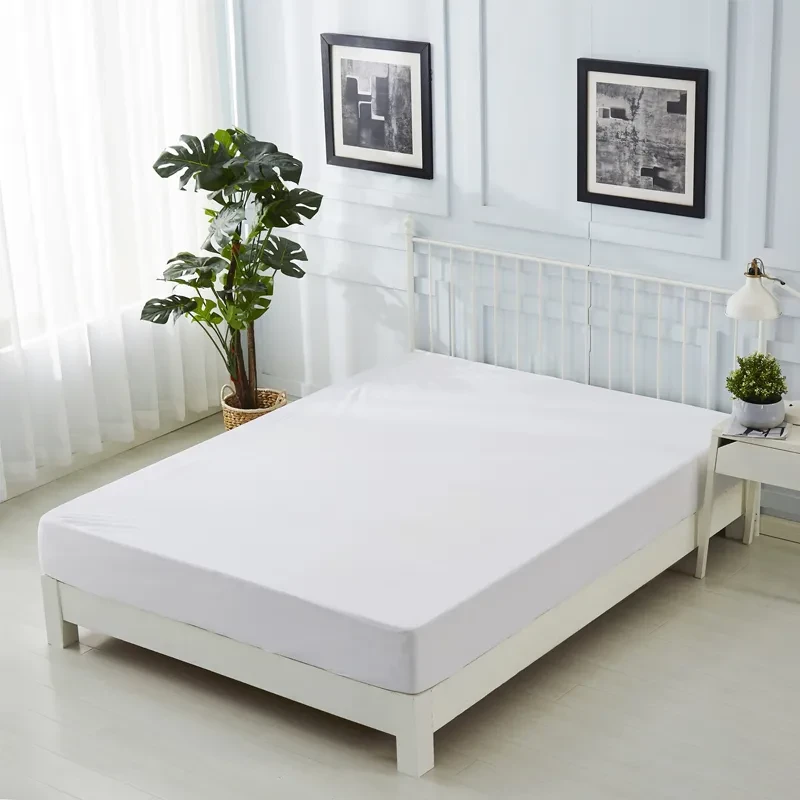
In simplest terms, a waterproof mattress cover single refers to a mattress protector designed for a single bed that prevents fluids, allergens, and dust from penetrating the mattress. Typically, it combines a soft, breathable fabric with a waterproof membrane—most often polyurethane—which repels liquids without compromising comfort. This type of cover is an essential accessory in many sectors, marrying comfort, functionality, and health.
Its importance expands beyond domestic use; it’s deeply integrated into modern industries concerned with hygiene and mattress longevity—think hospitals avoiding cross-contamination or refugee camps requiring durable, easy-to-clean bedding.
Core Components & Key Factors
Durability
A waterproof mattress cover must resist daily wear, frequent washing, and accidental spills. Materials are often tested to meet standards like ISO 811 for water resistance, ensuring a long-lasting protective barrier.
Comfort & Breathability
Oddly enough, waterproof doesn’t have to mean sticky or sweaty. High-quality covers utilize breathable membranes that allow air circulation, preventing heat retention and improving sleeping comfort.
Hygienic Protection
Beyond water, these covers act as shields against dust mites, bed bugs, and allergens, which is crucial in healthcare and allergy-prone environments.
Ease of Use & Maintenance
They often feature fitted corners or zippered enclosures for snug fit and are machine washable—making cleaning straightforward, which is a win for users dealing with routine spills or contamination.
Cost Efficiency
While investing in a quality waterproof cover might seem like an upfront cost, it extends mattress life and reduces replacement frequency, providing long-term financial benefits.
Product Specification Table: Example Waterproof Mattress Cover Single
| Feature | Specification |
|---|---|
| Material | 100% Cotton terry with PU membrane |
| Waterproof Rating | >2000 mm water column (ISO 811) |
| Breathability | >6000 g/m²/24h (MVTR) |
| Fit Type | Fitted sheet style, pocket depth 30 cm |
| Cleaning | Machine washable up to 95°C |
| Certifications | OEKO-TEX Standard 100 |
Comparing Top Waterproof Mattress Cover Vendors
| Vendor | Material Quality | Price Range | Waterproof Rating | Warranty |
|---|---|---|---|---|
| AquaGuard Covers | Cotton/PVC Membrane | $25-$40 | 1500 mm | 2 years |
| SafeSleep Essentials | Cotton/TPE Membrane | $30-$45 | 2200 mm | 3 years |
| BioGuard Linens | Bamboo Blend/PU Membrane | $35-$50 | 2000 mm | 5 years |
Global Applications & Real-World Use Cases
- Healthcare Facilities: Hospital mattresses are regularly exposed to fluids and contaminants. Waterproof covers improve infection control and reduce costs of mattress replacement.
- Hospitality Industry: Hotels rely on mattress covers to ensure hygiene and protect from frequent guest turnover, avoiding stains and odors.
- Childcare & Elder Care: Vulnerable groups need extra hygiene protection; waterproof covers enhance dignity and comfort.
- Humanitarian Relief: Post-disaster shelters and refugee camps often use waterproof bedding for hygiene and durability under rough conditions.
- Residential Use: Families with kids or pets benefit from mattress protection against spills, accidents, allergens, and dust mites.
In real terms, these covers also lower mattress disposal rates, contributing indirectly to sustainability by reducing landfill burdens.
Mini takeaway: Waterproof mattress cover singles are more than household items—they’re hygiene enhancers and mattress preservers essential in diverse global settings.
Advantages & Long-Term Benefits
Waterproof mattress covers offer significant cost savings by extending mattress life, minimizing the frequency of replacement that most households and industries face. They support better hygiene by blocking allergens, bed bugs, dust mites, and bacteria, which can notably benefit those with respiratory conditions. Emotionally, it feels reassuring to sleep worry-free, protected from the unknown spills or accidents, especially in hospitals or care facilities.
Socially, the usage of these covers preserves dignity—for example, an elderly patient benefits psychologically from clean, dry bedding. Ecologically, fewer mattress disposals translate into less waste; a small but meaningful sustainability win.
Emerging Trends & Innovations
Manufacturers are increasingly innovating with eco-friendly materials like organic bamboo fibers and recyclable membranes. Digital tracking tags embedded in covers are another upcoming trend, making maintenance and replacement schedules smarter, fitting neatly into the broader digital transformation of healthcare and hospitality.
Automation in manufacturing is improving quality control, while new certifications and stricter sustainability policies push the industry towards greener production.
Challenges & Expert Solutions
One common complaint is the compromise between waterproofing and breathability: many cheap covers trap heat, making sleep uncomfortable. Experts recommend microporous polyurethane membranes that balance water resistance with airflow. Another challenge is finding the perfect fit for non-standard mattress sizes, which vendors are addressing through custom sizing or elasticized edges.
Additionally, some inexpensive covers lose their waterproof quality after repeated washes. Investing in OEKO-TEX or ISO certified products generally ensures durability.
FAQ: Frequently Asked Questions About Waterproof Mattress Cover Single
Q: What exactly makes a mattress cover waterproof?
A: Waterproof mattress covers typically use a polyurethane (PU) membrane—a thin, flexible layer that repels water molecules while allowing limited air passage for breathability.
Q: Can a waterproof mattress cover single help with allergy symptoms?
A: Yes, by blocking dust mites, mold spores, and allergens that accumulate in mattresses, these covers can reduce allergy triggers significantly.
Q: How often should I wash my waterproof mattress cover?
A: Manufacturers generally recommend washing every 1–3 months or as needed. High-temperature washing (60°C+) with mild detergent is best to maintain hygiene.
Q: Are waterproof mattress covers noisy or uncomfortable?
A: High-quality covers with breathable membranes feel soft and quiet. Older or cheaper models might be crinkly, but modern ones are designed for comfort.
Conclusion and Call to Action
Investing in a reliable waterproof mattress cover single goes beyond avoiding spills—it’s about preserving mattress integrity, promoting health, and contributing to sustainability on a surprisingly large scale. From individual households to hospitals and disaster relief efforts, these covers protect what truly matters: a safe, comfortable place to rest. So if you want to protect your mattress while enjoying peace of mind, check out waterproof mattress cover single options today—your mattress (and wallet) will thank you.
References:
1. World Health Organization - Infection Prevention
2. Wikipedia - Bed Bug
3. Wikipedia - Polyurethane

Related Products
Our Latest News
Apr 16,2026
Best King Size Mattress Cover with Zipper for Complete Protection
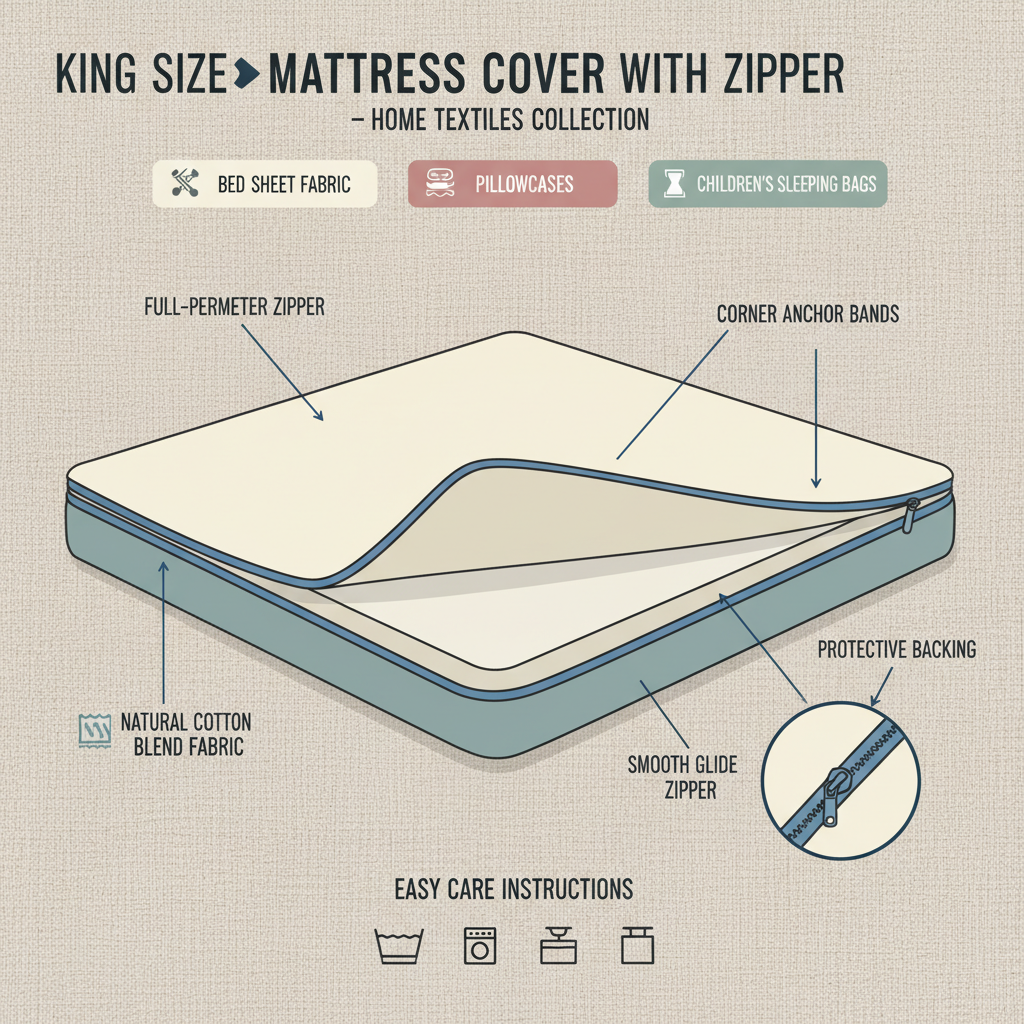
Investing in a high-quality mattress is only the first step toward a perfect night's sleep. To protect that investment from spills, allergens, and general wear and tear, a king size mattress cover with zipper is an essential accessory. Unlike fitted sheets or simple toppers, a zippered encasement provides 360-degree protection, ensuring that your mattress remains pristine and hygienic for years to come. Whether you are battling dust mites or simply want to keep your bed fresh, choosing the right cover can significantly enhance your sleep quality and longevity of your bedding.
Apr 09,2026
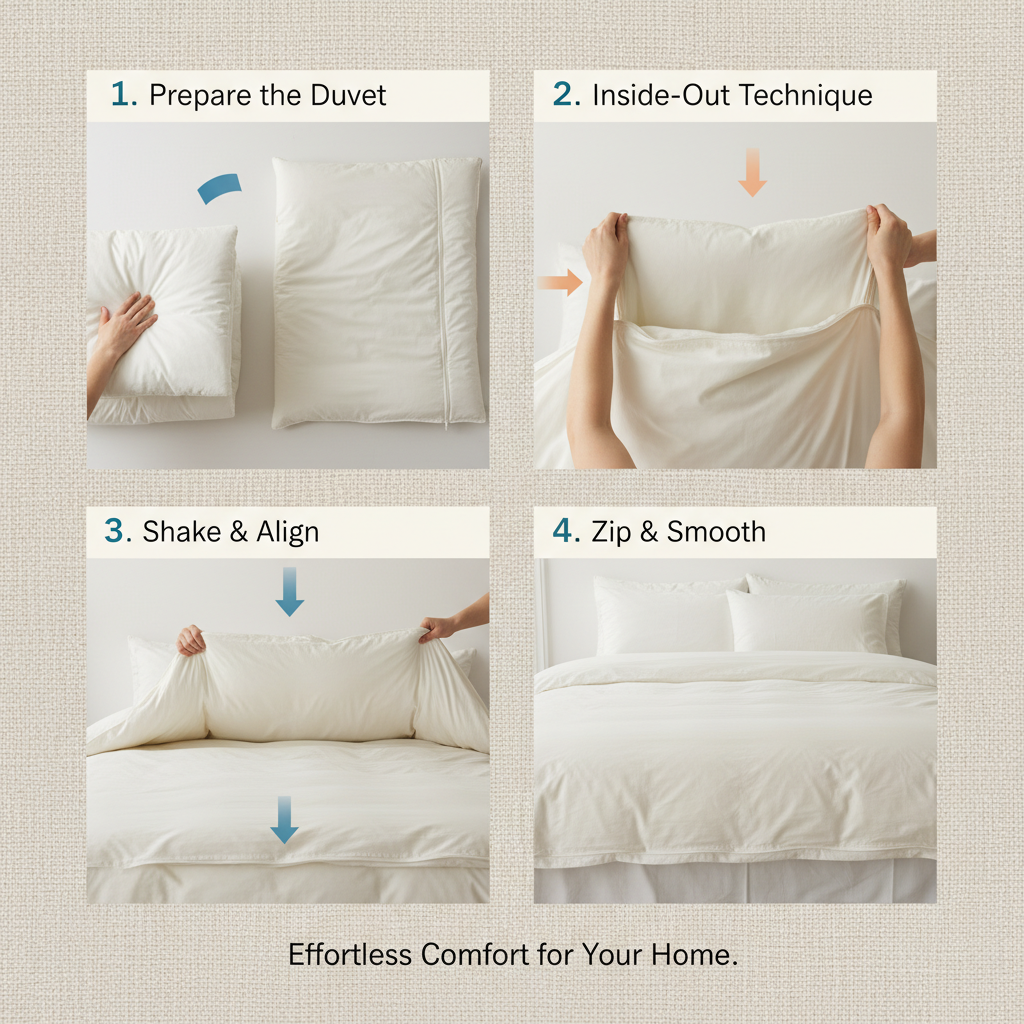
Best Guide for Choosing King Size Bed Cover with Zip Protection
Maintaining a pristine sleeping environment is essential for both hygiene and long-term mattress durability. A high-quality king size bed cover with zip provides a comprehensive shield against dust mites, allergens, and accidental spills. Unlike standard fitted sheets, a zipped encasement fully envelops the mattress, ensuring that nothing penetrates the fabric. Whether you are dealing with allergies or simply want to extend the life of your expensive king-size mattress, choosing the right protective cover is a game-changer for your bedroom health. In this guide, we will explore the technical advantages, materials, and key considerations for selecting the perfect enclosure for your bed.
Apr 07,2026
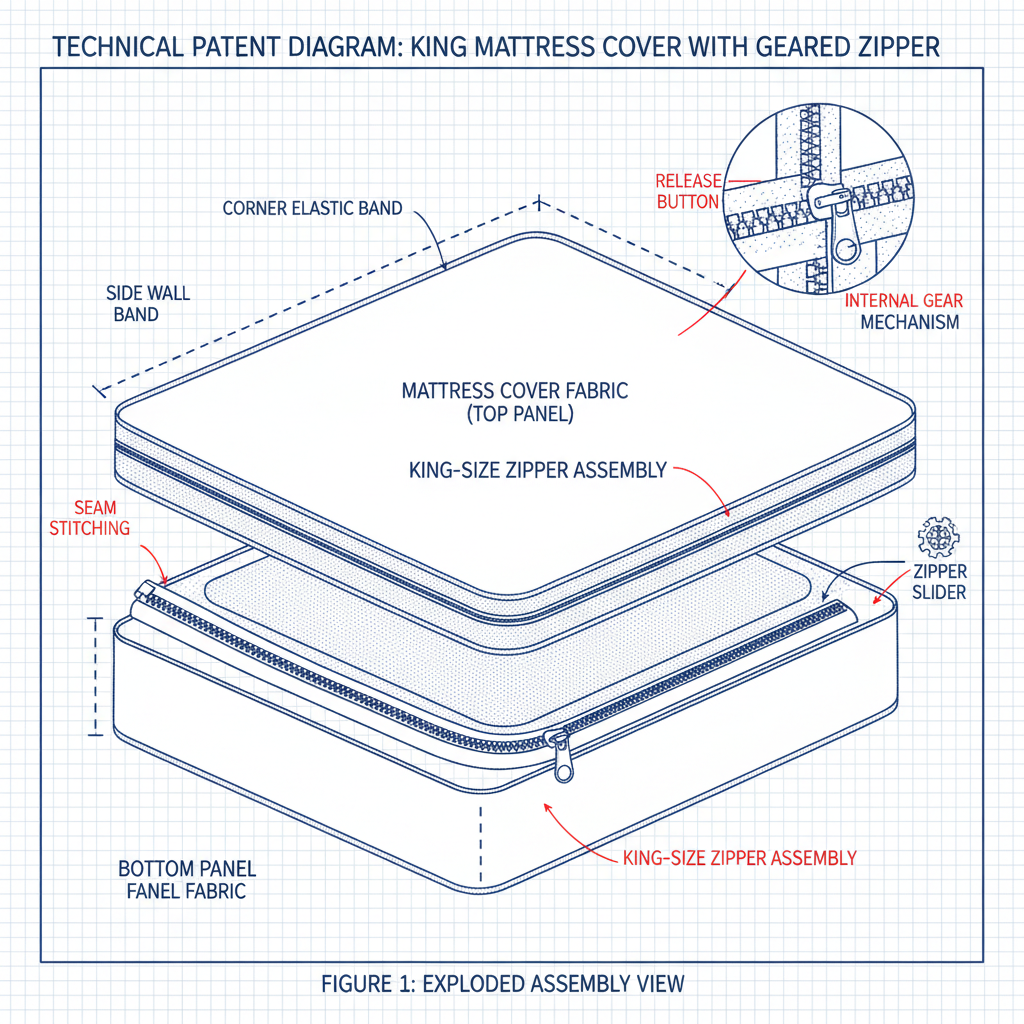
Comprehensive Guide to Choosing the Best King Mattress Cover with Zipper for Optimal Protection
Protecting your mattress is crucial for hygiene, longevity, and comfort. A king mattress cover with zipper offers a comprehensive solution, shielding against dust mites, allergens, spills, and wear and tear. This article delves into the benefits of using a zippered king mattress cover, key features to look for, materials, and how to choose the best one for your needs. Investing in a quality mattress protector is an investment in your health and the lifespan of your mattress.


Address
1010, ZHONGYUAN BUILDING, NO.368 NORTH YOUYI STREET. SHIJIAZHUANG,HEBEI,CHINA.


