





Understanding Waterproof Mattress Encasement: A Practical Guide
When we hear waterproof mattress encasement, it might evoke thoughts of bedroom protectors or maybe hospital bedding. But frankly, it’s so much more than a simple cover—it addresses big, often overlooked global needs. From protecting mattresses in home environments to playing a critical role in healthcare and humanitarian relief, this little-known product safeguards hygiene, health, and even dignity on a broad scale.
Why It Matters in a Global Context
Across the world, mattresses are vulnerable to moisture, stains, allergens, and pests—problems that escalate in regions facing humid climates, refugee crises, and situations requiring sanitation control. According to WHO and UN reports, hygiene-related illnesses remain a leading cause of distress in displaced populations, and mattress encasement can be a frontline defense. Plus, industries like hospitality, healthcare, and elder-care increasingly rely on these encasements to maintain cleanliness standards. So understanding this seemingly simple product can have powerful implications.
Mini takeaway: Waterproof mattress encasements are a small but vital solution tackling big hygiene and comfort issues globally.
Defining Waterproof Mattress Encasement
Simply put, a waterproof mattress encasement is a protective cover that fully wraps a mattress to block liquids, allergens, dust mites, and spills from penetrating its surface. Usually made of breathable but impermeable fabrics—like polyurethane laminates on cotton blends—it keeps the mattress dry and clean without sacrificing comfort.
Industrially or in relief settings, these encasements form part of infection prevention protocols, reduce mattress turnover costs, and extend the longevity of essential bedding supplies.
Mini takeaway: It’s a smart, practical shield for mattresses that balances protection and comfort.
Core Components and Factors of Waterproof Mattress Encasement
1. Durability
The encasement needs to resist tears and withstand frequent washing under harsh conditions—especially critical in hospitals or refugee camps. Materials like ripstop nylon or laminated polyester achieve this by combining strength and flexibility.
2. Breathability
Some may assume waterproof means suffocating or sweaty, but quality encasements use advanced membranes allowing air and vapor to pass, preventing moisture build-up beneath the cover.
3. Complete Enclosure
It’s essential the encasement zips completely around the mattress, sealing seams and edges to prevent dust mites or bedbugs—important for allergy sufferers or infection control.
4. Eco-Friendly Materials
With sustainability gaining ground, many manufacturers now offer encasements made from recycled fabrics or biodegradable laminates, reducing environmental footprint without compromising function.
5. Comfort
The surface needs a soft feel; a rough or plasticky cover would reduce sleep quality and acceptance by users.
6. Cost Efficiency
Finally, both price and lifespan matter. A balance enables widespread use, especially in humanitarian sectors with limited budgets.
Mini takeaway: The ideal encasement blends durability, breathability, and comfort—while keeping sustainability and cost in mind.
Common Product Specifications
| Specification | Typical Value | Notes |
|---|---|---|
| Material | Polyurethane laminate on cotton | Breathable yet impermeable |
| Waterproof rating | > 10,000 mm H2O | Hydrostatic head test standard |
| Allergen barrier | Certified allergen-proof | Important for asthma sufferers |
| Zipper type | Nylon Coil with locking pull | Prevents accidental opening |
| Care instructions | Machine wash cold, tumble dry low | Supports repeated cleanings |
Global Applications & Use Cases
Waterproof mattress encasements find their way into myriad settings worldwide. In healthcare: hospitals and nursing homes adopt them to reduce cross-contamination and bed linen costs. Oddly enough, hospitality (hotels, cruise ships) also increasingly rely on them for quick turnover and guest satisfaction.
In disaster relief or refugee camps, where hygiene infrastructure is often stretched thin, these encasements dramatically improve sleeping conditions by reducing exposure to moisture and parasites. In industrial zones or military environments, they protect mattresses from chemical or environmental pollutants.
Consider Japan’s frequent natural disasters: emergency shelters there use waterproof mattress encasements extensively to protect sleeping surfaces in crowded, challenging conditions. Similarly, aid organizations like Doctors Without Borders emphasize their use in tropical regions with high humidity.
Mini takeaway: These encasements are small heroes across sectors—from hospitals to refugee camps—protecting health and comfort globally.
Comparing Leading Vendors of Waterproof Mattress Encasement
| Vendor | Material | Waterproof Level | Eco Features | Price Range |
|---|---|---|---|---|
| EncasaTech | Polyurethane laminated cotton | 15,000 mm H2O | Recycled fabric & biodegradable laminate | $$$ |
| SafeSleeper | Microporous TPU on cotton blend | 10,000 mm H2O | Low VOC adhesives | $$ |
| SleepGuard Pro | Laminated nylon ripstop | 20,000 mm H2O | Standard materials | $$$$ |
Advantages and Long-Term Value of Waterproof Mattress Encasements
Besides obvious benefits like preventing liquid damage and stains, encasements represent an investment in hygiene and mattress longevity. They often reduce replacement needs by up to 50% in clinical trials, which means fewer discarded mattresses and cost savings.
Socially and emotionally, they improve user dignity—something especially important in care settings—by providing a fresh, clean surface that feels safe and comfortable. There’s also peace of mind for caregivers, who trust these barriers to keep patients safe from allergens or infections.
Mini takeaway: Beyond protection, mattress encasements build trust, dignity, and sustainability.
Emerging Trends and Innovations
Innovation keeps rolling. We’re seeing next-gen materials combining nanotechnology for antimicrobial effects and even smart fabrics that monitor moisture levels or wear. Some pioneering brands focus on completely biodegradable versions to combat waste. There's talk of automatic cleaning encasements using embedded UV sterilization, though that might be a few years off yet.
Digital transformation also impacts manufacturing and supply chains, enhancing customization and faster deployment—valuable in emergencies. The environmental push means certifications like OEKO-TEX and certifications from environmental bodies are becoming the new norm.
Challenges & Solutions in Waterproof Mattress Encasements
A few things can trip up buyers or users: sometimes encasements sacrifice breathability for waterproofing, making sleep uncomfortable. Zipper failures or poor seam sealing can also degrade protection. Sizing issues create fitting problems, especially with non-standard mattress dimensions.
The good news: manufacturers are responding with hybrid membranes, patented zipper technology, and extensive size ranges. Consumer education on care and fit is critical too—often a simple knowledge gap causes higher returns or complaints.
FAQ: Common Questions About Waterproof Mattress Encasement
- Q: How breathable are waterproof mattress encasements?
A: Quality encasements use specialized membranes allowing air and water vapor to escape, preventing heat build-up. This keeps sleepers comfortable even though the encasement is fully waterproof. - Q: Can mattress encasements prevent bedbugs and allergens?
A: Yes, complete zip-around encasements create a sealed barrier that blocks dust mites, bedbugs, and other allergens, which is why they’re recommended in allergy management and healthcare settings. - Q: How often should I wash my waterproof mattress encasement?
A: Usually, machine washing every 1–3 months is sufficient, with frequency increasing if spills or infections occur. Always follow manufacturer instructions to avoid damaging the waterproof membrane. - Q: Are eco-friendly mattress encasements as durable?
A: Many use recycled and biodegradable materials engineered for long life and performance, so yes, you can get sustainability without sacrificing durability.
Conclusion: Why Choose Waterproof Mattress Encasements?
It might seem like a minor accessory, but a waterproof mattress encasement is a frontline defense—protecting mattresses, enhancing hygiene, and ultimately improving health outcomes worldwide. Whether you’re a hospital manager, humanitarian worker, or a homeowner wanting peace of mind, investing in quality encasements pays off over time.
If you’re looking for trusted options, do explore our selection at waterproof mattress encasement suppliers and see the difference smart protection makes.
In real terms, it’s an investment in comfort, health, and even sustainability — a product quietly proving its worth one mattress at a time.
References:
1. World Health Organization (WHO) – Infection Control Guidelines
2. United Nations High Commissioner for Refugees (UNHCR) – Shelter and Non-Food Items Standards
3. ISO 811:2018 – Testing for Waterproof Textiles

Related Products
Our Latest News
Apr 16,2026
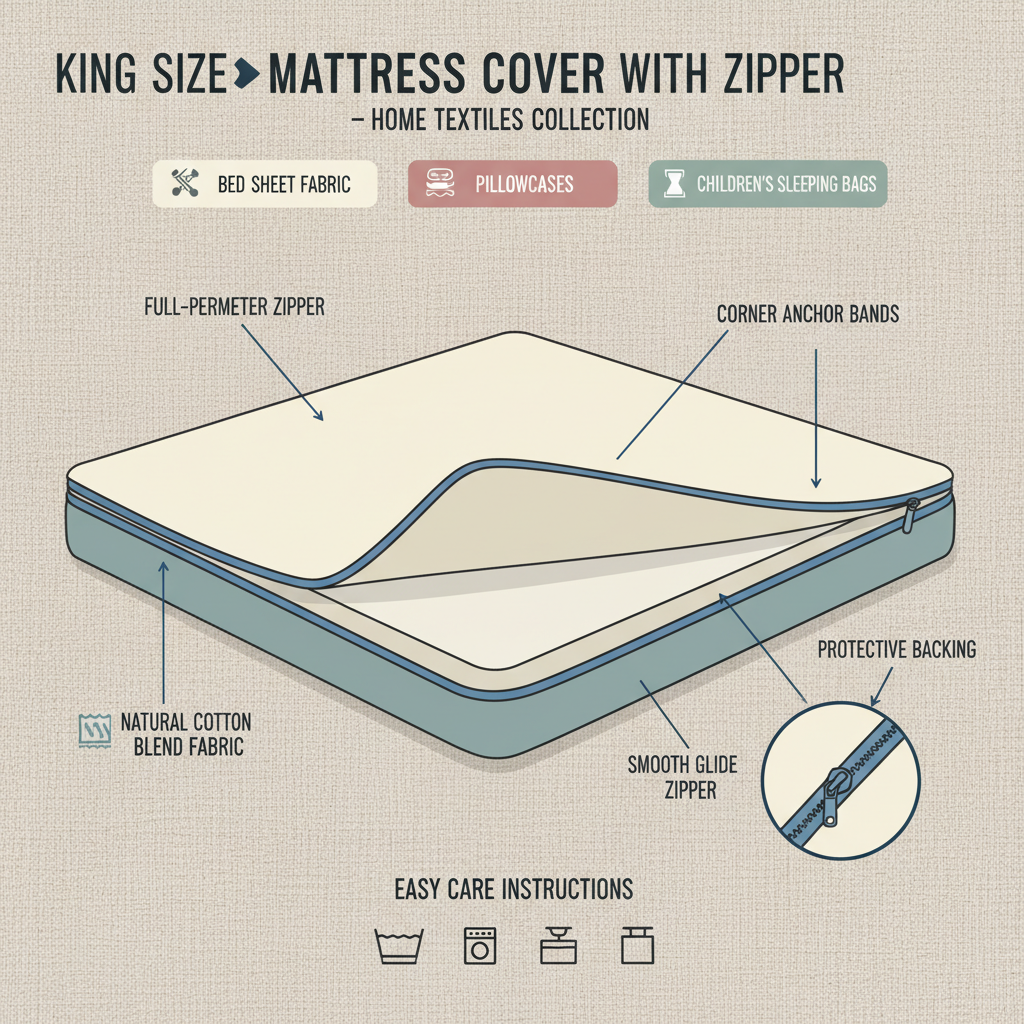
Best King Size Mattress Cover with Zipper for Complete Protection
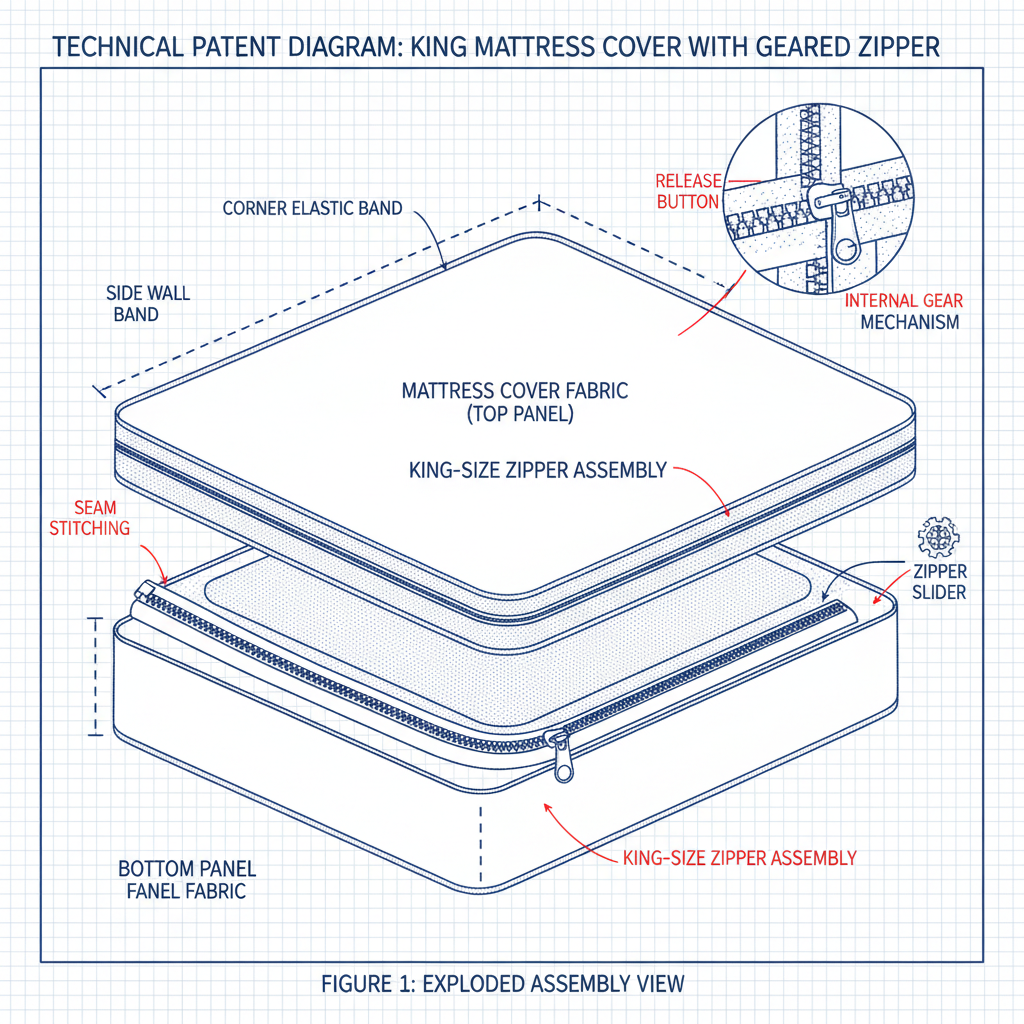
Investing in a high-quality mattress is only the first step toward a perfect night's sleep. To protect that investment from spills, allergens, and general wear and tear, a king size mattress cover with zipper is an essential accessory. Unlike fitted sheets or simple toppers, a zippered encasement provides 360-degree protection, ensuring that your mattress remains pristine and hygienic for years to come. Whether you are battling dust mites or simply want to keep your bed fresh, choosing the right cover can significantly enhance your sleep quality and longevity of your bedding.
Apr 09,2026
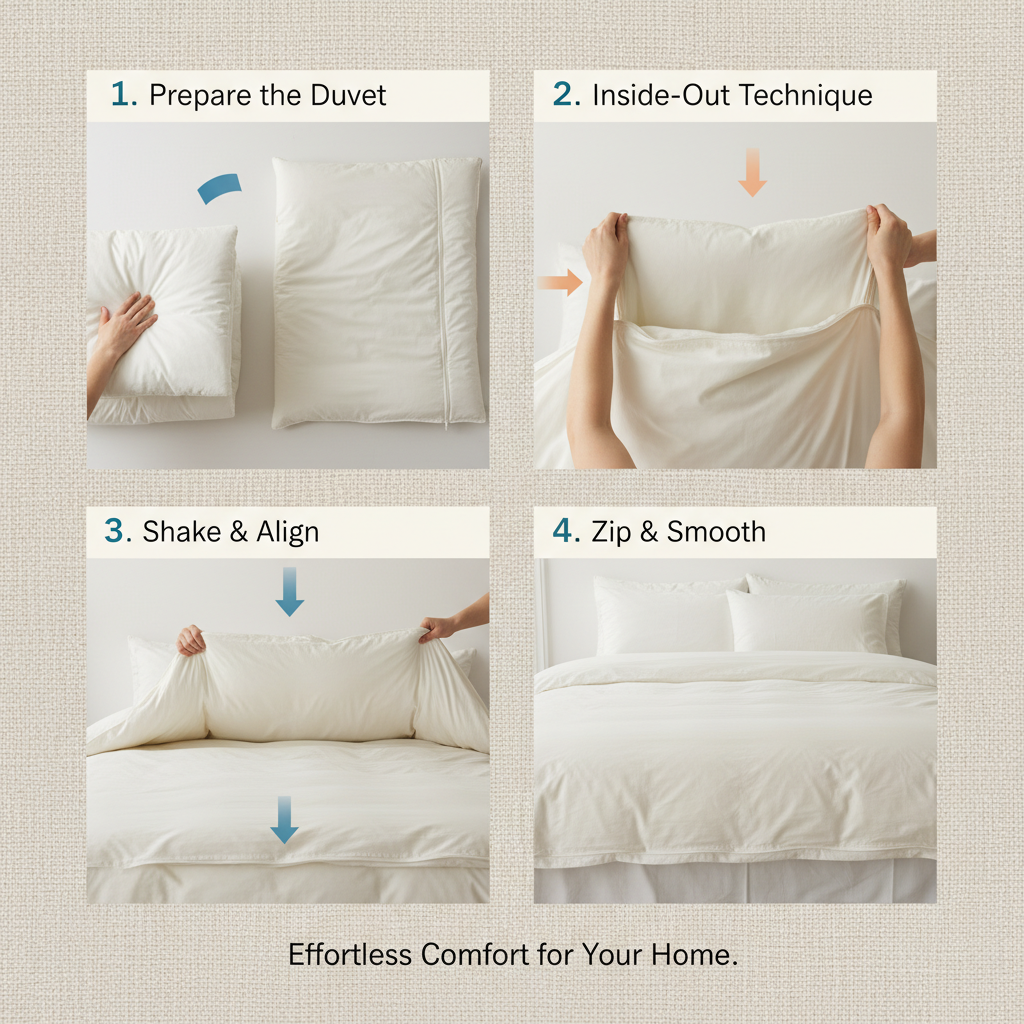
Best Guide for Choosing King Size Bed Cover with Zip Protection
Maintaining a pristine sleeping environment is essential for both hygiene and long-term mattress durability. A high-quality king size bed cover with zip provides a comprehensive shield against dust mites, allergens, and accidental spills. Unlike standard fitted sheets, a zipped encasement fully envelops the mattress, ensuring that nothing penetrates the fabric. Whether you are dealing with allergies or simply want to extend the life of your expensive king-size mattress, choosing the right protective cover is a game-changer for your bedroom health. In this guide, we will explore the technical advantages, materials, and key considerations for selecting the perfect enclosure for your bed.
Apr 07,2026
Comprehensive Guide to Choosing the Best King Mattress Cover with Zipper for Optimal Protection
Protecting your mattress is crucial for hygiene, longevity, and comfort. A king mattress cover with zipper offers a comprehensive solution, shielding against dust mites, allergens, spills, and wear and tear. This article delves into the benefits of using a zippered king mattress cover, key features to look for, materials, and how to choose the best one for your needs. Investing in a quality mattress protector is an investment in your health and the lifespan of your mattress.


Address
1010, ZHONGYUAN BUILDING, NO.368 NORTH YOUYI STREET. SHIJIAZHUANG,HEBEI,CHINA.


