



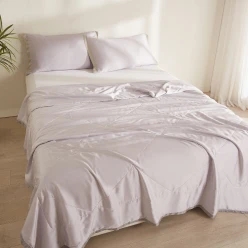


Fine Cotton Bed Sheets: A Closer Look at Comfort, Quality, and Global Impact
When you think of comfort in your bedroom, soft, breathable sheets come pretty high on the list. But have you ever paused to wonder why fine cotton bed sheets, in particular, hold such esteem worldwide? It isn’t just a luxury indulgence or a fluff topic for boutique hotels. These textiles represent centuries of craft, improvement in global textile industries, and a quiet sustainability story that’s gaining momentum. Understanding the value and impact of fine cotton bed sheets today connects threads of tradition, ecology, and modern comfort in a surprisingly powerful way.
Why Fine Cotton Bed Sheets Matter in the Global Textile Industry
Globally, the cotton textile industry is a major livelihood source and economic driver — the UN Food and Agriculture Organization estimates that cotton covers roughly 2.5% of the world’s cropland and employs millions in farming and manufacturing (1). Fine cotton bed sheets, crafted from premium long-staple cotton fibers, distinguish themselves with durability, breathability, and softness. But there’s a challenge too: cotton cultivation and processing have historically strained water resources and involved intensive pesticide use. The luxury market for fine cotton bed sheets, as well as humanitarian and hospitality sectors, increasingly push for better sustainability and traceability, aiming for both exquisite quality and environmental responsibility.
So while it’s easy to take our sheets for granted, the global supply chain feeding fine cotton bed sheets shows us how economy, ecology, and comfort intertwine. And honestly, who wouldn’t want to sleep better knowing their sheets are part of a more mindful textile culture?
What Exactly Are Fine Cotton Bed Sheets?
The term "fine cotton bed sheets" generally refers to sheets made from premium grades of cotton, often long-staple varieties like Egyptian or Pima cotton. The 'fine' part hints at the thread count, fiber quality, and craftsmanship. Typically, these sheets offer a smoother surface, higher tensile strength, and greater softness. In practical terms, this means a better night’s sleep and longer-lasting sheets — often lasting well beyond the typical wear and tear.
Industrially, these sheets connect to multiple sectors. Beyond homes, they’re essential in hospitality, healthcare, and humanitarian aid, where material softness and breathability contribute to patient recovery or refugee well-being. The finesse in these sheets isn’t just about luxury — it’s linked tightly with human dignity and care.
Core Components That Define Fine Cotton Bed Sheets
1. Fiber Quality and Origin
Long-staple cotton fibers are the secret sauce here. Egypt, the US (California), and Peru often produce the finest cotton varieties. Longer fibers spin into finer, stronger threads that resist pilling.
2. Thread Count and Weave
Thread count influences softness and durability. A typical range for fine cotton sheets is 300–600 threads per square inch, balanced with the right weave, like percale (crisp) or sateen (silky smooth).
3. Weaving and Finishing Techniques
Modern mills use advanced looms and chemical-free finishing processes that preserve fiber integrity. Unsurprisingly, many manufacturers now advertise “OEKO-TEX certified” or “GOTS certified” to ensure safety and sustainability.
4. Breathability and Moisture Management
Fine cotton's natural breathability means it wicks moisture and regulates temperature. This quality is invaluable in both hot and cold climates — think hospital wards or post-disaster shelters.
5. Durability and Maintenance
Good fine cotton sheets hold color, shrink less, and soften over time without degrading. They’re a longer investment compared to cheaper cotton blends or synthetics.
Mini Takeaway: It’s these interconnected qualities that lift fine cotton bed sheets out of the ordinary into something truly dependable and comfortable.
Where in the World Are Fine Cotton Bed Sheets Truly Valuable?
Beyond the plush bedrooms of upscale hotels, fine cotton bed sheets appear in healthcare facilities across Europe and North America, where comfort aids healing. Humanitarian organizations also deploy cotton bedding in refugee camps, offering softer materials as a small but vital nod to dignity in crisis.
In regions like India and Bangladesh, fine cotton sheets power a growing export market, underpinned by advances in cotton farming and textile sustainability practices — a promising example of how traditional industries can upgrade and diversify.
Here’s a tiny anecdote I came across: an NGO distributing relief kits to cyclone survivors in Bangladesh switched from synthetic blankets to fine cotton bed sheets. The softer, breathable option helped reduce skin issues and offered psychological comfort in exhausted communities. A reminder, odd as it may sound, that textile quality can quietly transform lives.
Product Specifications Table: Fine Cotton Bed Sheets Sample
| Specification | Typical Range/Example |
|---|---|
| Cotton Type | Egyptian Long-Staple |
| Thread Count | 300–600 threads/in² |
| Weave | Sateen or Percale |
| Finish Certification | GOTS / OEKO-TEX Standard 100 |
| Weight | 120–150 gsm (grams per square meter) |
| Care Instructions | Machine wash cold, tumble dry low |
Why Opt for Fine Cotton Bed Sheets? Advantages Over Alternatives
The list is impressive — if not a little obvious — but let’s break it down:
- Enhanced Comfort: The soft texture and breathability reduce night sweats and improve sleep quality.
- Longevity: Fine cotton sheets age gracefully; they rarely pill and maintain color better than blends.
- Sustainability: High-quality cotton can be sourced with improved water and pesticide management, reducing ecological impact.
- Health and Hygiene: Natural fibers reduce allergens and irritants often found in synthetics.
- Social Impact: Purchasing fine cotton often supports farming communities and promotes ethical production.
Many hospitality professionals note that guests remember the feeling of fine cotton sheets longer than fancy room decor. And honestly, after a long day, feeling nestled in pure cotton feels like a small triumph.
Vendor Comparison Table: Leading Fine Cotton Bed Sheets Suppliers
| Vendor | Cotton Origin | Thread Count Range | Sustainability Certifications | Price Range (USD) |
|---|---|---|---|---|
| PureCotton Luxe | Egyptian | 350–600 | GOTS, OEKO-TEX | 100–200 per set |
| GreenWeave Textiles | Indian Long-Staple | 300–450 | Fairtrade, Organic Cotton | 75–150 per set |
| EcoThread Co. | Peruvian Pima | 400–550 | GOTS, Rainforest Alliance | 120–220 per set |
What’s Next? Future Trends in Fine Cotton Bed Sheets
Looking forward, the market for fine cotton bed sheets is embracing several notable innovations. Smart textiles, for instance, are entering the mix — these incorporate natural fibers with antimicrobial or temperature-regulating finishes, perfect for healthcare environments.
Sustainability is no side note anymore. There’s a push towards regenerative cotton farming that restores soil health and minimizes water inputs, supported by certifications gaining global clout — something that might change what we mean by “fine.”
Digital traceability is also emerging as a powerful tool. Consumers increasingly want to know where their sheets come from and under what working conditions. Blockchain-backed transparency platforms are already being tested by some premium vendors.
Addressing Challenges: What Holds Fine Cotton Bed Sheets Back?
Despite their many advantages, several obstacles remain. Price can be a barrier—high-quality cotton sheets are an investment, sometimes steep for bulk buyers or NGOs. Scalability of sustainable cotton farming is another concern; producing enough without environmental cost or labor exploitation is tricky.
Innovations in biotechnology and farming, plus increased consumer education, offer hope. Additionally, hybrid blends that maintain comfort with easier care or recycled cotton can lower costs while mitigating waste.
FAQ: Common Queries About Fine Cotton Bed Sheets
- Q: How do I know if my cotton sheets are truly “fine” quality?
A: Check the cotton type (long-staple like Egyptian or Pima), thread count (ideally 300–600), and certifications like GOTS or OEKO-TEX. Also, feel for smoothness and durability in reviews or firsthand. - Q: Are fine cotton bed sheets suitable for sensitive skin?
A: Yes, natural cotton fibers are hypoallergenic and breathable, making them ideal for sensitive skin or allergy-prone users. - Q: Can fine cotton sheets be easily maintained?
A: Absolutely. Most are machine washable with cold water and designed to last through repeated washes without losing softness or shape. - Q: Is investing in fine cotton bed sheets environmentally responsible?
A: When sourced sustainably and certified, purchasing fine cotton sheets supports eco-friendly practices and helps reduce the environmental footprint. - Q: How do fine cotton bed sheets compare with synthetic alternatives in cost and comfort?
A: While synthetics are often cheaper, they lack breathability and durability. Fine cotton offers superior comfort and longevity, balancing upfront cost with usability.
Wrapping Up: Why Fine Cotton Bed Sheets Are Worth Your Attention
So there you have it. Fine cotton bed sheets aren’t just a luxury—they’re a textile story that connects global farming traditions, sustainability ambitions, and everyday human comfort. Choosing them means investing in quality, durability, and often in ethical supply chain practices as well.
If you’re curious to explore more or ready to upgrade your bedding, don’t hesitate to visit our website for curated selections and expert advice. Ultimately, the true luxury might just be a good night’s sleep — wrapped in cotton that's thoughtfully made.
Sleep well, rest easy, and let cotton do the work...
References

Related Products
Our Latest News
Apr 16,2026
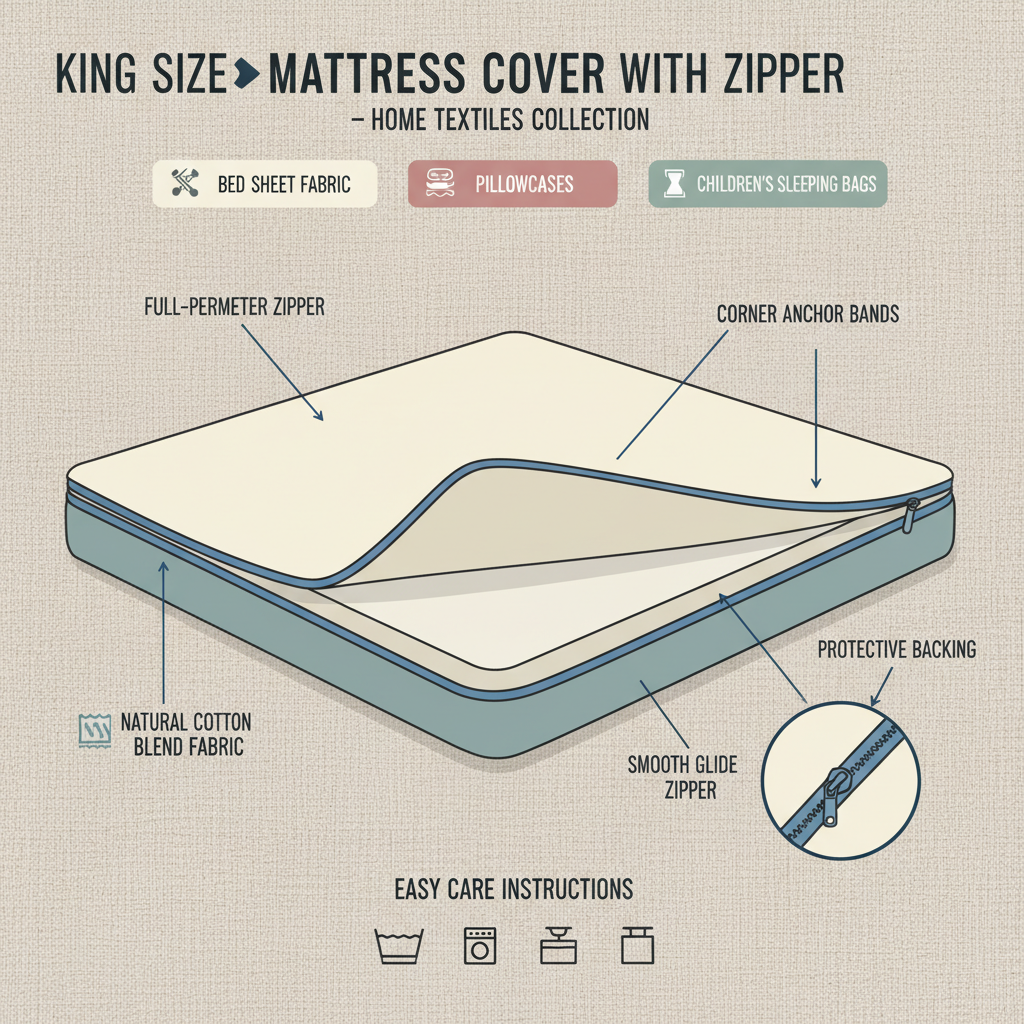
Best King Size Mattress Cover with Zipper for Complete Protection
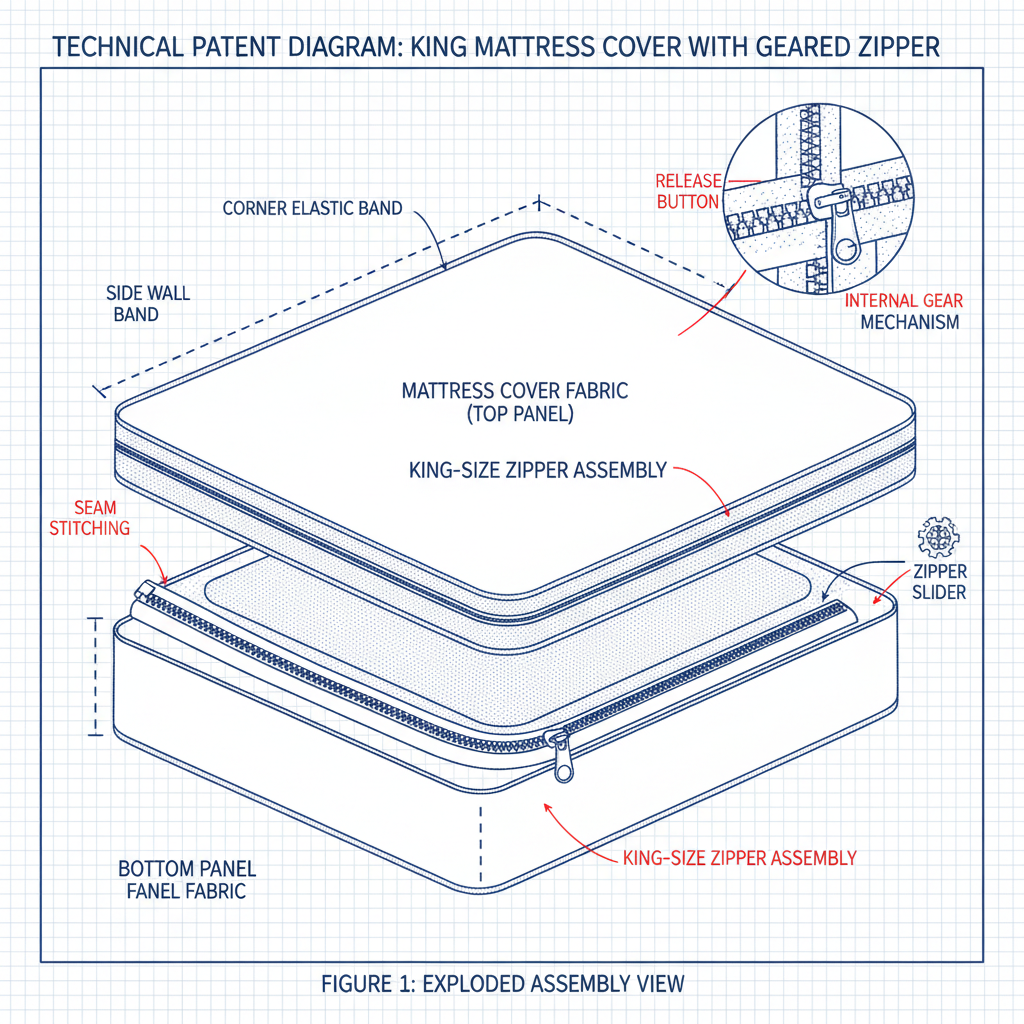
Investing in a high-quality mattress is only the first step toward a perfect night's sleep. To protect that investment from spills, allergens, and general wear and tear, a king size mattress cover with zipper is an essential accessory. Unlike fitted sheets or simple toppers, a zippered encasement provides 360-degree protection, ensuring that your mattress remains pristine and hygienic for years to come. Whether you are battling dust mites or simply want to keep your bed fresh, choosing the right cover can significantly enhance your sleep quality and longevity of your bedding.
Apr 09,2026
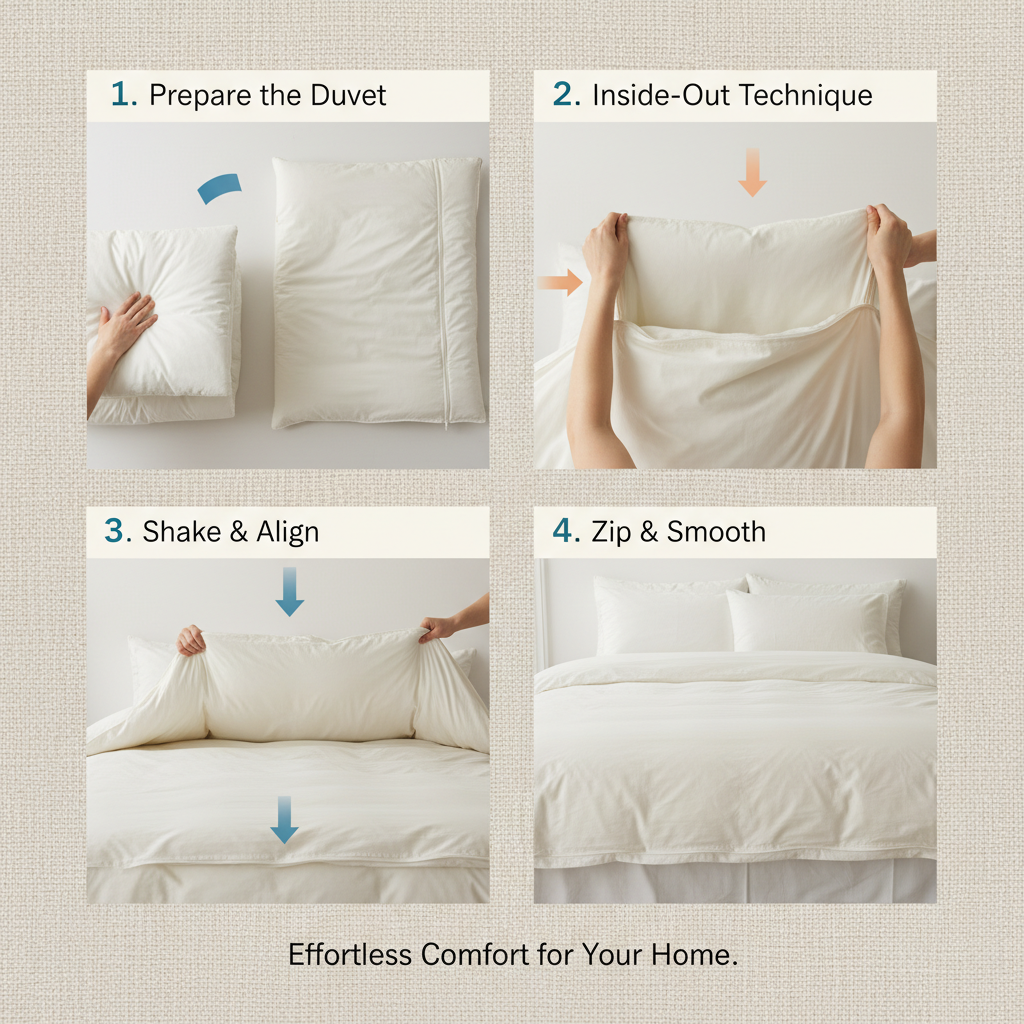
Best Guide for Choosing King Size Bed Cover with Zip Protection
Maintaining a pristine sleeping environment is essential for both hygiene and long-term mattress durability. A high-quality king size bed cover with zip provides a comprehensive shield against dust mites, allergens, and accidental spills. Unlike standard fitted sheets, a zipped encasement fully envelops the mattress, ensuring that nothing penetrates the fabric. Whether you are dealing with allergies or simply want to extend the life of your expensive king-size mattress, choosing the right protective cover is a game-changer for your bedroom health. In this guide, we will explore the technical advantages, materials, and key considerations for selecting the perfect enclosure for your bed.
Apr 07,2026
Comprehensive Guide to Choosing the Best King Mattress Cover with Zipper for Optimal Protection
Protecting your mattress is crucial for hygiene, longevity, and comfort. A king mattress cover with zipper offers a comprehensive solution, shielding against dust mites, allergens, spills, and wear and tear. This article delves into the benefits of using a zippered king mattress cover, key features to look for, materials, and how to choose the best one for your needs. Investing in a quality mattress protector is an investment in your health and the lifespan of your mattress.


Address
1010, ZHONGYUAN BUILDING, NO.368 NORTH YOUYI STREET. SHIJIAZHUANG,HEBEI,CHINA.


