





Embroidery and Cotton: The Perfect Union for Quality Bed Sheets
At first glance, embroidered cotton bed sheets might seem like a luxury or niche product, but their significance stretches far beyond aesthetic appeal. Globally, these sheets represent a fascinating intersection of traditional craftsmanship and modern textile technology—melding culture, comfort, and sustainability in one fabric embrace.
Why does it matter? Well, the bed sheet you sleep under is surprisingly influential — from its environmental footprint to the social impact in manufacturing communities. Understanding embroidered cotton bed sheets illuminates not only better sleep but also supports artisans, sustainability initiatives, and the economies of cotton-growing regions.
The Global Context: Embroidered Cotton Bed Sheets in Today’s Textile Industry
Did you know cotton remains one of the world’s most cultivated natural fibers, occupying around 2.5% of global agricultural land? According to the Food and Agriculture Organization (FAO), cotton production exceeded 25 million tons in 2022, feeding a vast textile sector.
Yet, plain cotton sheets face challenges: abrasion, lack of unique appeal, and environmental impacts from excessive dyeing processes. Enter embroidered cotton bed sheets — adding artistic value, branding opportunity, and often benefiting from more sustainable dye and finishing techniques that reduce waste.
The challenge these embroidered textiles meet is doubled: How to maintain cotton’s comfort while elevating its visual and cultural value, all without harming the planet.
What Are Embroidered Cotton Bed Sheets?
In simple terms, embroidered cotton bed sheets are high-quality cotton sheets decorated with stitched patterns or designs. Unlike printed patterns, embroidery involves sewing motifs directly into the fabric, creating texture, durability, and a three-dimensional look. This traditional technique, often handcrafted, connects centuries-old artisan skills with contemporary bedroom aesthetics.
From a humanitarian perspective, embroidered cotton products often support cottage industries and fair-trade initiatives, providing livelihoods in regions where cotton is grown — think India, Egypt, and parts of West Africa.
Mini takeaway:
- Embroidery elevates simple cotton sheets into something both artistic and functional.
- The process supports sustainable, ethical production and preserves traditional crafts.
Core Factors That Define Quality in Embroidered Cotton Bed Sheets
1. Durability
Quality embroidery can add to the fabric’s strength, but only if done carefully. Oversized stitches or poor thread quality can snag or tear easily, so the selection of cotton yarn and embroidery thread is crucial.
2. Breathability & Comfort
Cotton is loved for its breathability, especially in warm climates. Embroidery threads shouldn’t impede airflow or increase heat retention. Hence, many manufacturers use organic cotton threads and eco-friendly stitches that preserve softness.
3. Design Versatility
From subtle monograms to elaborate floral patterns, embroidery can be tailored to a buyer's style or cultural significance. This versatility helps manufacturers offer customizable sheets, enhancing marketability.
4. Sustainable Production Practices
Using organic cotton, non-toxic dyes, and water-efficient embroidery machines reduces environmental impact. Many leading brands now prioritize certification such as Global Organic Textile Standard (GOTS).
5. Cost Efficiency
While embroidery adds cost compared to plain cotton sheets, economies of scale and mechanized embroidery reduce expenses in volume production, making these sheets more accessible.
Mini takeaway:
- Longevity and feel hinge on quality materials and detail in embroidery.
- Sustainability factors are increasingly non-negotiable in global supply chains.
Real-World Applications: Where and Who Uses Embroidered Cotton Bed Sheets?
In luxury hotels across Europe and Asia, embroidered cotton bed sheets are the hallmark of comfort and tradition. Likewise, artisan cooperatives in South Asia produce embroidered bed linen for international fair-trade markets, boosting economic opportunities.
In humanitarian contexts — interestingly — embroidered sheets sometimes serve as comfort objects distributed in refugee camps or hospitals, adding a dignified, homely touch that printed or plain sheets lack.
Even online marketplaces now offer bespoke embroidered cotton bed sheets targeting mindful consumers looking for eco-friendly, durable, and unique bedroom textiles.
| Product Specification | Details |
|---|---|
| Material | 100% Organic Egyptian Cotton |
| Thread Count | 400 |
| Embroidery Thread | Cotton/Polyester blend, OEKO-TEX certified |
| Finish | Eco-friendly dye, softener-free |
| Certifications | GOTS, OEKO-TEX, Fair Trade |
| Care Instructions | Machine wash cold, gentle cycle, hang to dry |
Advantages & Long-Term Value of Embroidered Cotton Bed Sheets
First off, the emotional aspect: there’s comfort in feeling a handcrafted product against your skin — it’s like sleeping wrapped in culture, history, and intention. Socially, buying embroidered cotton bed sheets often means directly or indirectly supporting fair wages and preserving skills.
Then, the durability and timeless design mean fewer replacements. In an era where sustainability is key, investing in quality embroidered sheets pays off environmentally and economically.
Plus, the uniqueness of custom embroidery allows personalization that mass-produced printed sheets can’t easily replicate. It’s an expression of identity — kind of like your bedroom’s signature tune.
Emerging Trends & Innovations in Embroidered Cotton Textile Production
Oddly enough, the embroidery industry is stepping into digital transformation. Techniques like computerized embroidery machines speed up production without losing detail, enabling more consistent quality and customization options.
Innovations in sustainable thread material, including recycled cotton blends and biodegradable embroidery yarns, are gaining traction.
Simultaneously, some companies explore integrating natural dyes derived from botanical extracts, reducing chemical use dramatically while boosting the sheets’ environmentally friendly profile.
Common Hurdles and How Industry Players Are Tackling Them
One big challenge is balancing cost with handcrafted quality. Purely artisanal embroidery is labor-intensive and struggles to meet high industrial demand. Conversely, mechanized embroidery can lack the charm of handmade stitches.
Innovative collaborations between artisan unions and machine embroidery firms allow for “hybrid” offerings — parts done by hand, parts mechanized — trying to get the best of both worlds.
Another hurdle is durability, especially washing embroidered sheets regularly without wear. Using high-quality threads and embedding advanced finishing techniques (for example, strengthening stitches with eco-friendly resins) help extend lifespans.
FAQ: Your Top Questions About Embroidered Cotton Bed Sheets
- Q1: Are embroidered cotton bed sheets durable enough for daily use?
- A: Absolutely. When made with high-quality cotton and threads, embroidered sheets last for years, even with daily washing, provided you follow care instructions like cold machine wash and air drying.
- Q2: Do embroidered sheets cost much more than plain cotton sheets?
- A: They tend to be pricier due to added labor and materials, but automation and bulk manufacturing have narrowed this gap considerably in recent years.
- Q3: How do embroidered cotton bed sheets support sustainable fashion?
- A: Many embroidered cotton sheets use organic cotton and eco-friendly dyes. Also, supporting artisan craftsmanship reduces fast fashion waste and promotes fair labor standards.
- Q4: Can I customize embroidery designs on my cotton sheets?
- A: Yes! Many brands offer bespoke design services, enabling you to select patterns, colors, and monograms to personalize your bed linens.
- Q5: What’s the best way to care for embroidered cotton bed sheets?
- A: Gentle machine wash in cold water, avoid bleach, hang dry or tumble dry low. Iron inside out if needed to protect embroidery.
Leading Vendors: A Quick Comparison
| Vendor | Embroidery Style | Sustainability Certifications | Price Range | Customization Options |
|---|---|---|---|---|
| Heritage Looms | Handcrafted floral motifs | GOTS, Fair Trade | $$$ | Full embroidery custom orders |
| EcoThread Textiles | Machine embroidery with organic cotton threads | OEKO-TEX, GOTS | $$ | Pre-set designs, limited custom monograms |
| Artisan Home | Traditional ethnic patterns hand-embroidered | Fair Trade, local organic sourcing | $$$ | Made-to-order personalized sets |
Wrapping Up: Why Embroidered Cotton Bed Sheets Remain a Timeless Choice
To put it briefly, these sheets are more than bedding — they’re a feel-good, look-great, do-good investment. They connect comfort with culture, sustainability with style, and tradition with technology. So next time you consider upgrading your bedroom linens, think about how embroidered cotton bed sheets deliver lasting value, emotional warmth, and a subtle nod to craftsmanship that’s been centuries in the making.
If you’re intrigued, explore more at embroidered cotton bed sheets and discover how these textiles transform not just your bed, but your entire sleep experience.
References

Related Products
Our Latest News
Apr 16,2026
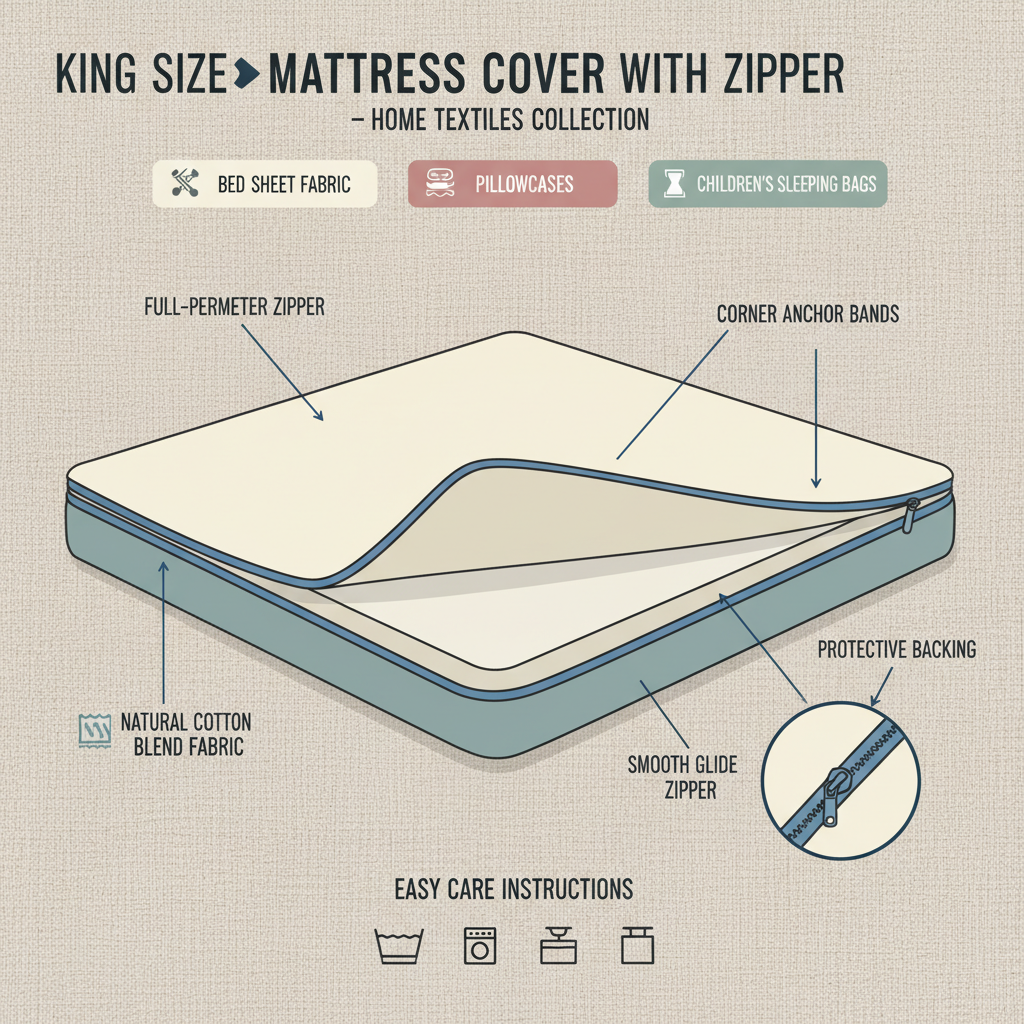
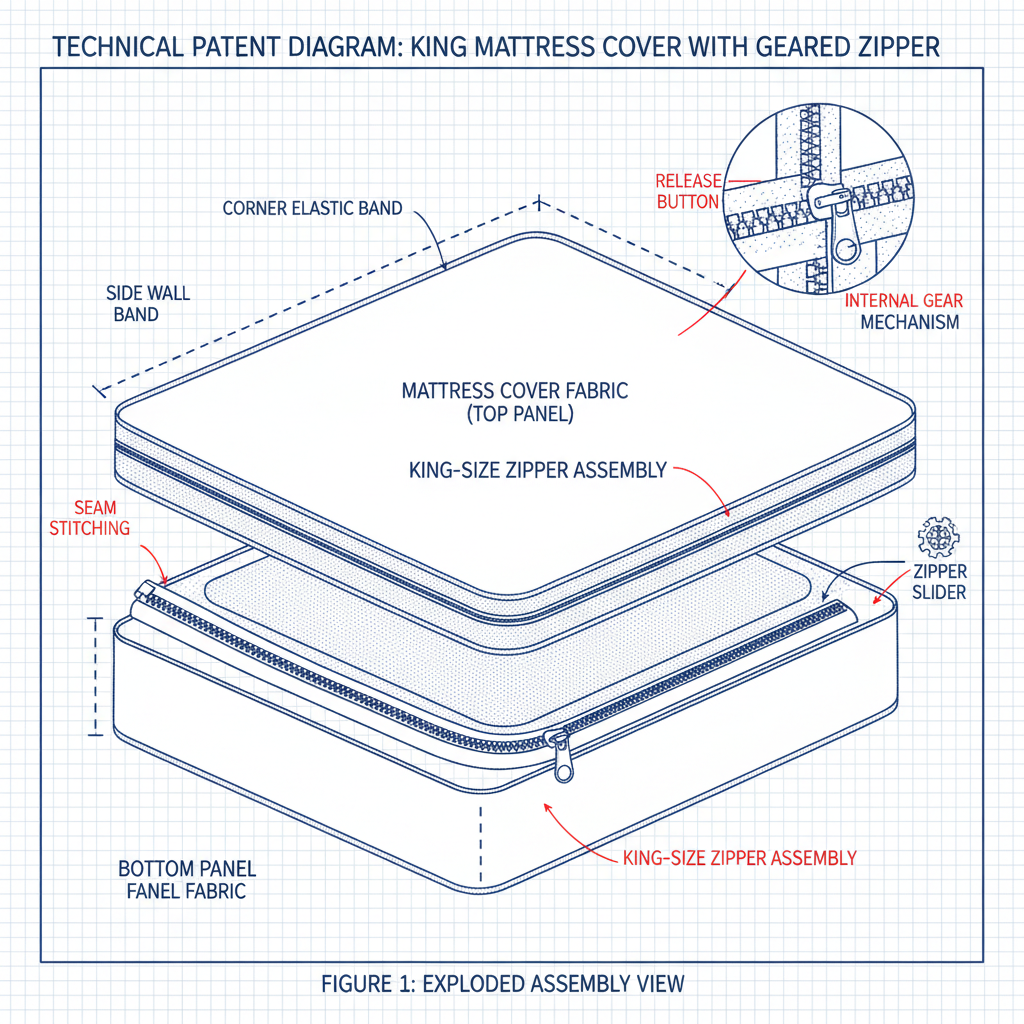
Best King Size Mattress Cover with Zipper for Complete Protection
Investing in a high-quality mattress is only the first step toward a perfect night's sleep. To protect that investment from spills, allergens, and general wear and tear, a king size mattress cover with zipper is an essential accessory. Unlike fitted sheets or simple toppers, a zippered encasement provides 360-degree protection, ensuring that your mattress remains pristine and hygienic for years to come. Whether you are battling dust mites or simply want to keep your bed fresh, choosing the right cover can significantly enhance your sleep quality and longevity of your bedding.
Apr 09,2026
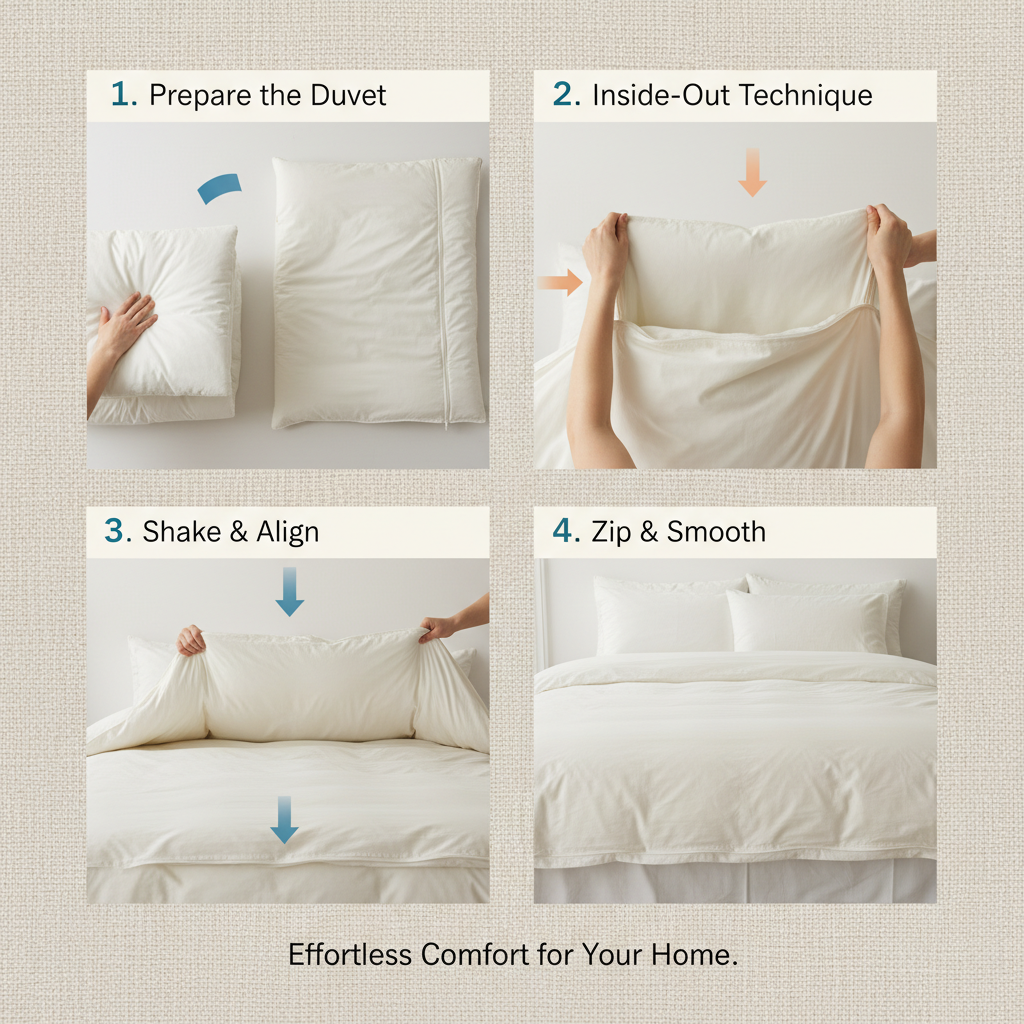
Best Guide for Choosing King Size Bed Cover with Zip Protection
Maintaining a pristine sleeping environment is essential for both hygiene and long-term mattress durability. A high-quality king size bed cover with zip provides a comprehensive shield against dust mites, allergens, and accidental spills. Unlike standard fitted sheets, a zipped encasement fully envelops the mattress, ensuring that nothing penetrates the fabric. Whether you are dealing with allergies or simply want to extend the life of your expensive king-size mattress, choosing the right protective cover is a game-changer for your bedroom health. In this guide, we will explore the technical advantages, materials, and key considerations for selecting the perfect enclosure for your bed.
Apr 07,2026
Comprehensive Guide to Choosing the Best King Mattress Cover with Zipper for Optimal Protection
Protecting your mattress is crucial for hygiene, longevity, and comfort. A king mattress cover with zipper offers a comprehensive solution, shielding against dust mites, allergens, spills, and wear and tear. This article delves into the benefits of using a zippered king mattress cover, key features to look for, materials, and how to choose the best one for your needs. Investing in a quality mattress protector is an investment in your health and the lifespan of your mattress.


Address
1010, ZHONGYUAN BUILDING, NO.368 NORTH YOUYI STREET. SHIJIAZHUANG,HEBEI,CHINA.


