



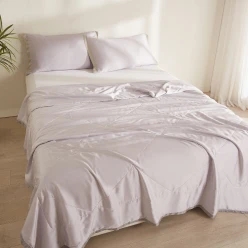


Why Cotton Bedsheets for Single Beds Matter More Than You Think
Choosing cotton bedsheets single bed is more than just a shopping decision — it’s about comfort, health, and sustainability wrapped in one simple textile. Globally, cotton remains one of the most widely grown and used natural fibers. Its significance stretches beyond bedroom aesthetics; it impacts global trade, sustainable farming, and human well-being. Understanding this often-overlooked choice means grasping how something as mundane as a sheets set influences economies and cultures worldwide.
Adults spend about a third of their lives sleeping, so the fabrics we lie on aren’t trivial. Plus, in humanitarian efforts and hospitality worldwide, cotton sheets help deliver modest dignity and hygiene in challenging environments. Frankly, it’s fascinating how something so ordinary carries so much weight beneath its folds.
The Global Landscape of Cotton Bedsheets for Single Beds
Cotton production and its fabric use have ripples that travel globally. According to the International Cotton Advisory Committee, cotton accounts for nearly 30% of global fiber consumption. The United Nations’ Food and Agriculture Organization (FAO) lists cotton as a critical cash crop for millions, especially in developing regions.
However, the cotton bedsheets single bed segment faces challenges: water use intensity in cotton farming; fluctuating raw material prices; and a growing demand for eco-friendly, breathable, and durable sheets in a world that’s redefining ‘sustainability.’ Hoteliers, hospitals, and end consumers increasingly demand cotton sheets that meet these needs while balancing cost.
If you pause to think about it, choosing the right cotton sheet is a global story — from the seed growers in India to the eco-conscious buyer in Europe or the student setting up a dorm bed.
What Exactly Are Cotton Bedsheets for Single Beds?
Cotton bedsheets for single beds refer to textile sheets made primarily from natural cotton fiber, sized to fit a single bed mattress (typically 90cm x 190cm or 36" x 75"). These sheets come in various weaves—percale, sateen, and jersey among others—each affecting feel, durability, and breathability.
Plain and simple: they’re the first layer between you and your mattress. But they’re more than just cotton; they’re often treated with finishes for wrinkle resistance and color fastness, improving performance in everyday and institutional use (think hospitals or hostels).
The connection to industry is clear: manufacturers often blend traditional craftsmanship with modern textiles technology. They innovate to meet modern health standards, like removing allergens and ensuring hygienic protection — vital in health care or refugee camps.
Key Factors That Make Cotton Bedsheets for Single Beds Tick
1. Comfort and Breathability
Cotton is prized for its breathability. Its natural fibers allow air to circulate, helping regulate temperature throughout the night. This makes a cotton bedsheet single bed ideal for warm climates or those who tend to overheat—a small luxury with a big impact on sleep quality.
2. Durability and Maintenance
High-quality cotton sheets last long with proper care. They resist tearing better than synthetic blends and get softer with washing. That said, thread count and fiber length matter: longer staple cottons (like Egyptian or Pima) create smoother, tougher sheets. Keeping them fresh is straightforward too, which is why hotels and hospitals favor them.
3. Sustainability and Eco Impact
Organic cotton bedsheets single bed are trending for good reason. Cotton farming is resource-intensive, especially water. Organic methods seek to minimize chemical fertilizers and pesticides, reducing environmental harm. Plus, cotton is biodegradable, meaning discarded sheets don’t clog landfills for centuries.
4. Cost Efficiency
While premium cotton sheets have a higher upfront cost, their durability and comfort often justify the price. Bulk buyers — colleges, healthcare facilities — appreciate how these sheets balance initial investment with lasting use. This economic calculus makes cotton a practical choice across multiple sectors.
How Cotton Bedsheets for Single Beds Serve the World
The applications are many and stretch across industries and geographies:
- Hospitality: Boutique hotels and budget hostels alike prioritize breathable cotton sheets for guest comfort.
- Healthcare: Hospitals require hypoallergenic, easy-clean sheets to maintain patient hygiene.
- Disaster Relief: Organizations like the Red Cross distribute cotton sheets in emergency shelters where durable, washable materials matter.
- Education Dormitories: Universities use sturdy cotton sheets for ease of maintenance and student comfort.
For example, after the 2010 Haiti earthquake, relief agencies distributed millions of cotton sheets to provide a semblance of normalcy amidst chaos — emphasizing cotton’s role beyond the bedroom at home.
Why Cotton Bedsheets for Single Beds Make Sense in the Long Run
Choosing quality cotton sheets means investing in:
- Health and well-being: Natural fibers reduce skin irritation.
- Sustainability: Organic options minimize ecological footprints.
- Emotional comfort: There’s a subtle feeling of luxury and trust in natural cotton’s softness.
- Practical reliability: Durable enough for repeated washing, they save cost over time.
Oddly enough, something as simple as a cotton bedsheet brings dignity to those whose lives are disrupted by crisis — a small but meaningful comfort.
Emerging Trends and Innovations in Cotton Bedsheets
It’s not your grandma’s cotton anymore. Innovations include:
- Smart Textiles: Incorporating anti-microbial and moisture-wicking finishes.
- Water-Saving Cultivation: New cotton farming tech reduces irrigation needs.
- Recycling Initiatives: Turning old sheets back into fibers for new fabric.
- Custom Sizing and Designs: Tailored sheets for specialized beds—useful in healthcare settings.
These innovations tie into broader sustainability goals set by the ISO 14001 environmental management standards, ensuring cotton stays a green option.
Challenges in Cotton Bedsheets Production and How They’re Overcome
Despite its benefits, cotton farming strains water resources and soil health. Synthetic contamination and microplastics pollution push buyers toward pure cotton, but supply chain issues remain complex.
To counter these, cotton mills and brands invest in:
- Traceability systems to verify organic claims.
- Fair trade labor practices.
- Innovative irrigation techniques like drip watering.
- Use of natural dyes to limit chemical runoff.
Specifications of Popular Cotton Bedsheets Single Bed Models
| Model | Material | Thread Count | Finish | Price Range |
|---|---|---|---|---|
| PureComfort Organic | 100% Organic Cotton | 200 | OEKO-TEX certified, wrinkle-resistant | $30 - $45 |
| EcoSoft Premium | Egyptian Cotton | 320 | Sateen weave, anti-microbial coating | $45 - $65 |
| BudgetBasic Classic | 100% Cotton (non-organic) | 150 | Standard, pre-shrunk | $15 - $25 |
Top Vendors Supplying Cotton Bedsheets for Single Beds
| Vendor | Product Range | Sustainability Practices | Pricing | Global Distribution |
|---|---|---|---|---|
| Cotton Luxe Co. | Luxury, Organic lines | GOTS certified, Fair trade | Premium | North America, Europe, Asia |
| SleepWell Textiles | Budget to mid-range | Organic blends, eco-packaging | Affordable | Global, with focus on developing markets |
| PureWeave Supply | Institutional grade | Sustainable farming partnerships | Competitive bulk pricing | Hospitals, NGOs worldwide |
Frequently Asked Questions About Cotton Bedsheets Single Bed
1. What’s the difference between organic and conventional cotton bedsheets for single beds?
Organic cotton bedsheets are grown without synthetic pesticides or fertilizers, making them friendlier to the environment and potentially less irritating to sensitive skin. Conventional cotton may involve more chemicals but generally costs less. The choice boils down to personal values on sustainability and budget.
2. How should I care for my cotton bedsheets to make them last?
Washing in cold or warm water with gentle detergent, avoiding bleach, and air-drying or tumble drying low helps preserve fiber strength and color. Ironing can restore smoothness, but many cotton sheets now have wrinkle-resist finishes to cut down on that.
3. Are higher thread counts always better for cotton bedsheets?
Not necessarily. While a higher thread count can mean a denser weave and a smoother feel, extremely high counts (over 400) sometimes use multi-ply threads that affect breathability. Comfort depends on fiber type and weave too, so quality matters as much as quantity.
4. Can cotton bedsheets for single beds prevent allergies?
Pure cotton sheets tend to be hypoallergenic because they resist dust mite buildup better than synthetic fibers. Choosing organic and washing regularly helps minimize allergens, making them ideal for allergy sufferers.
5. Where can I find affordable, durable cotton bedsheets single bed for institutional use?
Look for vendors specializing in bulk supply to hospitality, healthcare, or NGOs, such as PureWeave Supply or SleepWell Textiles, who often balance cost and durability for institutional needs without sacrificing quality.
Wrapping Up: The Lasting Appeal of Cotton Bedsheets Single Bed
In a world full of synthetic options and fast fashion, cotton bedsheets single bed remind us that durability, comfort, and sustainability can go hand in hand. Investing in the right cotton sheets benefits your sleep, supports ethical farming, and even helps reduce environmental impact. So the next time you tuck yourself in or pick out a guest’s bedding, remember the story woven into every thread. Curious? Check out more about quality cotton bedding on our site cotton bedsheets single bed — your bed (and conscience) will thank you.
Quick Takeaways:
- Cotton bedsheets single bed offer breathability, durability, and eco benefits.
- Choosing organic cotton supports sustainable agriculture worldwide.
- They’re essential in healthcare, hospitality, and relief efforts.
- Careful maintenance extends lifespan, reducing replacement frequency and waste.
References: 1. International Cotton Advisory Committee 2. Food and Agriculture Organization (FAO) 3. Wikipedia - Cotton

Related Products
Our Latest News
Apr 16,2026
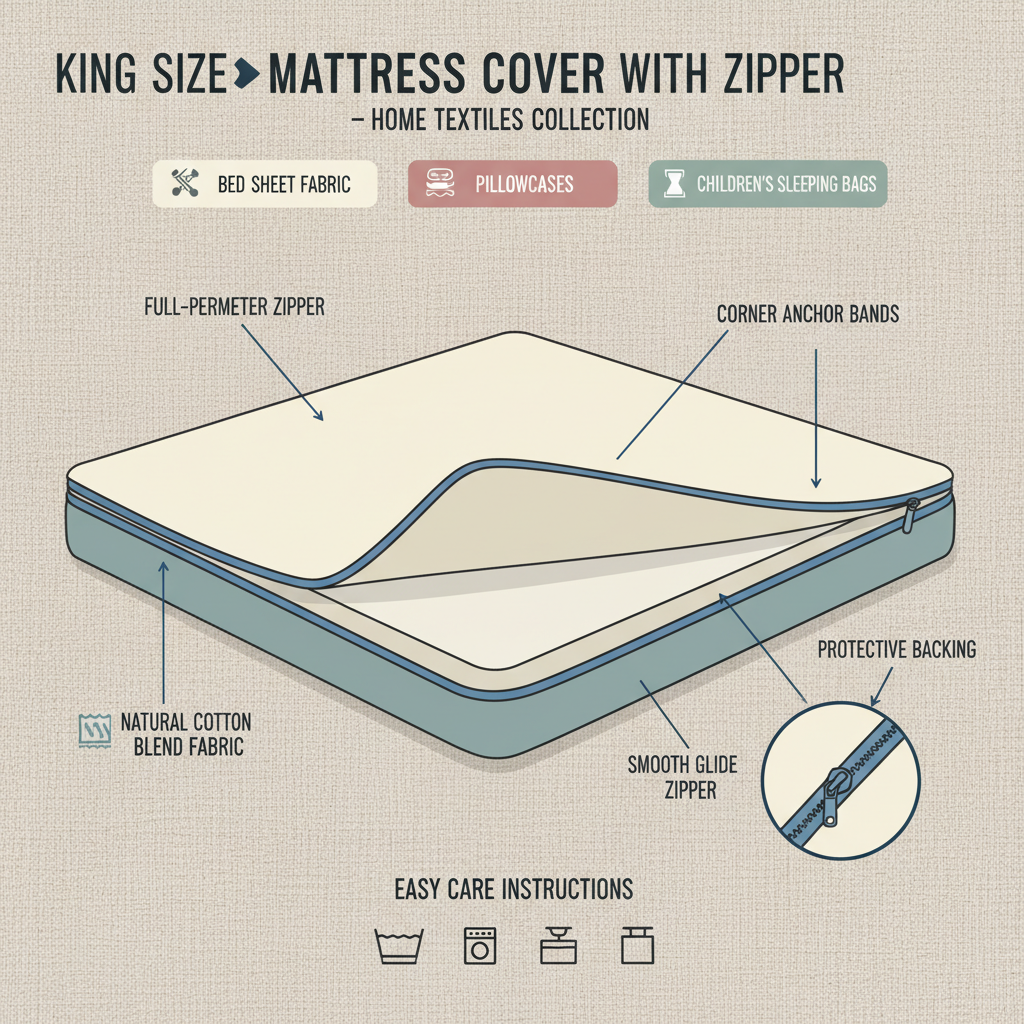
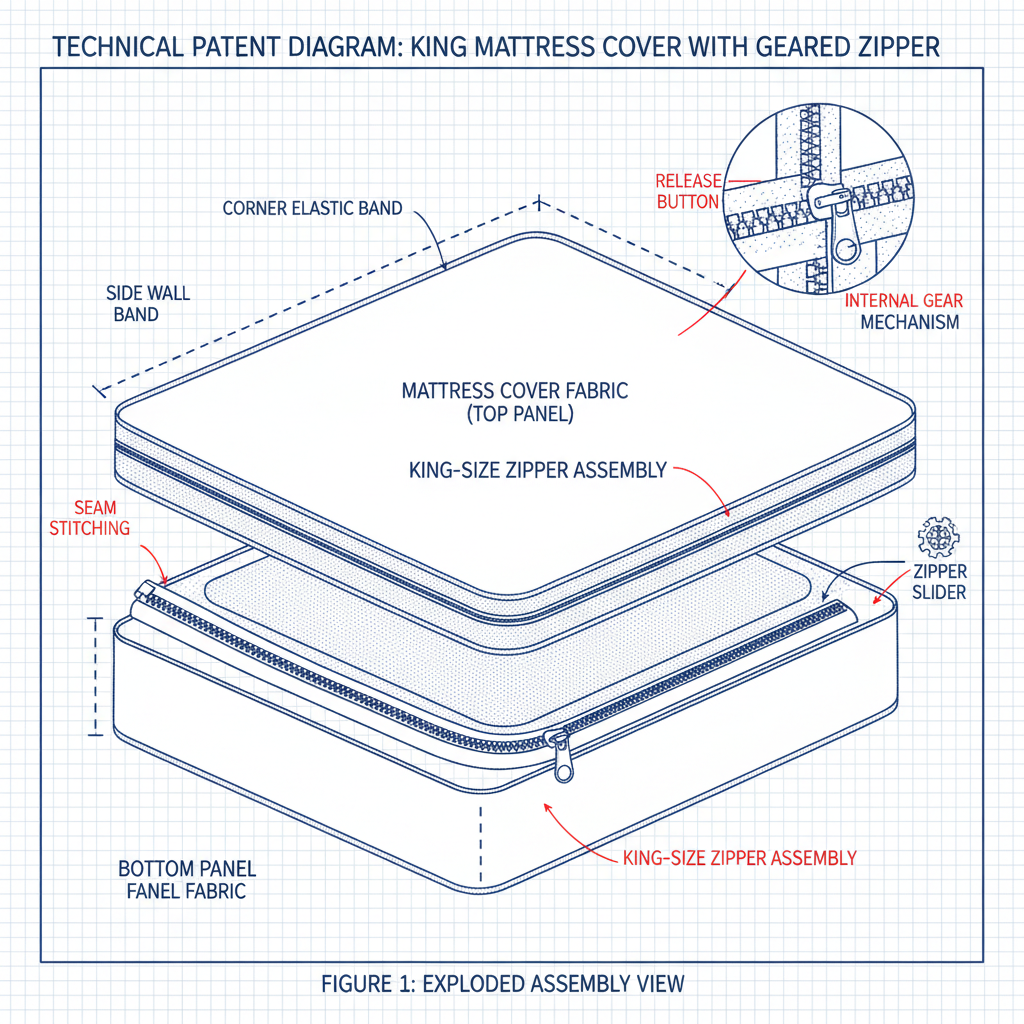
Best King Size Mattress Cover with Zipper for Complete Protection
Investing in a high-quality mattress is only the first step toward a perfect night's sleep. To protect that investment from spills, allergens, and general wear and tear, a king size mattress cover with zipper is an essential accessory. Unlike fitted sheets or simple toppers, a zippered encasement provides 360-degree protection, ensuring that your mattress remains pristine and hygienic for years to come. Whether you are battling dust mites or simply want to keep your bed fresh, choosing the right cover can significantly enhance your sleep quality and longevity of your bedding.
Apr 09,2026
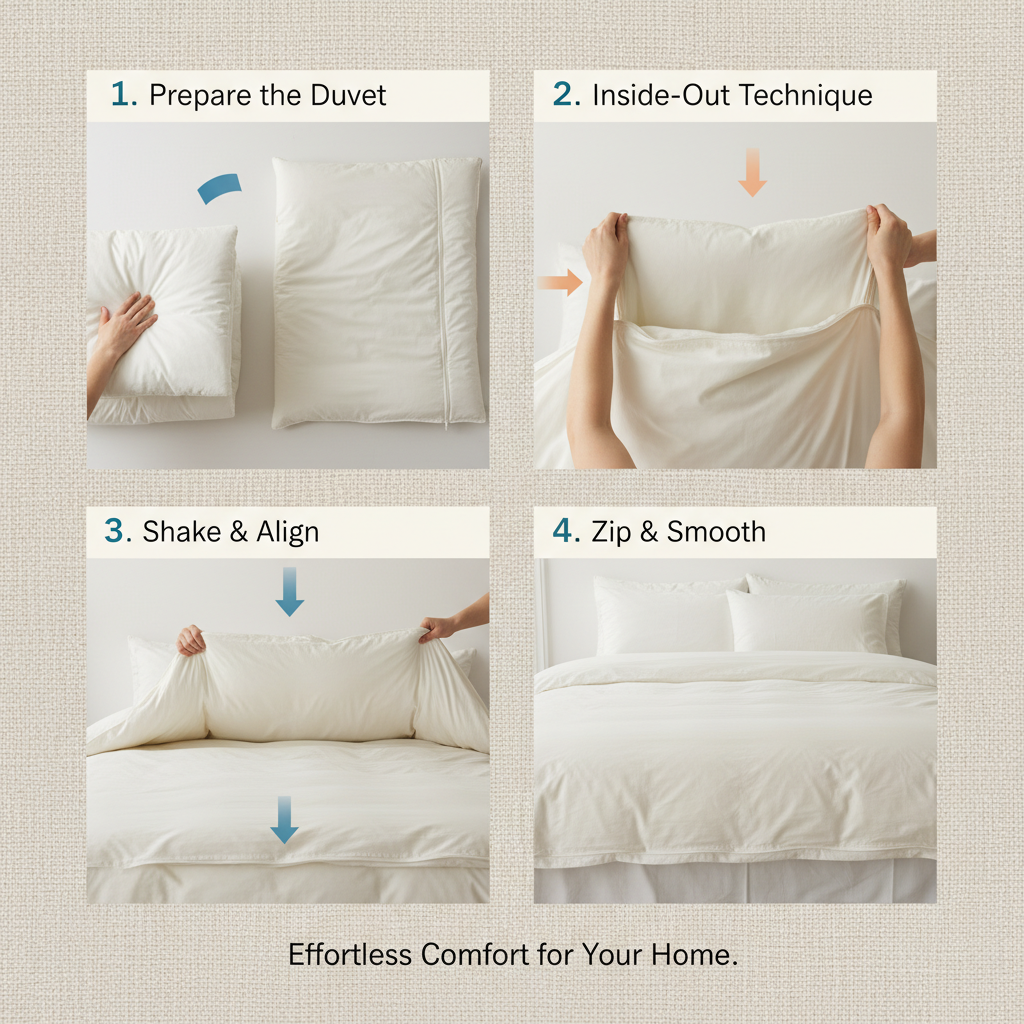
Best Guide for Choosing King Size Bed Cover with Zip Protection
Maintaining a pristine sleeping environment is essential for both hygiene and long-term mattress durability. A high-quality king size bed cover with zip provides a comprehensive shield against dust mites, allergens, and accidental spills. Unlike standard fitted sheets, a zipped encasement fully envelops the mattress, ensuring that nothing penetrates the fabric. Whether you are dealing with allergies or simply want to extend the life of your expensive king-size mattress, choosing the right protective cover is a game-changer for your bedroom health. In this guide, we will explore the technical advantages, materials, and key considerations for selecting the perfect enclosure for your bed.
Apr 07,2026
Comprehensive Guide to Choosing the Best King Mattress Cover with Zipper for Optimal Protection
Protecting your mattress is crucial for hygiene, longevity, and comfort. A king mattress cover with zipper offers a comprehensive solution, shielding against dust mites, allergens, spills, and wear and tear. This article delves into the benefits of using a zippered king mattress cover, key features to look for, materials, and how to choose the best one for your needs. Investing in a quality mattress protector is an investment in your health and the lifespan of your mattress.


Address
1010, ZHONGYUAN BUILDING, NO.368 NORTH YOUYI STREET. SHIJIAZHUANG,HEBEI,CHINA.


