



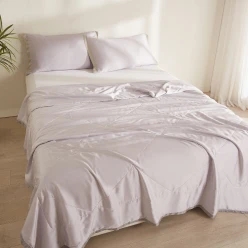


Why Cotton Blend Bed Sheets Matter More Than Ever
Have you ever stopped to think about what goes into a good night’s sleep? It’s not just the mattress or the pillow — the fabric we wrap ourselves in plays a surprisingly big role. Enter cotton blend bed sheets, the unsung heroes of comfort and durability. These sheets marry the best traits of cotton and synthetic fibers to offer a product that’s soft, breathable, yet lasting. Globally, as textile industries evolve and sustainability becomes a must, understanding these blends helps consumers and businesses alike make smarter choices.
But why does this topic hold weight on a global scale? Well, billions of people rely on affordable, high-quality bedding every night, and cotton blends help balance cost, performance, and environmental concerns. From bustling cities to remote communities, these sheets touch lives in ways we rarely consider — yet profoundly benefit. Let’s explore why.
The Global Story Behind Cotton Blend Bed Sheets
The worldwide textile and bedding market was valued at over $100 billion in recent years, with cotton blends growing steadily in popularity according to the International Organization for Standardization (ISO). Why? Pure cotton is luxurious and breathable but can be pricier and more prone to wrinkles and shrinkage. Synthetic fibers like polyester add strength but sometimes sacrifice natural feel. Combining the two delivers a practical solution.
Beyond individual consumers, institutions like hotels, hospitals, and even humanitarian organizations grapple with the challenge of durable, easy-care bedding that meets hygiene standards but doesn't break budgets. In particular, agencies involved in disaster relief have noted that cotton blends provide reliable durability with comfort—essential in those critical settings.
Mini takeaway: The union of cotton with other fibers isn’t just a trend but a global response to practical and economic demands in bedding industries.
What Exactly Are Cotton Blend Bed Sheets?
At its core, cotton blend bed sheets refer to textiles made from a mix of cotton and one or more synthetic fibers (often polyester, but sometimes nylon or rayon). Rather than 100% cotton, these blends offer enhanced characteristics by balancing natural softness with synthetic durability.
This blend is invaluable in modern manufacturing — allowing mass production of textiles that retain comfort while meeting stringent quality and longevity needs. From factory floors in Asia to niche bed-makers in Europe, blends are everywhere, supporting jobs and innovations. They also respond to humanitarian concerns: blending reduces water use compared to pure cotton, which aligns with UN water sustainability goals.
Core Features That Make Cotton Blends Stand Out
1. Durability
A blend resists tears and abrasions better than pure cotton alone. The synthetic fibers add tensile strength so sheets last longer even after countless washes — important for busy hotels or care facilities.
2. Breathability
Cotton's natural fibers allow air flow and moisture absorption, keeping sleeper comfort high. Blends retain much of this breathability, avoiding that clammy feeling synthetic-only fabrics sometimes cause.
3. Ease of Care
Unlike 100% cotton which wrinkles easily and often requires ironing, cotton blends tend to resist creases and dry quicker. That’s a favorite feature in commercial settings and for anyone who dreads laundry day.
4. Cost Efficiency
While 100% cotton sheets can be pricey — especially if organic — cotton blends are often more budget-friendly. That’s great for families or organizations purchasing in bulk without sacrificing quality.
5. Environmental Impact
The less water and pesticide use needed compared to pure cotton contributes to greener production practices, even though synthetics bring their own challenges. Yet, many manufacturers now turn to recycled polyester to tackle this.
Mini takeaway: The magic is in the mix — balancing performance, comfort, affordability, and sustainability.
How Cotton Blend Bed Sheets Are Used Worldwide
From luxury hotels in Europe to hospital wards in Africa and refugee camps in Asia, the versatility of cotton blend bed sheets is remarkable.
- Hospitality Industry: Hotels prefer cotton blends for durability under heavy use yet high guest comfort, especially in budget or mid-tier categories.
- Healthcare Settings: Hospitals and nursing homes benefit from the easy-care, antimicrobial finishes often used on blends.
- Disaster Relief Operations: NGOs supplying bedding after natural disasters favor cotton blends since they’re lightweight, durable, and easy to transport—helping preserve dignity in rough conditions.
- Everyday Homes: Families seeking comfortable, lasting bedding with manageable upkeep they can afford.
For example, during recent flood relief efforts in Southeast Asia, relief agencies turned to cotton blend bed sheets as a cost-effective solution that didn’t skimp on comfort or longevity.
The Tangible Benefits and Lasting Value
Beyond price tags and specs, these bed sheets have a human side. They offer peace of mind: knowing your bedding will hold up, stay fresh, and provide gentle comfort night after night.
Sustainability-wise, they reduce the environmental footprint compared to pure cotton counterparts, especially when recycled fibers are involved. Socially, affordable yet quality bedding helps promote hygiene, wellness, and dignity — simple basics that create elevated lives.
Plus, innovation in fabric finishes (anti-bacterial, moisture-wicking) adds a layer of health-focused trust for users sensitive to allergies or busy lifestyles.
Product Specification Table
| Specification | Typical Range | Notes |
|---|---|---|
| Cotton Content % | 50% - 80% | Balancing softness and durability |
| Polyester Content % | 20% - 50% | Adds strength and crease resistance |
| Thread Count | 180 - 300 | Higher count usually means softness |
| Weave | Percale, sateen | Affects feel and durability |
| Care Instructions | Machine wash cold, tumble dry low | Easy to maintain, minimal ironing |
Vendor Comparison Table
| Vendor | Cotton % Range | Sustainability Features | Price per Set (USD) | Special Notes |
|---|---|---|---|---|
| PureWeave Textiles | 60% - 80% | Uses recycled polyester | $25 - $40 | Certified OEKO-TEX |
| EcoSoft Linens | 50% - 70% | Organic cotton blend | $30 - $50 | GOTS certified |
| Budget Basics | 50% - 60% | Standard polyester mix | $15 - $25 | Bulk purchase discounts |
Looking Ahead: Trends and New Innovations
Here’s where it gets exciting. The cotton blend industry is taking leaps with eco-conscious materials, like recycled polyester and organic cotton. Advanced finishes, such as anti-microbial and moisture-wicking coatings, are becoming standard rather than luxury.
Digital transformations in textile production allow better resource management — cutting unnecessary waste and carbon footprints. Oddly enough, the future might see “smart fabric” bed sheets that adjust to room temperature or monitor sleep quality. While still emerging, these advances play to a growing consumer desire for both comfort and sustainability.
And frankly, with climate change challenging cotton production, blending fibers that reduce reliance on vulnerable crops feels like a wise bet.
The Challenges and How the Industry Tackles Them
No solution is perfect, right? Cotton blends face issues like microplastic pollution from synthetic fibers and the occasional mismatch in fabric feel for picky sleepers. Also, transparency about fiber content can be inconsistent — a real headache for customers aiming for sustainable purchases.
Manufacturers and NGOs tackle these problems by adopting certifications like OEKO-TEX and GOTS, investing in recycled content, and educating consumers. I’ve noticed more brands posting detailed fiber breakdowns online, which helps a lot when deciding what to buy.
FAQs About Cotton Blend Bed Sheets
Q1: Are cotton blend bed sheets better than 100% cotton?
A: It depends on your needs. Cotton blends often last longer, resist wrinkles, and can be easier to maintain. Pure cotton feels softer and is more breathable but might require more care. For everyday durability and budget-friendly options, blends usually win out.
Q2: How do cotton blend sheets impact the environment?
A: Cotton blends typically use less water in production than 100% cotton, especially when synthetic fibers include recycled materials. However, synthetic fibers can contribute microplastic pollution. Choosing certified sheets and proper care reduces environmental impacts.
Q3: Can cotton blends cause allergies?
A: Less often than synthetic-only fabrics. The natural cotton component helps reduce skin irritation for many users. Look for hypoallergenic or organic blends if you have sensitive skin.
Q4: What care instructions keep these sheets lasting?
A: Generally, machine wash cold, tumble dry low, and avoid harsh bleach. These sheets resist wrinkles, so ironing is optional. Proper care preserves softness and durability.
Mini takeaway: Practical questions deserve simple, clear answers — helping you shop confidently and care properly.
In Closing: Why Cotton Blend Bed Sheets Deserve a Spot in Your Home
Whether you’re outfitting a hospital ward, refreshing a hotel room, or upgrading your own bedroom, cotton blend bed sheets offer a compelling mix of comfort, durability, and value. They’ve earned their place not just through utility but by adapting to a world that increasingly prizes sustainability and innovation.
If you’re curious to explore options or want to find the best cotton blend bed sheets designed with modern needs in mind, please visit our website. There’s a reason many industries and individuals are making the switch — and maybe it’s time you do too.
References:

Related Products
Our Latest News
Apr 16,2026
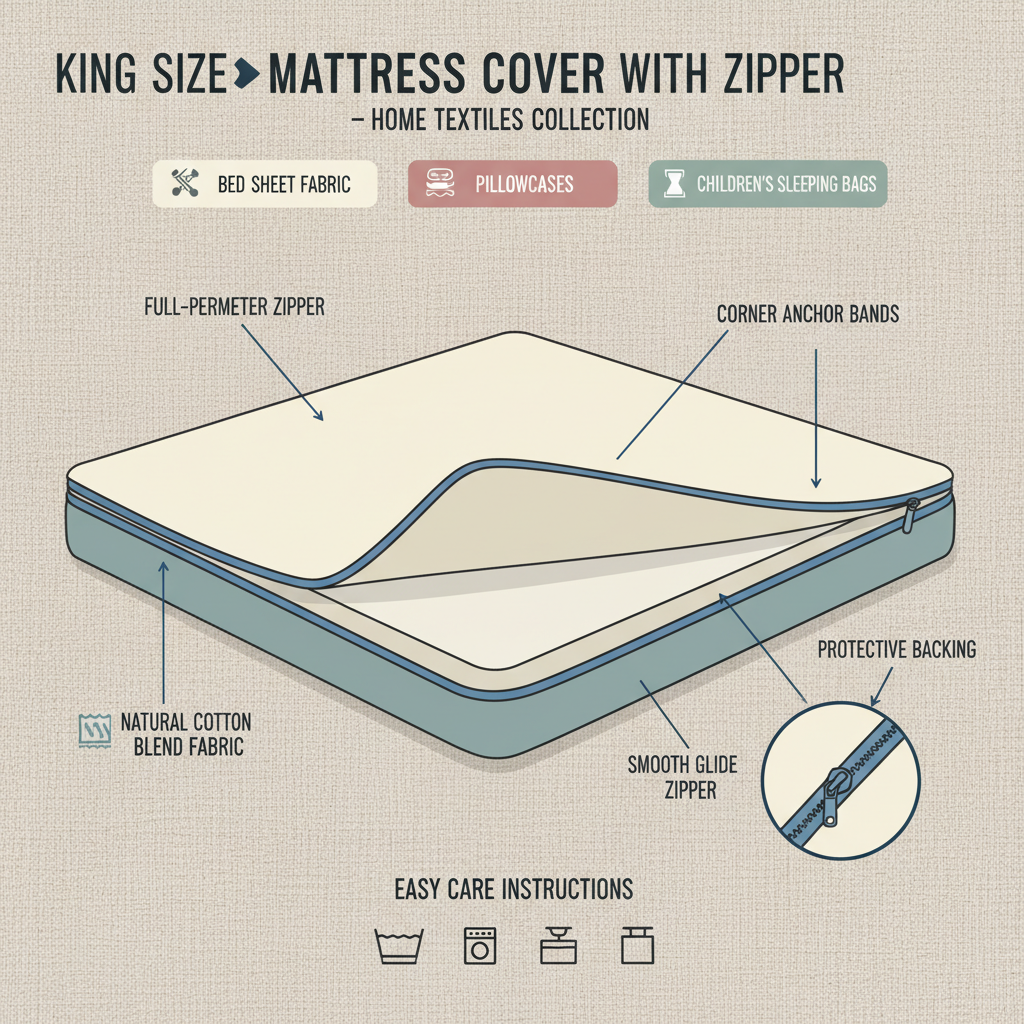
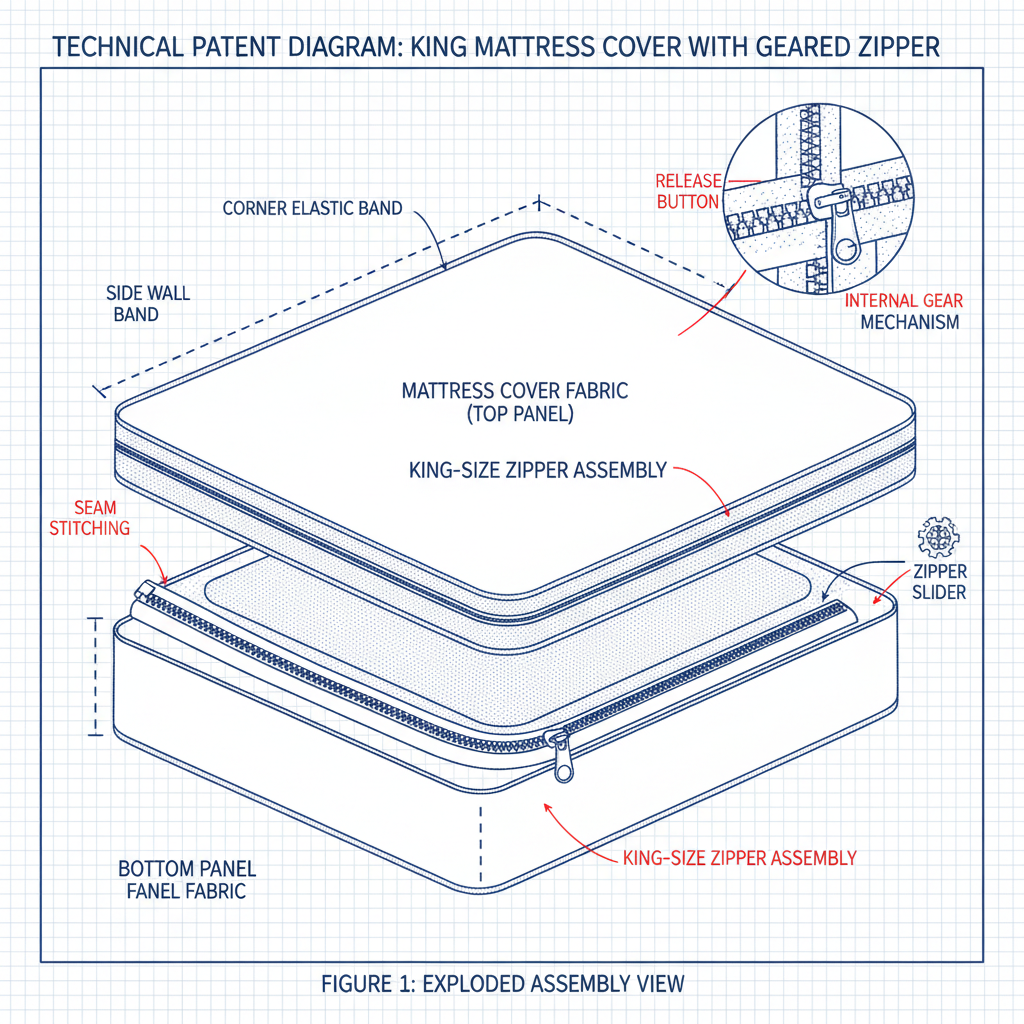
Best King Size Mattress Cover with Zipper for Complete Protection
Investing in a high-quality mattress is only the first step toward a perfect night's sleep. To protect that investment from spills, allergens, and general wear and tear, a king size mattress cover with zipper is an essential accessory. Unlike fitted sheets or simple toppers, a zippered encasement provides 360-degree protection, ensuring that your mattress remains pristine and hygienic for years to come. Whether you are battling dust mites or simply want to keep your bed fresh, choosing the right cover can significantly enhance your sleep quality and longevity of your bedding.
Apr 09,2026
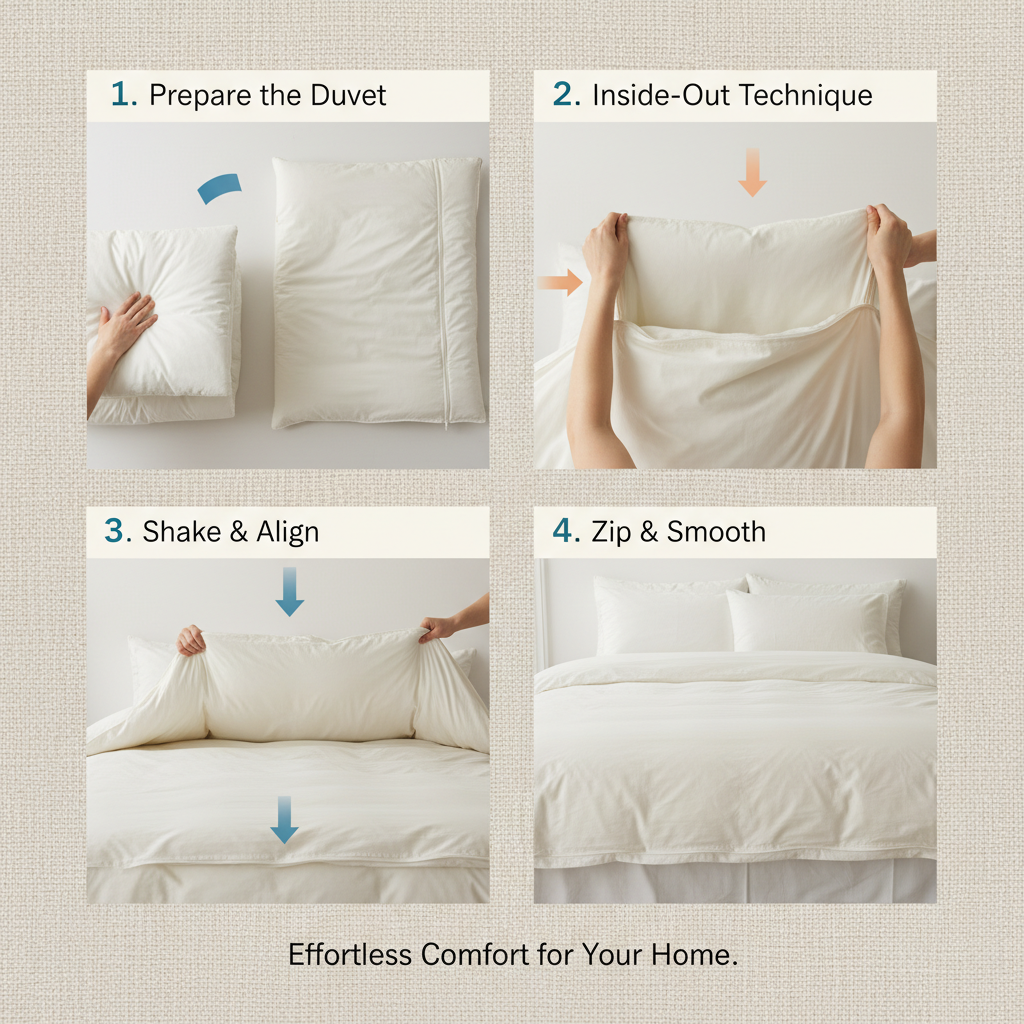
Best Guide for Choosing King Size Bed Cover with Zip Protection
Maintaining a pristine sleeping environment is essential for both hygiene and long-term mattress durability. A high-quality king size bed cover with zip provides a comprehensive shield against dust mites, allergens, and accidental spills. Unlike standard fitted sheets, a zipped encasement fully envelops the mattress, ensuring that nothing penetrates the fabric. Whether you are dealing with allergies or simply want to extend the life of your expensive king-size mattress, choosing the right protective cover is a game-changer for your bedroom health. In this guide, we will explore the technical advantages, materials, and key considerations for selecting the perfect enclosure for your bed.
Apr 07,2026
Comprehensive Guide to Choosing the Best King Mattress Cover with Zipper for Optimal Protection
Protecting your mattress is crucial for hygiene, longevity, and comfort. A king mattress cover with zipper offers a comprehensive solution, shielding against dust mites, allergens, spills, and wear and tear. This article delves into the benefits of using a zippered king mattress cover, key features to look for, materials, and how to choose the best one for your needs. Investing in a quality mattress protector is an investment in your health and the lifespan of your mattress.


Address
1010, ZHONGYUAN BUILDING, NO.368 NORTH YOUYI STREET. SHIJIAZHUANG,HEBEI,CHINA.


