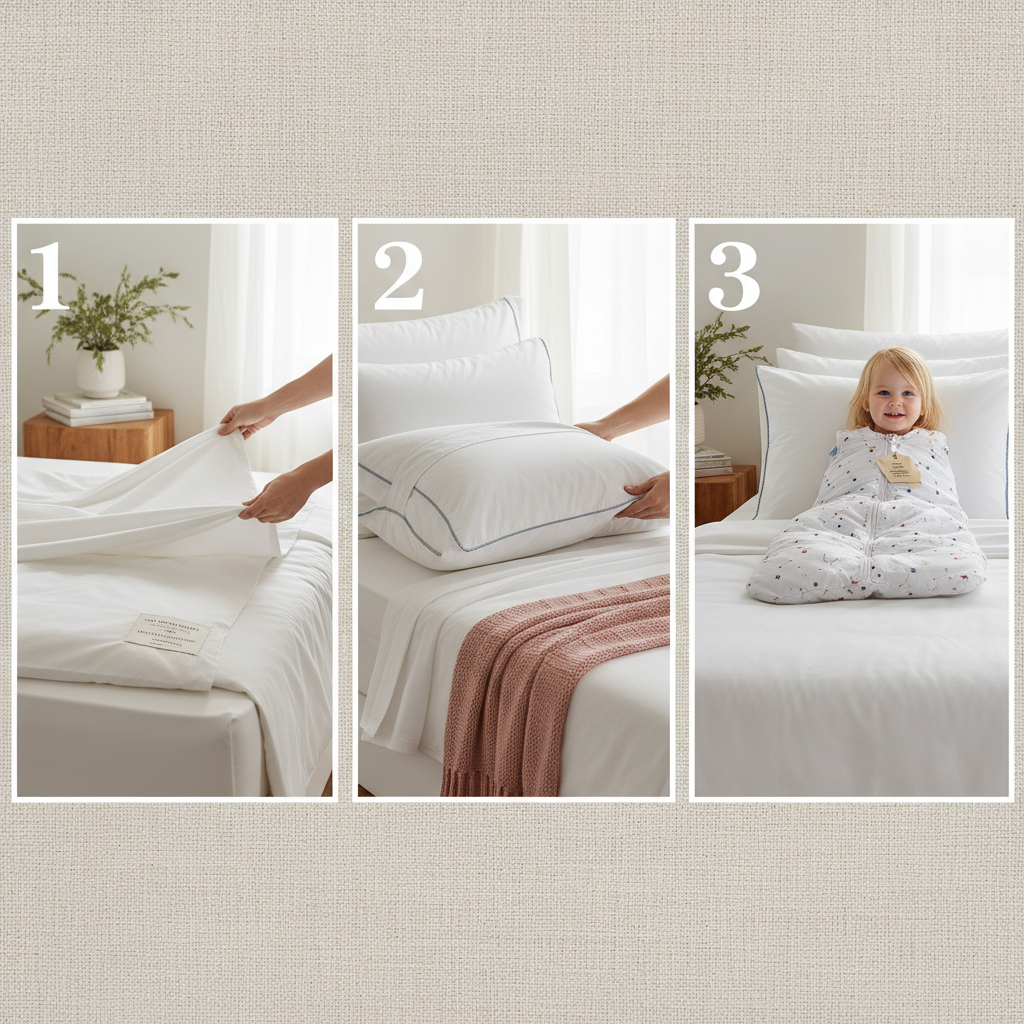
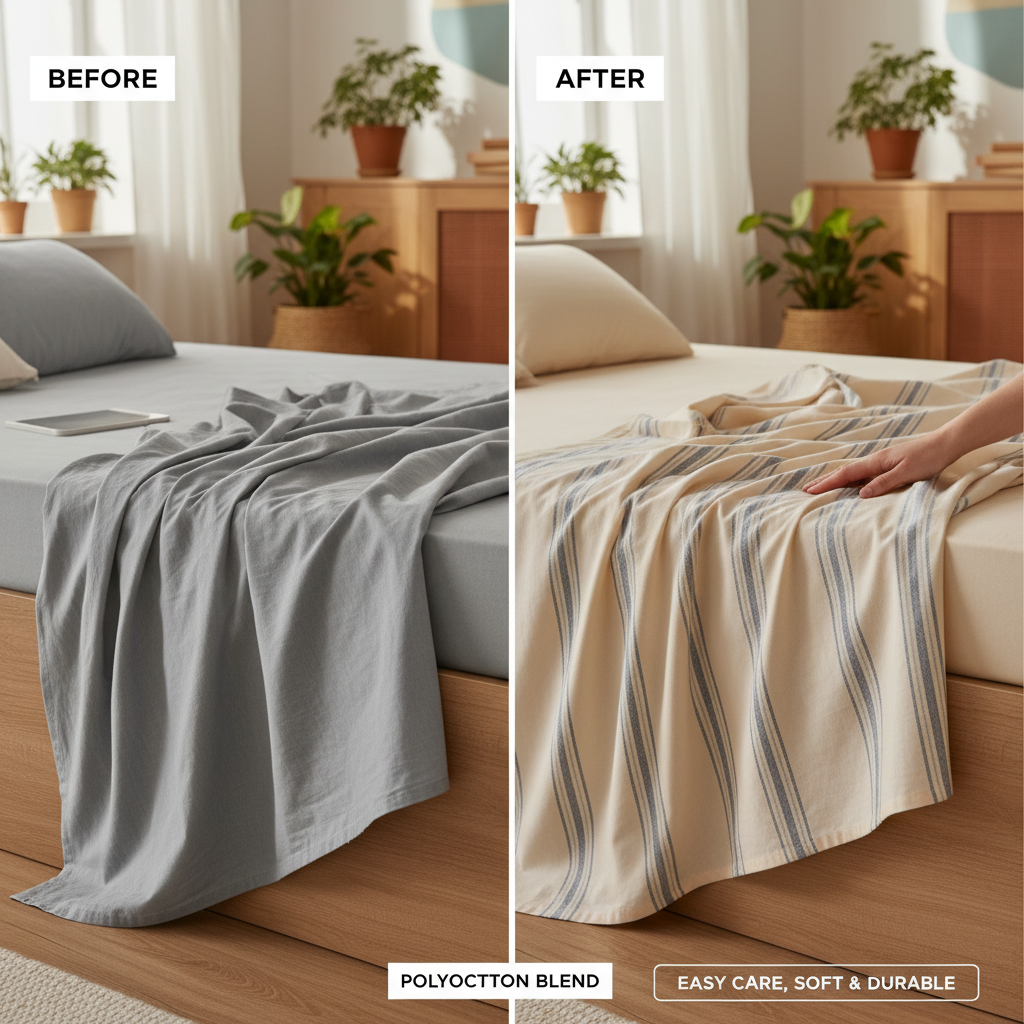
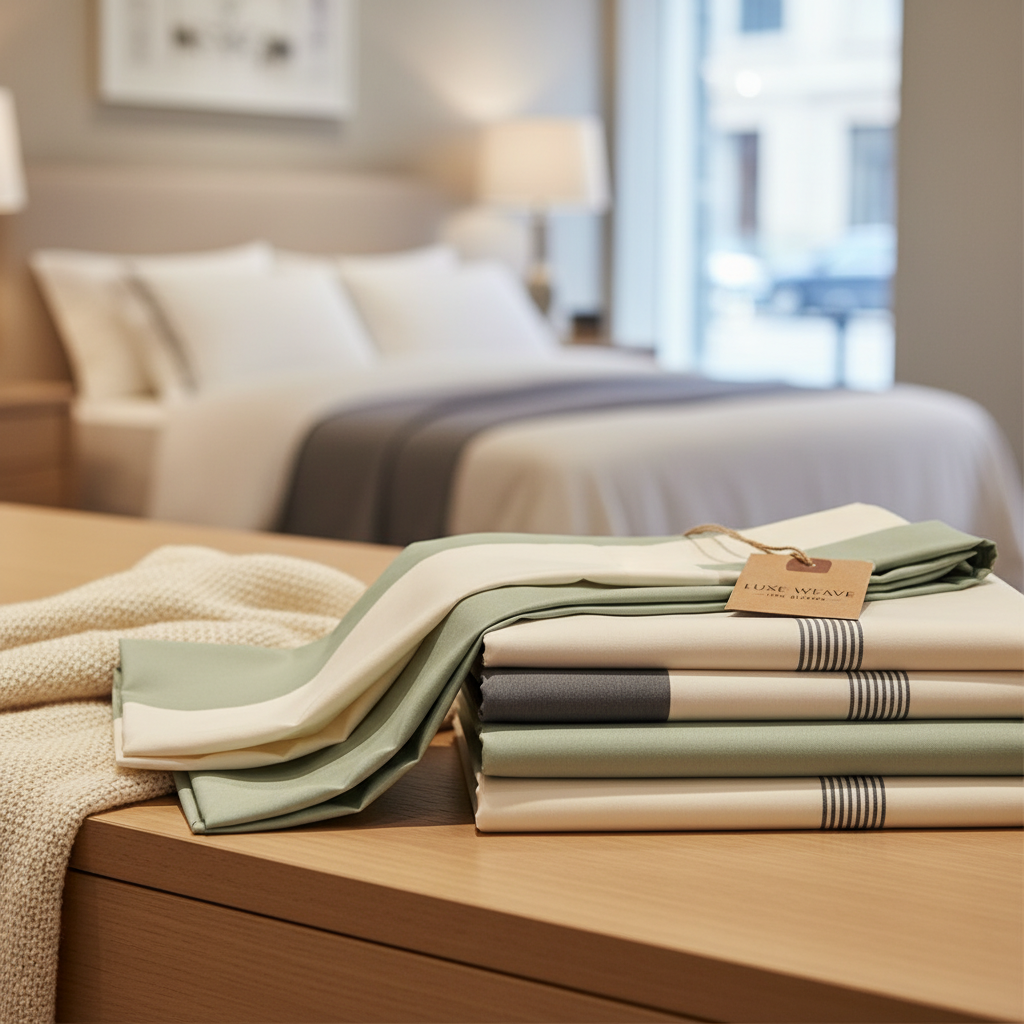
When it comes to optimizing sleep hygiene, the choice of bedding is often overlooked yet plays a critical role in thermal regulation and skin comfort. A 300 thread count sheet set represents the "golden mean" of textile engineering, offering a sophisticated balance between crispness and softness that caters to a wide variety of sleepers and climates.
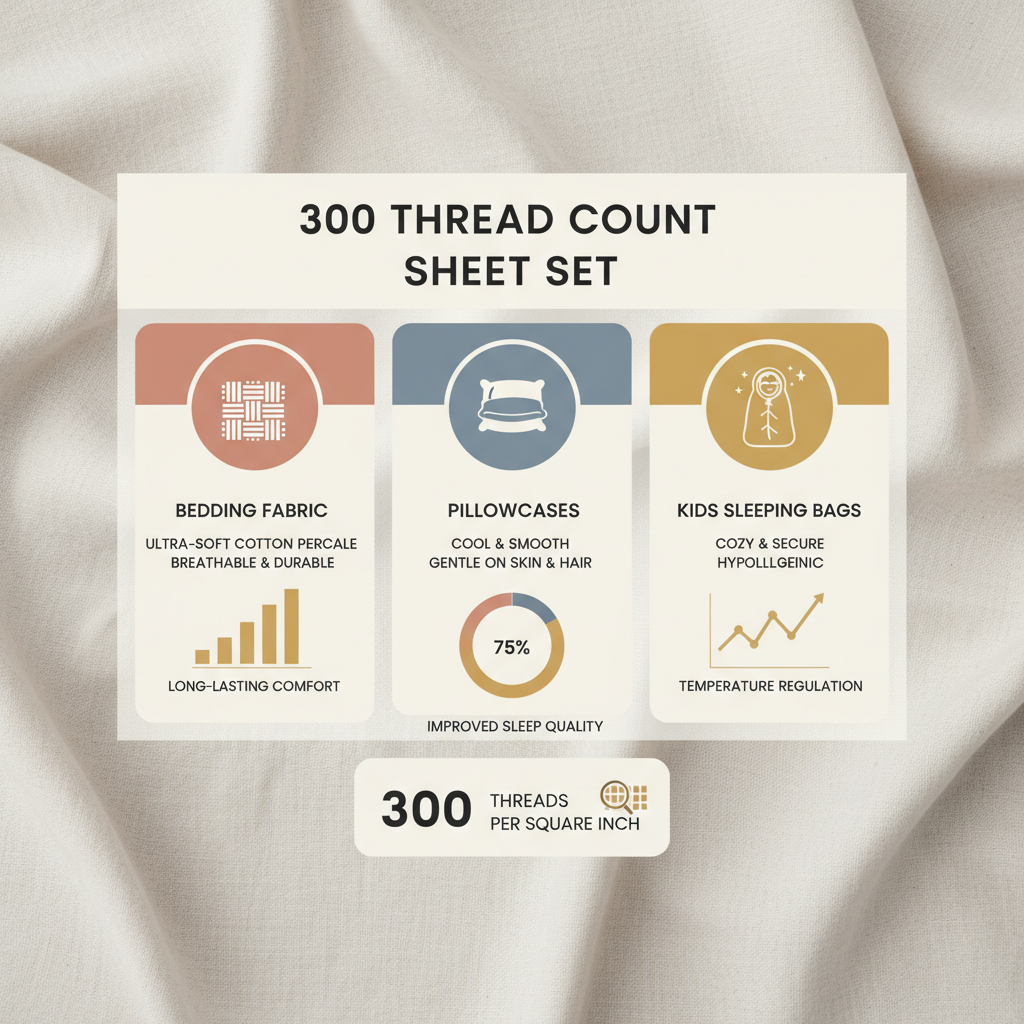
Understanding the technicality behind a 300 thread count sheet set is essential for consumers who want to avoid the marketing trap of "higher is always better." In the textile industry, thread count refers to the number of horizontal and vertical threads per square inch; at the 300 mark, the weave remains breathable while providing enough density to ensure long-term durability and a smooth hand-feel.
Investing in a high-quality 300 thread count sheet set not only enhances the aesthetic appeal of a bedroom but also contributes to a healthier sleep environment. By selecting the right material and weave, users can reduce night sweats and skin irritation, transforming their bed into a sanctuary of recovery and relaxation.
The Technical Foundation of 300 Thread Count Sheet Sets
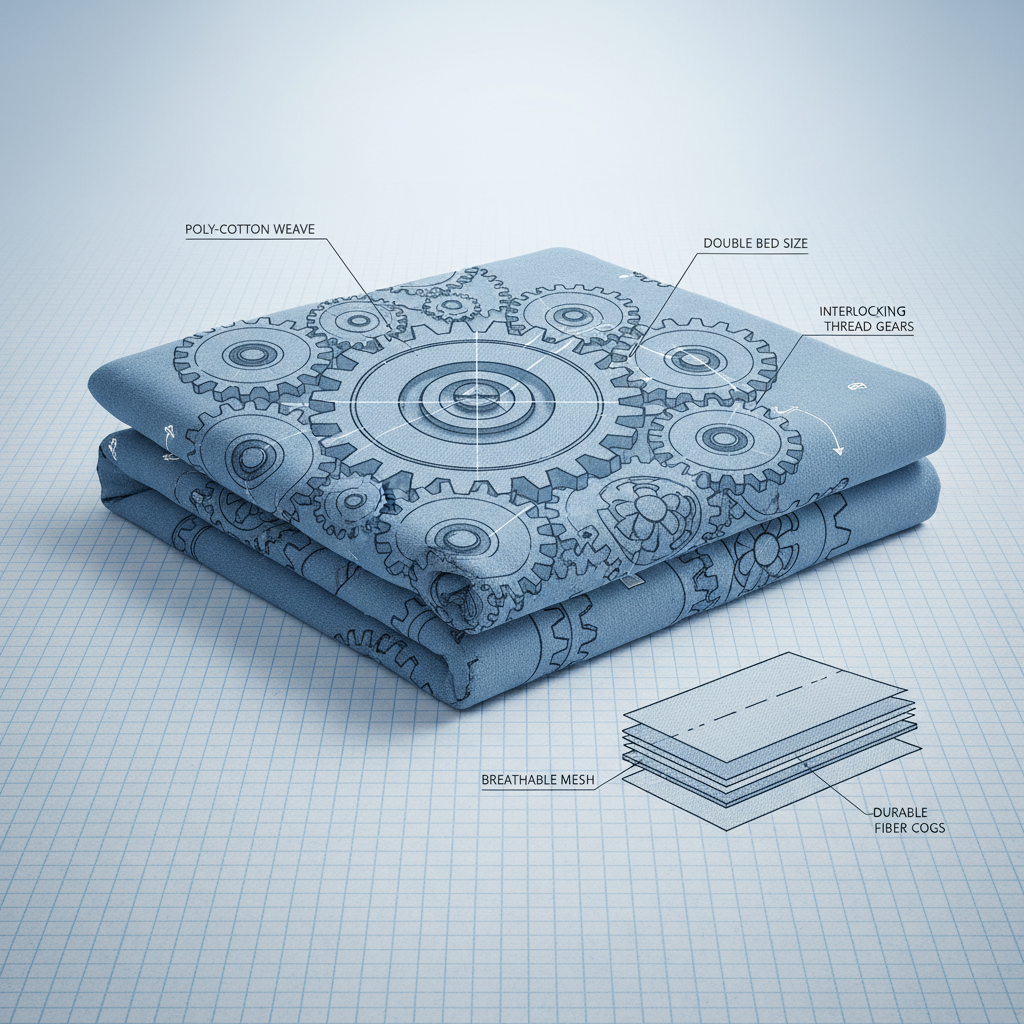
The architecture of a 300 thread count sheet set is rooted in the precision of textile weaving. By interlacing 300 threads within a single square inch, manufacturers create a fabric that is tight enough to feel luxurious and smooth, yet open enough to allow air circulation. This specific density prevents the fabric from becoming too heavy or stifling, which is a common complaint with ultra-high thread count linens that often use multi-ply yarns to artificially inflate numbers.
From a manufacturing perspective, achieving a consistent 300 count requires high-grade long-staple cotton or refined synthetic blends. This ensures that the fabric remains resistant to pilling and tearing over hundreds of wash cycles. The structural integrity of these sheets makes them a preferred choice for those who seek a balance between the crisp feel of a hotel sheet and the cozy softness of home bedding.
Global Market Demand and Industry Standards
In the global textile landscape, the 300 thread count sheet set has emerged as a standard for mid-to-high-range bedding. According to industry benchmarks and ISO quality standards for home textiles, this density is often cited as the optimal point for moisture wicking and thermal equilibrium. In regions with volatile climates, from the humid tropics of Southeast Asia to the temperate zones of North America, the versatility of 300-count fabrics allows them to adapt to both cooling and warming needs.
The challenge the industry faces is the proliferation of "inflated" thread counts. Many consumers are misled by labels claiming 800 or 1000 counts, which are often achieved by twisting multiple thin threads together. Professional textile engineers argue that a genuine, single-ply 300 thread count sheet set actually provides a more breathable and authentic luxury experience than these exaggerated alternatives.
Market data indicates a shifting preference toward "honest" luxury. Consumers are becoming more educated about textile science, leading to a resurgence in demand for sheets that prioritize breathability and durability over mere numbers. This shift has pushed manufacturers to focus on the quality of the yarn rather than the quantity of the weave.
Material Synergy and Weave Variations
The performance of a 300 thread count sheet set is heavily influenced by the weave pattern. For instance, a percale weave at 300 count results in a matte finish and a cool, crisp feel, making it ideal for "hot sleepers." The one-over, one-under structure allows for maximum airflow, keeping the body temperature regulated throughout the night.
Conversely, a sateen weave in a 300 thread count sheet set utilizes a four-over, one-under structure. This exposes more of the yarn surface, creating a subtle sheen and a silkier drape. While slightly warmer than percale, the sateen version provides a luxurious sensation against the skin, bridging the gap between utility and opulence.
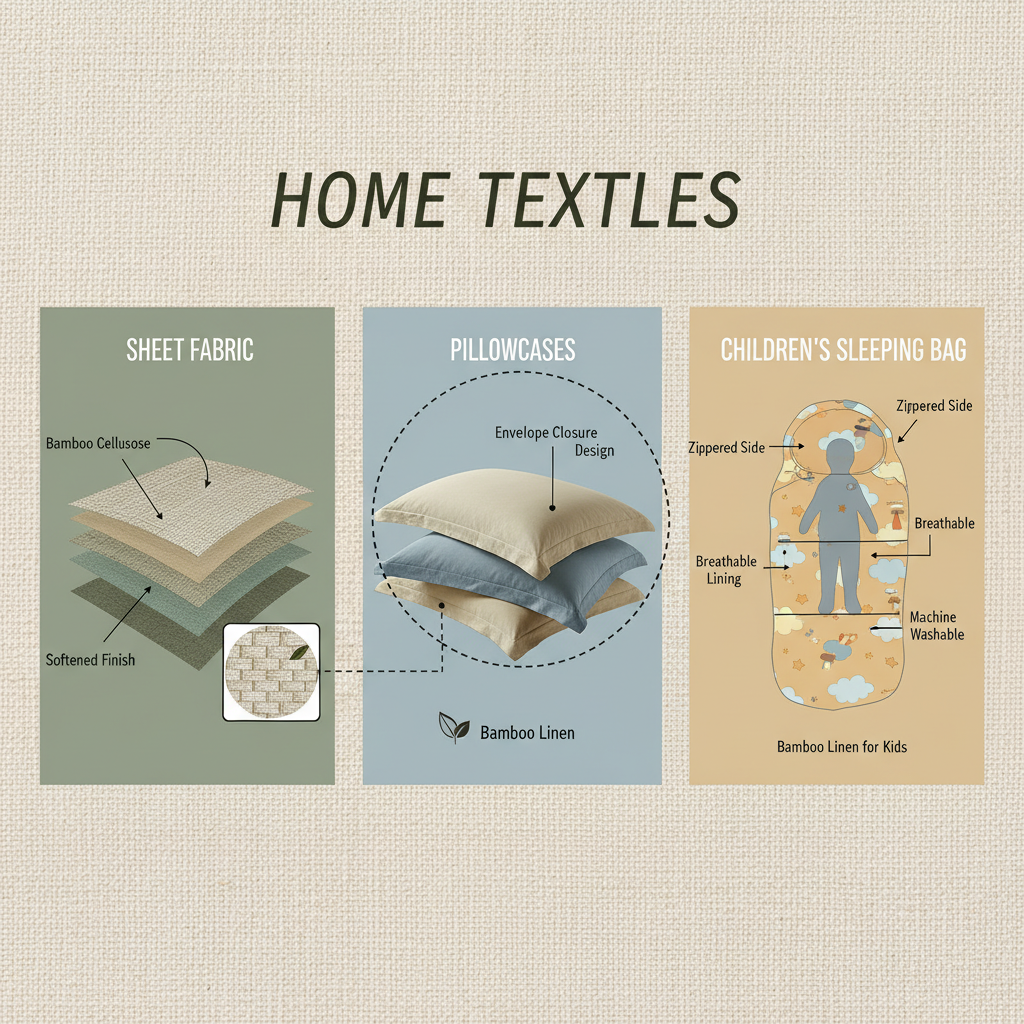
Material composition also plays a pivotal role. Whether utilizing Egyptian cotton, Pima cotton, or a bamboo-blend, the 300 thread count threshold ensures that the fabric maintains its structural integrity without sacrificing the natural properties of the fiber, such as the hypoallergenic nature of bamboo or the strength of long-staple cotton.
Performance Metrics of 300 Thread Count Sheet Sets
Evaluating the efficiency of a 300 thread count sheet set requires looking at a combination of breathability, softness, and tensile strength. Unlike low-count sheets that feel coarse or high-count sheets that feel heavy, the 300-count variety offers a balanced performance profile that suits most residential and commercial settings.
When tested for longevity, these sets show a remarkable resistance to wear and tear, provided the fiber quality is high. The weave is tight enough to prevent snagging but flexible enough to move with the sleeper, reducing the friction that typically leads to fabric thinning in high-contact areas.
Comparison of Bedding Performance Metrics
Real-World Applications in Hospitality and Home
In the hospitality sector, the 300 thread count sheet set is frequently the standard for four-star hotels. These establishments require bedding that can withstand industrial laundering processes—which involve high temperatures and harsh chemicals—while still providing a welcoming, luxurious feel for guests. The 300-count density offers the necessary robustness to prevent holes while remaining breathable enough for diverse guest preferences.
For residential use, these sets are ideal for families. Because they are typically easier to dry and maintain than ultra-dense fabrics, they provide a practical solution for households that prioritize both luxury and efficiency. Whether used in a master bedroom or a guest suite, the 300-count sheet set delivers a professional, "hotel-like" atmosphere without the restrictive maintenance of higher counts.
Long-Term Value and Sustainability Analysis
When analyzing the long-term value of a 300 thread count sheet set, the primary advantage is the "cost-per-use" ratio. Because they strike a balance between durability and comfort, these sheets tend to last longer than cheaper, low-thread-count options, reducing the frequency of replacement and minimizing textile waste in landfills.
From a sustainability perspective, 300-count fabrics often require less energy during the drying process. Denser fabrics trap more moisture and take longer to dry, leading to higher electricity consumption. By choosing a breathable 300-count weave, consumers can slightly reduce their carbon footprint over the lifespan of the product.
Furthermore, the move toward organic cotton and Oeko-Tex certified materials within the 300-count category ensures that the luxury experience doesn't come at the cost of environmental health. This alignment of quality, longevity, and eco-consciousness makes it a logically sound investment for the modern, ethical consumer.
Innovations in Bedding Textile Technology
The future of the 300 thread count sheet set lies in the integration of smart textiles and bio-engineered fibers. We are seeing the emergence of "phase-change materials" (PCMs) being woven into 300-count fabrics, which allow the sheets to actively absorb and release heat, maintaining a constant skin temperature regardless of external fluctuations.
Digital transformation in manufacturing has also allowed for "precision weaving," where the thread count can be varied across different zones of the sheet to maximize breathability in the center and durability at the edges. This ensures that the 300-count standard evolves from a static number into a dynamic performance tool.
Additionally, the industry is shifting toward circular economy models. New recycling technologies allow old 300-count cotton sheets to be broken down into fibers and respun into new high-quality linens, ensuring that the elegance of these products is matched by a closed-loop production cycle.
Comparative Analysis of 300 Thread Count Fabric Variations
| Weave Type |
Tactile Feel |
Breathability Score |
Recommended User |
| 300TC Percale |
Crisp & Cool |
9/10 |
Hot Sleepers |
| 300TC Sateen |
Silky & Smooth |
7/10 |
Cold Sleepers |
| 300TC Bamboo Blend |
Buttery Soft |
10/10 |
Sensitive Skin |
| 300TC Egyptian Cotton |
Dense & Lush |
8/10 |
Luxury Seekers |
| 300TC Linen Mix |
Textured & Airy |
9/10 |
Summer Use |
| 300TC Microfiber |
Velvety |
6/10 |
Budget Conscious |
FAQS
In many cases, yes. High thread counts (above 600) are often achieved using multi-ply yarns, which can make the fabric heavier, less breathable, and more prone to trapping heat. A genuine 300 thread count sheet set provides a superior balance of airflow and softness, making it more comfortable for the average person, especially those who struggle with night sweats.
Check the material source. High-quality 300-count sheets use "long-staple" cotton (like Egyptian or Pima), which results in fewer ends sticking out and a smoother surface. Additionally, look for certifications like Oeko-Tex, which ensures the fabric is free from harmful chemicals, and check if the manufacturer specifies "single-ply" yarns.
Pilling depends more on the fiber quality than the thread count. However, because 300-count sheets are generally more breathable and less densely packed than 800-count sheets, they are less likely to develop the friction-induced pilling associated with heavy synthetic blends. To prevent pilling, wash them in cold water and avoid over-drying on high heat.
For summer, the 300 thread count percale weave is the clear winner. Its "one-over, one-under" structure allows for maximum ventilation and has a crisp, cool-to-the-touch feel. Sateen is smoother and slightly heavier, which makes it better suited for cooler autumn or winter nights.
Depending on the material, a high-quality 300-count set should last 3 to 5 years. You should consider replacing them when you notice significant thinning in the center of the fitted sheet or when the fabric loses its original softness despite proper laundering.
Yes, especially those made from organic cotton or bamboo. The 300-count density is tight enough to feel smooth and prevent irritation, but open enough to prevent the skin from overheating, which can often trigger eczema or skin sensitivity. Always ensure the sheets are pre-washed to remove any factory residues.
Conclusion
Ultimately, the 300 thread count sheet set stands as a testament to the philosophy that balance is key in textile design. By merging optimal breathability with a luxurious hand-feel and impressive durability, it solves the common dilemma between low-end utility and overpriced, over-dense luxury linens. From its application in global hospitality to its role in enhancing personal sleep hygiene, the 300-count standard remains a reliable choice for those who value quality over marketing hype.
As we move toward a future of sustainable and smart textiles, the core principles of the 300-count weave—airflow, comfort, and longevity—will continue to be the foundation of a good night's sleep. We recommend consumers prioritize fiber origin and weave type over inflated numbers to truly optimize their sleep environment. To find the perfect balance of luxury and performance, visit our website: www.bedencasement.com.