



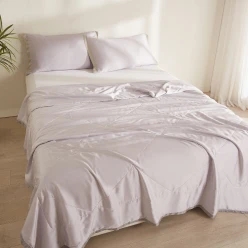


Exploring Bamboo Sheets and Duvet Covers: A Durable, Soft Solution
Having worked decades around industrial textiles and equipment – oddly enough, bamboo-based bedding has caught my attention more than once. You might think bamboo belongs only in flooring or furniture, but these natural fibers actually bring something different to bedding, especially bamboo sheets and duvet covers. They’re a fascinating mix of tech meets nature, offering breathability with a softness that synthetic fabrics often miss.
Frankly, when I first came across bamboo bedding, I was skeptical. The industrial world is tough on materials – moisture, microbial growth, durability – so I wondered if these sheets could hold up. Turns out, they can. Bamboo fabric is made from the pulp of bamboo grass, typically processed mechanically or chemically into viscose or lyocell fibers. The latter method is preferred for eco-friendly reasons and stronger fibers.
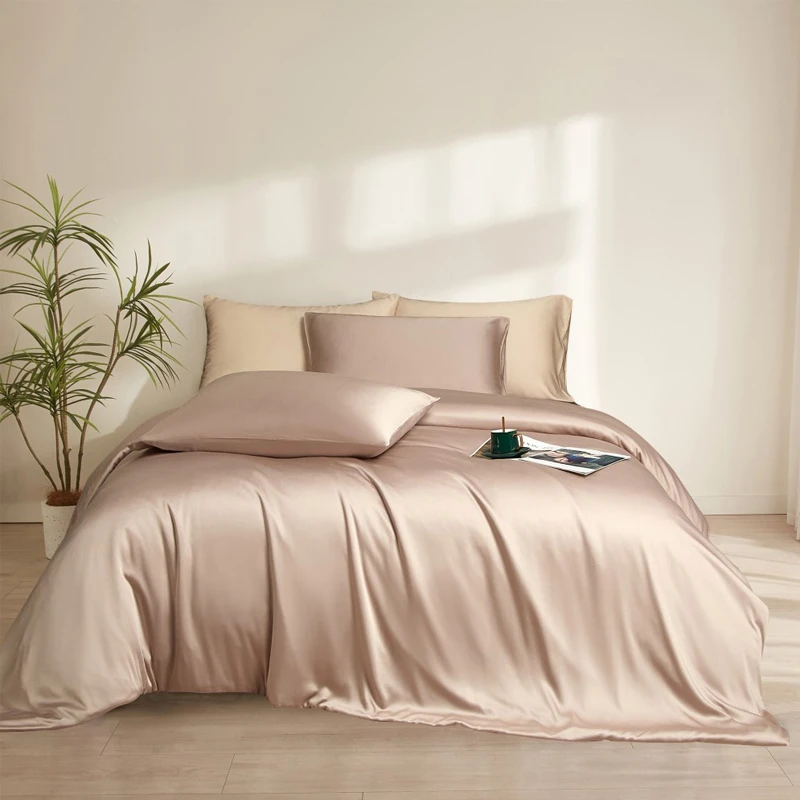
One thing I noticed after several uses: bamboo sheets have a subtle sheen and a sleek feel, almost like silk but breathable. That’s thanks to bamboo’s inherent moisture-wicking properties which keep you cool, even in humid environments. For someone who’s spent years in hot industrial settings, I can attest that a good night’s sleep matters, and bamboo really helps regulate temperature.
Industry insiders I’ve chatted with often highlight that these bedding options aren’t just comfortable but sustainable. Bamboo grows super fast and requires fewer pesticides than cotton, a huge plus given today’s environmental concerns. Plus, bamboo fabrics naturally repel dust mites and bacteria, a boon for allergy sufferers—a kind of built-in quality control you rarely get with traditional textiles.
Here’s a quick look at how bamboo sheets and duvet covers stack up in specs:
| Feature | Bamboo Sheets | Bamboo Duvet Covers |
|---|---|---|
| Material | 100% Bamboo Viscose/Lyocell | 100% Bamboo Viscose/Lyocell |
| Thread Count | 300–350 | 300–350 |
| Breathability | Excellent (moisture-wicking) | Excellent (moisture-wicking) |
| Durability | Medium-High; lasts 3–5 years with care | Medium-High; lasts 3–5 years with care |
| Care Instructions | Machine wash cold, gentle cycle, line dry preferred | Machine wash cold, gentle cycle, line dry preferred |
| Hypoallergenic | Yes | Yes |
Now, if you’re mulling over where to get bamboo bedding from, it helps to look at some of the vendor landscape. A few brands excel in quality but vary in price, production transparency, and environmental certifications. Here’s a simple comparison I put together from years of sourcing experience:
| Vendor | Certifications (OEKO-TEX, GOTS) | Price Range (per sheet set) | Material Sourcing | Customization Options |
|---|---|---|---|---|
| BedEnCasement | OEKO-TEX Standard 100 | $70 - $120 | Managed bamboo farms, Central Asia | Yes (sizes, colors, monograms) |
| EcoSleep | GOTS certified organic | $90 - $150 | China-origin bamboo pulp | Limited |
| Bamboo Bliss | OEKO-TEX Standard 100 | $60 - $110 | Mixed origins (Vietnam, China) | No |
From a customer story perspective, I recall a facility manager telling me she’d been switching to bamboo duvet covers and sheets for employee dormitories in a manufacturing plant. The main reasons were improved sleep comfort and lower replacements due to mildew resistance. She mentioned it was a sort of investment in workforce well-being, which frankly made a lot of sense to me.
In real terms, bamboo sheets and duvet covers aren’t magic bullet products, but they represent a thoughtful blend of natural fiber tech and sustainability. If you’re after softness, breathability, and a lighter environmental footprint, these are definitely worth considering. Plus, their hypoallergenic status means you often get fewer complaints from sensitive sleepers.
So, if you’re curious — and I suppose many in the industrial sector might be, given the push for better worker accommodations — digging a bit deeper into bamboo bedding might pay dividends. It feels like one of those rare cases where comfort meets durability and sustainability without compromise.
And just a quick note: if you want a solid starting point, check out bamboo sheets and duvet covers there. They’ve got the certifications and a decent range of customization.
In the end, soft comfort wrapped in green credentials — it’s enough to make an old industrial textile hand sit up and take notice.
Quick Takeaway: Bamboo bedding offers an industrially practical yet naturally soft choice — perfect for anyone balancing comfort, durability, and eco-awareness.
References:
1. Textile Exchange, "The Rise of Bamboo Bedding," 2022.
2. OEKO-TEX, Certification Standards, 2023.
3. Industry interview notes, 2023.

Related Products
Our Latest News
Apr 16,2026
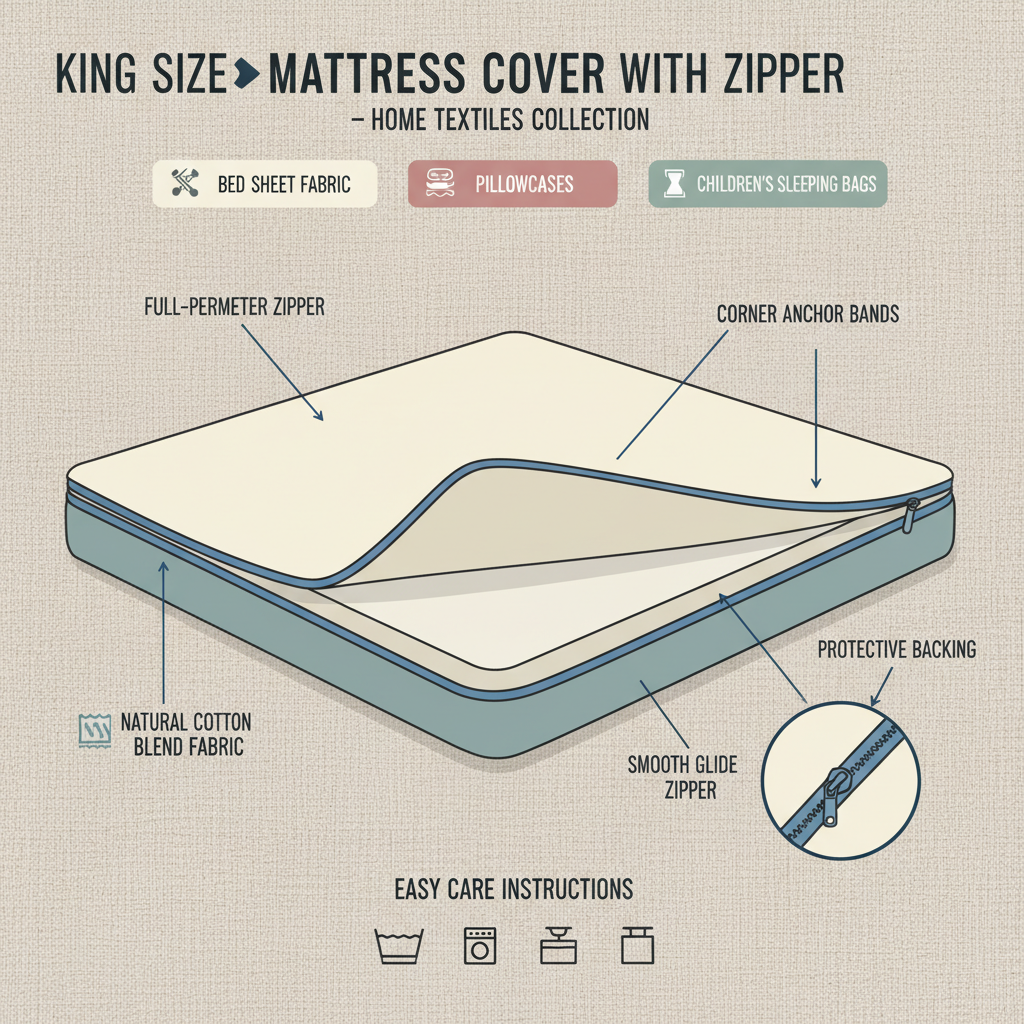
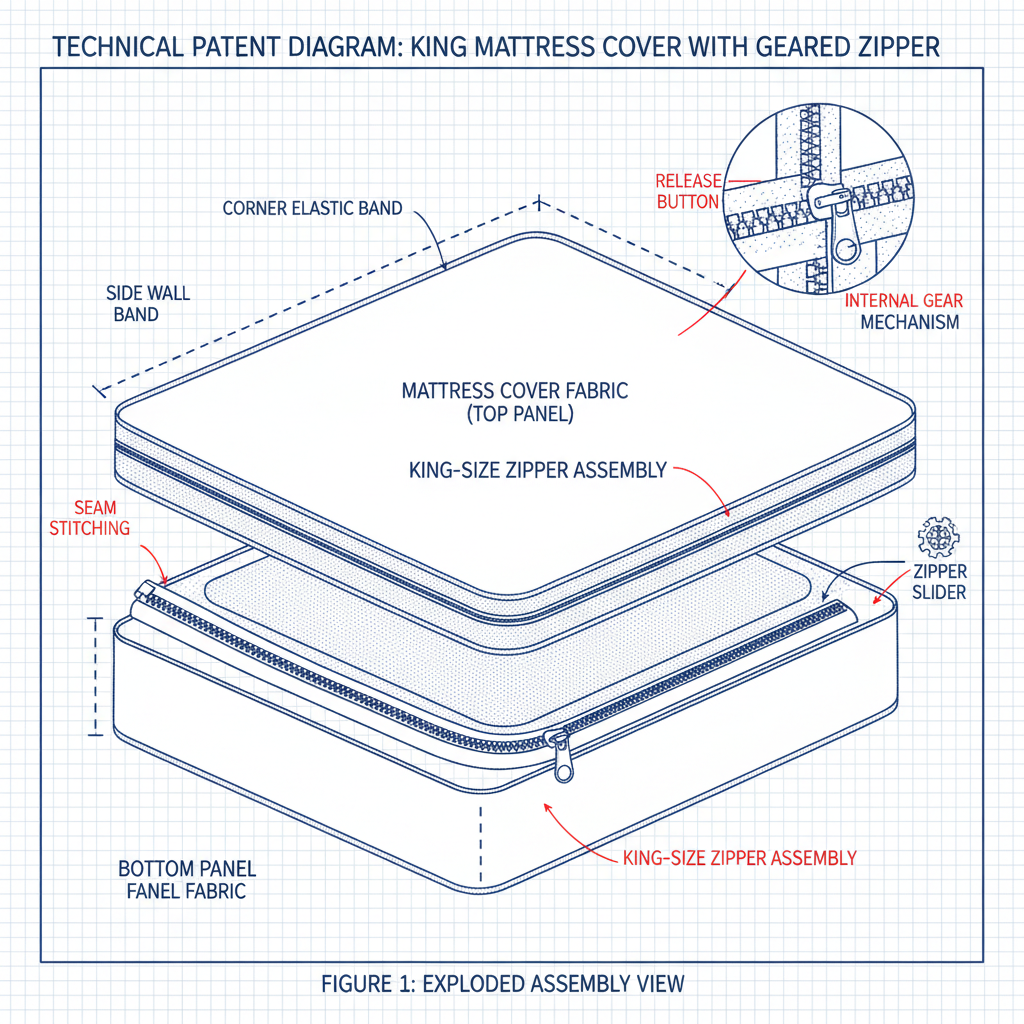
Best King Size Mattress Cover with Zipper for Complete Protection
Investing in a high-quality mattress is only the first step toward a perfect night's sleep. To protect that investment from spills, allergens, and general wear and tear, a king size mattress cover with zipper is an essential accessory. Unlike fitted sheets or simple toppers, a zippered encasement provides 360-degree protection, ensuring that your mattress remains pristine and hygienic for years to come. Whether you are battling dust mites or simply want to keep your bed fresh, choosing the right cover can significantly enhance your sleep quality and longevity of your bedding.
Apr 09,2026
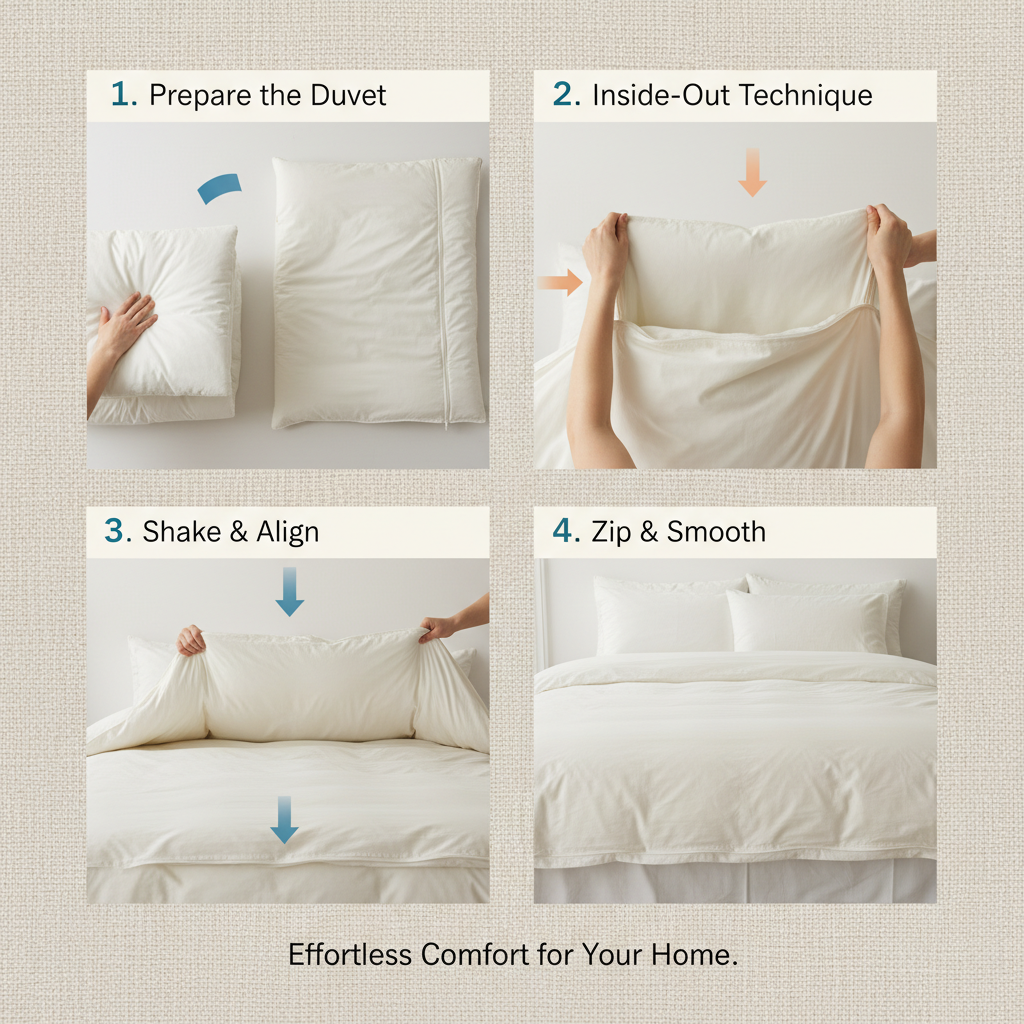
Best Guide for Choosing King Size Bed Cover with Zip Protection
Maintaining a pristine sleeping environment is essential for both hygiene and long-term mattress durability. A high-quality king size bed cover with zip provides a comprehensive shield against dust mites, allergens, and accidental spills. Unlike standard fitted sheets, a zipped encasement fully envelops the mattress, ensuring that nothing penetrates the fabric. Whether you are dealing with allergies or simply want to extend the life of your expensive king-size mattress, choosing the right protective cover is a game-changer for your bedroom health. In this guide, we will explore the technical advantages, materials, and key considerations for selecting the perfect enclosure for your bed.
Apr 07,2026
Comprehensive Guide to Choosing the Best King Mattress Cover with Zipper for Optimal Protection
Protecting your mattress is crucial for hygiene, longevity, and comfort. A king mattress cover with zipper offers a comprehensive solution, shielding against dust mites, allergens, spills, and wear and tear. This article delves into the benefits of using a zippered king mattress cover, key features to look for, materials, and how to choose the best one for your needs. Investing in a quality mattress protector is an investment in your health and the lifespan of your mattress.


Address
1010, ZHONGYUAN BUILDING, NO.368 NORTH YOUYI STREET. SHIJIAZHUANG,HEBEI,CHINA.


