



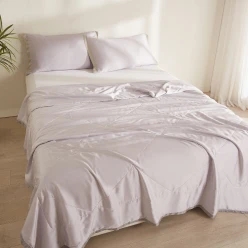


Bamboo Sateen Duvet Cover: A Soft Revolution in Sustainable Bedding
In the world of home textiles, few materials have captured the imagination quite like the bamboo sateen duvet cover. It's more than just a trendy bedroom upgrade; it represents a fascinating intersection of sustainability, luxury, and technical innovation that has global implications for how we sleep and source our fabrics. But why does this matter beyond aesthetics? Well, as industries and consumers alike shift towards environmentally friendly alternatives, understanding a product like the bamboo sateen duvet cover becomes crucial—not only for comfort but for planetary health and ethical consumption.
Introduction: Why Bamboo Sateen Matters Globally
Global textile consumption is staggering. According to the United Nations Environment Programme (UNEP), the fashion and textile industries generate nearly 10% of annual global carbon emissions—a figure larger than international flights and shipping combined. Raw materials for bedding, notably cotton, put enormous pressure on water and land resources. Bamboo, especially when transformed into a soft sateen weave, offers a compelling alternative. It grows rapidly without pesticides and requires less water, making the bamboo sateen duvet cover a small but significant player in the sustainability movement within home goods.
However, a challenge remains: many consumers doubt whether bamboo-derived fabrics can really match the softness or durability of traditional cotton cotton sateen options. In other words, is sustainability being sacrificed for comfort? We'll explore this question deeply.
Defining Bamboo Sateen Duvet Cover
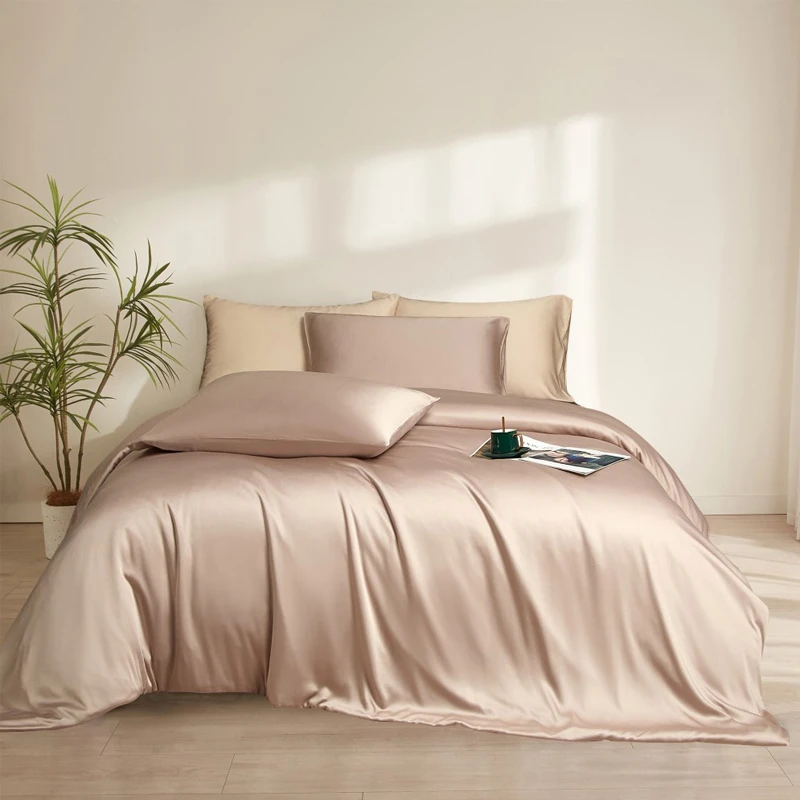
Simply put, a bamboo sateen duvet cover is a bedding cover made from bamboo fibers woven in a sateen pattern—this weave gives a lustrous, smooth finish quite similar to silk or premium cotton sateen. The bamboo fibers themselves come from bamboo pulp, which is mechanically or chemically processed into viscose-like fabric. This fabric is then crafted into duvet covers designed to protect duvets, enhance bedroom luxury, and improve sleep quality.
What stands out is the fabric’s dual identity: bamboo's natural sustainability paired with sateen's signature sheen and softness. This combination is attractive in modern industry design where eco-consciousness pairs with style and function.
Core Components and Key Factors
1. Durability
Bamboo fibers, when woven into sateen, create a fabric surprisingly durable for everyday use. Many users report their bamboo duvet covers lasting several years without significant pilling or wear. It's not cotton rugged, but it holds up well with proper care.
2. Breathability & Moisture Management
One of bamboo's main claims to fame is breathability. The fibers allow air to circulate and wick moisture away, which means a bamboo duvet cover can help regulate temperature better than synthetic alternatives—a boon for hot sleepers especially.
3. Softness & Aesthetic Appeal
The sateen weave achieves a glossy surface that feels luxurious to the touch. Bamboo fibers feel cool and smooth, giving a downtime vibe worthy of boutique hotels—without the hefty price tag.
4. Sustainability
Bamboo grows quickly, requires minimal pesticides, and needs far less water than cotton. Moreover, many manufacturers now source bamboo pulp adhering to ISO-compliant sustainable forestry practices, further bolstering credentials.
5. Hypoallergenic Qualities
Interestingly, bamboo is naturally resistant to some allergens and bacteria. While not a medical guarantee, those prone to skin sensitivity often gravitate towards bamboo sateen for bedding.
Product Specification: Typical Bamboo Sateen Duvet Cover
| Feature | Specification |
|---|---|
| Material | 70% Bamboo Viscose, 30% Cotton Blend |
| Weave Type | Sateen (300 thread count) |
| Finish | Peach skin soft handfeel |
| Care | Machine washable, tumble dry low |
| Certifications | OEKO-TEX Standard 100, FSC |
Global Applications and Real-World Use Cases
The appeal of bamboo sateen duvet covers isn’t limited to homes with eco-friendly preferences. Hospitality chains in Southeast Asia and Europe increasingly outfit boutique hotels with them, capitalizing on consumer trends for “green luxury.” In particular, the region’s commitment to sustainable tourism bolsters this trend.
In colder regions, bamboo sateen duvet covers surprisingly adapt well. Their moisture-wicking capability means better temperature regulation through changing seasons, increasing user comfort even in traditionally difficult climates. NGOs supplying bedding materials during humanitarian aid operations have started experimenting with bamboo sateen products, buoyed by their softness, durability, and hypoallergenic properties that promote dignity for displaced persons.
Vendor Comparison: Bamboo Sateen Duvet Cover Suppliers
| Vendor | Price Range | Sustainability Certification | Material Composition |
|---|---|---|---|
| GreenThread Linens | $85 - $120 | OEKO-TEX & FSC | 100% Bamboo Viscose |
| SoftBamboo Co. | $75 - $110 | GOTS Certified | 70% Bamboo / 30% Organic Cotton |
| EcoLoom | $90 - $130 | Bluesign & OEKO-TEX | 50% Bamboo / 50% Cotton |
Advantages and Long-Term Value
Opting for a bamboo sateen duvet cover offers several clear benefits. Financially, though initial costs may be a bit higher than average cotton covers, their durability and reduced washing needs may offset that over time. Sustainability-wise, bamboo reduces the water footprint and chemical usage compared to cotton. Socially, these products often come from more ethical manufacturing setups, improving worker conditions.
On an emotional level, slipping under a bamboo sateen cover feels like a small indulgence in self-care... It's the kind of comfort that subtly tells you you’re doing right by the planet, even if only a little.
Future Trends and Innovations in Bamboo Sateen Bedding
Looking ahead, innovations are underway to improve bamboo fabric processing to reduce chemical use and increase fiber longevity. Digital printing technologies allow for vibrant design on bamboo fabrics without harmful dyes, amplifying customization options.
Some brands are integrating anti-microbial treatments with natural substances like silver or copper nanoparticles, aiming to elevate hygiene without compromising fabric softness. Also, as smart textiles evolve, bamboo sateen blends might soon embed fibers capable of monitoring sleep or skin health.
Challenges and Solutions
One sticking point for the bamboo sateen duvet cover is that "bamboo viscose" sometimes raises red flags regarding chemical processing methods. If not done responsibly, it can negate sustainability benefits. That said, reputable vendors now source closed-loop processed viscose or mechanically processed bamboo lyocell, mitigating these concerns.
Another issue is care — some find bamboo vulnerable to shrinkage or damage if washing instructions aren’t strictly followed. Educating consumers on machine and drying settings, as well as opting for blends with cotton, can alleviate this.
FAQ: Frequently Asked Questions About Bamboo Sateen Duvet Covers
- Q: How is bamboo sateen different from regular cotton sateen?
A: Bamboo sateen generally feels softer and has better moisture-wicking compared to cotton sateen. Bamboo is also more sustainable, requiring less water and pesticides. - Q: Are bamboo duvet covers durable enough for daily use?
A: Yes, when cared for properly bamboo sateen covers last several years. Combining bamboo with cotton fibers often improves durability. - Q: Can I machine wash a bamboo sateen duvet cover?
A: Most bamboo sateen covers are machine washable on gentle cycles with mild detergent and tumble dry low. Always check manufacturer instructions. - Q: Is bamboo fabric hypoallergenic?
A: Bamboo’s natural properties can deter some allergens and bacteria, making it a popular choice for sensitive skin, though it’s not a medical-grade allergy solution. - Q: Are bamboo duvet covers more expensive than cotton ones?
A: Typically, yes, but their longer life and sustainability benefits give them good value over time.
Conclusion: Why a Bamboo Sateen Duvet Cover Is Worth Considering
If you haven’t yet dipped your toes into bamboo sateen bedding, it might be time. The combination of luxurious softness, eco-friendly sourcing, and practical durability creates a product that’s frankly hard to ignore. And if you’re looking for quality sustainable bedding that’s a tad indulgent, a bamboo sateen duvet cover could be the upgrade your bedroom—and the planet—need.
Feel free to visit our website to explore the range and find your perfect match.
Mini takeaway: Bamboo sateen duvet covers offer an elegant balance between comfort and sustainability, paving a gentle path toward greener homes.
References

Related Products
Our Latest News
Apr 16,2026
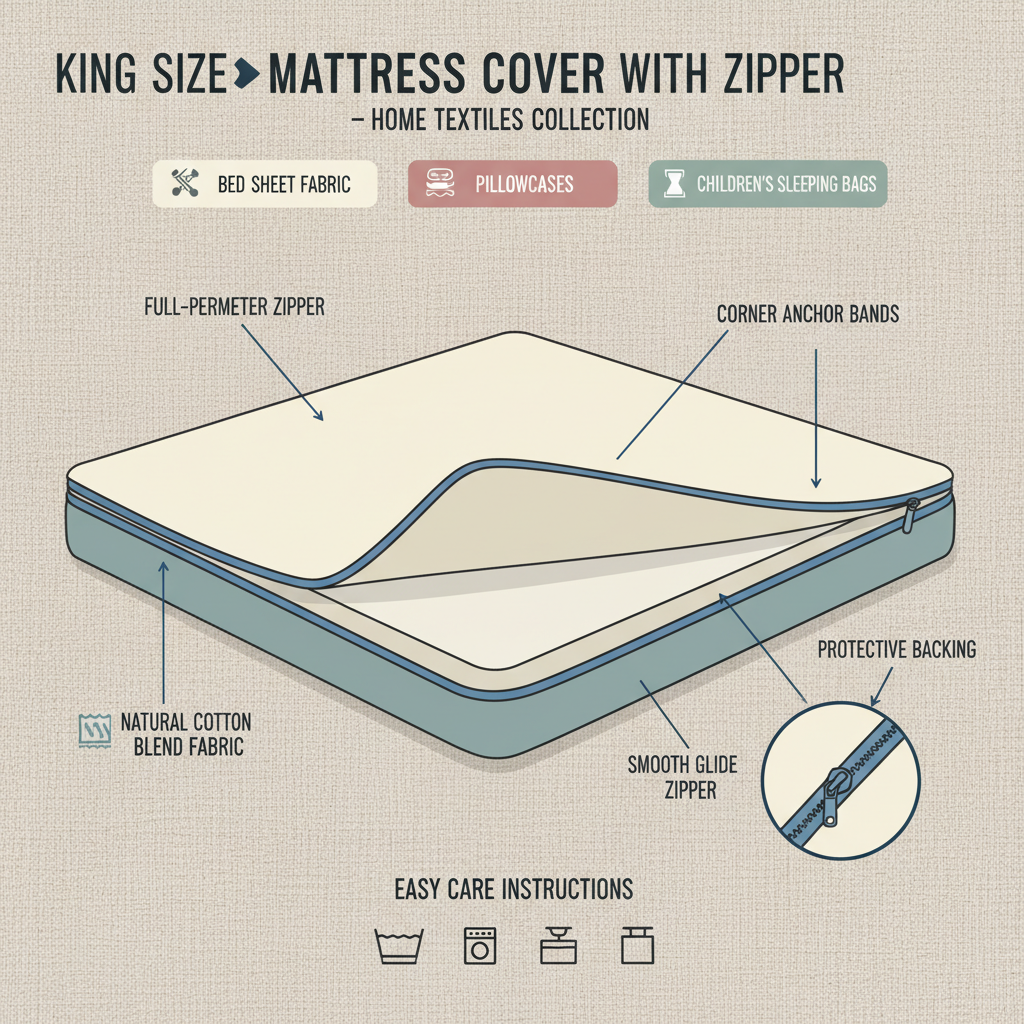
Best King Size Mattress Cover with Zipper for Complete Protection
Investing in a high-quality mattress is only the first step toward a perfect night's sleep. To protect that investment from spills, allergens, and general wear and tear, a king size mattress cover with zipper is an essential accessory. Unlike fitted sheets or simple toppers, a zippered encasement provides 360-degree protection, ensuring that your mattress remains pristine and hygienic for years to come. Whether you are battling dust mites or simply want to keep your bed fresh, choosing the right cover can significantly enhance your sleep quality and longevity of your bedding.
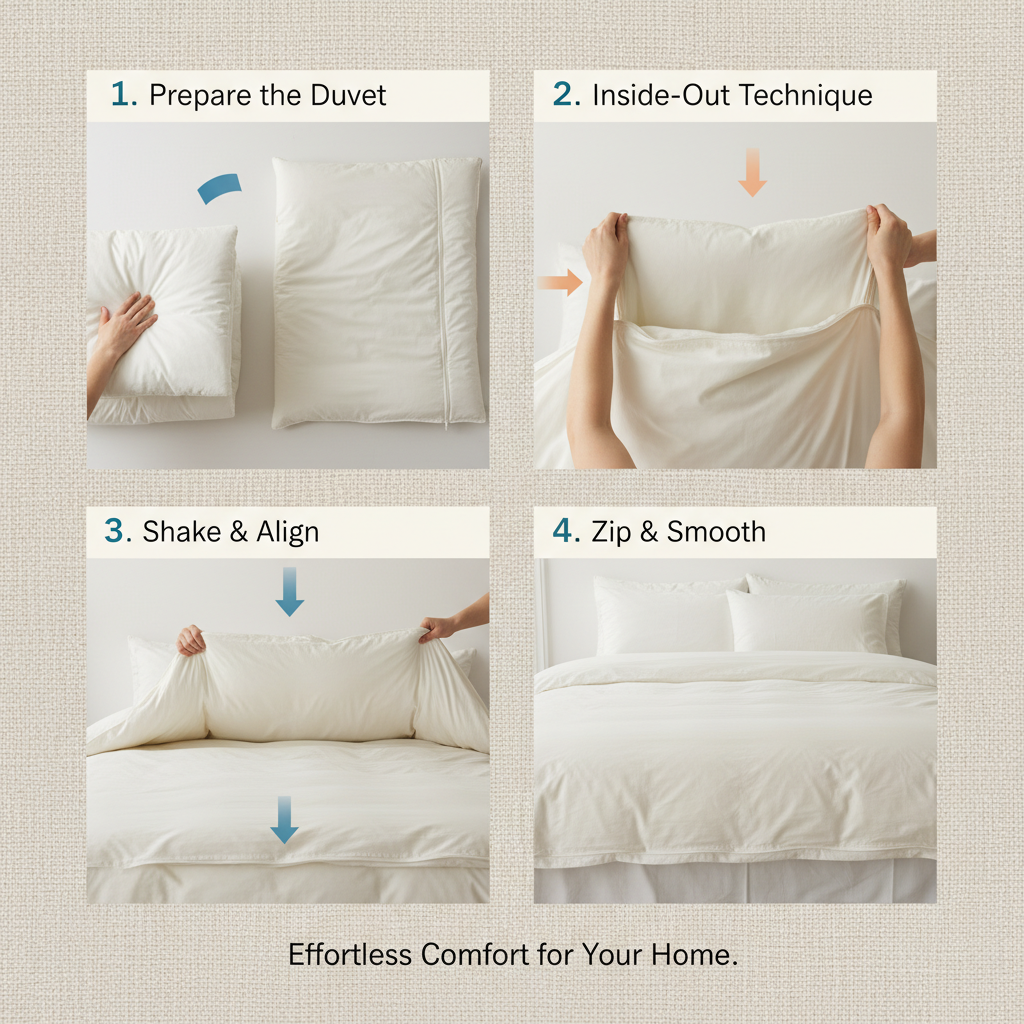
Apr 09,2026
Best Guide for Choosing King Size Bed Cover with Zip Protection
Maintaining a pristine sleeping environment is essential for both hygiene and long-term mattress durability. A high-quality king size bed cover with zip provides a comprehensive shield against dust mites, allergens, and accidental spills. Unlike standard fitted sheets, a zipped encasement fully envelops the mattress, ensuring that nothing penetrates the fabric. Whether you are dealing with allergies or simply want to extend the life of your expensive king-size mattress, choosing the right protective cover is a game-changer for your bedroom health. In this guide, we will explore the technical advantages, materials, and key considerations for selecting the perfect enclosure for your bed.
Apr 07,2026
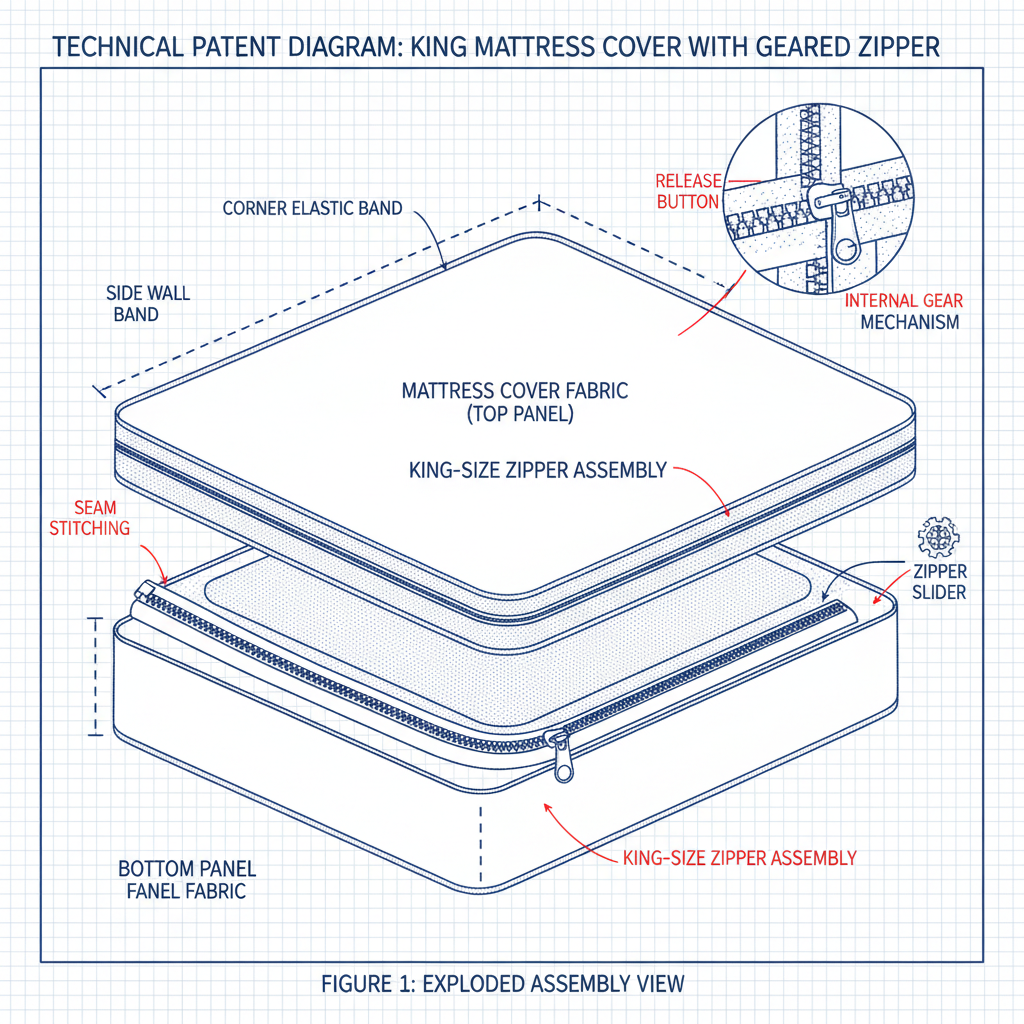
Comprehensive Guide to Choosing the Best King Mattress Cover with Zipper for Optimal Protection
Protecting your mattress is crucial for hygiene, longevity, and comfort. A king mattress cover with zipper offers a comprehensive solution, shielding against dust mites, allergens, spills, and wear and tear. This article delves into the benefits of using a zippered king mattress cover, key features to look for, materials, and how to choose the best one for your needs. Investing in a quality mattress protector is an investment in your health and the lifespan of your mattress.


Address
1010, ZHONGYUAN BUILDING, NO.368 NORTH YOUYI STREET. SHIJIAZHUANG,HEBEI,CHINA.


