



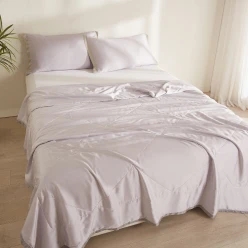


Cotton Percale Bed Sheets: What They Are and Why They Matter Globally
If you’ve ever lingered over thread counts in a bedding store, you’ve probably bumped into “cotton percale bed sheets.” But beyond the enticing label, what makes this type of bedding so special, especially on a global scale? Well, percale cotton is more than just a pretty fabric; it's a cornerstone of quality sleep, sustainability efforts, and even international trade. Understanding cotton percale bed sheets means diving into a fiber that promises durability, comfort, and responsible sourcing—qualities much sought after in a world increasingly focused on both human well-being and environmental impact.
In real terms, this means better sleep for millions and more sustainable textile practices—topics that are surprisingly intertwined.
Setting the Stage: The Global Significance of Cotton Percale Bed Sheets
Why does something as seemingly simple as a bed sheet matter on an international scale? According to the United Nations, the textile industry employs over 75 million people worldwide and accounts for nearly 10% of global carbon emissions. Within that sphere, cotton remains king, prized for breathability and natural softness. Percale weave—characterized by its tight, plain weave—adds durability and crispness, and has been a consumer favorite for decades.
However, challenges abound: from pesticide use in cotton farming to the longevity of textiles in hospitality industries. Cotton percale sheets address part of this by demanding higher quality cotton and meticulous weaving that extends durability, reducing waste. The World Bank estimates that durable goods can lower resource consumption by 30% over their lifecycle—exactly the kind of improvement the mattress and bedding sectors need.
What Exactly Are Cotton Percale Bed Sheets?
Simply put, cotton percale bed sheets are sheets woven from 100% cotton yarn in a percale pattern. This weave style involves a one-over-one-under structure, creating a matte finish with a crisp hand feel. Unlike satin or jersey knits, percale is cool and breathable, ideal for tropical or warm climates but also preferred by anyone who warms up at night.
The term "cotton" tells us the fiber origin—natural, plant-based—and "percale" clarifies the weaving technique, which defines the texture and strength. This combination means the sheet is not only comfortable but also reliable over repeated washes—a major consideration for hotels, hospitals, and humanitarian organizations.
Interestingly, in contexts like refugee camps or emergency relief housing, these sheets help fulfill basic dignity for displaced persons. Clean, durable cotton percale sheets provide a small but meaningful comfort amid chaos.
Key Attributes of Cotton Percale Bed Sheets
1. Durability
Thanks to the tightly woven percale pattern, these sheets withstand frequent washing without losing strength or crispness. This is critical in commercial uses—think hospitals or hotels where linens are washed daily and have to last.
2. Breathability
The percale weave creates tiny spaces between the threads, encouraging airflow. This makes the sheets naturally cooling, reducing night sweats and promoting better sleep quality.
3. Comfort and Feel
Many describe percale cotton sheets as “crisp” and “cool” — not slick like sateen but refreshingly smooth, almost like a fresh shirt. This can appeal to those who want that just-ironed freshness every night.
4. Environmental Impact
When produced through sustainable cotton farming and organic practices, cotton percale sheets can be environmentally friendly. Their long lifespan further reduces waste, aligning with global sustainability goals.
5. Cost Efficiency
Though often a little higher in price than ordinary sheets, their durability justifies the investment. Over time, fewer replacements mean lower total expenditure.
| Specification | Details |
|---|---|
| Material | 100% Cotton (Long-Staple preferred) |
| Weave | Percale (One-over-One-under pattern) |
| Thread Count | 180–200 (Optimal range) |
| Finish | Matte, Crisp, and Smooth |
| Durability | Excellent wash and wear resistance |
| Care | Machine washable, low shrinkage |
Real-Life Uses Around the World
Cotton percale bed sheets are widely seen beyond just bedrooms at home. For instance:
- Hospitality: Hotels favor percale for its crispness and wash tolerance.
- Healthcare settings: Hospitals choose it for hygiene, breathability, and durability.
- Disaster relief: NGOs distribute percale sheets in refugee camps to maintain dignity and comfort.
- Everyday households: Cotton percale is loved particularly in warmer regions like the southern US, India, and Australia.
For example, a relief agency in Southeast Asia reported that providing percale cotton sheets instead of cheaper synthetic options dramatically increased comfort and helped prevent skin irritations in refugee shelters.
Why Choosing Cotton Percale Bed Sheets Makes Sense
You might wonder why invest in cotton percale over, say, sateen or synthetic blends. Two words: long-term value.
Because these sheets last longer, stay breathable, and generally maintain their “fresh” feel, they promote better sleep quality night after night, year after year — reducing replacement anxiety and waste. There’s also a profound human factor — quality bedding promotes dignity, whether in personal homes or in institutional settings like shelters or hospitals.
Emotionally, it's comforting to know your sleep environment is crafted from a natural, sustainable fiber. Logically, it’s just smarter economics.
What Lies Ahead: Trends and Innovations
The future’s looking bright and green for cotton percale bed sheets. Innovations include:
- Organic and regenerative cotton farming: Helping reduce water and pesticide use.
- Digital weaving techniques: Allowing customizable thread counts and textures while cutting waste.
- Smart textiles integration: Embedding temperature regulation or antibacterial finishes.
- Carbon-neutral and zero-waste production: Aiming for full lifecycle responsibility.
Oddly enough, consumers today are more aware than ever, pushing manufacturers to not just sell comfort but also transparent ethics and green credentials.
Common Challenges, and How Industry Experts Tackle Them
Challenges in producing and distributing cotton percale bed sheets include:
- Cost barriers: Higher-grade cotton and careful weaving cost more.
- Environmental concerns: Traditional cotton farming can be water- and pesticide-intensive.
- Supply chain complexity: Ensuring consistent quality across regions.
Innovative solutions often involve partnering with sustainable cotton cooperatives, leveraging AI-driven supply chain management, and investing in worker education to improve crop yields and fabric consistency.
| Vendor | Price Range (per set) | Sustainability Certification | Customization Options |
|---|---|---|---|
| EcoWeave | $60–$80 | GOTS, Fair Trade | Thread count, color, size |
| PureCotton Co. | $45–$65 | OEKO-TEX Standard 100 | Limited print options |
| SleepWell Textiles | $50–$70 | None | Standard colors and sizes |
FAQ: Your Cotton Percale Bed Sheets Questions
Q1: How can I tell if my bed sheets are truly cotton percale?
A: Authentic cotton percale sheets have a crisp, matte finish with a thread count usually between 180-200. They feel cool and smooth, not shiny like sateen. Checking the fabric label for “100% cotton” and “percale weave” helps, but the ultimate test is how they hold up after washing.
Q2: Are cotton percale sheets suitable for hot climates?
A: Absolutely! Their breathable weave allows more airflow, making them cooler than satin or flannel options. Many people in humid regions specifically prefer percale for this reason.
Q3: What kind of care do cotton percale bed sheets require?
A: They’re machine washable and tend to shrink less than other cotton weaves if washed in cold water and tumble dried on low. Ironing is optional but appreciated by percale lovers who enjoy the “freshly pressed” feel.
Q4: How do cotton percale sheets compare environmentally to synthetics?
A: Cotton is renewable and biodegradable, unlike most synthetics derived from petroleum. When sourced sustainably, cotton percale sheets have a much smaller carbon footprint over their lifetime.
Q5: Can I customize thread count or color when ordering cotton percale sheets?
A: Many vendors offer customization on thread counts (usually between 180 and 300), colors, and sizes to suit personal or institutional needs. This flexibility is a selling point for both consumers and bulk purchasers.
Wrapping It Up: Why Cotton Percale Bed Sheets Are a Bright Choice
In sum, cotton percale bed sheets combine the best of texture, durability, and sustainability—a trio that’s hard to beat. They’re more than a mere bedding option; they’re part of a global movement toward better sleep, environmental care, and social responsibility. For anyone looking to invest in bedding that lasts and feels good every night, cotton percale bed sheets are a wise pick.
Thinking about upgrading your sleep? Don’t just settle for any fabric—opt for cotton percale bed sheets and experience the crisp comfort that lasts.
References:

Related Products
Our Latest News
Apr 16,2026
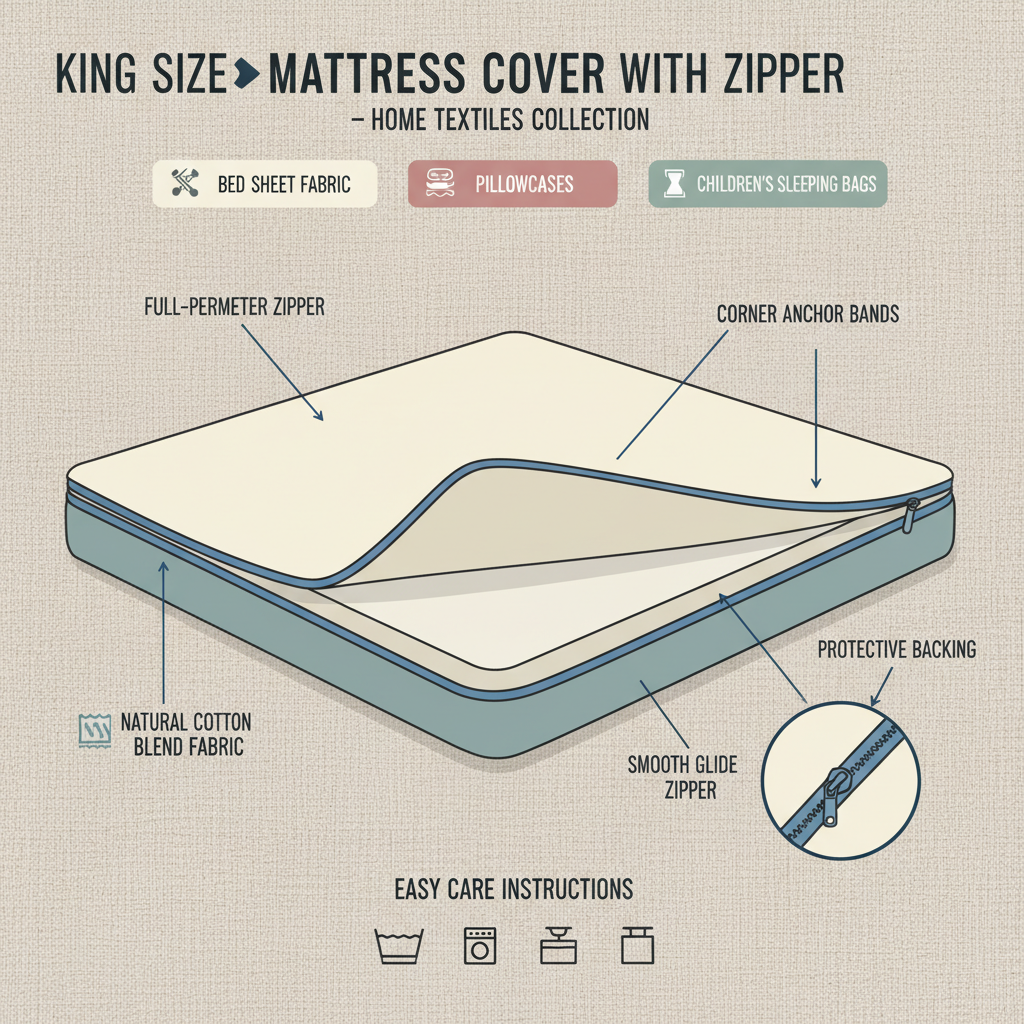
Best King Size Mattress Cover with Zipper for Complete Protection
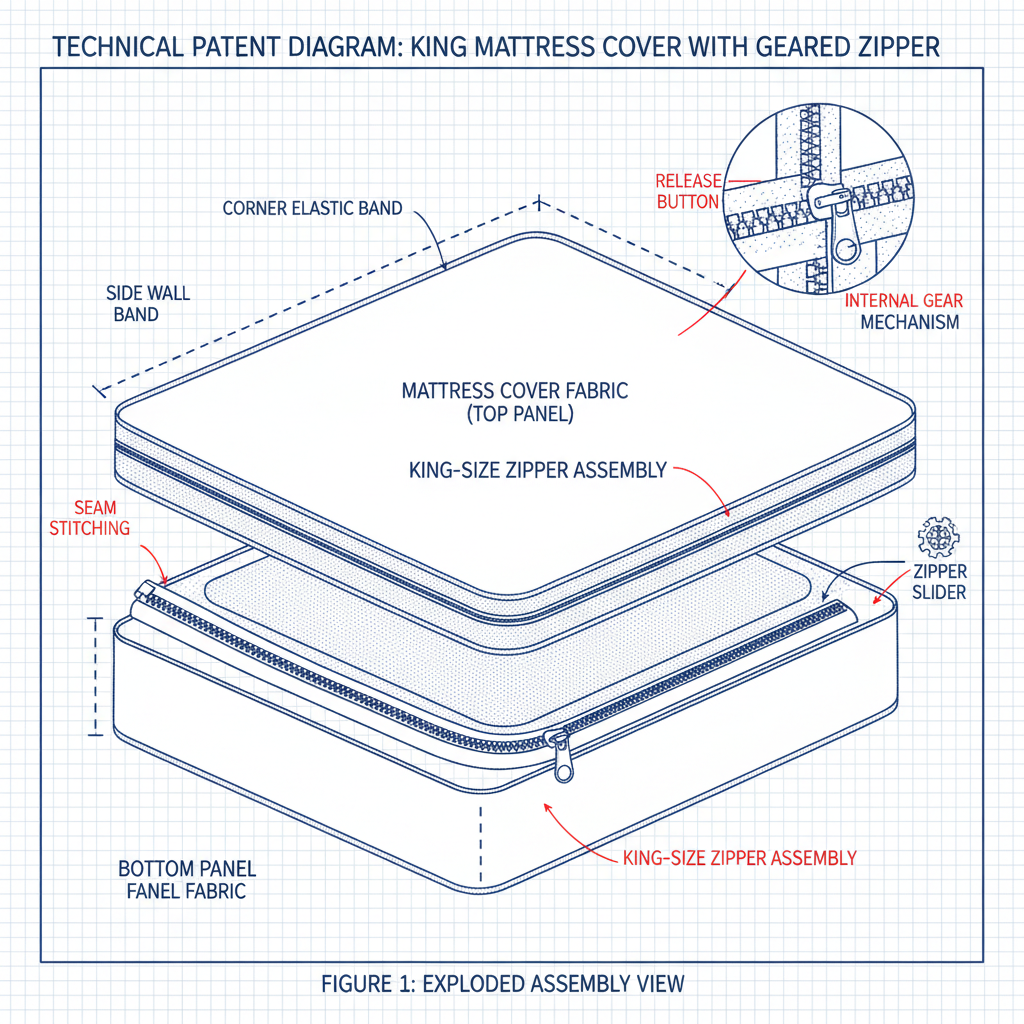
Investing in a high-quality mattress is only the first step toward a perfect night's sleep. To protect that investment from spills, allergens, and general wear and tear, a king size mattress cover with zipper is an essential accessory. Unlike fitted sheets or simple toppers, a zippered encasement provides 360-degree protection, ensuring that your mattress remains pristine and hygienic for years to come. Whether you are battling dust mites or simply want to keep your bed fresh, choosing the right cover can significantly enhance your sleep quality and longevity of your bedding.
Apr 09,2026
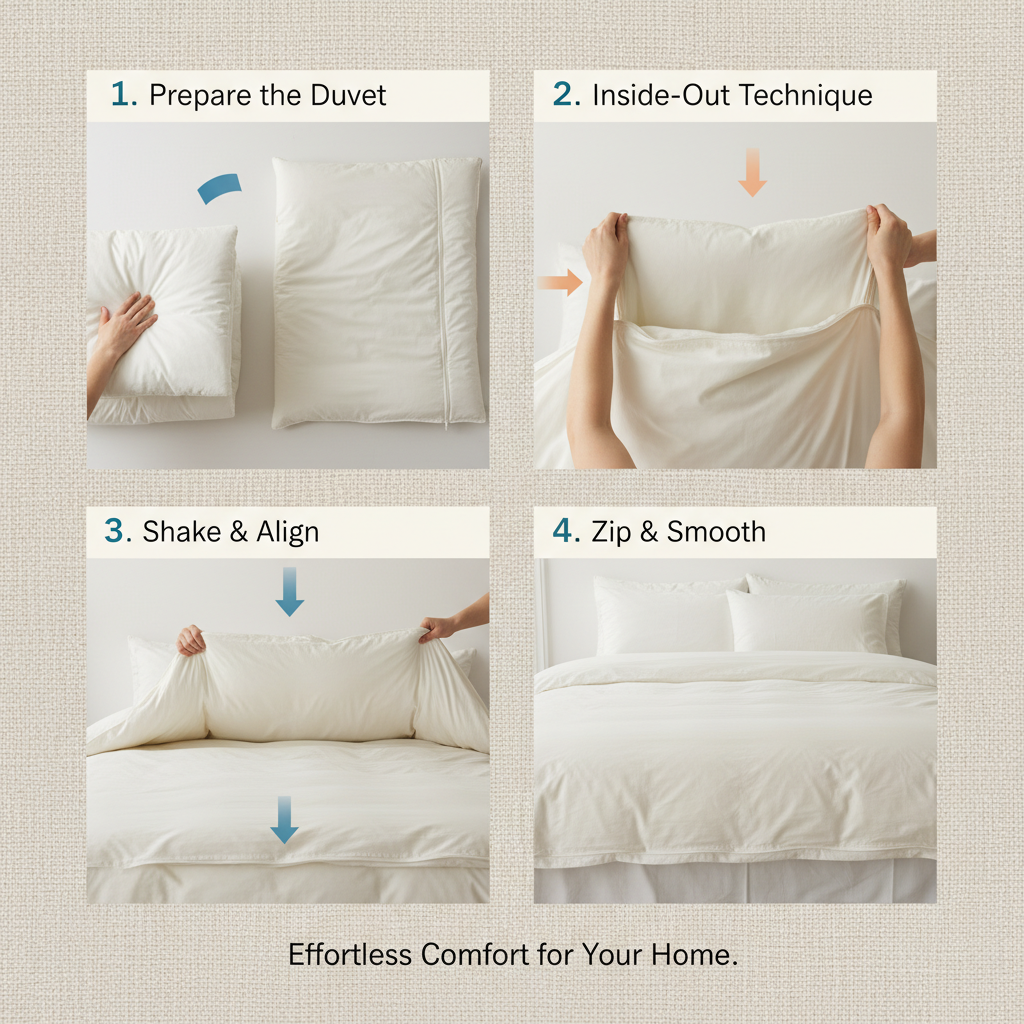
Best Guide for Choosing King Size Bed Cover with Zip Protection
Maintaining a pristine sleeping environment is essential for both hygiene and long-term mattress durability. A high-quality king size bed cover with zip provides a comprehensive shield against dust mites, allergens, and accidental spills. Unlike standard fitted sheets, a zipped encasement fully envelops the mattress, ensuring that nothing penetrates the fabric. Whether you are dealing with allergies or simply want to extend the life of your expensive king-size mattress, choosing the right protective cover is a game-changer for your bedroom health. In this guide, we will explore the technical advantages, materials, and key considerations for selecting the perfect enclosure for your bed.
Apr 07,2026
Comprehensive Guide to Choosing the Best King Mattress Cover with Zipper for Optimal Protection
Protecting your mattress is crucial for hygiene, longevity, and comfort. A king mattress cover with zipper offers a comprehensive solution, shielding against dust mites, allergens, spills, and wear and tear. This article delves into the benefits of using a zippered king mattress cover, key features to look for, materials, and how to choose the best one for your needs. Investing in a quality mattress protector is an investment in your health and the lifespan of your mattress.


Address
1010, ZHONGYUAN BUILDING, NO.368 NORTH YOUYI STREET. SHIJIAZHUANG,HEBEI,CHINA.


