



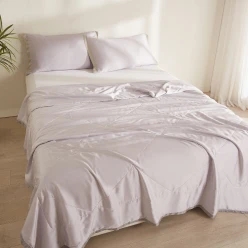


The Global Appeal of Cotton Linen Bed Sheets: Comfort Meets Sustainability
Cotton linen bed sheets aren’t just another bedding choice — they bridge tradition with modern-day needs. Around the world, billions seek comfort in their bedrooms, but increasingly they want textiles that respect both nature and their skin. Cotton linen bed sheets embody this shift. They offer breathability, strength, and eco-friendliness, ticking boxes that matter globally — from upscale hotels in Europe to humanitarian shelters in Asia.
Why should you care? Well, bedding touches everyone’s daily quality of life, and with rising awareness about sustainability, knowing the benefits and nuances of cotton linen sheets could shape better choices for homes and businesses alike.
Global Context: Why Cotton Linen Bed Sheets Matter Now More Than Ever
The global textile industry is a $1 trillion giant, yet it also ranks among the top water consumers and polluters. According to an ISO report, cotton production uses roughly 2,700 liters of water per kilogram of fiber, but linen — made from flax — requires far less water and fewer pesticides.
With sustainability at the forefront of many governments’ agendas, alongside an expanding hospitality and healthcare industry, demand for high-quality, sustainable bedding like cotton linen bed sheets is booming. This is especially true as consumers become increasingly conscious of skin health, fabric breathability, and minimizing chemical exposure.
But there’s a challenge: traditionally, 100% linen sheets can be quite stiff and expensive. Blending cotton with linen heads off these downsides, creating balanced textiles with durability and softness — a kind of best-of-both-worlds approach that’s catching on fast.
What Exactly Are Cotton Linen Bed Sheets?
Simply put, cotton linen bed sheets are bedding fabrics woven from a blend of cotton fibers and linen (flax) fibers. Cotton—soft and flexible—meshes with linen’s durability and crisp texture. This blend combines the absorbency and smoothness of cotton with linen’s resilience and natural luster.
In the modern industry setting, these sheets are often designed with advanced weaving techniques to enhance airflow, wrinkle resistance, and longevity — critical factors for hotels, hospitals, and even long-term refugee shelters where both comfort and hygiene are paramount. The breathability of flax fibers also makes these sheets ideal for hot and humid climates.
Key Qualities at a Glance:
- Breathability: Natural fibers allow airflow to keep sleepers cool.
- Durability: Linen fibers strengthen the fabric against wear.
- Softness: Cotton adds a gentle touch against skin.
- Eco-Friendly: Both fibers are biodegradable and require less processing.
- Hypoallergenic: Ideal for sensitive skin and allergy sufferers.
Core Components that Define Cotton Linen Bed Sheets
1. Fiber Composition and Weave
The typical cotton linen blend ranges from 50/50 to 60/40 cotton to linen ratio. The weaving style (plain, twill, or sateen) impacts texture and durability. This mix determines how soft or crisp the sheets feel—not just on day one, but over months of washing. Oddly enough, a tighter weave improves longevity but can reduce airflow slightly, so manufacturers often tweak ratios carefully.
2. Thread Count and Weight
While thread count is often overemphasized, for cotton linen bed sheets, it's more about the yarn thickness and finishing processes. You’ll find thread counts between 200 and 400 yielding a good balance. A heavier fabric ensures durability but might feel warmer — manufacturers often aim for lightweight options to optimize breathability.
3. Dyeing and Finishing Techniques
Natural fiber fabrics tend to showcase earth tones well, but dyes and finishes affect colorfastness and hand feel. Many brands now use low-impact or plant-based dyes to maintain environmental standards. Finishes such as pre-washing or sanforizing help avoid shrinkage and roughness.
4. Certifications and Standards
Look for certifications like GOTS (Global Organic Textile Standard) or OEKO-TEX® certification that ensure no harmful chemicals were used, which matter to consumers with skin sensitivities and eco-conscious buyers alike.
Typical Product Specifications
| Feature | Specification |
|---|---|
| Cotton to Linen Ratio | 60:40 or 50:50 blend |
| Thread Count | 250-350 |
| Weave Type | Percale, Twill |
| Fabric Weight | 120-150 gsm |
| Certifications | GOTS, OEKO-TEX® |
| Finish | Prewashed, Eco-Friendly Dye |
Global Applications and Real-World Use Cases
In Europe’s boutique hotels, cotton linen bed sheets grace luxury suites with their crisp yet inviting texture. Meanwhile, in post-disaster relief efforts — think UNHCR camps or aid organizations in Southeast Asia — their durability and natural cooling properties help improve living conditions under tough circumstances.
In fact, humanitarian logistics experts say these sheets reduce health risks associated with synthetic bedding, such as skin irritation or poor breathability in hot climates. Oddly enough, some remote industrial operations in Australia also prefer cotton linen sheets for worker accommodation, citing less odor retention and easier maintenance.
So, whether it’s enhancing sleep quality in plush urban settings or supporting vulnerable communities with practical textiles, cotton linen bed sheets have carved their niche worldwide.
Advantages and Long-Term Value of Choosing Cotton Linen Bed Sheets
- Eco-conscious Comfort: Natural fibers break down easily, reducing landfill waste.
- Cost Efficiency Over Time: The durability means fewer replacements compared to 100% cotton sheets.
- Health Benefits: Hypoallergenic and breathable, beneficial for sensitive individuals.
- Emotional Satisfaction: Using textiles rooted in heritage (linen) feels timeless and trustworthy.
- Social Impact: Promotes sustainable textile farming and fair labor practices.
Looking Ahead: Innovations in Cotton Linen Bed Sheets
Technology in textile production is not standing still. Manufacturers are exploring nanotech treatments for antimicrobial properties, “smart” fabrics that regulate temperature better, and fully traceable supply chains using blockchain for consumer transparency.
In terms of sustainability, innovations include waterless dyeing and genetically optimized flax cultivars to lower environmental footprints further. I suppose it’s a slow evolution, but combined, these advances may soon make cotton linen bed sheets the gold standard in bedding worldwide.
Common Challenges and How They’re Tackled
One hurdle is balancing linen’s natural stiffness with cotton’s softness. Some blends feel rough upon first use. That’s why pre-washing and enzyme finishes have become essential. Other issues? Higher price points in comparison to standard cotton sheets, and limited dyed color ranges.
Manufacturers are addressing these by improving fiber processing techniques and scaling eco-friendly dye solutions, making the sheets more affordable and accessible without losing character.
Frequently Asked Questions About Cotton Linen Bed Sheets
1. Are cotton linen bed sheets suitable for people with sensitive skin?
Absolutely. Because both cotton and linen are natural fibers, they’re hypoallergenic and breathable, reducing irritation risk. Plus, eco-certified sheets avoid harsh chemicals often found in synthetic bedding.
2. How do cotton linen sheets compare in durability to 100% cotton sheets?
The linen content adds strength, making blended sheets last longer. Many users report these sheets maintain shape and texture beyond a few years of regular washing, where pure cotton might thin out.
3. Can these sheets help keep me cool in hot climates?
Yes, linen fibers excel at moisture-wicking and airflow, which helps regulate temperature. This makes cotton linen bed sheets excellent for warm or humid environments.
4. Are they more expensive than regular cotton sheets?
Generally yes, though the price gap has narrowed. The enhanced durability and sustainability justify the premium in the long term — fewer replacements and better quality.
5. How do I care for cotton linen sheets to maximize lifespan?
Wash them on gentle cycles with mild detergent, avoid bleach, and tumble dry low or line dry. Slight wrinkles add to their charm, so ironing is optional.
Vendor Comparison: Popular Cotton Linen Bed Sheet Brands
| Brand | Blend Ratio | Price Range | Certifications | Unique Feature |
|---|---|---|---|---|
| PureLinen Co. | 60% Cotton / 40% Linen | $$$ | GOTS, OEKO-TEX® | Hand-finished for softness |
| EcoThreads | 50% Cotton / 50% Linen | $$ | OEKO-TEX® | Waterless dye technology |
| Heritage Home | 55% Cotton / 45% Linen | $$$ | GOTS certified | Traditional European weave |
Final Thoughts and Where to Go Next
Choosing cotton linen bed sheets means investing in a product that balances old-world charm with modern demands for comfort, sustainability, and durability. With increasing pressures on the environment and a growing focus on health, these sheets feel like a smart, future-proof choice.
If you’re curious to explore your options or want a hands-on feel for these sustainable luxuries, visit us at https://www.bedencasement.com. I reckon once you try them, you might never want to go back.
Mini Takeaways:
- Cotton linen bed sheets offer an ideal mix of softness and strength.
- They reduce environmental impact versus pure cotton options.
- Advanced production techniques improve feel and durability.
- Real-world users span from luxury hotels to humanitarian aid networks.
Sources:
1. ISO Textile Standards
2. Wikipedia: Linen
3. The Conversation: Cotton and water use

Related Products
Our Latest News
Apr 16,2026
Best King Size Mattress Cover with Zipper for Complete Protection
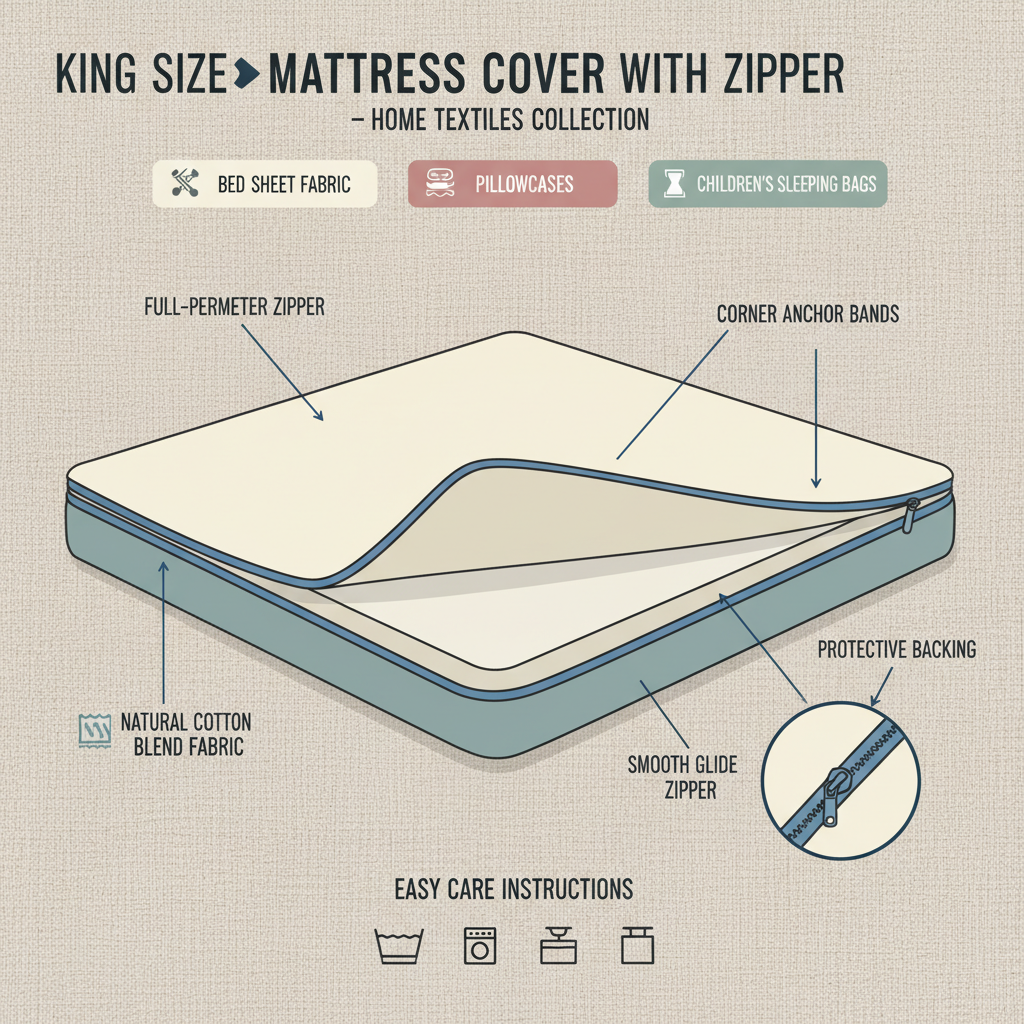
Investing in a high-quality mattress is only the first step toward a perfect night's sleep. To protect that investment from spills, allergens, and general wear and tear, a king size mattress cover with zipper is an essential accessory. Unlike fitted sheets or simple toppers, a zippered encasement provides 360-degree protection, ensuring that your mattress remains pristine and hygienic for years to come. Whether you are battling dust mites or simply want to keep your bed fresh, choosing the right cover can significantly enhance your sleep quality and longevity of your bedding.
Apr 09,2026
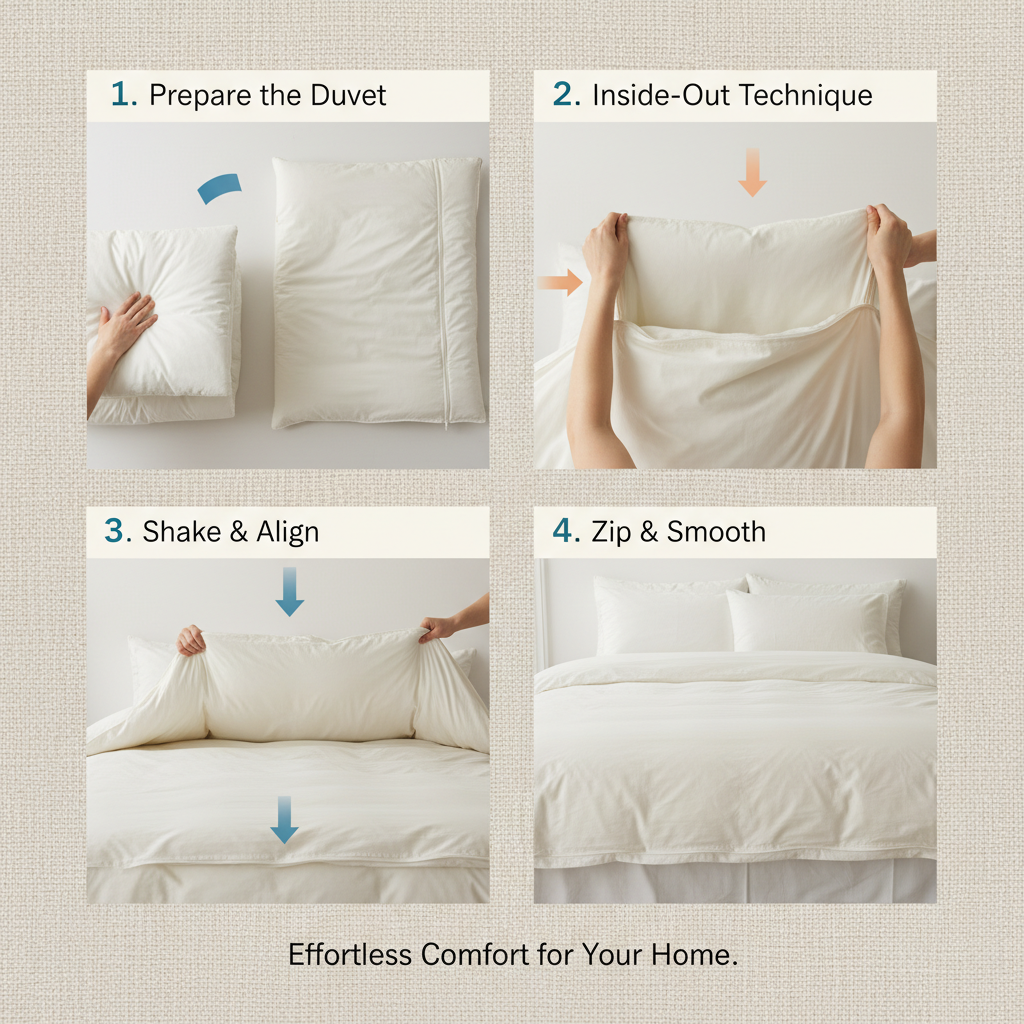
Best Guide for Choosing King Size Bed Cover with Zip Protection
Maintaining a pristine sleeping environment is essential for both hygiene and long-term mattress durability. A high-quality king size bed cover with zip provides a comprehensive shield against dust mites, allergens, and accidental spills. Unlike standard fitted sheets, a zipped encasement fully envelops the mattress, ensuring that nothing penetrates the fabric. Whether you are dealing with allergies or simply want to extend the life of your expensive king-size mattress, choosing the right protective cover is a game-changer for your bedroom health. In this guide, we will explore the technical advantages, materials, and key considerations for selecting the perfect enclosure for your bed.
Apr 07,2026
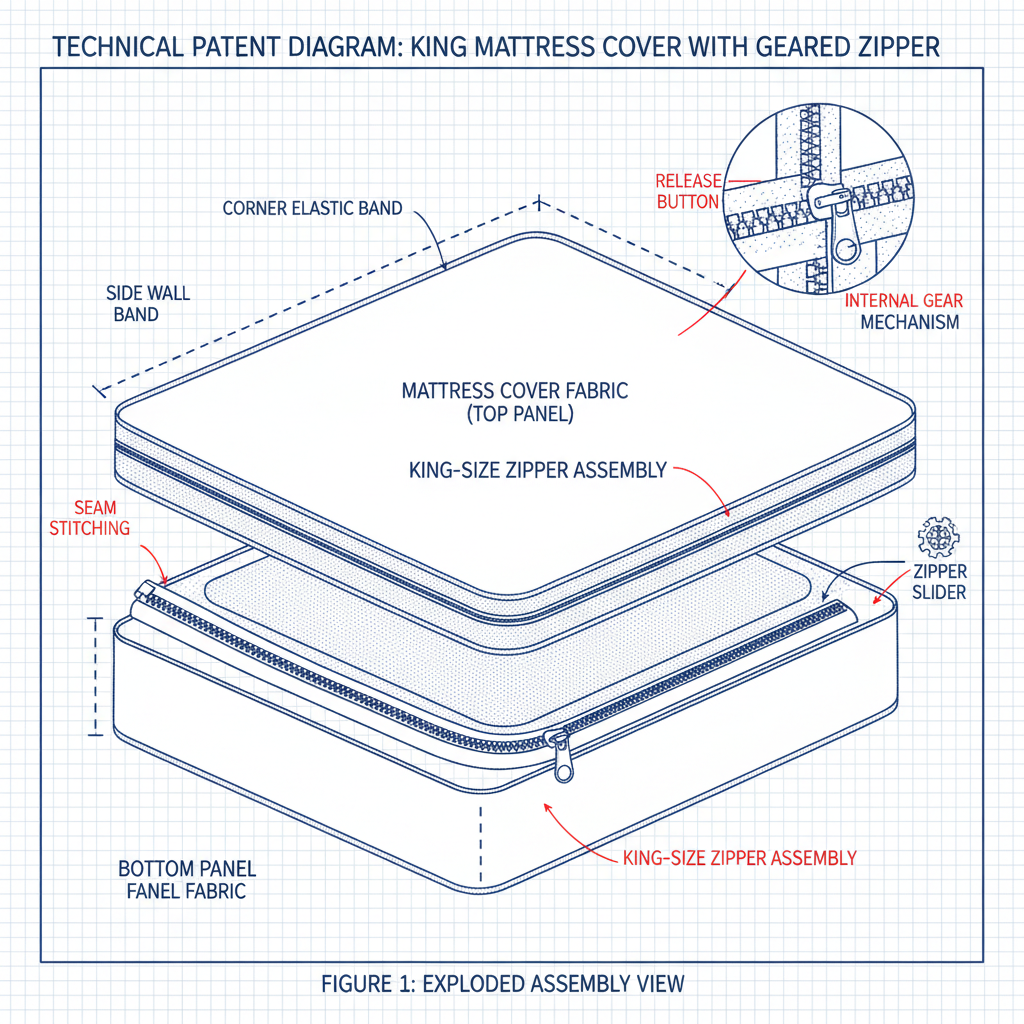
Comprehensive Guide to Choosing the Best King Mattress Cover with Zipper for Optimal Protection
Protecting your mattress is crucial for hygiene, longevity, and comfort. A king mattress cover with zipper offers a comprehensive solution, shielding against dust mites, allergens, spills, and wear and tear. This article delves into the benefits of using a zippered king mattress cover, key features to look for, materials, and how to choose the best one for your needs. Investing in a quality mattress protector is an investment in your health and the lifespan of your mattress.


Address
1010, ZHONGYUAN BUILDING, NO.368 NORTH YOUYI STREET. SHIJIAZHUANG,HEBEI,CHINA.


