



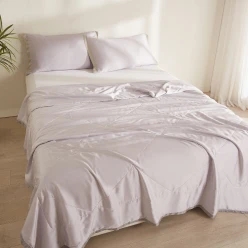



The Ultimate Guide to Choosing a King Size Bed Cover with Zip
Maintaining a pristine sleeping environment is essential for both hygiene and long-term mattress durability. A high-quality king size bed cover with zip provides a comprehensive shield against dust mites, allergens, and accidental spills. Unlike standard fitted sheets, a zipped encasement fully envelops the mattress, ensuring that nothing penetrates the fabric. Whether you are dealing with allergies or simply want to extend the life of your expensive king-size mattress, choosing the right protective cover is a game-changer for your bedroom health. In this guide, we will explore the technical advantages, materials, and key considerations for selecting the perfect enclosure for your bed.
Why a Zipped Design is Superior for Mattress Protection
The primary advantage of a king size bed cover with zip is the 360-degree protection it offers. While traditional mattress protectors only cover the top surface, a zipped encasement wraps around the sides and the bottom. This is critical because dust mites and bed bugs often reside in the seams and crevices of the mattress sides. By sealing the mattress completely, you create an impenetrable barrier. Furthermore, the secure zip ensures the cover stays in place, eliminating the frustration of corners popping off during the night. This structural integrity provides a smoother surface for your sheets and a more secure feel for the sleeper.
Key Advantage: Full encapsulation prevents pests from entering or leaving the mattress, making it an essential tool for both preventative care and active pest eradication.
Material Matters: Breathability vs. Waterproofing
When shopping for a king size bed cover with zip, the material determines your sleep quality. Waterproof membranes, often made of TPU, are ideal for those who worry about liquids or sweat, as they provide a liquid-proof seal. However, for those who "sleep hot," breathable cotton-blend fabrics are preferable. The challenge is finding a balance where the fabric is tight enough to block allergens but porous enough to allow air circulation. Modern textile engineering has introduced "breathable waterproof" layers that use micropores—large enough for air molecules to pass through but too small for water droplets or dust mites.
Material Quick-Guide:
• TPU Layers: Best for waterproof and bed bug protection.
• Cotton Terry: Adds a layer of softness and absorbs moisture.
• Polyester Blends: Highly durable and resistant to wrinkles.
• Bamboo Fiber: Naturally hypoallergenic and cooling.
Comparing Zipped Covers to Standard Mattress Protectors
To understand the value of a king size bed cover with zip, it is helpful to compare it with the standard "fitted sheet style" protector. Standard protectors are easier to put on and take off, but they offer zero protection for the sides and bottom of the mattress. In contrast, the zipped version provides a total seal. For families with children or pets, the zipped version is far more effective at preventing deep-seated stains and odors from permeating the mattress core, which is often impossible to clean.
Installation Tips for a Perfect Fit
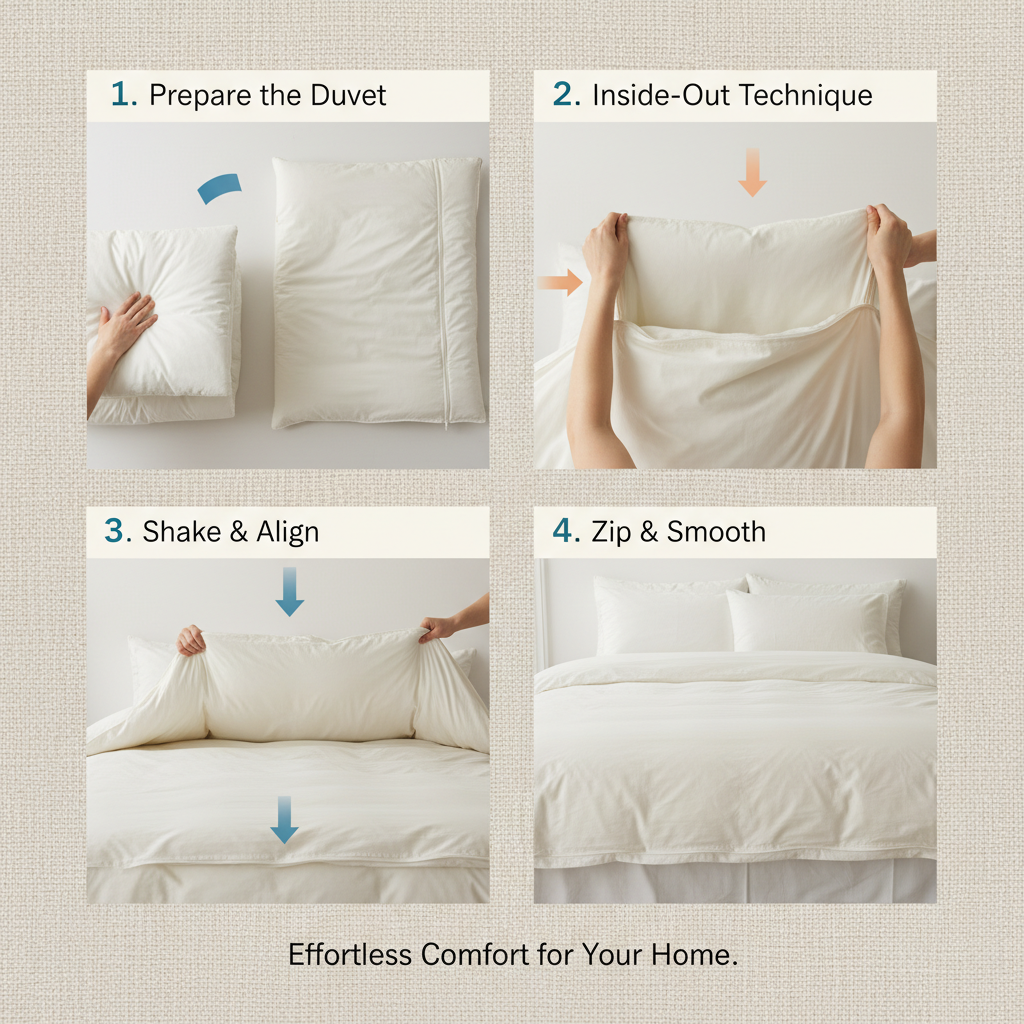
Fitting a king size bed cover with zip can be a challenge due to the sheer size of the mattress. The best approach is to slide the cover over one end of the mattress first, then slowly pull it across the surface toward the other end. It is highly recommended to have a second person help you lift the corners to avoid straining the zipper. Ensure that the mattress is completely flat and the cover is pulled taut before closing the zip. This prevents bunches and wrinkles that could affect your sleep comfort. Once zipped, the cover should feel like a second skin, barely noticeable beneath your primary sheets.
Product Specifications for King Size Encasements
When purchasing, always verify the depth of your mattress. King mattresses vary in thickness, and a cover that is too tight can rip the zipper, while one too loose will create uncomfortable folds. A professional king size bed cover with zip typically follows specific industrial standards to ensure durability. Below is a technical specification table to help you compare options based on common mattress profiles.
Conclusion: Secure Your Sleep with a Premium Bed Cover
Investing in a king size bed cover with zip is one of the most effective ways to protect your health and your financial investment in your mattress. By providing a total seal against pests and allergens, these covers ensure that your bedroom remains a sanctuary of cleanliness and comfort. Whether you prioritize waterproof capabilities for peace of mind or breathable fabrics for cooling, the zipped design is undeniably the gold standard for mattress protection. Protect your mattress today and enjoy a cleaner, safer night's sleep.
Frequently Asked Questions (FAQs)
Does a zipped bed cover affect the feel of the mattress?
Most high-quality covers are designed to be "invisible." If the cover fits correctly and is made from a flexible, high-gauge fabric, you should not feel any difference in the firmness or comfort of your mattress. However, very thick, heavy-duty waterproof covers may feel slightly different than a bare mattress. To mitigate this, we recommend adding a thin quilted mattress pad on top of the zipped cover to maintain that plush feeling while keeping the underlying protection of the encasement.
Can I wash a king size bed cover with a zip?
Yes, most zipped covers are machine washable. However, because of their size, a standard home washing machine may struggle with a king-size encasement. We recommend using a large-capacity industrial washer or a laundromat. Always wash in cold or warm water on a gentle cycle and tumble dry on low heat to avoid shrinking the fabric or damaging the waterproof membrane. Ensure the zipper is fully closed before tossing it in the wash to prevent it from snagging on other clothes or the machine drum.
Is a zipped cover effective against bed bugs?
Absolutely. A king size bed cover with zip is the primary recommendation for bed bug management. It works in two ways: first, it traps any existing bed bugs inside the mattress, where they eventually die since they cannot feed. Second, it prevents new bugs from entering the mattress, making the surface much easier to inspect and clean. For maximum effectiveness, ensure the zipper is completely sealed with no gaps, as bed bugs can squeeze through incredibly small openings.
How often should I replace my zipped bed cover?
While the covers are built for durability, they should be inspected every 6 months. Replace the cover immediately if you notice any tears in the fabric or if the zipper becomes faulty. For those using the cover for allergy or pest control, a replacement every 3 to 5 years is generally recommended to ensure the protective membrane remains intact. If you use the cover in a high-wear environment (such as a rental property), you may need to replace it more frequently to maintain the total seal.

Related Products
Our Latest News
Apr 16,2026
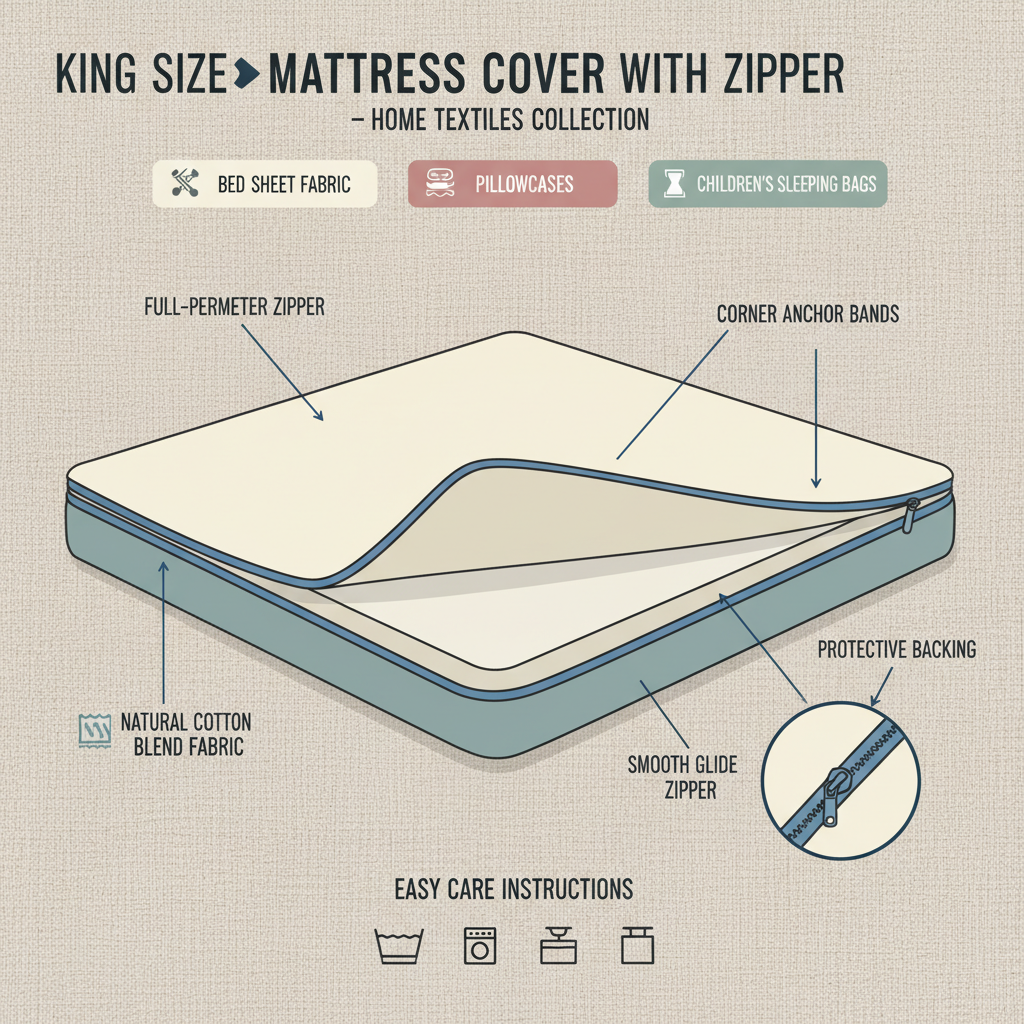
Best King Size Mattress Cover with Zipper for Complete Protection
Investing in a high-quality mattress is only the first step toward a perfect night's sleep. To protect that investment from spills, allergens, and general wear and tear, a king size mattress cover with zipper is an essential accessory. Unlike fitted sheets or simple toppers, a zippered encasement provides 360-degree protection, ensuring that your mattress remains pristine and hygienic for years to come. Whether you are battling dust mites or simply want to keep your bed fresh, choosing the right cover can significantly enhance your sleep quality and longevity of your bedding.
Apr 09,2026
Best Guide for Choosing King Size Bed Cover with Zip Protection
Maintaining a pristine sleeping environment is essential for both hygiene and long-term mattress durability. A high-quality king size bed cover with zip provides a comprehensive shield against dust mites, allergens, and accidental spills. Unlike standard fitted sheets, a zipped encasement fully envelops the mattress, ensuring that nothing penetrates the fabric. Whether you are dealing with allergies or simply want to extend the life of your expensive king-size mattress, choosing the right protective cover is a game-changer for your bedroom health. In this guide, we will explore the technical advantages, materials, and key considerations for selecting the perfect enclosure for your bed.
Apr 07,2026
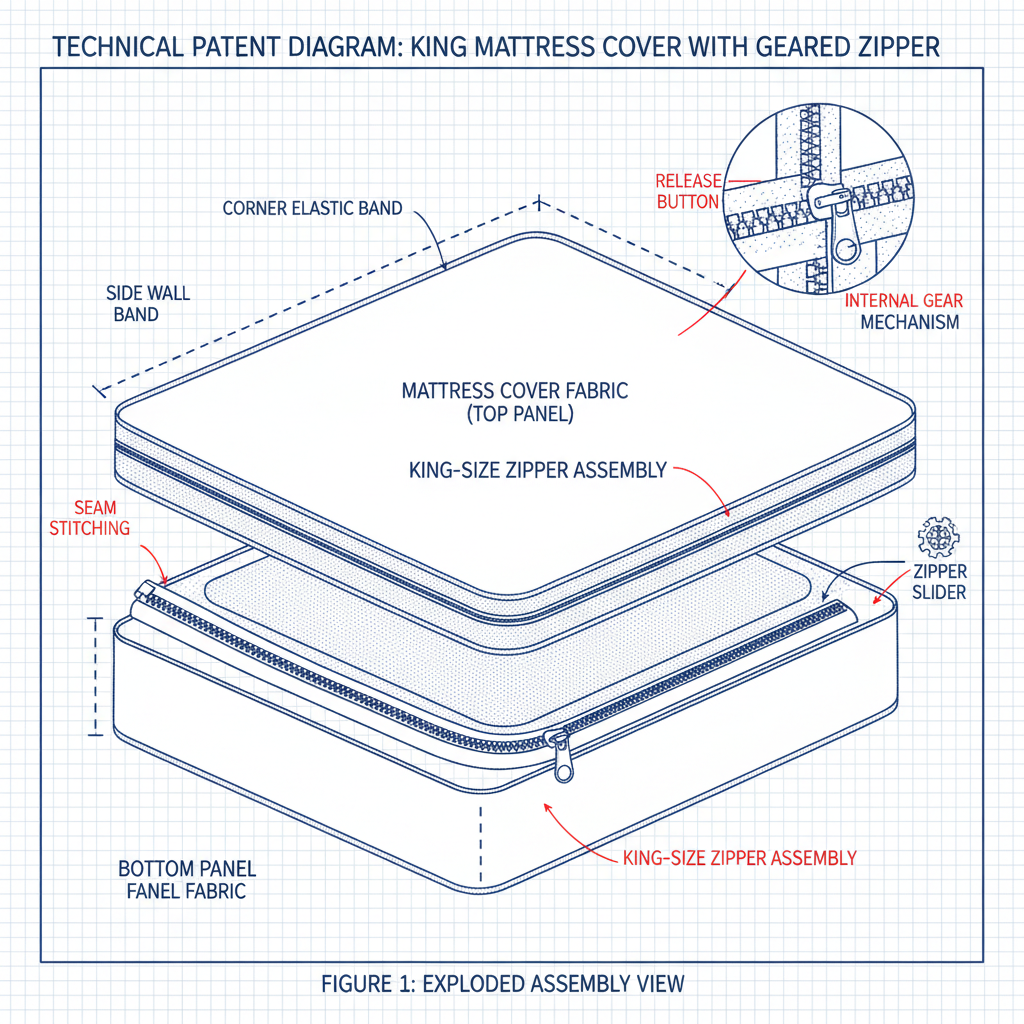
Comprehensive Guide to Choosing the Best King Mattress Cover with Zipper for Optimal Protection
Protecting your mattress is crucial for hygiene, longevity, and comfort. A king mattress cover with zipper offers a comprehensive solution, shielding against dust mites, allergens, spills, and wear and tear. This article delves into the benefits of using a zippered king mattress cover, key features to look for, materials, and how to choose the best one for your needs. Investing in a quality mattress protector is an investment in your health and the lifespan of your mattress.


Address
1010, ZHONGYUAN BUILDING, NO.368 NORTH YOUYI STREET. SHIJIAZHUANG,HEBEI,CHINA.


