



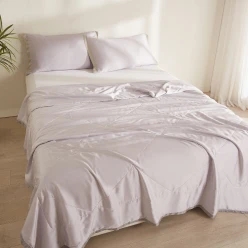


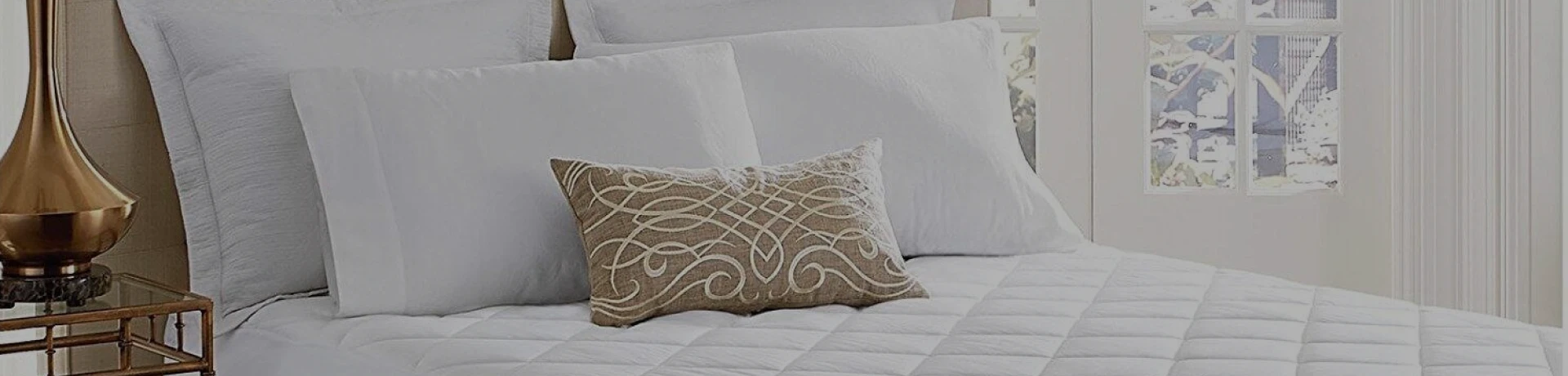
Why 400 Thread Count Bedding Sets Matter More Than You Think
I’ve been around industrial equipment and manufacturing floors enough years to appreciate precision — and oddly enough, I find that same appreciation when shopping for bedding. Yes, bedding! If you think a higher thread count always means better sheets, you’re not alone. But something interesting happens in that 400 thread count sweet spot. It’s like the Goldilocks zone for sheets: not too tight, not too loose — just right. When you feel 400 thread count bedding sets, what strikes me is the balance — a durability and softness combo that lasts. That’s because the fabric is tightly woven enough to resist wear and tear, yet not so dense that it traps heat or feels clammy. This makes it a popular choice for both everyday sleepers and those who value a bit of luxury without breaking the bank. And I’m not just throwing numbers around: these sheets undergo rigorous quality checks. Industrial processes ensure the cotton used is combed and spun without weak fibers that fray easily. Whatever your room temperature or how often you toss and turn, 400 thread count bedding manages to stay breathable. That alone makes a huge difference in a good night’s sleep.Balancing Comfort & Durability: A Closer Look at 400 Thread Count Bedding Sets
In practice, these bedding sets have a crispness that many people enjoy — almost like the sheets from a fine hotel you never want to leave. I remember a colleague once telling me about their switch from a super high thread count (think 800+) down to 400, and how their skin actually felt less irritated. That rang true to me. Overly tight weaves sometimes suffocate the fabric’s natural softness. Here's something else worth noting: the type of cotton matters just as much as thread count. Egyptian or Pima cotton paired with 400 threads gives a noticeably richer feel. But even standard long-staple cotton delivers impressive results when woven at this count. Admittedly, sheets with 400 thread count strike a certain affordability ease. They tend to be less prone to pilling and shrinkage than their higher-thread-count counterparts, and that’s something a lot of customers tell me they notice after a few wash cycles.400 Thread Count Bedding Sets: Key Specifications
| Specification | Detail |
|---|---|
| Thread Count | 400 (threads per square inch) |
| Material | Combed 100% Cotton (Egyptian, Pima, or Long-staple variants) |
| Weave | Percale or Sateen options available |
| Durability | High resistance to wear, pilling, and shrinkage |
| Care Instructions | Machine washable, gentle cycle, tumble dry low |
How 400 Thread Count Bedding Sets Compare Across Leading Vendors
In the market, not all 400 thread count bedding is created equal. I’ve dealt with different manufacturers who swear by their fabric blends or production methods. The reality? Your choice might come down to subtle differences — like the cotton origin or how tightly the threads are spun.| Vendor | Cotton Type | Weave | Price Range | Notable Feature |
|---|---|---|---|---|
| LuxeSleep Co. | Egyptian Cotton | Sateen | $$$ | Exceptionally soft with slight sheen |
| UrbanRest | Long-staple Cotton | Percale | $$ | Crisp and breathable, ideal for warm climates |
| CozyNest | Pima Cotton | Sateen | $$$ | Luxurious drape, great for cooler seasons |
| Essential Linens | Combed Cotton | Percale | $ | Great value, reliable performance |
A Quick Story from the Field
I can’t resist sharing a small anecdote. A client from a manufacturing plant once told me how switching to 400 thread count bedding sets changed the vibe in their guest lodge. They’d tried cheaper options, but workers always complained about itchiness and overheating. With the swap — which included 400 thread count bedding sets specially sourced — complaints went down, and overall satisfaction rose. Sounds small, but for companies housing shift workers on-site, that softness and comfort translate to better sleep and better performance.Wrapping Up: When to Choose 400 Thread Count Bedding Sets
So, if you’re after bedding that doesn’t feel too flimsy or fussy, yet still holds up with a refined softness, 400 thread count is a solid choice. It’s sort of the “engineers’ pick” of bedding — practical but not dull; durable but not uncomfortable. Often underestimated, but once you’ve tried it, you’ll see why it’s been around for a while. Thanks for sticking with me on this tangent about bedding — sometimes the small details make the biggest difference, no?1. Personal experience in industrial sourcing and textile quality discussions.
2. Customer feedback and anecdotal reports from on-site lodging management.
3. Textile manufacturing basics related to thread count and cotton types.

Related Products
Our Latest News
Apr 16,2026
Best King Size Mattress Cover with Zipper for Complete Protection
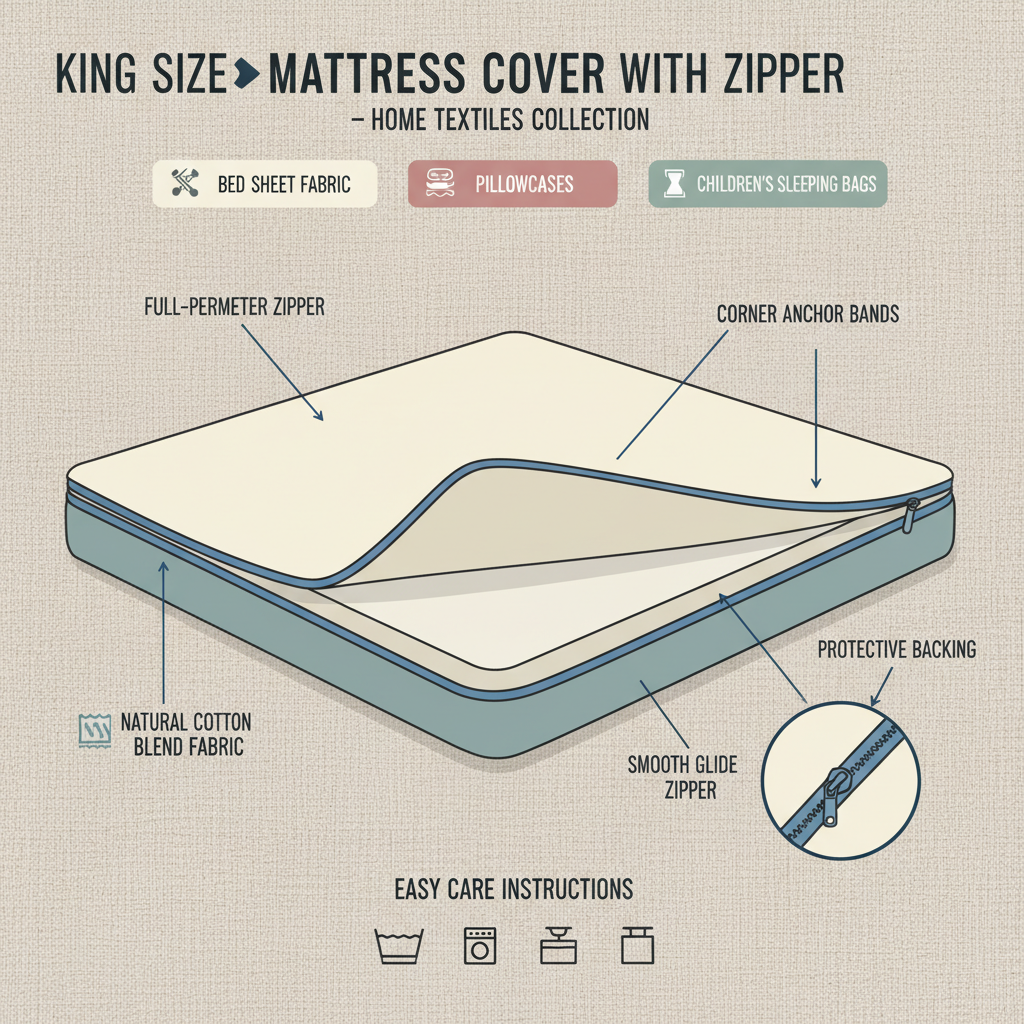
Investing in a high-quality mattress is only the first step toward a perfect night's sleep. To protect that investment from spills, allergens, and general wear and tear, a king size mattress cover with zipper is an essential accessory. Unlike fitted sheets or simple toppers, a zippered encasement provides 360-degree protection, ensuring that your mattress remains pristine and hygienic for years to come. Whether you are battling dust mites or simply want to keep your bed fresh, choosing the right cover can significantly enhance your sleep quality and longevity of your bedding.
Apr 09,2026
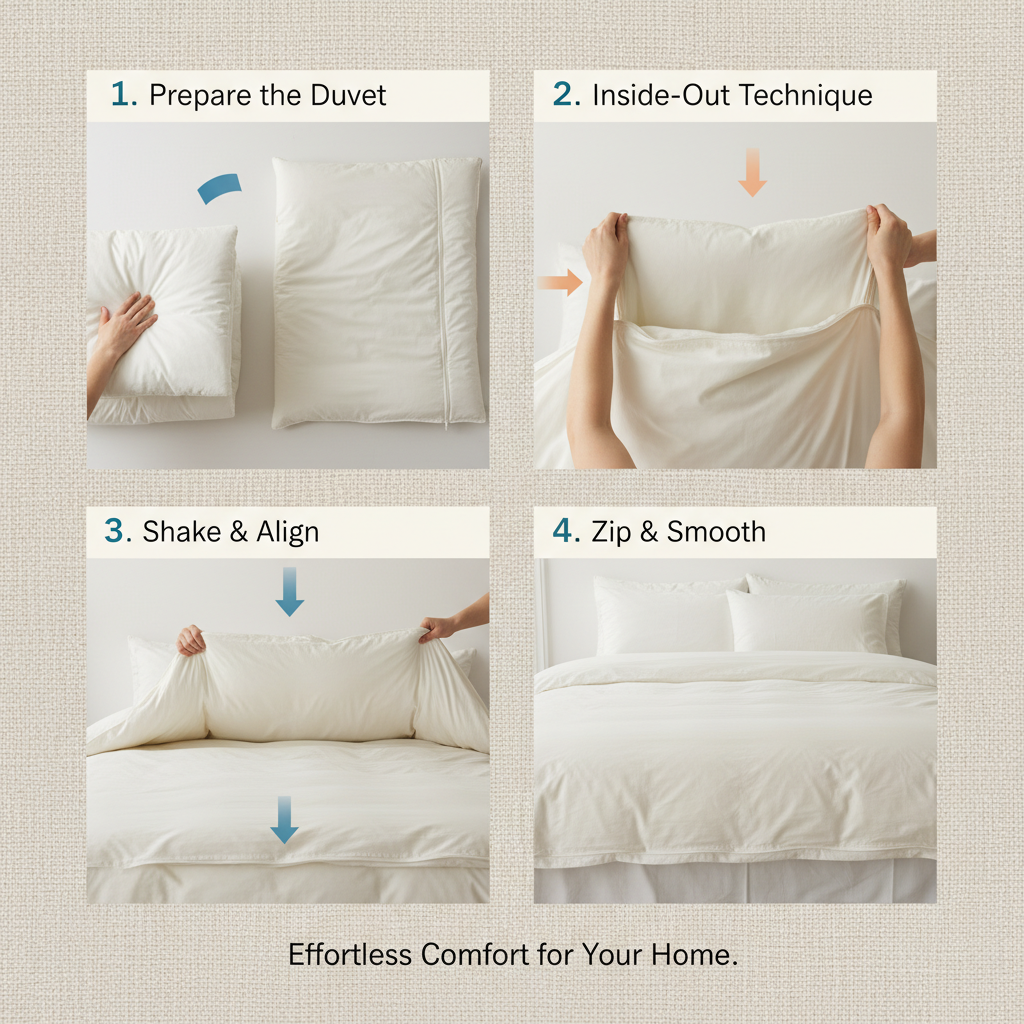
Best Guide for Choosing King Size Bed Cover with Zip Protection
Maintaining a pristine sleeping environment is essential for both hygiene and long-term mattress durability. A high-quality king size bed cover with zip provides a comprehensive shield against dust mites, allergens, and accidental spills. Unlike standard fitted sheets, a zipped encasement fully envelops the mattress, ensuring that nothing penetrates the fabric. Whether you are dealing with allergies or simply want to extend the life of your expensive king-size mattress, choosing the right protective cover is a game-changer for your bedroom health. In this guide, we will explore the technical advantages, materials, and key considerations for selecting the perfect enclosure for your bed.
Apr 07,2026
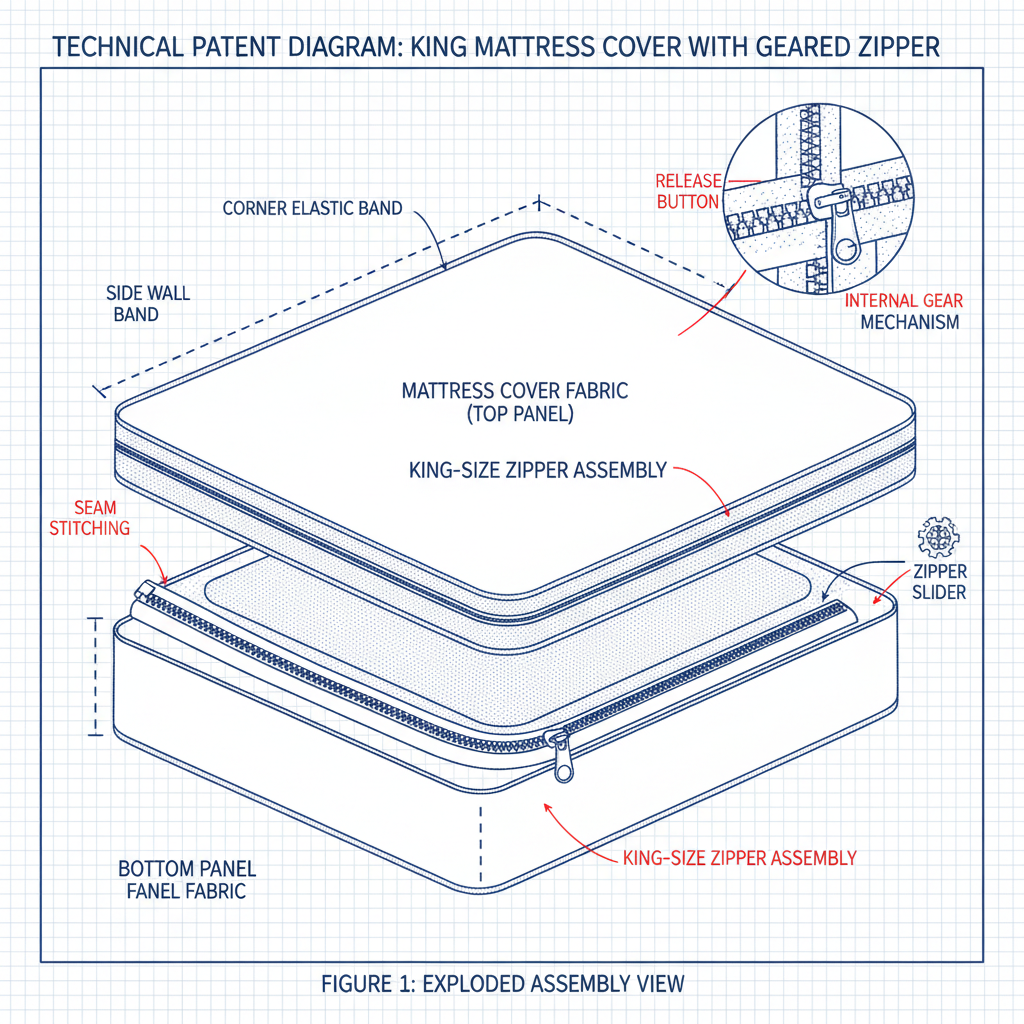
Comprehensive Guide to Choosing the Best King Mattress Cover with Zipper for Optimal Protection
Protecting your mattress is crucial for hygiene, longevity, and comfort. A king mattress cover with zipper offers a comprehensive solution, shielding against dust mites, allergens, spills, and wear and tear. This article delves into the benefits of using a zippered king mattress cover, key features to look for, materials, and how to choose the best one for your needs. Investing in a quality mattress protector is an investment in your health and the lifespan of your mattress.


Address
1010, ZHONGYUAN BUILDING, NO.368 NORTH YOUYI STREET. SHIJIAZHUANG,HEBEI,CHINA.


