



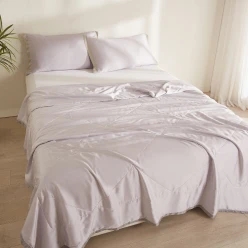


Thread Count Duvet Set: What It Is and Why It Matters
When you hear “thread count duvet set,” you might picture a soft, luxurious bedding set with a certain number of threads woven into the fabric. But beyond mere softness, thread count matters a lot globally—from sustainability to manufacturing quality, from product longevity to helping consumers make informed choices. Around the world, textile standards impact environmental footprints and consumer trust alike, which makes understanding thread count duvet sets more than just a bedroom topic.
It’s quite fascinating that a detail like thread density can influence durability, comfort, and even how eco-friendly bedding is. So, let's unravel what a thread count duvet set really means, why manufacturers and consumers care, and what to watch out for when shopping. Frankly, you might never see your duvet the same way again!
The Global Context: Why Thread Count Duvet Sets Matter
Did you know the global textile industry contributes roughly 10% of carbon emissions? (1) That’s a huge environmental push toward better, more efficient bedding products. According to ISO standards for textiles, thread count is one of the key quality markers. However, confusion remains, especially when “higher” thread count is blindly equated with better quality — which is not always true.
On a consumer level, people seek durable, comfortable, and affordable bedding. But on an industry level, thread count impacts:
- Material sustainability and production waste
- Worker safety standards in manufacturing
- Global trade norms and regulations for export
Truly, the thread count duvet set is a small cog with big influence—think about how your choice ripples through supply chains and eco-conscious purchasing worldwide.
Mini takeaway: Thread count affects not only the feel but also wider industrial and ecological footprints—something everyone should know before a purchase.
What Exactly Is a Thread Count Duvet Set?
Simply put, thread count refers to the number of threads woven horizontally (weft) and vertically (warp) in one square inch of fabric. A thread count duvet set consists of sheets, pillowcases, and the duvet cover itself, all designed with a specific thread density.
But here’s the twist: a higher thread count doesn’t always guarantee better quality! Sometimes manufacturers blend thinner yarns or ply threads to bump up the number. From a humanitarian perspective, clothing and bedding with a well-balanced thread count can meet both comfort needs and aid sustainability, especially in relief efforts or remote communities where durable, breathable fabrics are essential.
Main Factors Behind a Quality Thread Count Duvet Set
1. Durability
Thread count plays a critical role in fabric strength. Linen with a thread count around 200-400 is often more breathable and long-lasting than ultra-high counts that sacrifice durability for softness. Many engineers say that moderation keeps fabric from pilling and tearing prematurely. So, a set balanced for durability extends bedding life, reducing waste.
2. Comfort & Breathability
It’s not just about squishing softness. The weave density controls airflow, moisture escape, and skin feel. Oddly enough, some lower thread count fabrics feel surprisingly crisp and cool, making them favorites in hotter climates.
3. Material Type
Thread count only tells part of the story; the fiber matters equally. Egyptian cotton, Pima cotton, bamboo blends—each interacts differently with thread count to affect texture and performance.
4. Environmental Impact
Textiles with extremely high thread counts usually involve more chemicals and energy in production. Sustainable brands optimize thread count for balance—softness without excessive resource use.
5. Cost Efficiency
Consumers often mistakenly pay more assuming higher thread counts equal luxury. But a cleverly engineered 300-thread count duvet set can offer equal comfort at a friendlier price.
Mini takeaway: Durability, comfort, materials, sustainability, and price all intertwine into the “right” thread count for your bedding.
How Thread Count Duvet Sets Are Used Around the World
Thread count duvet sets pop up everywhere – from high-end hotels in Europe to disaster relief shelters in Southeast Asia. For example, in refugee camps, durable, breathable bedding is critical for health and dignity. Agencies seek fabrics with optimal thread counts that balance ruggedness and comfort.
Industries like hospitality demand wash-resistant, long-lifespan duvet sets with consistent thread count quality for guest satisfaction. In colder regions, manufacturers combine thread count with specific weaves for insulation.
A quick case in point: a luxury hotel chain in the US switched to a 300-thread count sateen weave after realizing its 600-count sets, although initially softer, degraded faster under heavy washing cycles.
Product Specification Table: Example Thread Count Duvet Set
| Specification | Details |
|---|---|
| Thread Count | 300 (balanced weave) |
| Material | 100% Egyptian Cotton |
| Weave Type | Sateen |
| Color Options | White, Ivory, Pastel Blue |
| Care Instructions | Machine wash cold, tumble dry low |
| Price Range | $120 - $180 per set |
Comparing Popular Thread Count Duvet Set Vendors
| Vendor | Thread Count Range | Material Quality | Price | Sustainability Efforts |
|---|---|---|---|---|
| PureDreams | 200-400 | Premium Egyptian Cotton | Moderate | Organic certification, water-reduce process |
| CloudSleep | 300-600 | Cotton/poly blend | Low | Limited initiatives |
| EcoLoom | 250-350 | Bamboo-cotton blend | Higher | Certified sustainability, biodegradable packaging |
Long-Term Advantages of Choosing the Right Thread Count Duvet Set
Choosing an appropriate thread count duvet set brings multiple benefits, well beyond just feeling nice. Cost savings arise from extended bedding life, less frequent replacements, and easier care. Also, making sustainable choices reduces environmental harm, helping mitigate global textile waste—estimated at over 92 million tons annually (2).
Emotionally, consumers experience trust and safety knowing their bedding is breathable, hypoallergenic, and durable. Innovation-wise, brands that invest in balanced thread counts often lead market trends in green textiles.
Looking Ahead: Future Trends in Thread Count Bedding
Manufacturers are experimenting with digital looms, nanotech-enhanced fabrics, and eco-sourcing fibers to create thread count duvet sets that are not only soft and strong but also smart. Imagine fabrics that regulate temperature or even purify air—the tech isn’t far off.
Policies favoring sustainability certifications and transparent supply chains will continue to shape the industry, pressuring brands to rethink thread count claims in favor of verifiable standards.
Challenges in the Thread Count Bedding Market and How They’re Tackled
Many consumers get duped by inflated thread count numbers that don’t reflect quality. Also, ultra-high counts may actually harm durability or hinder breathability.
To combat this, experts recommend buying from transparent brands, checking material details, and considering fabric feel over just numbers. Customized thread count ranges depending on climate and usage also help optimize satisfaction.
Frequently Asked Questions About Thread Count Duvet Sets
Q1: What is the ideal thread count for a comfortable duvet set?
A: Most experts agree that a thread count between 200-400 hits the sweet spot for comfort and durability. Higher counts can feel softer but may trap heat or wear out faster.
Q2: Does a higher thread count always mean better quality bedding?
A: Not necessarily. Thread count alone doesn’t capture yarn quality, fiber type, or weave. It’s one piece of the puzzle.
Q3: How can I tell if a thread count duvet set is sustainably made?
A: Look for certifications like GOTS (Global Organic Textile Standard), Oeko-Tex, or brands that disclose their supply chain and use eco-friendly fibers.
Q4: Can thread count bedding be machine washed regularly?
A: Yes, but following the manufacturer’s care instructions is crucial to maintain fabric integrity and color over time.
Q5: Are thread count duvet sets suitable for people with sensitive skin?
A: Generally yes, especially if made from natural fibers and moderate thread counts. Breathable fabrics reduce irritation risks.
Conclusion
Thread count duvet sets are a surprisingly complex topic blending comfort, economics, and environmental impact. Choosing well-balanced, quality bedding improves your sleep, reduces waste, and supports ethical manufacturing. Next time you shop for a duvet set, remember the numbers aren’t everything—feel the fabric, check materials, and consider your lifestyle.
For thoughtfully made thread count duvet sets that balance quality and sustainability, check out trusted sources like ours. Because good sleep, and good products, really do count.
References

Related Products
Our Latest News
Apr 16,2026
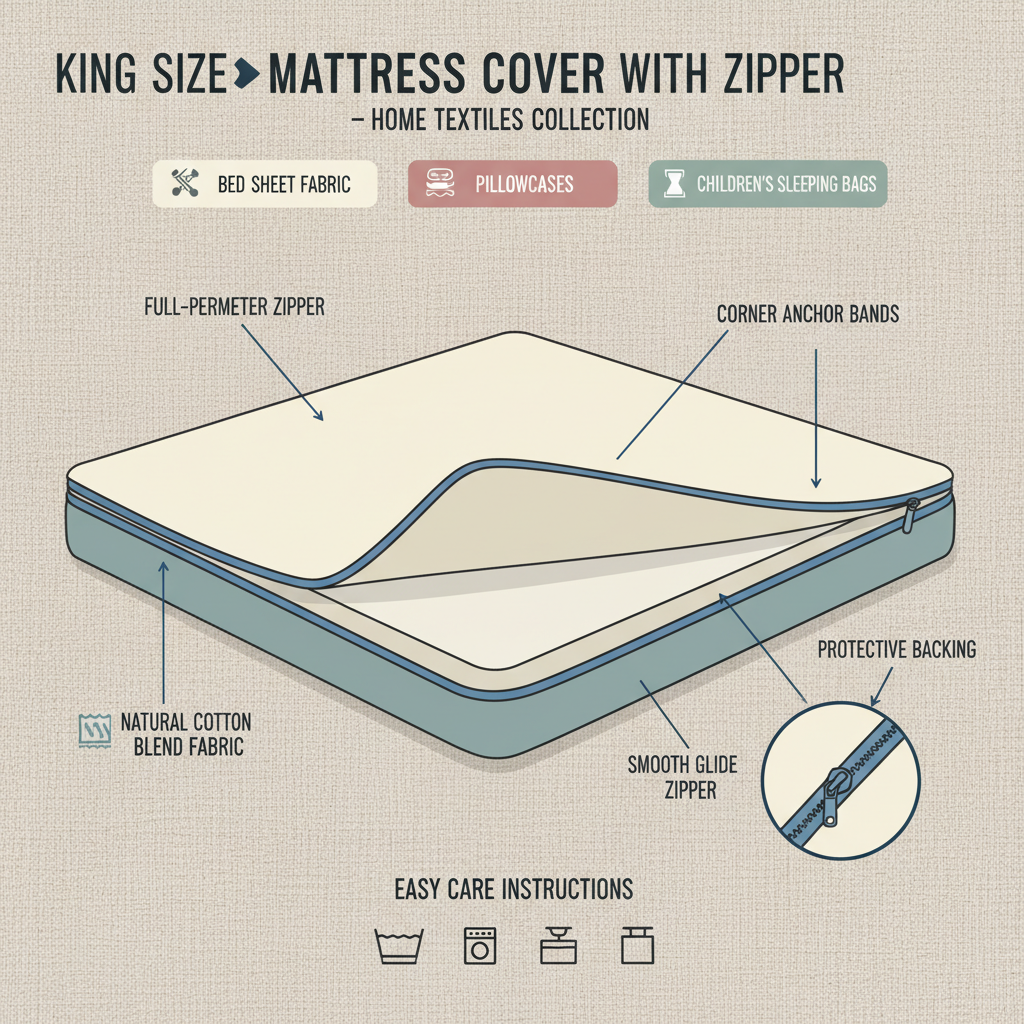
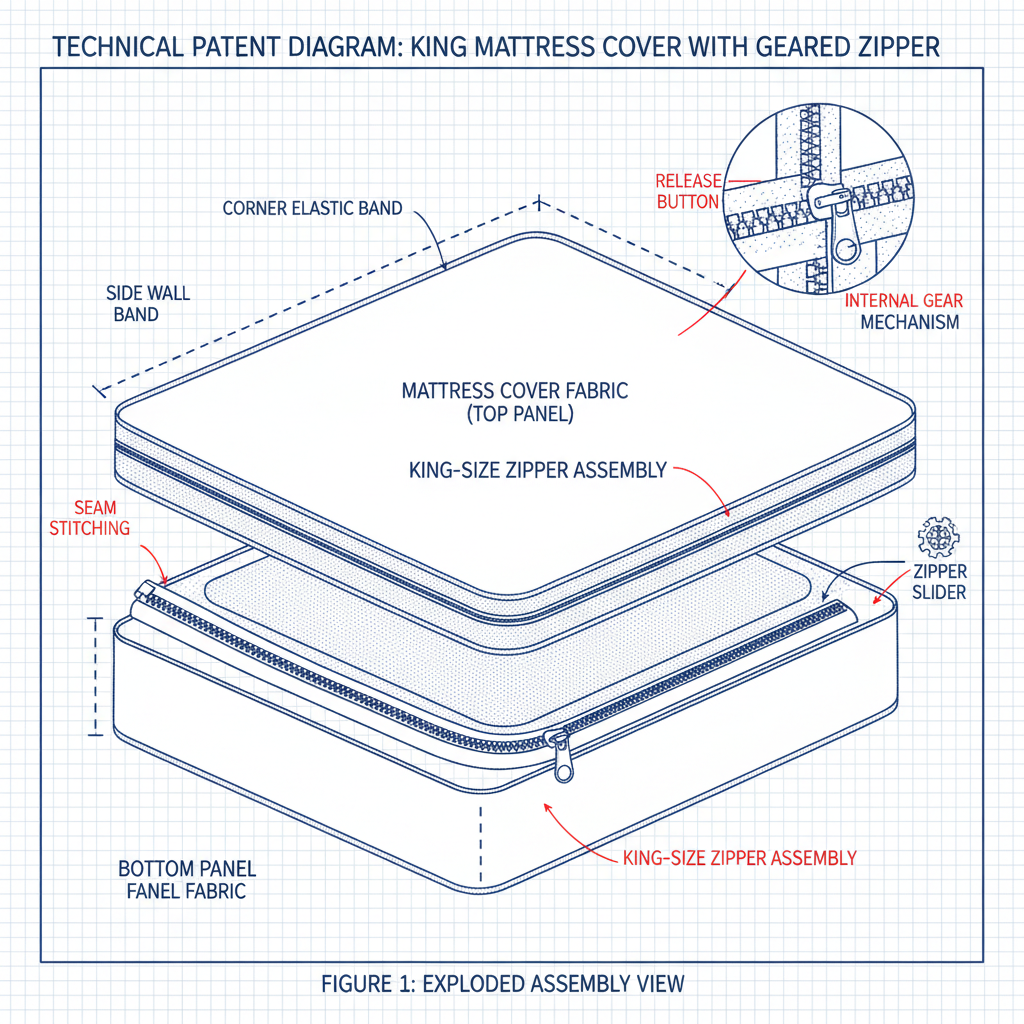
Best King Size Mattress Cover with Zipper for Complete Protection
Investing in a high-quality mattress is only the first step toward a perfect night's sleep. To protect that investment from spills, allergens, and general wear and tear, a king size mattress cover with zipper is an essential accessory. Unlike fitted sheets or simple toppers, a zippered encasement provides 360-degree protection, ensuring that your mattress remains pristine and hygienic for years to come. Whether you are battling dust mites or simply want to keep your bed fresh, choosing the right cover can significantly enhance your sleep quality and longevity of your bedding.
Apr 09,2026
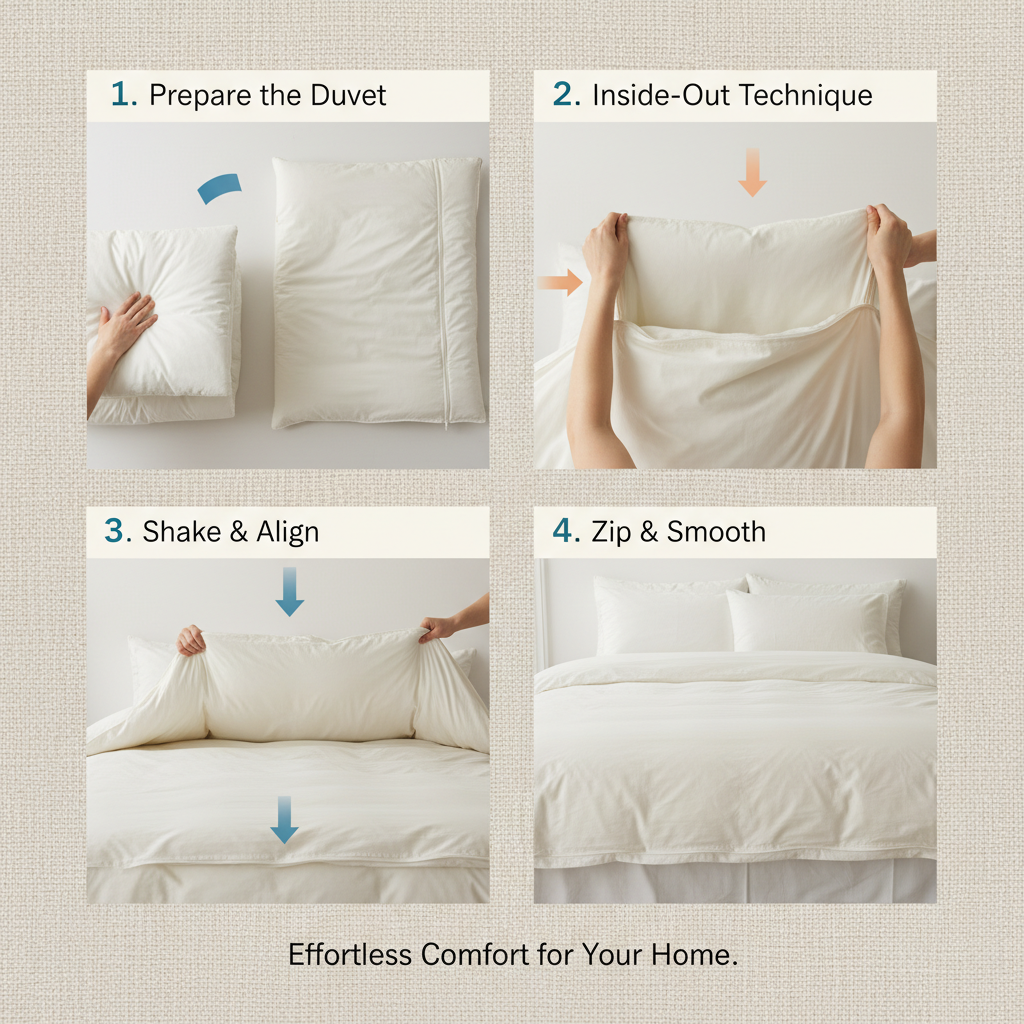
Best Guide for Choosing King Size Bed Cover with Zip Protection
Maintaining a pristine sleeping environment is essential for both hygiene and long-term mattress durability. A high-quality king size bed cover with zip provides a comprehensive shield against dust mites, allergens, and accidental spills. Unlike standard fitted sheets, a zipped encasement fully envelops the mattress, ensuring that nothing penetrates the fabric. Whether you are dealing with allergies or simply want to extend the life of your expensive king-size mattress, choosing the right protective cover is a game-changer for your bedroom health. In this guide, we will explore the technical advantages, materials, and key considerations for selecting the perfect enclosure for your bed.
Apr 07,2026
Comprehensive Guide to Choosing the Best King Mattress Cover with Zipper for Optimal Protection
Protecting your mattress is crucial for hygiene, longevity, and comfort. A king mattress cover with zipper offers a comprehensive solution, shielding against dust mites, allergens, spills, and wear and tear. This article delves into the benefits of using a zippered king mattress cover, key features to look for, materials, and how to choose the best one for your needs. Investing in a quality mattress protector is an investment in your health and the lifespan of your mattress.


Address
1010, ZHONGYUAN BUILDING, NO.368 NORTH YOUYI STREET. SHIJIAZHUANG,HEBEI,CHINA.


