



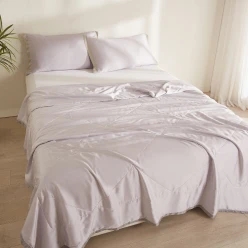



Understanding Cotton Bed Sheet Thread Count: Why It Really Matters
When you settle down for a good night’s sleep, the feel of your bed sheets can make or break the experience. And at the heart of that tactile sensation lies a deceptively simple number: the cotton bed sheet thread count. But beyond just comfort, this metric is a surprisingly crucial piece in a global puzzle involving textile manufacturing, sustainability, and even humanitarian relief efforts.
Simply put, thread count is the number of threads woven into one square inch of fabric. It tells you how tightly woven the cotton sheets are, influencing everything from softness and durability to breathability and cost. Knowing about thread count is not just for luxury shoppers—it’s practical knowledge for manufacturers, environmental advocates, and anyone curious about the textiles that surround us.
The Global Context of Cotton Bed Sheet Thread Count
Interestingly, cotton remains the world’s most widely grown natural fiber, accounting for approximately 25 million tons annually (source: FAO). The global textile industry leaned heavily on cotton bed sheets to supply homes—and hospitals, hotels, and relief camps—worldwide. Yet as demand grows, so do concerns about overconsumption and quality disparities.
The cotton bed sheet thread count is a key factor in addressing these challenges. Lower thread counts often mean cheaper, less durable sheets; extremely high thread counts may be misleading—manufacturers sometimes twist multiple threads together to artificially boost numbers without actual quality gains. This muddles consumer perception and strains supply chains, especially in developing countries.
UN trade data and ISO standards increasingly emphasize transparency in textile labeling, pushing industry players to be clearer about thread counts and their meaning. It's a global effort to curb waste and improve product reliability across markets.
What Exactly Is Cotton Bed Sheet Thread Count?
At its core, the cotton bed sheet thread count defines the number of threads packed into a square inch of fabric. To picture it, imagine counting horizontal (weft) and vertical (warp) threads inside an inch-long square. Combine them, and there you have it: 200, 300, 600 — you get the idea.
Thread count directly influences the sheet’s softness, weight, and strength. More threads can mean a denser, more luxurious feel, but beware: quality matters just as much as quantity. True craftsmanship combines a modest thread count with high-quality cotton fibers—like Egyptian or Pima cotton—to create the best balance.
This isn’t just about luxury bedding; in humanitarian aid settings, for example, durable yet breathable sheets make a huge difference for patient comfort and sanitation in clinics and shelters worldwide.
Mini Takeaway:
Thread count is a straightforward measure but interpreting it correctly requires looking beyond the number to cotton quality and fabric construction.
Core Components That Influence Cotton Bed Sheet Thread Count Quality
1. Fabric Durability
Higher thread counts typically enhance durability, making sheets more resistant to daily wear and tear. For places like hotels or hospitals, this means fewer replacements and better hygiene over time.
2. Breathability & Comfort
Oddly enough, the densest sheets aren’t always the most breathable. A thread count around 300–400 usually hits the sweet spot, offering softness without trapping heat—good for warmer climates or active sleepers.
3. Cotton Fiber Quality
The fiber's length and strength—long-staple cottons such as Egyptian or Supima—critical influence the tactile feel and longevity, complementing thread count perfectly.
4. Weave Type
Percale, sateen, or jacquard weaves differ widely in feel and durability, even if the thread count is identical. For instance, sateen’s smoother shiny finish pairs well with medium-high thread counts.
5. Cost Efficiency
The relationship between thread count and price isn’t linear. Extremely high counts often hike prices with diminishing comfort returns, so manufacturers aim to strike balance for mass-market or premium segments.
6. Scalability in Manufacturing
Production lines tuned to specific thread counts optimize yield and minimize waste, especially in large textile hubs from India to Turkey.
Mini Takeaway:
Thread count is just one of several intertwined factors shaping cotton bed sheet quality and applicability — understanding these helps buyers and makers make smarter choices.
Practical Applications Around the World
Thread count considerations stretch far beyond your bedroom. For example:
- Hospital textiles: Durable sheets at a moderate thread count ensure patient comfort while withstanding rigorous laundry cycles.
- Luxury hotels: Higher thread count cotton sheets are standard to convey prestige, although many are shifting to sustainable forms.
- Disaster relief: Rapid deployment of bedding with optimal thread count and durable weave helps improve emergency shelter conditions. NGOs sourcing these sheets often prioritize breathability combined with strength.
- Industrial dormitories: Worker housing facilities in regions like Southeast Asia often prefer mid-tier thread counts balancing budget and longevity.
Mini Takeaway:
The cotton bed sheet thread count concept is at play in many sectors where function meets comfort — a quiet but essential factor.
Advantages & Long-Term Value of Knowing Your Thread Count
Why care about thread count beyond feeling luxurious?
- Cost Savings: Buying sheets with appropriate thread count reduces premature replacements.
- Sustainability: Proper thread counts reduce overprocessing and textile waste, supporting eco-friendly manufacturing.
- Comfort & Trust: Well-made sheets improve sleep quality and consumer confidence in brands.
- Social Impact: Ethical sourcing around thread count transparency supports fair labor practices.
All told, thread count speaks volumes about a product’s lifecycle and its impact on people and planet.
What’s Next? Future Trends and Innovations
Manufacturers are not resting on traditional metrics. The future points towards:
- Smart fabrics: Integrating cooling technology and moisture-wicking fibers into cotton blends without compromising thread count.
- Sustainable sourcing: Innovations like organic cotton and recycled fibers are paired with optimized thread counts to lower carbon footprints.
- Digital textile printing: Allows customization while maintaining fabric integrity, even at varied thread counts.
- Automation in weaving: Increasing precision to achieve consistent thread counts and reduce defects.
This evolution means better products, more eco-conscious choices, and even personalized bedding solutions.
Facing the Challenges Head-On
Thread count discussions come with pitfalls:
- Misleading labeling: High thread counts sometimes stem from multi-ply threads that don’t enhance quality.
- Quality vs. Quantity: Overemphasizing thread count can overshadow other vital aspects like cotton source or weave.
- Cost Pressures: Cheap knockoffs flood markets, confusing buyers more than helping them.
Experts advise consumers use thread count as one guideline, combined with fiber type, weave, and trusted vendor reputation—sort of a holistic approach proves best.
| Specification | Standard Range | Impact |
|---|---|---|
| Thread Count | 200–600 | Comfort & Durability |
| Cotton Type | Egyptian, Pima, Upland | Softness & Longevity |
| Weave | Percale, Sateen | Texture & Breathability |
| Finish | Mercerized or Untreated | Luster & Strength |
| Weight | 120–180 gsm | Thickness & Warmth |
Comparing Leading Cotton Bed Sheet Vendors
| Vendor | Thread Count Range | Cotton Source | Price Range (per set) | Eco-Certifications |
|---|---|---|---|---|
| LuxeHome | 300–600 | Egyptian Cotton | $120–$250 | GOTS, OEKO-TEX |
| BedWell Co. | 200–400 | Upland Cotton | $40–$90 | OEKO-TEX |
| EcoWeave Textiles | 250–350 | Organic Cotton (India) | $70–$150 | GOTS, Fair Trade |
Frequently Asked Questions About Cotton Bed Sheet Thread Count
Q1: What thread count should I choose for the softest cotton bed sheets?
Generally, a thread count between 300 and 400 offers the best balance of softness, durability, and breathability. Higher counts, beyond 600, aren’t always softer and sometimes use multi-ply threads that are less comfortable.
Q2: Does a higher thread count mean better quality?
Not necessarily. While thread count indicates fabric density, quality depends on the cotton type, yarn strength, and weave. For example, long-staple cotton sheets with a 300 thread count often outperform cheaply made 600 thread count alternatives.
Q3: How does thread count affect sheet longevity?
Sheets with moderate to high thread count (300–500) and high-quality cotton fibers typically last longer due to their dense weave and stronger threads tensile strength, reducing tear and thinning over time.
Q4: Are eco-friendly cotton sheets linked to thread count?
Eco-friendly sheets often maintain moderate thread counts to minimize heavy processing. Certifications like GOTS ensure sustainable farming and dyeing methods regardless of thread count.
Q5: Can I find quality cotton bed sheets online with honest thread count labeling?
Yes, many reputable brands adhere to transparent labeling and third-party certifications to ensure you get authentic thread counts. Always check customer reviews and certifications for peace of mind.
Wrapping It Up: Why Cotton Bed Sheet Thread Count Still Matters
Thread count remains a straightforward yet vital indicator for anyone invested in the quality and sustainability of cotton bed sheets. Whether you’re sourcing for a hotel, outfitting a relief camp, or simply upgrading your bedding, understanding this metric helps you make more informed and value-based choices.
For more details and expert advice on selecting the right cotton bed sheet thread count, visit us at this page. After all, a good night starts with great sheets.
References

Related Products
Our Latest News
Apr 16,2026
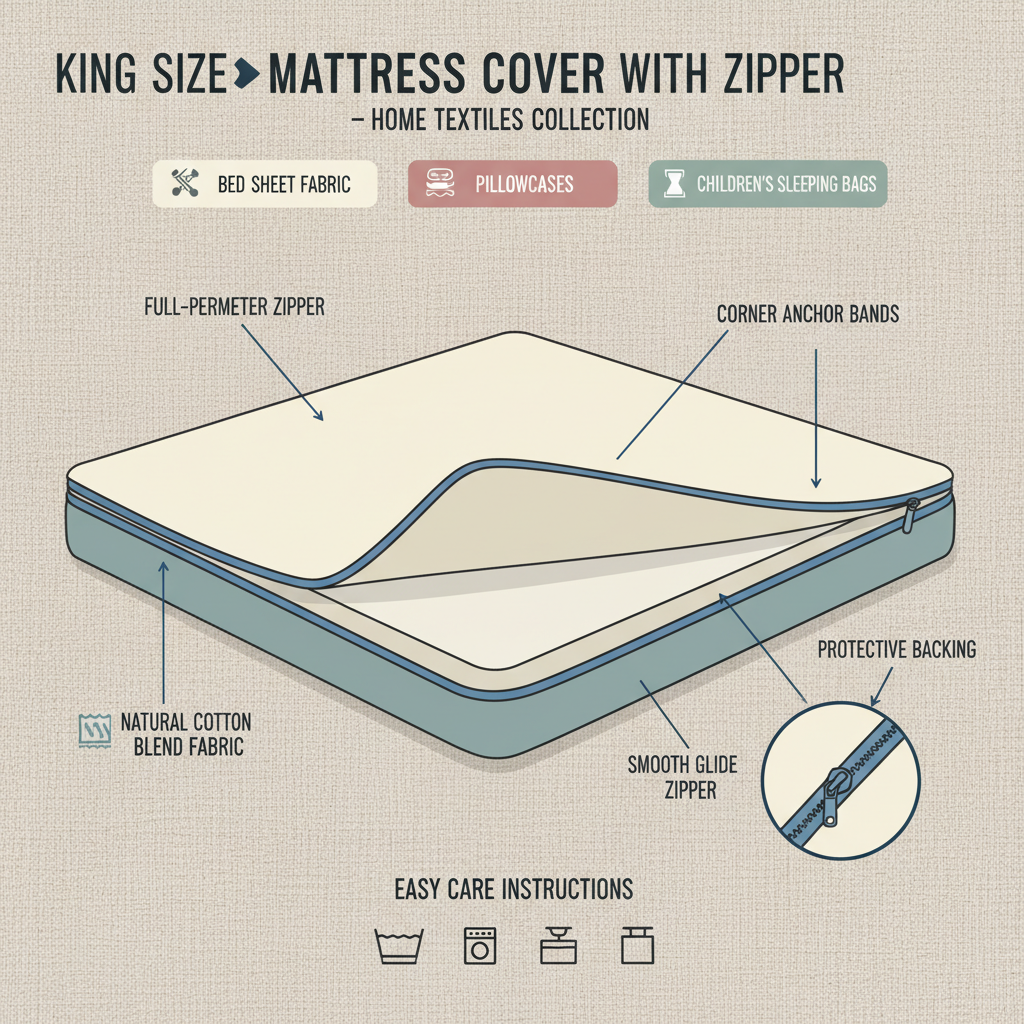
Best King Size Mattress Cover with Zipper for Complete Protection
Investing in a high-quality mattress is only the first step toward a perfect night's sleep. To protect that investment from spills, allergens, and general wear and tear, a king size mattress cover with zipper is an essential accessory. Unlike fitted sheets or simple toppers, a zippered encasement provides 360-degree protection, ensuring that your mattress remains pristine and hygienic for years to come. Whether you are battling dust mites or simply want to keep your bed fresh, choosing the right cover can significantly enhance your sleep quality and longevity of your bedding.
Apr 09,2026
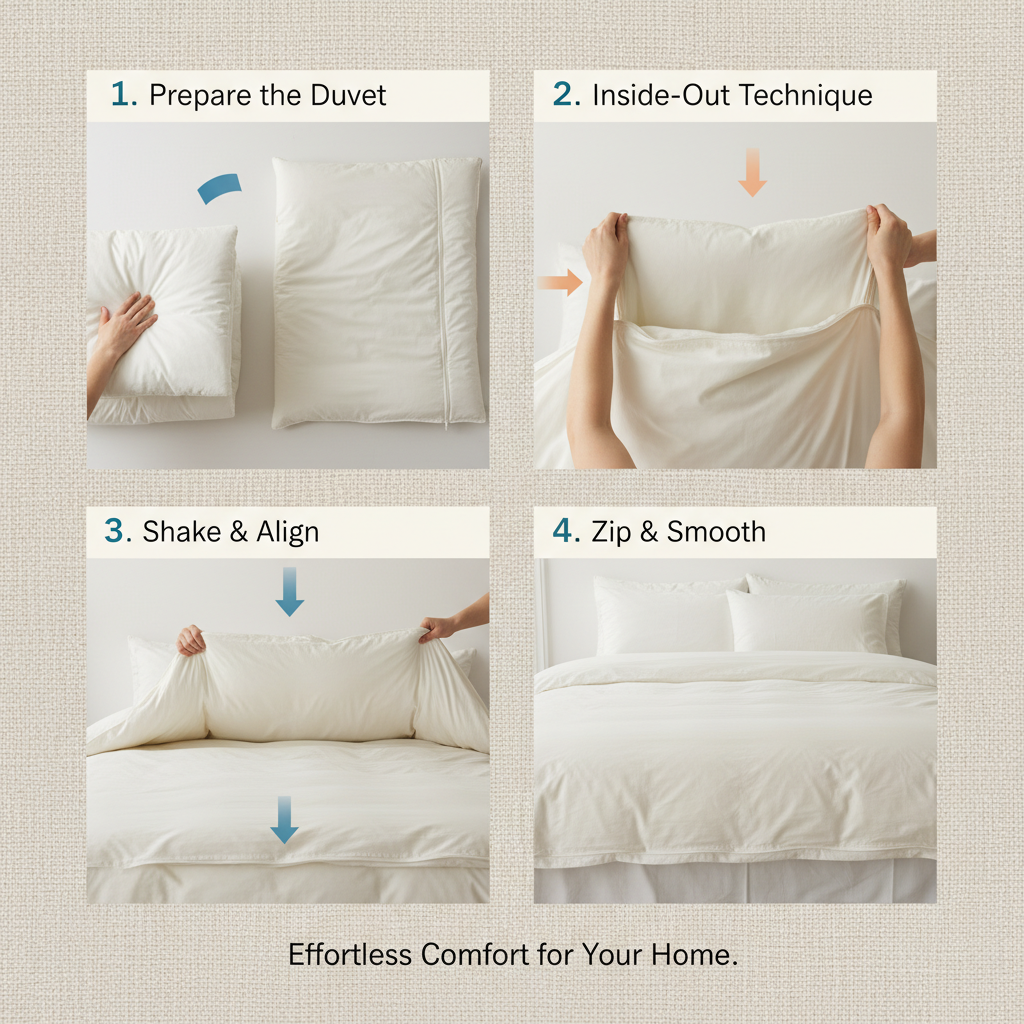
Best Guide for Choosing King Size Bed Cover with Zip Protection
Maintaining a pristine sleeping environment is essential for both hygiene and long-term mattress durability. A high-quality king size bed cover with zip provides a comprehensive shield against dust mites, allergens, and accidental spills. Unlike standard fitted sheets, a zipped encasement fully envelops the mattress, ensuring that nothing penetrates the fabric. Whether you are dealing with allergies or simply want to extend the life of your expensive king-size mattress, choosing the right protective cover is a game-changer for your bedroom health. In this guide, we will explore the technical advantages, materials, and key considerations for selecting the perfect enclosure for your bed.
Apr 07,2026
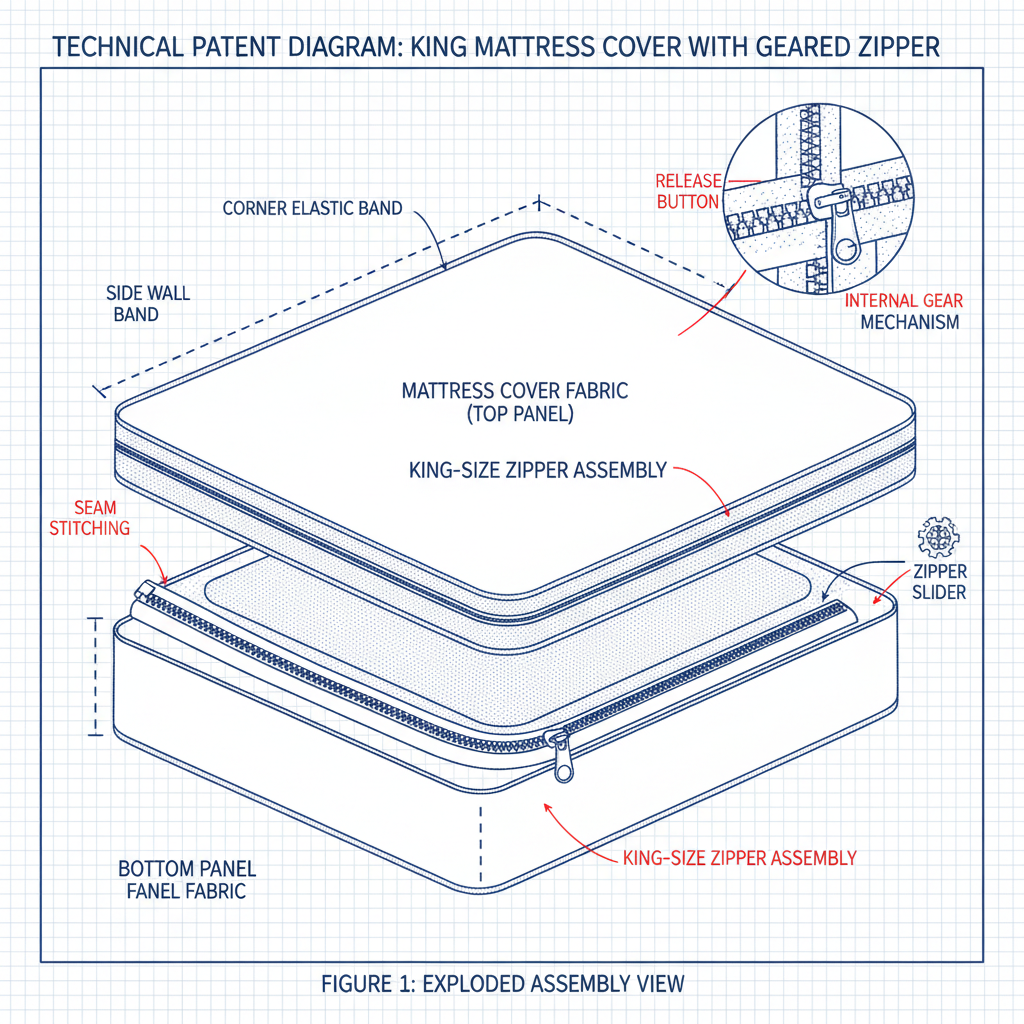
Comprehensive Guide to Choosing the Best King Mattress Cover with Zipper for Optimal Protection
Protecting your mattress is crucial for hygiene, longevity, and comfort. A king mattress cover with zipper offers a comprehensive solution, shielding against dust mites, allergens, spills, and wear and tear. This article delves into the benefits of using a zippered king mattress cover, key features to look for, materials, and how to choose the best one for your needs. Investing in a quality mattress protector is an investment in your health and the lifespan of your mattress.


Address
1010, ZHONGYUAN BUILDING, NO.368 NORTH YOUYI STREET. SHIJIAZHUANG,HEBEI,CHINA.


