



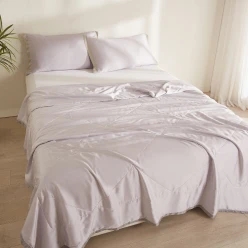


Pure Cotton Bed Sheets: The Fabric of Comfort and Sustainability
When we talk about bedding, “pure cotton bed sheets” might seem like a simple household item. But frankly, they carry a far more profound global significance than most realize. Whether in your home, a hospital, or humanitarian relief camp, the quality and sustainability of bedding materials affect comfort, health, and even environmental impact.
Understanding pure cotton bed sheets helps us appreciate their role in global trade, textile standards, and sustainable living trends. It’s more than just softness beneath your head — it’s about responsibly sourced fibers, durability, and skin health. Let’s unravel why these sheets matter worldwide and what makes them a preferred choice across industries.
Introduction: Global Context of Pure Cotton Bed Sheets
To put things in perspective, cotton is one of the world’s most cultivated fibers, with an estimated global production of around 26 million tons annually (Source: FAO). Pure cotton bed sheets form a significant portion of the textile market, valued in the billions. Why? Because their breathability, softness, and hypoallergenic qualities appeal universally.
However, the industry faces challenges such as ensuring sustainable farming practices and combating the rise of synthetic alternatives. The UN’s Sustainable Development Goals highlight responsible production and consumption, making pure cotton bedding a niche where environmental and social priorities collide head-on.
Quick takeaway: Pure cotton bed sheets are globally relevant not only for comfort but as a touchstone for sustainability and ethical textile commerce.
What Are Pure Cotton Bed Sheets?
In simple terms, pure cotton bed sheets are bedding textiles made 100% from natural cotton fibers, without the inclusion of polyester or other synthetics. This purity ensures breathability, moisture absorption, and a naturally soft texture. Unlike cotton blends, pure cotton sheets maintain their properties longer and tend to be gentler on sensitive skin.
In industrial or humanitarian contexts, these sheets serve critical roles—like providing hygienic, reusable bedding in hospitals or refugee shelters where durability and comfort are paramount.
Key Aspects of Pure Cotton Bed Sheets
1. Softness & Skin Comfort
The weave and fiber quality determine the softness of these sheets. Egyptian and Pima cottons are especially renowned for their long staple fibers, resulting in ultra-soft textiles that feel luxurious against the skin.
2. Breathability & Moisture Wicking
Pure cotton allows air to circulate and absorbs moisture, helping regulate body temperature during sleep. This attribute is not just comfort but also critical in medical or hot climates.
3. Durability & Longevity
Quality cotton sheets withstand repeated washings without significant shrinkage or fiber damage, making them more sustainable in the long run than many synthetic alternatives.
4. Environmental Impact
Cotton can be resource-intensive, but organic and sustainably grown cotton reduces water consumption and pesticide use, aligning with sustainable development efforts.
5. Hypoallergenic Properties
Pure cotton naturally resists dust mites and allergens better than some synthetics, helping people with allergies or sensitive skin.
| Feature | Specification | Benefit |
|---|---|---|
| Fiber Type | 100% Long-Staple Cotton (Egyptian/Pima) | Enhanced softness and durability |
| Thread Count | 200 - 600 | Balance between softness and breathability |
| Weave | Percale, Sateen, or Jersey | Affects texture and cooling properties |
| Certifications | GOTS, OEKO-TEX | Safety and sustainability assurance |
Global Applications & Use Cases
Pure cotton bed sheets find diverse applications worldwide. Hospitals in Europe and North America favor them for patient bedding due to their hygienic and skin-friendly nature. Refugee relief agencies such as UNHCR prioritize cotton sheets because their durability reduces waste and improves living conditions in camps.
In Southeast Asia and India, cotton bed linens are staples in both luxury hotels and modest homes alike, showing versatility across economic classes. Interestingly, some regions have started integrating organic cotton production to boost livelihoods and reduce environmental footprints.
Mini takeaway: Pure cotton bedding bridges comfort and social responsibility across sectors, from healthcare to humanitarian aid.
Advantages & Long-Term Value
- Cost Efficiency: While initially pricier, pure cotton sheets last longer, saving money over time compared to synthetics that degrade faster.
- Sustainability: By choosing organic or certified cotton, consumers support eco-friendly farming and reduce chemical usage.
- Health & Comfort: Gentle on skin, breathable, and hypoallergenic, enhancing sleep quality and wellbeing.
- Social Impact: Cotton cultivation and textile production provide millions of jobs globally, especially in developing economies.
Future Trends & Innovations in Pure Cotton Bedding
There’s growing excitement around integrating smart textiles with pure cotton. Imagine sheets infused with temperature-regulating fibers or antimicrobial treatments derived from natural plant extracts. Additionally, blockchain is being explored for supply chain transparency, ensuring ethically sourced cotton.
Sustainability drives innovation too; companies are experimenting with water-saving dyeing techniques and circular economy approaches to recycle old cotton fabrics into new sheets.
Challenges & Solutions
Of course, cotton farming faces issues like high water use and pesticide dependency. Yet, a shift toward organic cotton and advanced irrigation techniques helps mitigate environmental impact. Educating consumers about certifications like GOTS (Global Organic Textile Standard) enables informed purchasing decisions.
On the consumer side, some people worry about maintenance, as pure cotton sheets tend to wrinkle or require careful washing. But that’s a trade-off many consider worthwhile for the natural feel and breathability.
Vendor Comparison: Leading Suppliers of Pure Cotton Bed Sheets
| Vendor | Product Range | Sustainability Certifications | Price Range (per set) | Special Features |
|---|---|---|---|---|
| CottonPure Co. | Basic to Luxury | GOTS, OEKO-TEX | $50 - $250 | Organic options, Fair Trade certified |
| EcoTextiles Ltd. | Mid-range | GOTS | $40 - $180 | Recycled cotton blends |
| SleepWell Organics | Premium | OEKO-TEX, GOTS | $100 - $300 | Luxury Egyptian cotton, temperature regulating |
Frequently Asked Questions About Pure Cotton Bed Sheets
Q1: How do pure cotton bed sheets compare in breathability to cotton blends?
A: Pure cotton bed sheets generally offer superior breathability and moisture absorption compared to blends with synthetics. This makes them preferable in warm climates or for people who sweat during sleep.
Q2: Are pure cotton bed sheets hypoallergenic?
A: Yes, pure cotton sheets are naturally hypoallergenic and tend to resist dust mites and allergens better than many synthetic fabrics, making them ideal for sensitive skin.
Q3: What’s the best way to care for pure cotton bed sheets?
A: Washing in cool or warm water with mild detergents and avoiding bleach helps maintain the sheets’ softness and longevity. Tumble dry on low or air dry to reduce wear.
Q4: Are organic pure cotton sheets worth the extra cost?
A: Generally, yes. Organic cotton sheets reduce exposure to pesticides and support sustainable farming, with environmental and social benefits beyond immediate comfort.
Conclusion
Pure cotton bed sheets stand at the crossroads of comfort, sustainability, and global textile commerce. Their enduring appeal comes from natural qualities—breathability, softness, and durability—that synthetic alternatives struggle to match, especially if one values environmental or social responsibility.
If you’re curious or ready to upgrade your bedding experience, consider exploring options like pure cotton bed sheets known for certified quality and sustainability. Your sleep (and the planet) might just thank you.
Oddly enough, investing in quality cotton sheets often means investing in a better night’s rest — and a better world.
References:
1. Food and Agriculture Organization (FAO): www.fao.org
2. Global Organic Textile Standard (GOTS): www.global-standard.org
3. OEKO-TEX: www.oeko-tex.com

Related Products
Our Latest News
Apr 16,2026
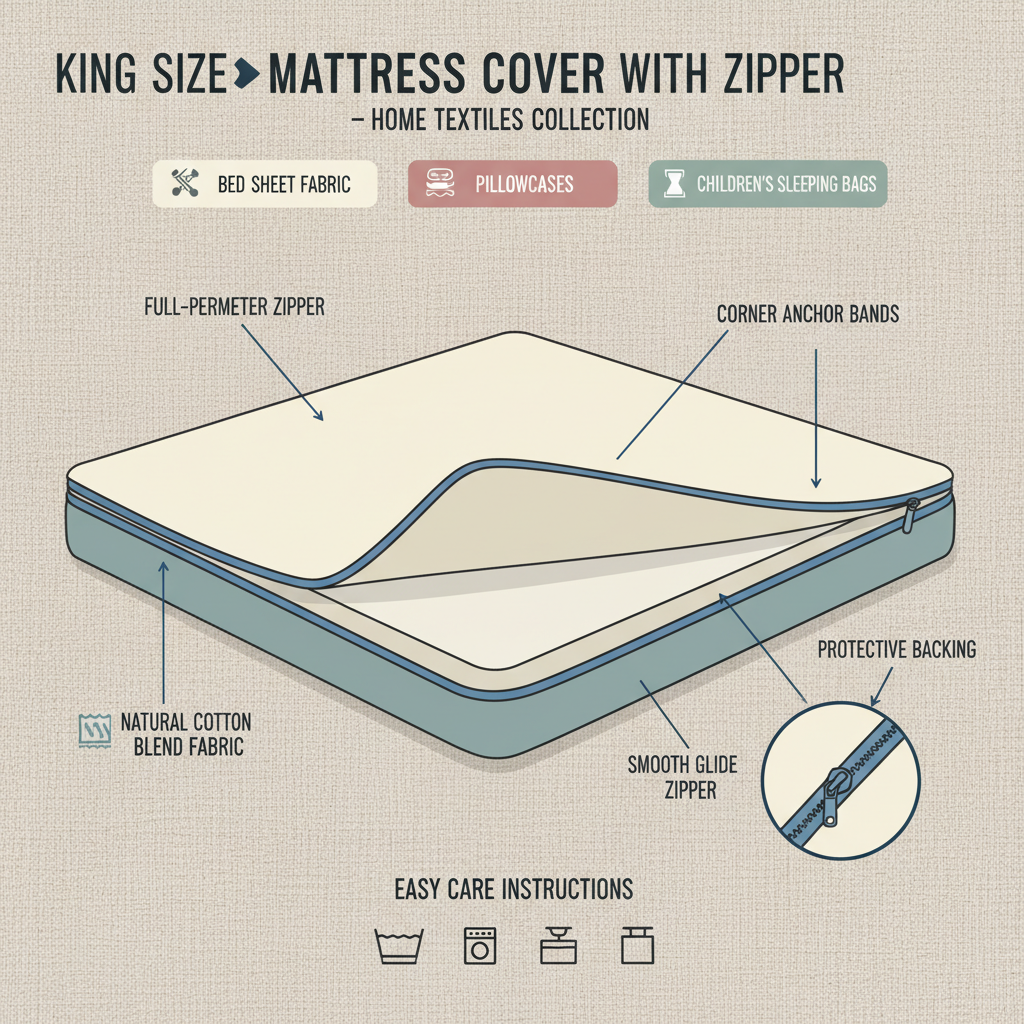
Best King Size Mattress Cover with Zipper for Complete Protection
Investing in a high-quality mattress is only the first step toward a perfect night's sleep. To protect that investment from spills, allergens, and general wear and tear, a king size mattress cover with zipper is an essential accessory. Unlike fitted sheets or simple toppers, a zippered encasement provides 360-degree protection, ensuring that your mattress remains pristine and hygienic for years to come. Whether you are battling dust mites or simply want to keep your bed fresh, choosing the right cover can significantly enhance your sleep quality and longevity of your bedding.
Apr 09,2026
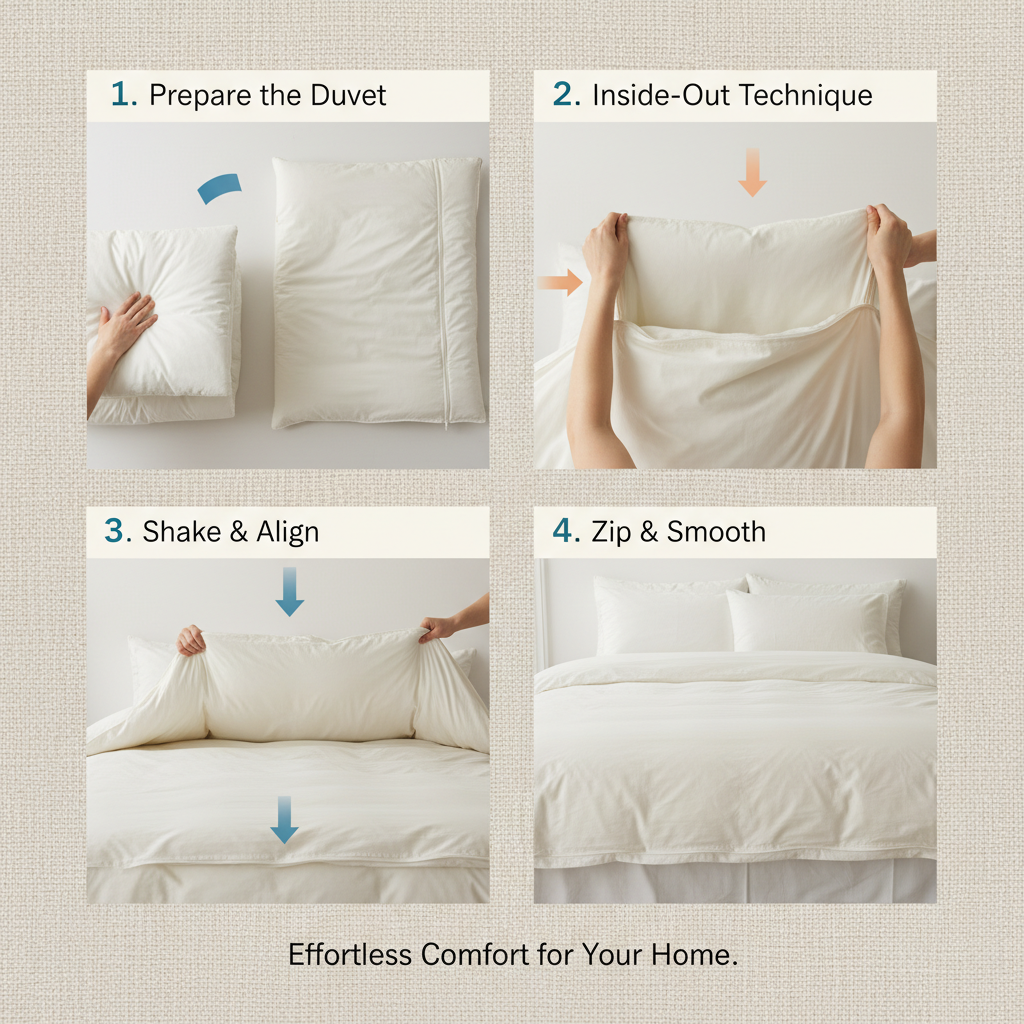
Best Guide for Choosing King Size Bed Cover with Zip Protection
Maintaining a pristine sleeping environment is essential for both hygiene and long-term mattress durability. A high-quality king size bed cover with zip provides a comprehensive shield against dust mites, allergens, and accidental spills. Unlike standard fitted sheets, a zipped encasement fully envelops the mattress, ensuring that nothing penetrates the fabric. Whether you are dealing with allergies or simply want to extend the life of your expensive king-size mattress, choosing the right protective cover is a game-changer for your bedroom health. In this guide, we will explore the technical advantages, materials, and key considerations for selecting the perfect enclosure for your bed.
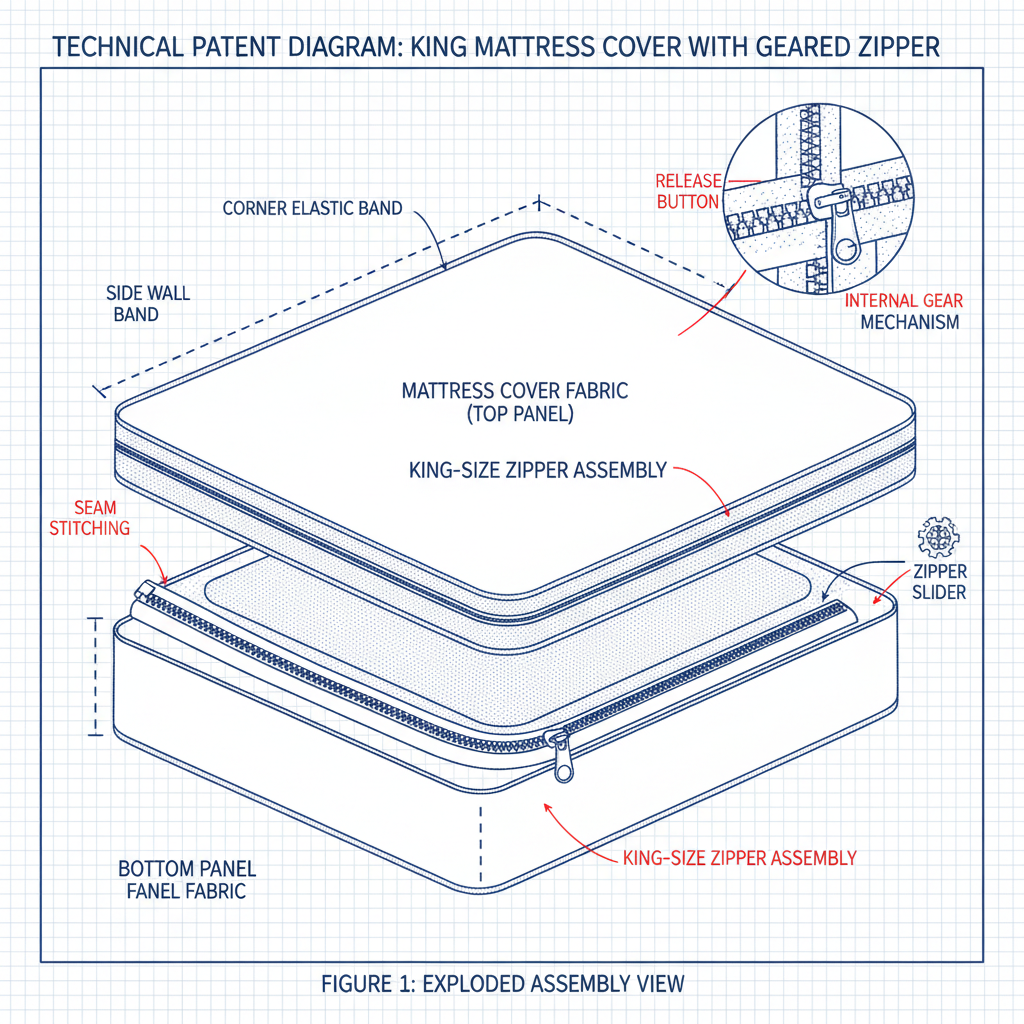
Apr 07,2026
Comprehensive Guide to Choosing the Best King Mattress Cover with Zipper for Optimal Protection
Protecting your mattress is crucial for hygiene, longevity, and comfort. A king mattress cover with zipper offers a comprehensive solution, shielding against dust mites, allergens, spills, and wear and tear. This article delves into the benefits of using a zippered king mattress cover, key features to look for, materials, and how to choose the best one for your needs. Investing in a quality mattress protector is an investment in your health and the lifespan of your mattress.


Address
1010, ZHONGYUAN BUILDING, NO.368 NORTH YOUYI STREET. SHIJIAZHUANG,HEBEI,CHINA.


