





Why a Quality Mattress Protector Matters More Than You Think
Having worked in the industrial equipment sector for quite some years now, I’ve seen my share of materials and products designed to protect or extend the life of expensive assets. Oddly enough, mattress protectors don’t get nearly the same respect, even though they play a surprisingly pivotal role in maintaining comfort and hygiene in homes and commercial settings alike.
Frankly, a quality mattress protector isn’t just about fending off spills or dust mites. It’s about preserving the mattress’s core integrity over years of use, something I noticed during inspections at a hotel refurbishment project two years ago. Protectors with subpar materials quickly showed signs of wear and failed in what I’d call “real-world” durability tests.
So, what makes a mattress protector truly high quality? The answer starts with materials and construction. Most good ones blend soft, breathable fabrics with an impermeable backing—often polyurethane—to block liquids without sacrificing comfort. That waterproof layer is sort of the unsung hero here; it needs to be flexible enough not to crack while maintaining a perfect seal.
I’ve also seen the trend toward hypoallergenic fabrics gaining traction, particularly in environments like hospitals or daycare centers. These protectors not only extend mattress life but also contribute significantly to better sleep and fewer allergic reactions.
Key Specifications of a Top-Notch Mattress Protector
| Feature | Details |
|---|---|
| Material | 100% Cotton or Polyester blend with polyurethane backing |
| Waterproof | Yes, breathable yet impermeable membrane |
| Hypoallergenic | Certified hypoallergenic barrier |
| Fit | Fitted sheet style with deep pocket options |
| Care | Machine washable and dryer safe |
| Warranty | Typically 5 years limited warranty |
One detail I often emphasize is fit—especially in commercial use. A protector that slips off or bunches up is pointless. This is where customization options or deep pockets come in handy. You wouldn’t believe how many engineers I've met who simply refuse to buy off-the-shelf sizes anymore.
Now, about vendors. I’ve compiled a straightforward comparison of some popular mattress protector manufacturers—something I usually share with clients during procurement phases to help them balance cost, performance, and warranty.
| Vendor | Material Quality | Waterproofing | Warranty | Typical Usage |
|---|---|---|---|---|
| BedEncasement.com | Premium cotton & polyurethane blend | High-grade waterproof membrane | 5 years limited warranty | Residential & hospitality |
| Protect-A-Bed | Polyester microfleece | Waterproof but less breathable | Limited 3 years | Residential focus |
| SureGuard | Polyurethane laminate on cotton terry | Excellent waterproofing and hypoallergenic | 2 years limited | Medical and hospitality sectors |
Many engineers tell me they value ongoing support and transparent warranties more than flashy specs. It’s a good reminder that even the best technical features don’t mean a thing if you can’t trust the vendor when issues arise.
Before I wrap up, here’s a small story I encountered: A long-time client in healthcare shared how switching to a higher-quality mattress protector reduced mattress replacement costs by nearly a third over five years. It’s one of those simple improvements that pays for itself—and then some.
So, next time you think about mattress protectors, consider quality over mere cost savings. It’s an investment in sleep comfort, hygiene, and mattress longevity. And if you want a strong recommendation, check out the products at BedEncasement.com. From my experience, they strike just the right balance.
In real terms, good mattress protection is kind of an unsung hero of quality sleep—yet it can dramatically shift your everyday comfort. It’s small details like these that industrial pros tend to appreciate most.
References:
- Industry durability studies on mattress coverings (2021-2023)
- Consumer Reports on hypoallergenic bedding (2022)
- Hotel refurbishment project documentation (2022)

Related Products
Our Latest News
Apr 16,2026
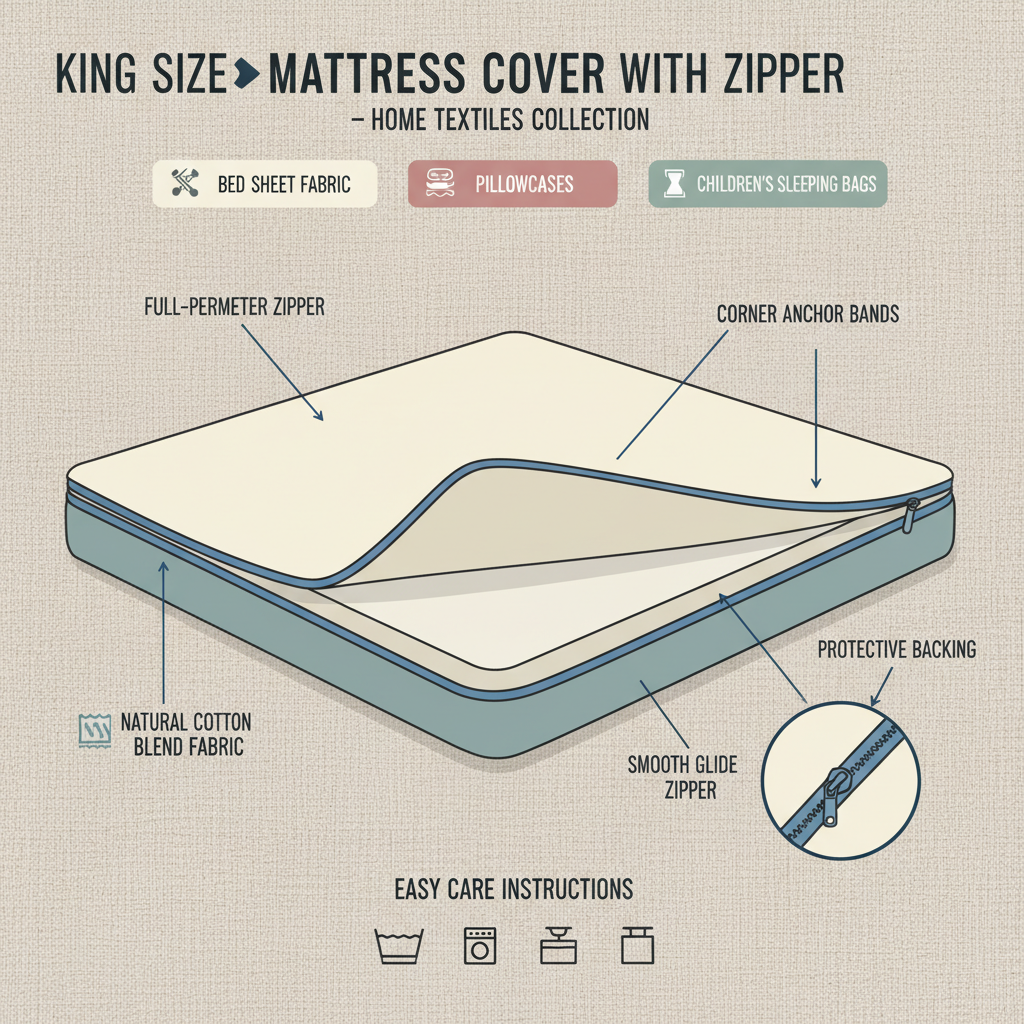
Best King Size Mattress Cover with Zipper for Complete Protection
Investing in a high-quality mattress is only the first step toward a perfect night's sleep. To protect that investment from spills, allergens, and general wear and tear, a king size mattress cover with zipper is an essential accessory. Unlike fitted sheets or simple toppers, a zippered encasement provides 360-degree protection, ensuring that your mattress remains pristine and hygienic for years to come. Whether you are battling dust mites or simply want to keep your bed fresh, choosing the right cover can significantly enhance your sleep quality and longevity of your bedding.
Apr 09,2026
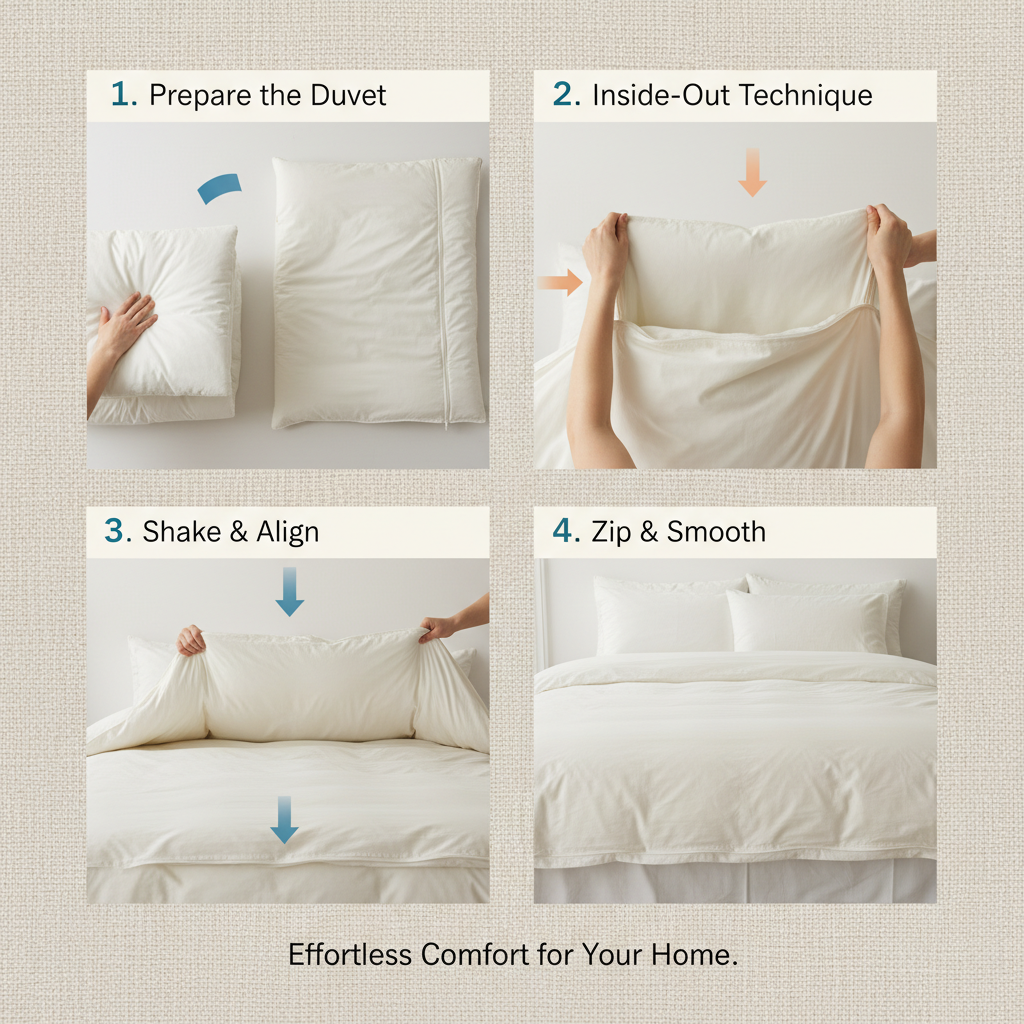
Best Guide for Choosing King Size Bed Cover with Zip Protection
Maintaining a pristine sleeping environment is essential for both hygiene and long-term mattress durability. A high-quality king size bed cover with zip provides a comprehensive shield against dust mites, allergens, and accidental spills. Unlike standard fitted sheets, a zipped encasement fully envelops the mattress, ensuring that nothing penetrates the fabric. Whether you are dealing with allergies or simply want to extend the life of your expensive king-size mattress, choosing the right protective cover is a game-changer for your bedroom health. In this guide, we will explore the technical advantages, materials, and key considerations for selecting the perfect enclosure for your bed.
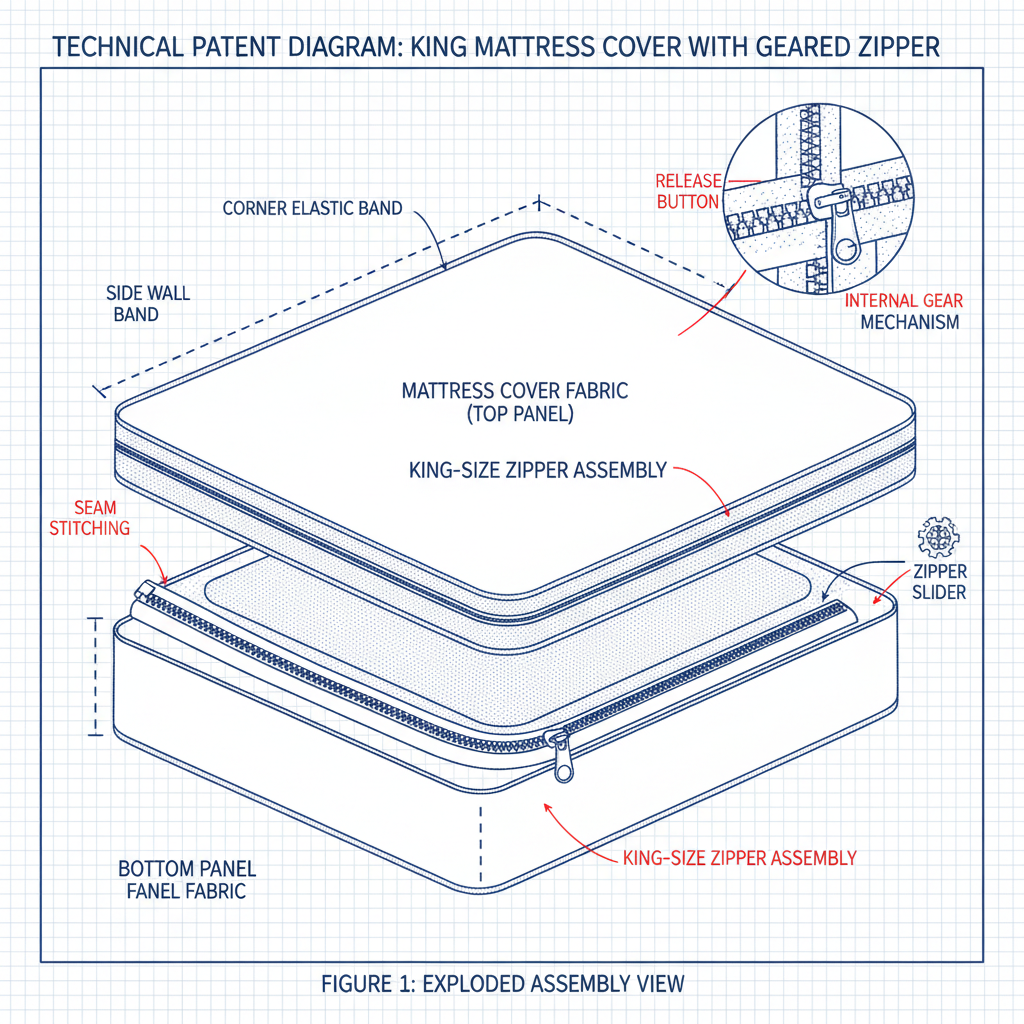
Apr 07,2026
Comprehensive Guide to Choosing the Best King Mattress Cover with Zipper for Optimal Protection
Protecting your mattress is crucial for hygiene, longevity, and comfort. A king mattress cover with zipper offers a comprehensive solution, shielding against dust mites, allergens, spills, and wear and tear. This article delves into the benefits of using a zippered king mattress cover, key features to look for, materials, and how to choose the best one for your needs. Investing in a quality mattress protector is an investment in your health and the lifespan of your mattress.


Address
1010, ZHONGYUAN BUILDING, NO.368 NORTH YOUYI STREET. SHIJIAZHUANG,HEBEI,CHINA.


