



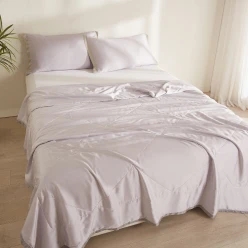



Printed Bed Sheets Cotton: The Fabric of Comfort and Innovation
Printed bed sheets made of cotton are far more than just decorative linens. They represent a blend of traditional textile craftsmanship with modern design and functionality—a small but impactful element woven deeply into everyday life worldwide. Understanding their relevance and benefits reveals why these sheets matter across different industries and cultures, linking comfort, sustainability, and commerce in ways you might not expect.
Introduction: Why Printed Bed Sheets Cotton Matter Globally
Cotton is the world’s most popular natural fiber, accounting for around 27 million tons produced annually according to the International Cotton Advisory Committee. Source Now, layering printed designs on cotton bed sheets has surged in importance, combining aesthetics with practicality. From upscale hotels seeking brand identity to humanitarian organizations providing dignified shelter, printed cotton sheets offer universal appeal.
However, global challenges such as sustainable agriculture, supply chain transparency, and consumer demand for eco-friendly products drive ongoing innovation. The question becomes: how can printed bed sheets cotton balance cost, durability, and environmental impact at scale? This is a question the textile and apparel industry is addressing with increasing urgency.
What Exactly Are Printed Bed Sheets Cotton?
Simply put, printed bed sheets cotton are textiles made from natural cotton fibers that have been dyed or printed with patterns, colors, or branding elements. Unlike plain sheets, these prints add personality and utility—sometimes for identification in hotels or hospitals, sometimes purely for aesthetics at home. The printing can involve digital techniques, screen printing, or reactive dyes depending on quality and budget.
They form a critical part of modern industry by enhancing product offerings and catering to consumer preference, while in humanitarian or institutional settings, printed cotton sheets contribute to hygiene, dignity, and supply efficiency.
Core Components of Printed Cotton Bed Sheets
Durability and Fabric Quality
Printed bed sheets made of cotton need to withstand frequent washing without fading or pilling. The weave, thread count, and cotton grade all play into this—Egyptian or Pima cotton, for instance, is renowned for softness and longevity. Durability also depends on printing techniques; reactive dye printing tends to be more colorfast than pigment printing.
Print Techniques and Design Precision
Modern printing on cotton ranges from traditional hand-block methods to state-of-the-art digital printing. Digital methods provide intricate designs with consistent quality, crucial for hospital linens or branded hotel sets. Designers often emphasize colorfastness and skin safety standards, ensuring the sheets maintain their look and comfort over time.
Cost Efficiency and Scalability
Producing printed cotton bed sheets at scale requires an optimized supply chain. Balancing raw cotton costs, printing complexity, and labor means manufacturers can offer competitive prices. Bulk orders for institutions such as hospitals or airlines benefit from volume discounts, while boutique retailers focus on limited runs with premium design elements.
Sustainability and Ethical Sourcing
Environmental concerns now dominate the textile industry. Organic cotton cultivation, water-saving dyeing methods, and non-toxic inks help printed cotton sheets become more eco-friendly. Certifications such as GOTS (Global Organic Textile Standard) or OEKO-TEX ensure supply chain transparency and safety for consumers—and increasingly for large-scale purchasers.
Comfort and Breathability
Cotton is naturally breathable and soft, key qualities for bedding. Printing should not compromise comfort. Hence, manufacturers strive to maintain a smooth hand feel, especially for hotel-grade sheets where customer experience is paramount.
User-Centric Customization
Many vendors now offer bespoke print options, catering to branding or individualized décor. Custom prints serve commercial clients and interior designers alike, opening new revenue channels and consumer engagement.
Product Specification Table: Typical Printed Bed Sheets Cotton
| Feature | Specification |
|---|---|
| Material | 100% Cotton (Egyptian/Pima/Organic) |
| Thread Count | 200–400 Threads per inch |
| Printing Technique | Digital Reactive Dye / Screen Printing |
| Colorfastness | ISO 105 - Grade 4 to 5 |
| Certifications | GOTS, OEKO-TEX Standard 100 |
| Washability | Machine washable, 60°C max |
Global Applications and Real-World Use Cases
Printed bed sheets cotton permeate various markets around the world. Retail consumers gravitate towards vibrant designs for their bedrooms, but commercial and humanitarian sectors find deeper values.
- Hospitality Industry: Hotels use printed cotton sheets to convey luxury and recognition, often customized with logos or thematic patterns.
- Healthcare Systems: In clinics and hospitals, color-coded or branded sheets improve inventory control and patient experience.
- Humanitarian Aid: Post-disaster relief agencies distribute printed cotton sheets for shelter, blending practicality with restoring dignity to displaced families.
- Military and Defense: Uniform base layers or bedding often incorporate cotton sheets with camouflage or unit-specific patterns.
- Export and Trade: Cotton sheets with prints are a staple export commodity for countries like India, Pakistan, and Turkey, impacting local economies.
Oddly enough, even airline and cruise lines rely on printed cotton bedding to reinforce brand consistency while enduring harsh laundering cycles.
Vendor Comparison Table: Leading Printed Cotton Bed Sheet Suppliers
| Supplier | Materials | Print Tech | Certifications | MOQ | Lead Time |
|---|---|---|---|---|---|
| GlobalCotton Inc. | Organic Egyptian Cotton | Digital Reactive | GOTS, OEKO-TEX | 500 pcs | 6-8 weeks |
| PrintWeave Ltd. | Pima Cotton | Screen & Digital | OEKO-TEX Only | 300 pcs | 4-6 weeks |
| EcoFiber Co. | 100% Organic Cotton | Natural Dyeing & Printing | GOTS Certified | 1000 pcs | 8-10 weeks |
Advantages and Long-Term Value
From cost-savings due to durability to environmental sustainability, printed cotton bed sheets provide multiple advantages. They foster a feeling of well-being—because let’s face it, sleeping on soft, breathable cotton decorated with beautiful patterns affects mood more than we admit. Socially, their role in aiding dignified shelter after crises can’t be understated.
Economically, long-lasting cotton sheets reduce replacement cycles, lowering waste and expense. In addition, they support cotton farmers and textile artisans, often in developing economies. This interplay of factors makes printed cotton bed sheets a surprisingly significant piece of global textile commerce and human comfort.
Future Trends and Innovations
Looking ahead, expect to see more digital printing advancements allowing intricate, eco-friendly designs at ultra-fast speeds, and with less water use. Organic and recycled cotton blends are growing, enhancing sustainability. Smart textiles embedded with sensors may someday monitor sleep quality while carrying vibrant prints. Policies pushing for greener manufacturing and fair labor standards are shaping production ethically and responsibly worldwide.
Challenges and Solutions
While printed cotton bed sheets are widely beloved, challenges remain. Achieving consistent colorfastness with eco-friendly inks is tricky; sometimes prints fade faster than desired. Scaling organic cotton production sustainably is difficult given water and land demands. Supply chain transparency also challenges brands aiming to prove ethical sourcing. Solutions involve R&D in next-gen dyes, blockchain for tracking, and partnerships with sustainable farms—all promising but still maturing.
Frequently Asked Questions About Printed Bed Sheets Cotton
- How long do printed cotton bed sheets typically last?
- With proper care, high-quality printed cotton sheets can last 3 to 5 years, retaining softness and print clarity. Frequent washing at recommended temperatures is key to longevity.
- Are printed cotton sheets safe for sensitive skin?
- Yes, provided they use OEKO-TEX or GOTS-certified dyes and finishes, printed cotton sheets are safe and hypoallergenic for most skin types.
- Can I customize printed bed sheets cotton for my hotel or business?
- Absolutely. Many manufacturers offer customized prints, including logos or patterns, to align with branding and design needs. Minimum order quantities usually apply.
- Is organic cotton worth the higher price for printed sheets?
- Organic cotton printed sheets are often softer, sustainably produced, and ethically sourced. Although pricier upfront, they bring environmental and long-term comfort benefits that many customers value.
- How do printed bed sheets cotton compare with synthetic alternatives?
- Cotton sheets offer superior breathability and comfort versus synthetics. Prints on cotton tend to be more vibrant and durable but may require more care to avoid shrinkage.
Conclusion: The Timeless Appeal of Printed Bed Sheets Cotton
To sum it up, printed bed sheets made from cotton strike that perfect balance between tradition and innovation. They carry not just color and texture but the hopes for comfort, sustainability, and dignity across diverse applications. Whether enhancing your bedroom or supporting global health efforts, these textiles serve quietly but impactfully.
Curious to explore your options or bulk needs? Check out printed bed sheets cotton in varied designs and qualities tailored to your requirements. Good bed linen is an investment that keeps improving life one sleep at a time.
Mini takeaway: Printed cotton bed sheets combine natural comfort, sustainable production, and versatile design, making them a global textile staple with expanding relevance.
References

Related Products
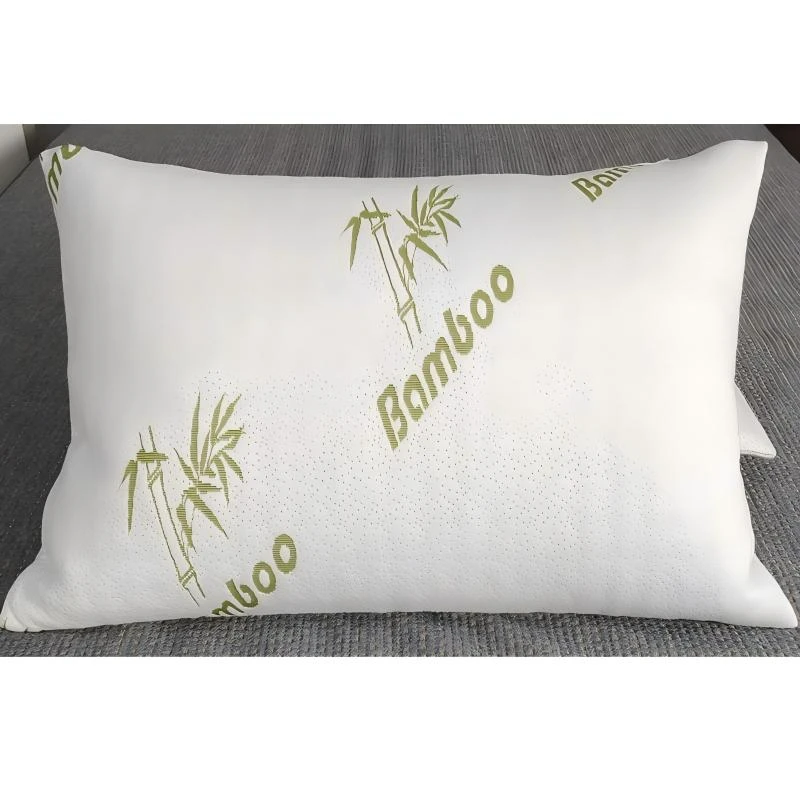
Our Latest News
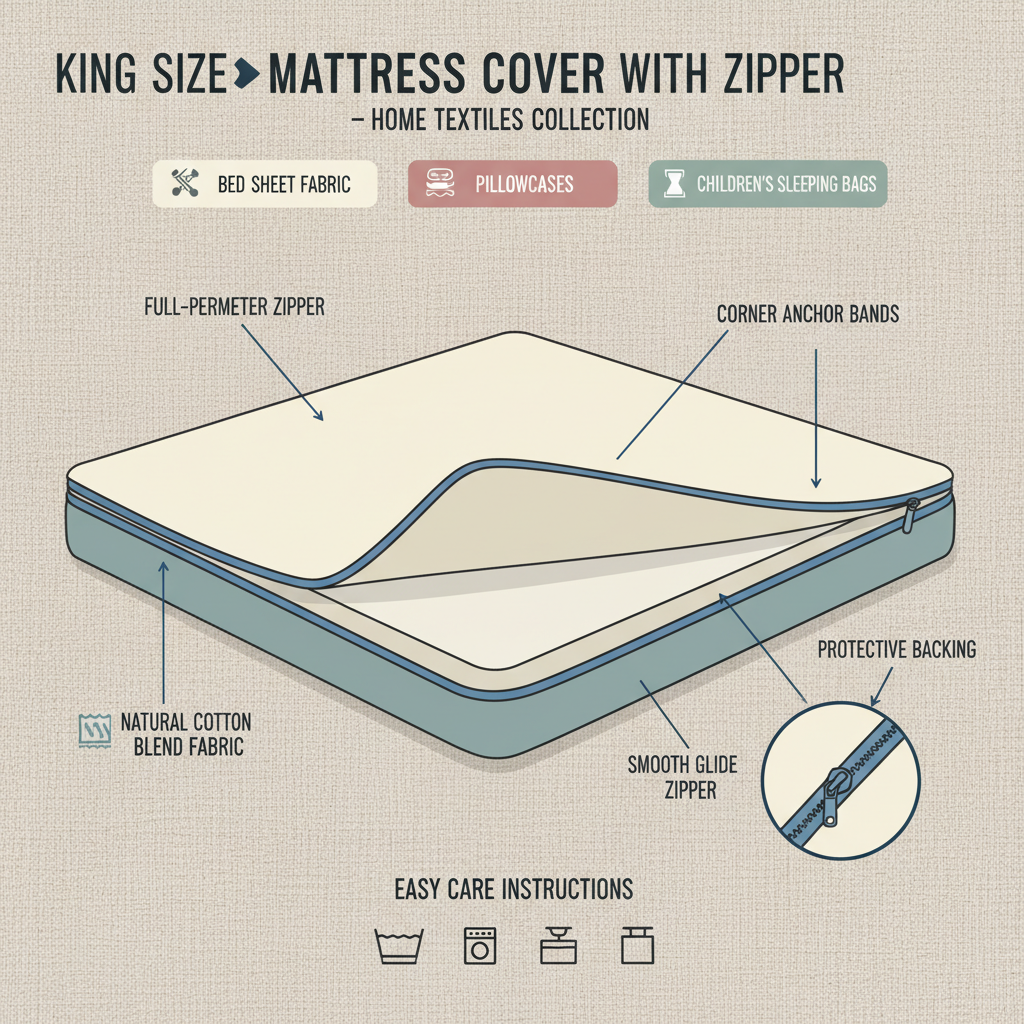
Apr 16,2026
Best King Size Mattress Cover with Zipper for Complete Protection
Investing in a high-quality mattress is only the first step toward a perfect night's sleep. To protect that investment from spills, allergens, and general wear and tear, a king size mattress cover with zipper is an essential accessory. Unlike fitted sheets or simple toppers, a zippered encasement provides 360-degree protection, ensuring that your mattress remains pristine and hygienic for years to come. Whether you are battling dust mites or simply want to keep your bed fresh, choosing the right cover can significantly enhance your sleep quality and longevity of your bedding.
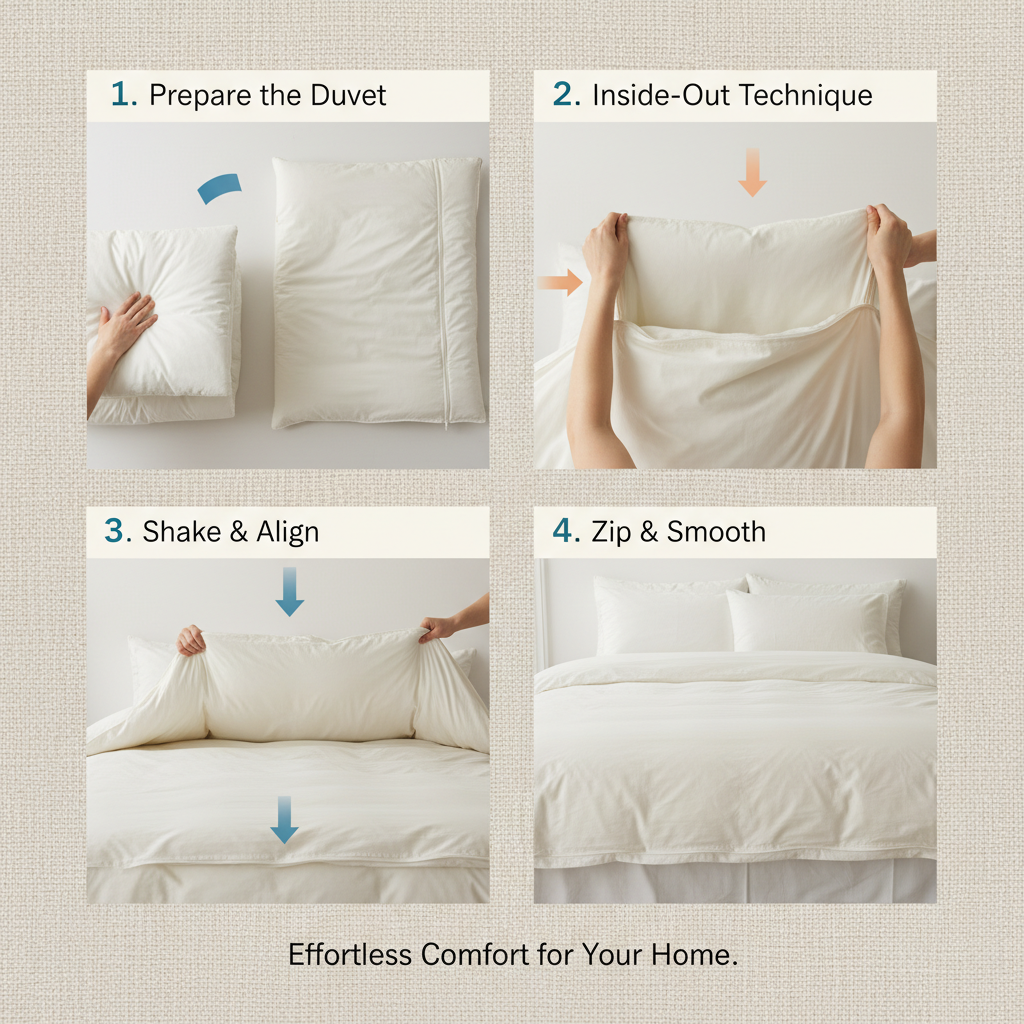
Apr 09,2026
Best Guide for Choosing King Size Bed Cover with Zip Protection
Maintaining a pristine sleeping environment is essential for both hygiene and long-term mattress durability. A high-quality king size bed cover with zip provides a comprehensive shield against dust mites, allergens, and accidental spills. Unlike standard fitted sheets, a zipped encasement fully envelops the mattress, ensuring that nothing penetrates the fabric. Whether you are dealing with allergies or simply want to extend the life of your expensive king-size mattress, choosing the right protective cover is a game-changer for your bedroom health. In this guide, we will explore the technical advantages, materials, and key considerations for selecting the perfect enclosure for your bed.
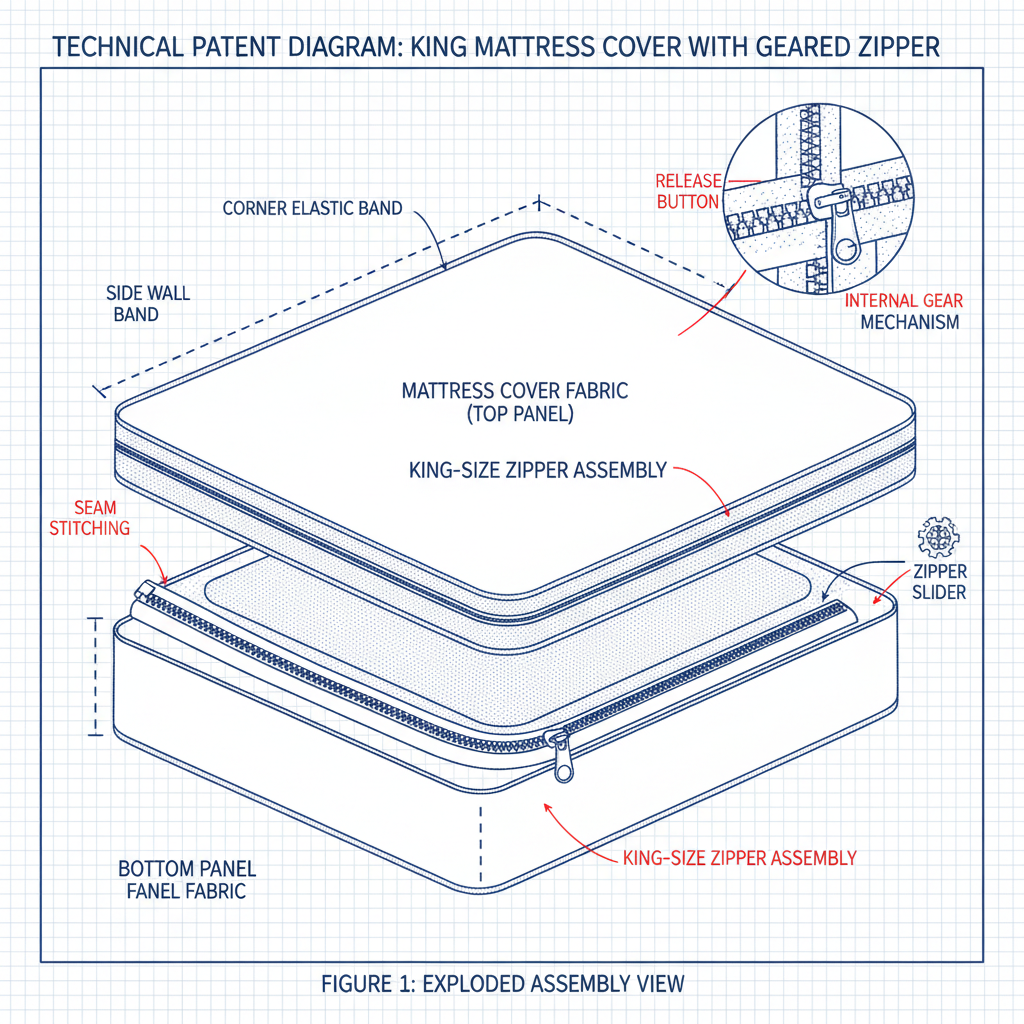
Apr 07,2026
Comprehensive Guide to Choosing the Best King Mattress Cover with Zipper for Optimal Protection
Protecting your mattress is crucial for hygiene, longevity, and comfort. A king mattress cover with zipper offers a comprehensive solution, shielding against dust mites, allergens, spills, and wear and tear. This article delves into the benefits of using a zippered king mattress cover, key features to look for, materials, and how to choose the best one for your needs. Investing in a quality mattress protector is an investment in your health and the lifespan of your mattress.


Address
1010, ZHONGYUAN BUILDING, NO.368 NORTH YOUYI STREET. SHIJIAZHUANG,HEBEI,CHINA.


