



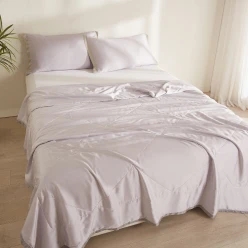


Understanding Plain Bed Sheets Cotton: The Unsung Hero of Comfort and Sustainability
Plain bed sheets cotton are deceptively simple — just cotton fabric, woven with no fancy patterns, often in standard white or soft pastels. Yet their significance goes far beyond aesthetics or even softness. In a world increasingly attuned to sustainability, comfort, and practicality, having reliable, natural cotton plain bed sheets can mean the difference between restless nights and restorative sleep. Plus, they impact industries ranging from hospitality to humanitarian relief, driving meaningful global effects if you stop to think about it.
Why Plain Bed Sheets Cotton Matters Globally
Globally, the cotton sector supports millions of livelihoods, particularly in developing countries. According to the International Cotton Advisory Committee (ICAC), over 25 million farmers rely directly on cotton production worldwide. Basic cotton products like plain bed sheets form a significant part of the textile value chain, especially in hospitality, institutional settings, and even emergency response scenarios. These sheets—due to their simplicity, breathability, and cost-effectiveness—are staples in hotels, hospitals, and refugee camps alike.
Though cotton farming poses environmental challenges, innovations in sustainable cotton cultivation (e.g., Better Cotton Initiative) are helping reduce water use and pesticide dependency. Adopting plain cotton bed sheets, therefore, aligns with global pushes toward eco-friendly textiles.
But the problem? Many cheap-looking sheets flood the market, often made from low-grade cotton or blends that compromise durability and comfort. Understanding the particular merits of genuine plain cotton sheets helps both consumers and organizations make informed choices, balancing cost, quality, and sustainability.
What Are Plain Bed Sheets Cotton?
In simple terms, plain bed sheets cotton are sheets made from 100% cotton fibers woven without printed designs, patterns, or embellishments. They usually employ a plain weave structure, giving them a smooth, uniform surface. This simplicity is precisely their charm and utility. Cotton’s natural breathability regulates temperature and moisture, making these sheets ideal for all seasons.
Further, they're a cornerstone for industries that rely on hygienic, durable linens: hospitals value them for easy laundering, hotels appreciate their neutrality and softness, while aid organizations use them for rapid, scalable bedding solutions during crises.
Core Components and Key Aspects of Plain Bed Sheets Cotton
1. Fiber Quality
The quality of cotton fibers — whether long-staple or short-staple — directly influences softness, strength, and lifespan. Long-staple cotton, like Egyptian or Pima, produces softer, more durable sheets. This elevates plain sheets beyond utilitarian to luxurious, albeit at a higher price point.
2. Weave and Thread Count
Though these sheets are “plain,” the weave density (thread count) also matters. Typically between 200 to 400 thread count for cotton plain sheets strikes a balance: breathable yet tightly woven enough to resist wear. Higher counts might feel smoother but can trap heat.
3. Durability
Durability is critical, especially in commercial use. Plain cotton sheets withstand frequent washing cycles better than blends or synthetic fabrics, making them economically viable over time. This resilience increases their appeal for hotels, hospitals, and dormitories.
4. Sustainability
Plain cotton sheets have a smaller environmental footprint compared to synthetic alternatives when sourced responsibly. Cotton biodegrades naturally and, with organic or Better Cotton certification, minimizes pesticide use and water consumption.
5. Cost Efficiency
They’re affordable to produce and buy relative to more complex textile products. This cost-effectiveness is a boon for bulk buyers seeking standardized, quality bedding that performs reliably. Prices fluctuate depending on cotton quality, but fundamentally, plain sheets offer exceptional value.
Product Specifications of Typical Plain Bed Sheets Cotton
| Specification | Detail |
|---|---|
| Material | 100% Cotton, preferably long-staple |
| Weave | Plain weave |
| Thread Count | 200-400 |
| Weight per square meter (GSM) | 120-150 GSM |
| Color | White, off-white, or soft pastels |
| Care Instructions | Machine wash warm, tumble dry low, avoid bleach |
Global Applications and Real-World Use Cases
In practical terms, plain cotton bed sheets find homes everywhere—from luxury hotels in Paris to refugee camps in Jordan. Oddly enough, this straightforward textile plays varied roles:
- Hospitality Sector: Hotels rely on plain cotton sheets for guest comfort and ease of cleaning. The neutral white or gentle hues convey cleanliness and professionalism.
- Healthcare: Hospitals prefer plain cotton due to its hypoallergenic properties and resilience to frequent sterilization processes.
- Post-Disaster Relief: Aid groups use plain cotton sheets when setting up emergency shelters—they’re inexpensive, lightweight, and breathable, critical for comfort in chaos.
- Educational Dormitories: Schools and universities across continents stock plain bed sheets in bulk for ease of replacement and uniformity.
- Remote Industrial Zones: Mining camps and offshore platforms appreciate plain cotton for its durability under challenging conditions.
For example, after the 2015 Nepal earthquake, NGOs distributed thousands of plain cotton sheets to temporary shelters. The sheets' simple design allowed for rapid production and shipment, while the cotton fabric ensured better comfort for displaced families enduring harsh conditions.
Advantages and Long-Term Value of Plain Cotton Bed Sheets
Honestly, it’s a rare case where “plain” outperforms styled or synthetic alternatives consistently. Here’s why:
- Cost-Effective Longevity: Durable cotton sheets reduce replacement costs, a big win for institutions.
- Sustainability: Cotton is renewable and biodegradable, unlike polyester sheets that linger in landfills.
- Health Benefits: Natural cotton avoids synthetic chemicals, reducing allergic reactions.
- Emotional Comfort & Trust: There’s dignity in resting under clean, natural fabric — especially after trauma or illness.
- Easy Maintenance: Plain cotton’s straightforward structure tolerates detergents and high-temperature washes.
These advantages compound to foster better rest and recovery in myriad settings—which, frankly, benefits everyone.
Future Trends and Innovations in Plain Bed Sheets Cotton
Looking ahead, plain cotton sheets are poised for subtle but meaningful innovations:
- Sustainable Cotton Certifications: Programs like Organic and Fair Trade Cotton are expanding, improving environmental and social footprints.
- Digital Textile Printing: While plain sheets imply no prints, emerging digital weaving tech promises more customizable weaves at scale, still maintaining simplicity.
- Smart Fabrics: Though currently niche, integrating moisture-wicking or antimicrobial treatments into plain cotton sheets could revolutionize hospital and athletic uses.
- Automation: Robotics in textile production is making high-quality, affordable cotton sheets faster and more consistent.
- Waterless Dyeing: Even plain-colored sheets will benefit from low-impact dye technologies, reducing waste and carbon.
Challenges and Solutions
Plain cotton sheets aren’t perfect. Challenges include:
- Environmental Impact of Cotton Farming: Yet organic and Better Cotton initiatives are mitigating this problem.
- Cost Fluctuations: Cotton prices can spike due to weather or geopolitical tension. Vendors diversify sourcing or use long-term contracts to stabilize costs.
- Wear and Tear: Repeated laundering can still degrade cotton fibers. Utilizing higher thread counts and better-quality fiber help counter that.
- Counterfeits on the Market: Many low-quality blends get passed off as cotton. Purchasing from certified suppliers ensures authenticity.
Vendor Comparison Table: Top Plain Bed Sheets Cotton Suppliers
| Vendor | Origin | Certification | Price Range | MOQ |
|---|---|---|---|---|
| Cotton Comfort Co. | India | Better Cotton Initiative | $$ | 500 units |
| EcoTex Supplies | Turkey | Organic Cotton | $$$ | 200 units |
| Global Linen Inc. | USA | Standard Cotton | $ | 1000 units |
FAQ: Common Questions About Plain Bed Sheets Cotton
- What makes plain bed sheets cotton better than blended fabrics?
- Cotton offers superior breathability, natural hypoallergenic properties, and better durability under frequent washing. Blends might feel softer initially but often degrade faster and trap heat, compromising comfort over time.
- How can I tell if my plain cotton sheets are genuine?
- Look for certifications like OEKO-TEX or Better Cotton Initiative labels. Authentic cotton sheets tend to feel breathable and slightly textured, whereas synthetics feel slippery. Also, purchase from reputable suppliers to avoid counterfeits.
- Are plain cotton sheets sustainable despite water use concerns?
- When sourced from programs like organic farms or the Better Cotton Initiative, cotton production uses reduced water and pesticides, making plain cotton sheets more sustainable compared to polyester or blends derived from fossil fuels.
- How long do plain cotton sheets typically last?
- With proper care, high-quality plain cotton sheets last 3–5 years even under heavy use. Their durability depends on fiber quality, thread count, and washing methods.
- Can I customize plain cotton sheets for bulk orders?
- Yes, many suppliers can offer customization in size, hem stitching, or limited color options while maintaining the plain aesthetic, perfect for hotels or hospital procurement.
In Conclusion
Plain bed sheets cotton might not grab headlines, but they represent a quietly essential product that blends comfort, sustainability, and utility in equal measure. Whether you’re outfitting a boutique hotel or sending relief aid, investing in quality plain cotton sheets pays dividends for health, morale, and the environment.
Curious to explore superior cotton fabrics for your needs? Visit plain bed sheets cotton vendor listings and discover the blend of tradition and innovation at your fingertips.
Mini Takeaways
- Plain cotton sheets offer unmatched breathability and comfort.
- They play crucial roles across hospitality, healthcare, and humanitarian assistance.
- Choosing quality, certified cotton helps promote sustainable agriculture.
- Innovation in production and materials is enhancing their future potential.
Oddly enough, the simplest sheets often have the biggest stories behind them.

Related Products
Our Latest News
Apr 16,2026
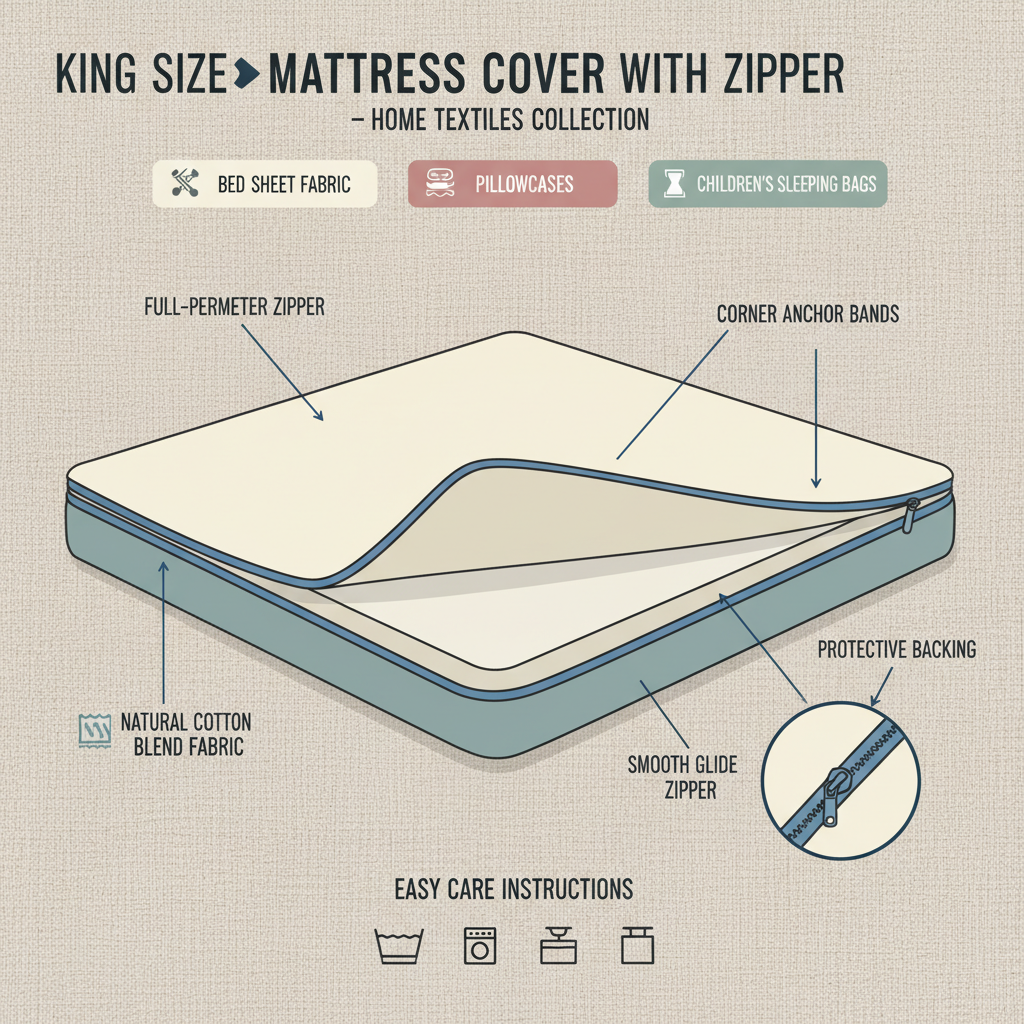
Best King Size Mattress Cover with Zipper for Complete Protection
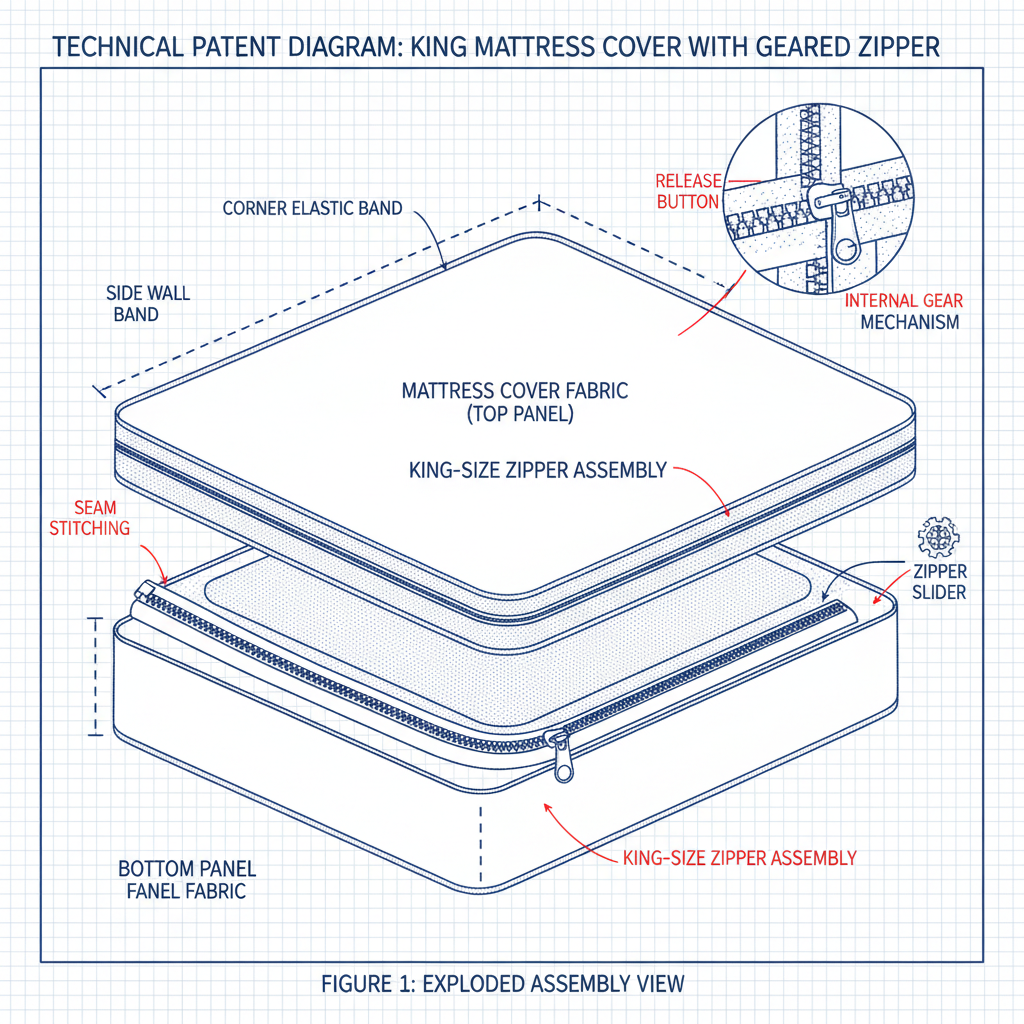
Investing in a high-quality mattress is only the first step toward a perfect night's sleep. To protect that investment from spills, allergens, and general wear and tear, a king size mattress cover with zipper is an essential accessory. Unlike fitted sheets or simple toppers, a zippered encasement provides 360-degree protection, ensuring that your mattress remains pristine and hygienic for years to come. Whether you are battling dust mites or simply want to keep your bed fresh, choosing the right cover can significantly enhance your sleep quality and longevity of your bedding.
Apr 09,2026
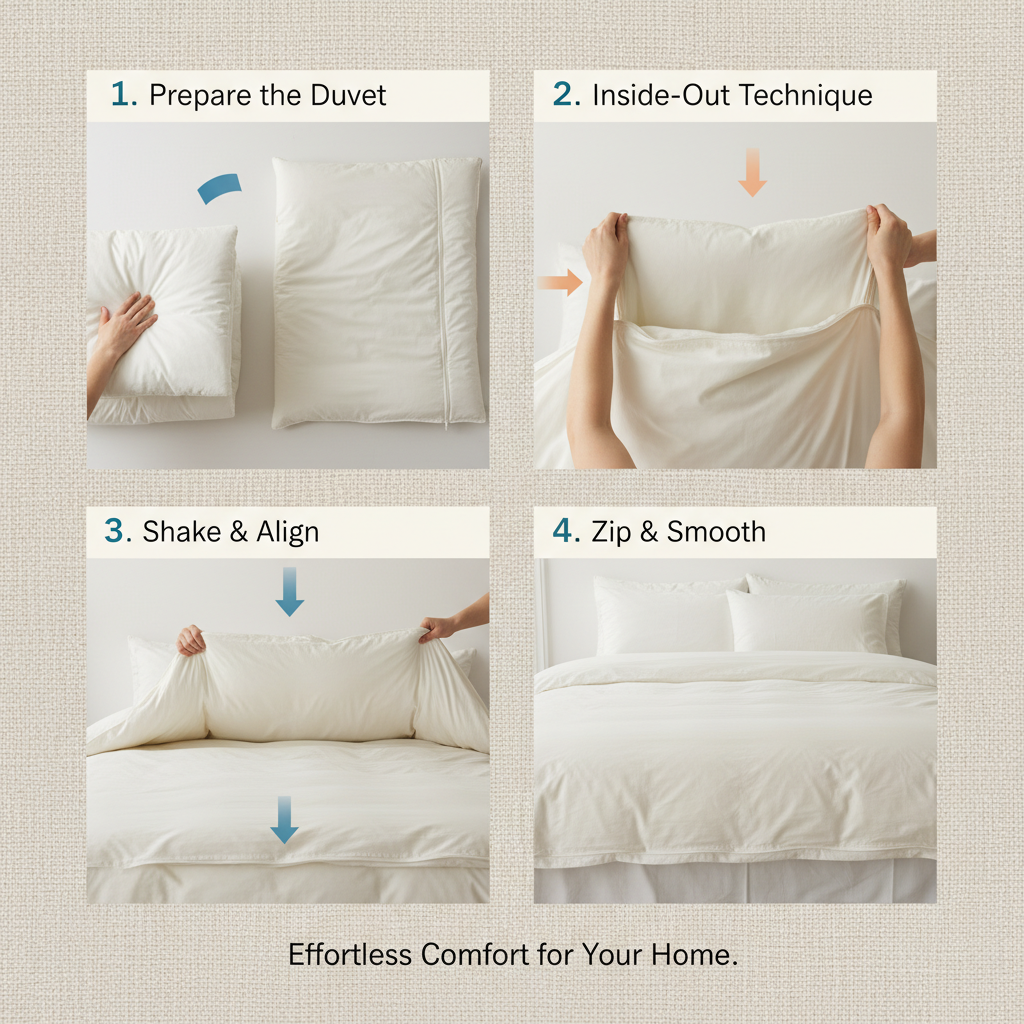
Best Guide for Choosing King Size Bed Cover with Zip Protection
Maintaining a pristine sleeping environment is essential for both hygiene and long-term mattress durability. A high-quality king size bed cover with zip provides a comprehensive shield against dust mites, allergens, and accidental spills. Unlike standard fitted sheets, a zipped encasement fully envelops the mattress, ensuring that nothing penetrates the fabric. Whether you are dealing with allergies or simply want to extend the life of your expensive king-size mattress, choosing the right protective cover is a game-changer for your bedroom health. In this guide, we will explore the technical advantages, materials, and key considerations for selecting the perfect enclosure for your bed.
Apr 07,2026
Comprehensive Guide to Choosing the Best King Mattress Cover with Zipper for Optimal Protection
Protecting your mattress is crucial for hygiene, longevity, and comfort. A king mattress cover with zipper offers a comprehensive solution, shielding against dust mites, allergens, spills, and wear and tear. This article delves into the benefits of using a zippered king mattress cover, key features to look for, materials, and how to choose the best one for your needs. Investing in a quality mattress protector is an investment in your health and the lifespan of your mattress.


Address
1010, ZHONGYUAN BUILDING, NO.368 NORTH YOUYI STREET. SHIJIAZHUANG,HEBEI,CHINA.


