





Why the Mattress Protector Zipper Matters: A Global Perspective
If you’ve ever wrestled with a stubborn zipper on a mattress protector, you’re not alone. But beyond minor household annoyances, the mattress protector zipper plays a surprisingly pivotal role, especially as mattress protectors have become essential worldwide—not only for hygiene but also for health and comfort across diverse living conditions. They’re vital in hospitals, hotels, and increasingly in humanitarian aid efforts where bedding needs to be kept sanitary under challenging conditions. Understanding this small but significant feature sheds light on global efforts to safeguard health, sustainability, and dignity.
Introduction: Mattress Protector Zippers in a Global Context
Did you know that according to the World Health Organization, hospital-acquired infections affect millions each year? This has accelerated the adoption of mattress protectors, which rely heavily on the efficiency of their zippers for protection and usability. Globally, mattress protectors are often disposable or washable to curb infection risks, but what actually seals the deal is the zipper — it ensures an airtight, dustproof, and waterproof barrier.
The challenge? Many regions, especially in developing countries or remote areas, face difficulties sourcing high-quality mattress protector zippers that don’t snag or break after washing. This leads to early wear, product failure, and ultimately, compromised hygiene.
So why does this little component garner such global attention? Because it represents a fundamental component of health infrastructure and quality of life.
Defining the Mattress Protector Zipper
Simply put, a mattress protector zipper is the fastening device integrated into mattress covers to secure them tightly around mattresses. Unlike regular zippers, these need to be waterproof, durable against frequent washing, hypoallergenic, and sometimes even noise-reducing to enhance sleeping comfort.
These zippers have evolved from basic metal teeth designs to more advanced nylon coil or silicone-coated zippers that withstand moisture and microbial attack — a necessity especially in healthcare, hospitality, and humanitarian sleeping solutions. They’re interesting because they merge textile technology with practical hygiene needs.
Key Aspects of Mattress Protector Zippers
1. Durability
This is probably the number one factor. Mattress protector zippers have to endure hundreds, sometimes thousands, of wash cycles without breaking or deforming.
2. Water Resistance
Often concealed under a fabric flap, these zippers prevent moisture from seeping in, stopping allergens, dust mites, and spills from penetrating the mattress.
3. Comfort and Noise Reduction
Oddly enough, some zippers make a crinkly noise that’s distracting at night. Manufacturers use special plastic teeth and fabric flaps to minimize this.
4. Hygiene and Antimicrobial Properties
With growing concerns over pathogens, many zippers are treated with antimicrobial coatings or made from materials less prone to bacterial growth.
5. Ease of Use & Repairability
The zipper mechanism must be intuitive for quick mattress protector changes; some designs even allow partial opening for easy access.
Mini takeaway: When selecting or producing mattress protector zippers, balancing durability, hygiene, and comfort is key to meeting worldwide health and lifestyle needs.
Technical Specifications: Popular Mattress Protector Zippers
| Spec | Standard Zipper | Waterproof Nylon Coil | Silicone-coated Zipper |
|---|---|---|---|
| Material | Metal Teeth + Polyester Tape | Nylon Coil + Polyester Tape | Nylon Coil + Silicone Coating |
| Water Resistance | Low | Medium | High |
| Lifespan (wash cycles) | ~100 | ~300 | ~500+ |
| Noise level | Moderate | Low | Very Low |
| Antimicrobial Treatment | Optional | Available | Standard |
Global Applications and Use Cases of Mattress Protector Zippers
From bustling hospitals in Europe to disaster relief camps in Southeast Asia, mattress protector zippers are everywhere, playing a quiet but essential role. For instance, following the 2010 Haiti earthquake, medical aid organizations emphasized the importance of hygienic bedding, often choosing mattress protectors with durable zipper mechanisms to help limit infection spread. Likewise, many hotels in North America and Europe demand zippers that handle frequent laundering without failure, preserving guest comfort.
Industrial zones in remote regions, like mining sites in Australia and Canada, rely on mattress protectors with zippers that withstand harsh outdoor elements and frequent cleaning cycles. In humanitarian work, zippered protectors enhance dignity, allowing people in refugee camps or transitional housing to keep their beds clean despite difficult conditions.
Vendor Comparison: Choosing the Right Mattress Protector Zipper Supplier
| Vendor | Material Options | Lead Time | MOQ (Minimum Order Quantity) | Customization | Price Range |
|---|---|---|---|---|---|
| ZipCo Global | Metal & Nylon, antimicrobial | 3-4 weeks | 500 pairs | Color & length | $$ |
| SafeZipTech | Silicone-coated, waterproof | 4-6 weeks | 1000 pairs | Custom waterproofing | $$$ |
| EcoZippers Ltd. | Recycled nylon, antimicrobial | 5 weeks | 250 pairs | Eco-friendly dyes | $$ |
Advantages and Long-term Value of Quality Mattress Protector Zippers
- Cost efficiency: Durable zippers reduce replacement frequency and maintenance.
- Health benefits: Provide an effective barrier against allergens and pathogens.
- Environmental impact: Reusable protectors with sturdy zippers minimize waste.
- Emotional well-being: Knowing your bed is clean promotes peace of mind and better sleep.
Frankly, investing in reliable mattress protector zippers means fewer headaches over torn protectors or infection risks down the line. Trust gets built around these tiny engineering marvels that blend seamlessly into daily life.
Future Trends and Innovations
Looking forward, the mattress protector zipper market is embracing sustainability and tech integration. We’re seeing zippers made from biodegradable materials and embedded with smart antimicrobial coatings activated by light or temperature. There’s also rising interest in automated zippers that can open or close with a gentle tap or via smartphone app — perfect for those with limited mobility.
Industry insiders predict a growth in “green” standards, with certifications similar to ISO hygiene standards becoming commonplace, encouraging more transparent sourcing and manufacturing practices.
Challenges and Expert Solutions
Despite these advances, challenges persist: moisture can corrode zippers if not properly sealed, and cheaper imports often compromise durability. Manufacturers combat this by rigorously testing zipper samples for wash resistance and chemical exposure before mass production. Customer feedback loops have become crucial, too, to catch usability issues early.
I noticed that many suppliers offer extended warranties, and some provide modular zipper replacements, so you don’t have to toss the whole mattress protector for one broken zipper. Clever, huh?
FAQ: Frequently Asked Questions About Mattress Protector Zipper
- How do mattress protector zippers differ from regular clothing zippers?
- They’re designed for water resistance, antimicrobial properties, and to withstand repeated washing cycles, which regular zippers often can't handle.
- Can I replace a broken zipper on my mattress protector?
- Yes, some protectors use modular zipper systems that allow replacement. Otherwise, professional repair or buying a new protector might be necessary.
- Are waterproof zippers noisy at night?
- High-quality zippers are engineered with soft fabric flaps and special teeth to minimize noise but cheap versions may be crinkly.
- Why is antimicrobial treatment important for mattress protector zippers?
- It prevents bacteria and mold growth on the zipper itself, which is especially important in healthcare and humid environments.
- Where can I find durable mattress protector zippers?
- Reputable suppliers like those listed above offer durable options with customization, or visit mattress protector zipper specialists online for tailored products.
Conclusion: Protecting Sleep, One Zipper at a Time
To sum it up, the humble mattress protector zipper is a linchpin in health, hygiene, and comfort worldwide. Its design and quality impact everything from hospital infection control to everyday home life. So next time you zip up your mattress protector, take a moment to appreciate the quiet technology keeping your sleep safe.
For those looking to upgrade or customize their mattress protectors, check out the highest quality choices at mattress protector zipper resources online — because good sleep starts with good protection.
Thanks for reading—sleep tight!
References

Related Products
Our Latest News
Apr 16,2026
Best King Size Mattress Cover with Zipper for Complete Protection
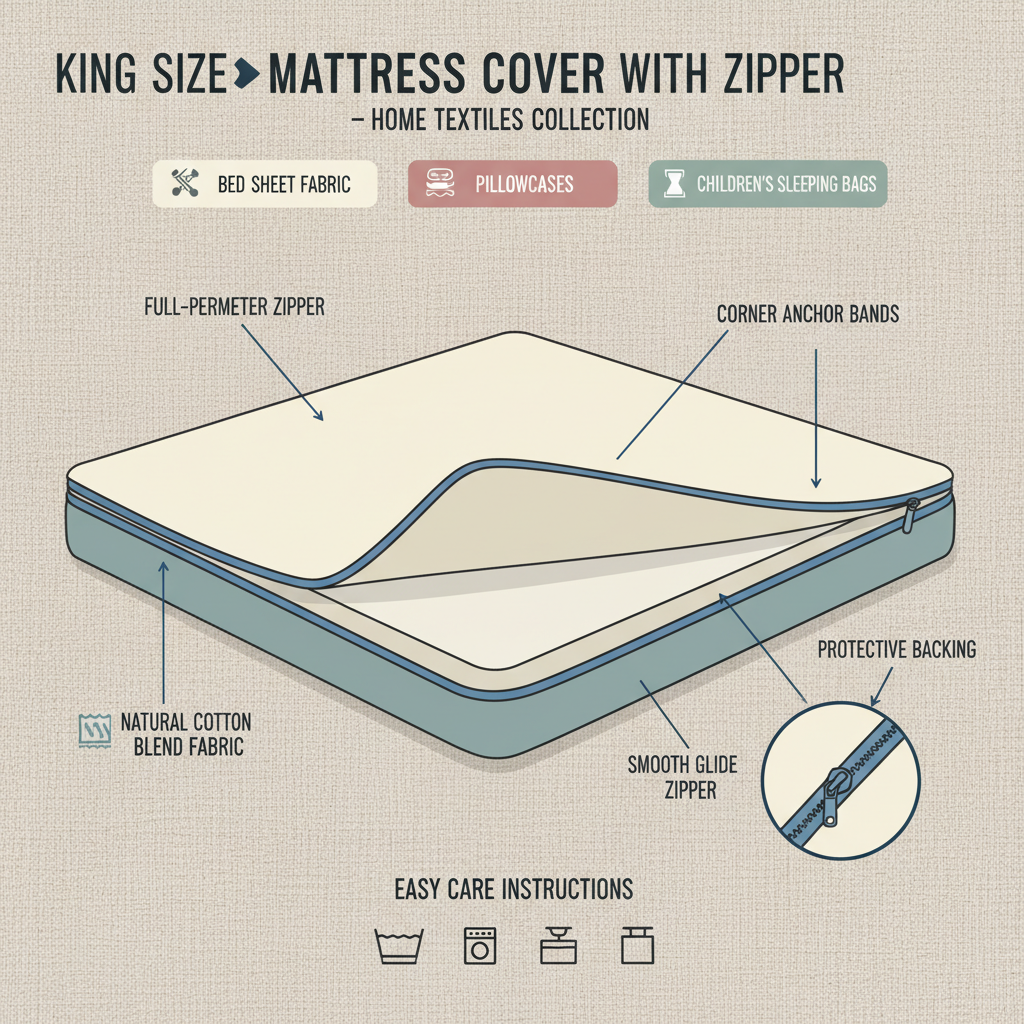
Investing in a high-quality mattress is only the first step toward a perfect night's sleep. To protect that investment from spills, allergens, and general wear and tear, a king size mattress cover with zipper is an essential accessory. Unlike fitted sheets or simple toppers, a zippered encasement provides 360-degree protection, ensuring that your mattress remains pristine and hygienic for years to come. Whether you are battling dust mites or simply want to keep your bed fresh, choosing the right cover can significantly enhance your sleep quality and longevity of your bedding.
Apr 09,2026
Best Guide for Choosing King Size Bed Cover with Zip Protection
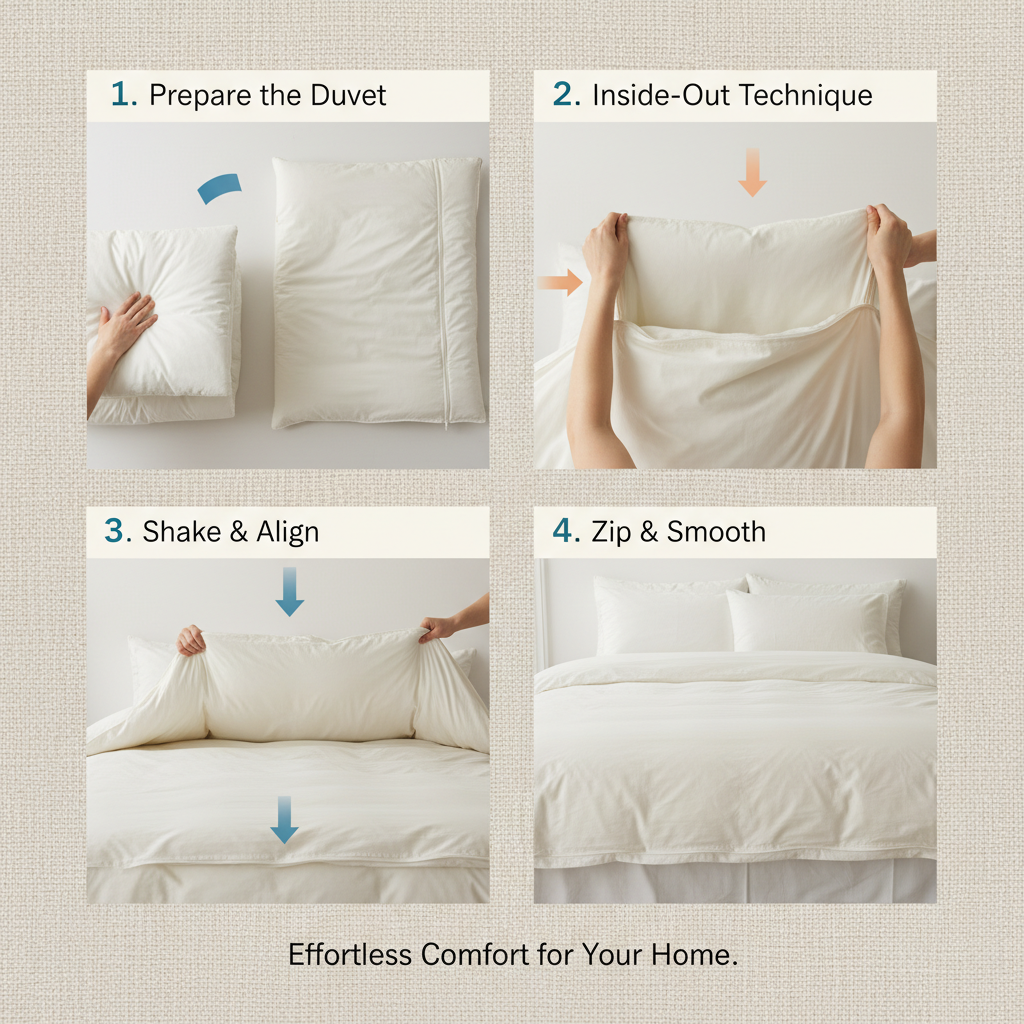
Maintaining a pristine sleeping environment is essential for both hygiene and long-term mattress durability. A high-quality king size bed cover with zip provides a comprehensive shield against dust mites, allergens, and accidental spills. Unlike standard fitted sheets, a zipped encasement fully envelops the mattress, ensuring that nothing penetrates the fabric. Whether you are dealing with allergies or simply want to extend the life of your expensive king-size mattress, choosing the right protective cover is a game-changer for your bedroom health. In this guide, we will explore the technical advantages, materials, and key considerations for selecting the perfect enclosure for your bed.
Apr 07,2026
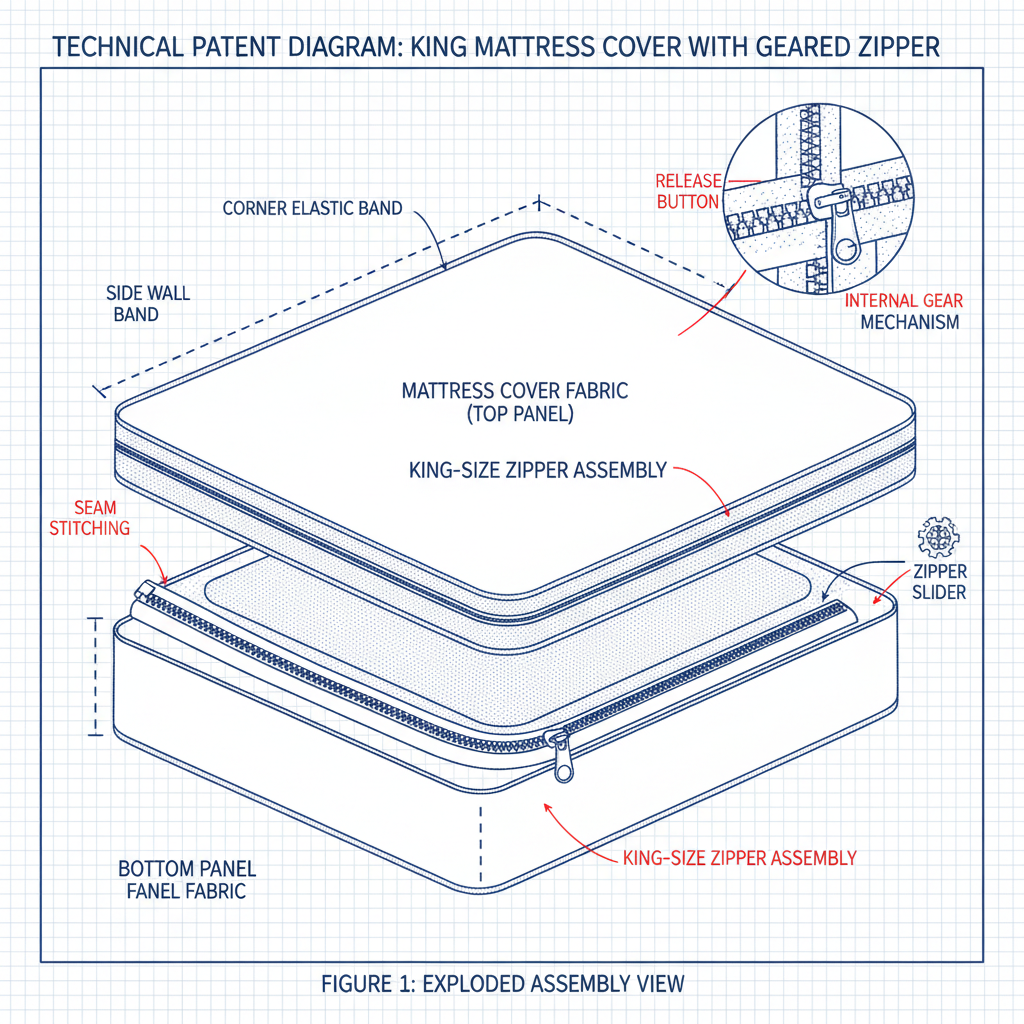
Comprehensive Guide to Choosing the Best King Mattress Cover with Zipper for Optimal Protection
Protecting your mattress is crucial for hygiene, longevity, and comfort. A king mattress cover with zipper offers a comprehensive solution, shielding against dust mites, allergens, spills, and wear and tear. This article delves into the benefits of using a zippered king mattress cover, key features to look for, materials, and how to choose the best one for your needs. Investing in a quality mattress protector is an investment in your health and the lifespan of your mattress.


Address
1010, ZHONGYUAN BUILDING, NO.368 NORTH YOUYI STREET. SHIJIAZHUANG,HEBEI,CHINA.


