



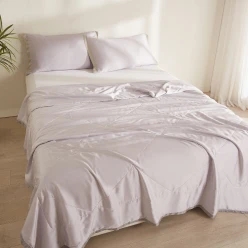


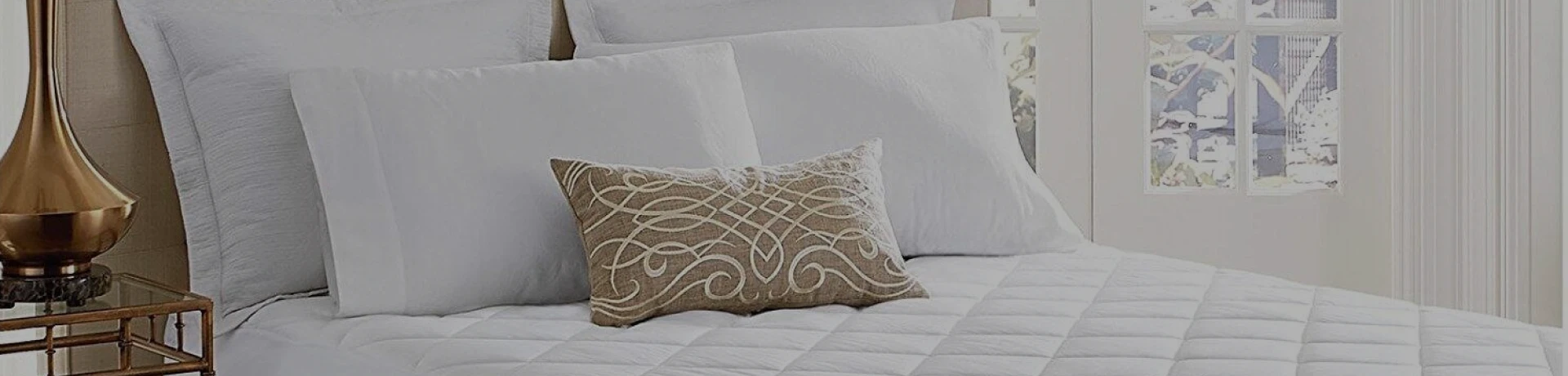
Linen Cotton Bed Sheets: Comfort Meets Sustainability in Bedding
At first glance, linen cotton bed sheets might just seem like another bedding option. Yet, these textiles often represent a quieter revolution in how we approach comfort, durability, and eco-friendliness on a global scale. From climate-conscious consumers seeking breathable, sustainable fabrics to humanitarian organizations providing dignity through bedding in relief scenarios, the topic is oddly relevant worldwide.
Understanding the blend of linen and cotton sheds light on material science, global textile trade, and even environmental pressures. Frankly, it’s fascinating why the marriage of these two fibers creates sheets that many homeowners and businesses swear by. Let’s dive in.
Global Context: Why Linen Cotton Bed Sheets Matter
The textile industry ranks among the largest global employers and environmental players. According to the United Nations Conference on Trade and Development (UNCTAD), textiles contribute about 10% of global carbon emissions. Against this backdrop, textiles that use natural fibers like linen and cotton—known for their renewable origins and lower environmental footprint—are increasingly important.
Moreover, climate change and fashion fast cycles create a demand for bedding that lasts longer and breathes easier, minimizing waste. Linen cotton bed sheets respond to this challenge by offering a fabric that’s durable, breathable, yet gentle.
Oddly enough, these two fibers combined bring more than softness — they address practical issues like temperature regulation, allergy sensitivity, and sustainability.
What Are Linen Cotton Bed Sheets?
Simply put, linen cotton bed sheets are woven textiles made from a blend of flax fibers (linen) and cotton fibers. Linen offers strength and a unique texture, while cotton contributes softness and versatility. Together, they produce bedding that’s breathable, somewhat crisp, and surprisingly durable over time.
This combination has historical roots in traditional European and Mediterranean textiles but has adapted well to modern industry demands. It’s a favorite in hospitality, luxury linens market, and increasingly in eco-conscious households. There’s also a humanitarian angle: because of its durability and faster drying time, this blend is practical for relief agencies delivering bedding in remote or humid environments.
Core Components and Key Factors
1. Durability
Linen fibers boast exceptional strength—stronger than cotton alone—which means linens last longer before wearing thin. Many users notice that these sheets soften with washing but don’t become threadbare fast.
2. Breathability and Moisture Wicking
Both linen and cotton have natural breathability, but linen’s hollow fibers excel at moisture wicking, making these bed sheets ideal for warm climates or those who tend to overheat at night.
3. Sustainability
Flax (linen) grows with fewer pesticides, less water, and requires less land than cotton cultivation, which is notable since cotton accounts for nearly 25% of insecticide use worldwide, per World Bank data. Blending the two softens the environmental impact.
4. Texture and Comfort
The sheets have a unique hand feel — a crispness that softens with use but never feels limp. For some, this texture provides a delightful tactile experience that pure cotton can’t replicate.
5. Hypoallergenic Properties
Natural fibers tend to be less irritating, making linen cotton blends good for people with sensitive skin or allergies.
Product Specifications: Typical Linen Cotton Bed Sheets
| Property | Typical Range | Notes |
|---|---|---|
| Fiber Composition | 50% Linen / 50% Cotton (common) | Ratios vary, can range 30/70 to 70/30 |
| Thread Count | 120 - 180 | Lower than typical cotton, but comfort differs |
| Weight | 120-160 GSM (grams per sqm) | Balances durability and breathability |
| Care Instructions | Machine washable, low to medium heat drying | Avoid bleach for longevity |
Global Vendors: Comparing Popular Linen Cotton Bed Sheet Suppliers
| Vendor | Fiber Blend | Price Range | Sustainability | Notable Features |
|---|---|---|---|---|
| EcoLoom Textiles (Europe) | 60% Linen / 40% Organic Cotton | $$$ | GOTS Certified Organic | Fair-trade sourcing, biodegradable packaging |
| LinenCotton Co. (USA) | 50% Linen / 50% Cotton | $$ | Sustainably grown fibers | Wide thread color options, custom sizes |
| NaturalWeave (Asia) | 70% Cotton / 30% Linen | $ | Some organic-certified products | Competitive price, bulk order discount |
Practical Applications Around the World
- Hospitality Industry: Boutique hotels prefer linen cotton blends for their durability and breathability, helping guests sleep comfortably regardless of season.
- Humanitarian Aid: NGOs delivering bedding in tropical climates often rely on these sheets because they dry faster after washing and reduce mold risk in humid shelters.
- Private Homes: Families interested in sustainability and natural bedding seek linen cotton sheets as a mid-point between pure linen (which can be stiff) and pure cotton (which may lack some durability).
One example worth mentioning: after a flood relief effort in Southeast Asia, aid groups provided linen cotton bed sheets to thousands of displaced families. The fast drying and durability helped maintain dignity and hygiene in challenging conditions.
Advantages and Long-Term Benefits
The benefits are multifaceted. For starters, linen cotton sheets often outlast standard cotton ones, meaning they don’t need replacing as often. This reduces textile waste—a real plus in the textile-heavy industry—and cost over time.
Emotionally, the crisp but soft feel imparts a sense of freshness and care that many people connect to wellbeing and self-care. You know the feeling of slipping into a bed with cool, breathable sheets on a hot night? That’s the linen cotton promise.
Socially, purchasing from certified sustainable producers supports fair labor and responsible farming practices, a factor more consumers are prioritizing (according to ISO environmental standards and consumer research).
Looking Ahead: Trends & Innovations
The future is greener. We’re seeing growing interest in hybrids that mix linen, cotton, and novel fibers like hemp for even tougher, more eco-friendly linens. Digital printing and low-impact dyes are reducing toxic runoff in production facilities.
Automation in spinning and weaving also allows for more consistent fabric quality, while blockchain tech is just starting to track fiber sourcing transparently.
Common Challenges and How to Tackle Them
- Cost: Linen cotton blends tend to be pricier than pure cotton sheets, which can put off budget buyers. Manufacturers are addressing this by optimizing blends and improving supply chains.
- Wrinkling: Linen’s natural texture can mean more wrinkles, which some find off-putting. However, newer blends and finishing techniques reduce this issue.
- Care instructions: Some consumers might find specific washing conditions cumbersome, but educating buyers on proper care can extend product life drastically.
FAQ: Linen Cotton Bed Sheets
- Are linen cotton bed sheets better than pure cotton?
- They offer a balance—more durability and breathability than cotton alone, with a unique texture. However, personal preference plays a big role.
- How should I care for linen cotton sheets?
- Machine wash cold or warm on gentle cycle; tumble dry low or line dry to preserve fibers and reduce wrinkles. Avoid bleach for color and fiber integrity.
- Can linen cotton sheets reduce night sweats?
- Yes, linen’s moisture-wicking and breathable nature helps keep sleepers cooler and drier, which can reduce night sweating.
- Are linen cotton sheets eco-friendly?
- Generally yes—linen requires fewer pesticides and less water than cotton alone. Blending reduces environmental impact, especially when sourced responsibly.
Conclusion
In real terms, linen cotton bed sheets stand at a crossroads of tradition, sustainability, and comfort. Their growing popularity reflects a broader shift towards mindful consumption and smarter textiles that meet modern needs without costing the earth.
If you’re seeking bedding that marries durability, breathability, and eco-consciousness, these sheets deserve a spot in your linen closet. Curious to explore options? Feel free to visit our website and discover what’s possible.
Casual takeaway: Sometimes the best sleep comes from fibers that connect history, science, and sustainability in one comfy sheet.
References:

Related Products
Our Latest News
Apr 16,2026
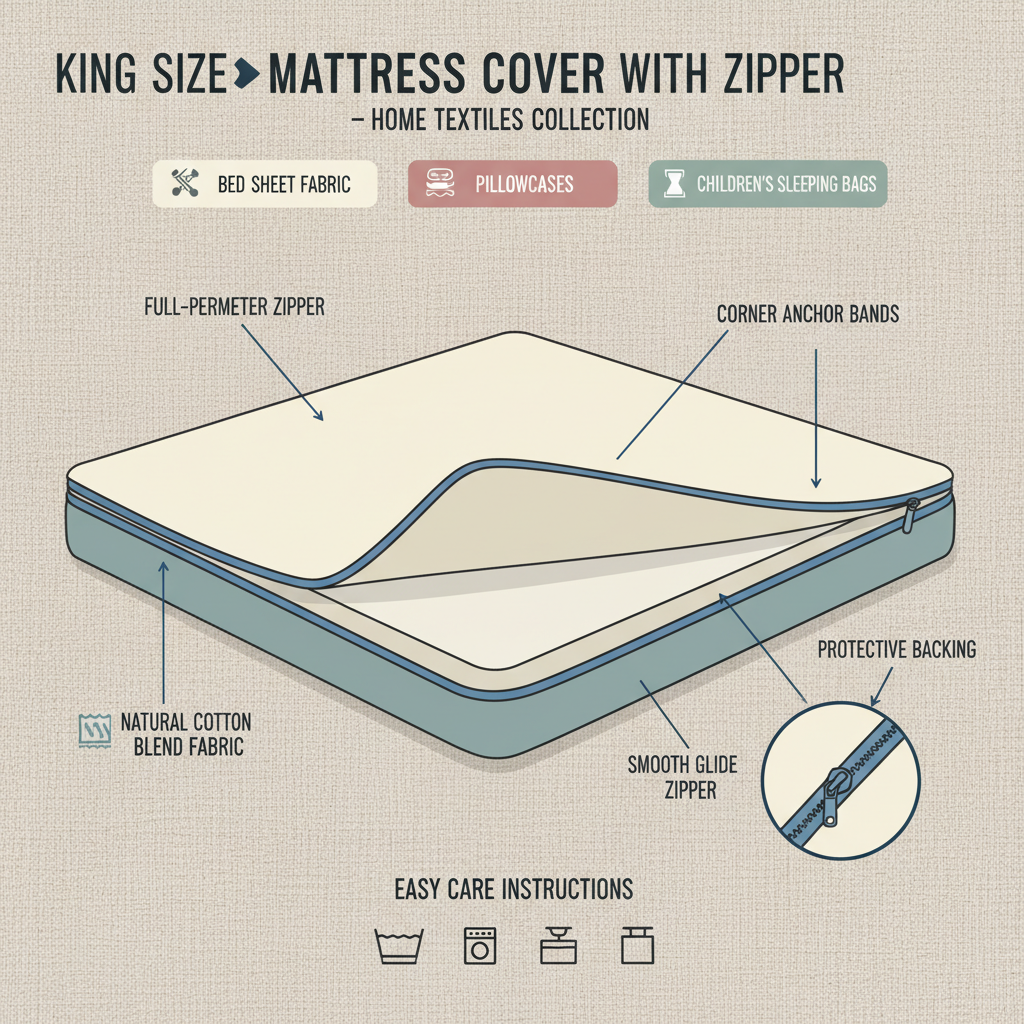
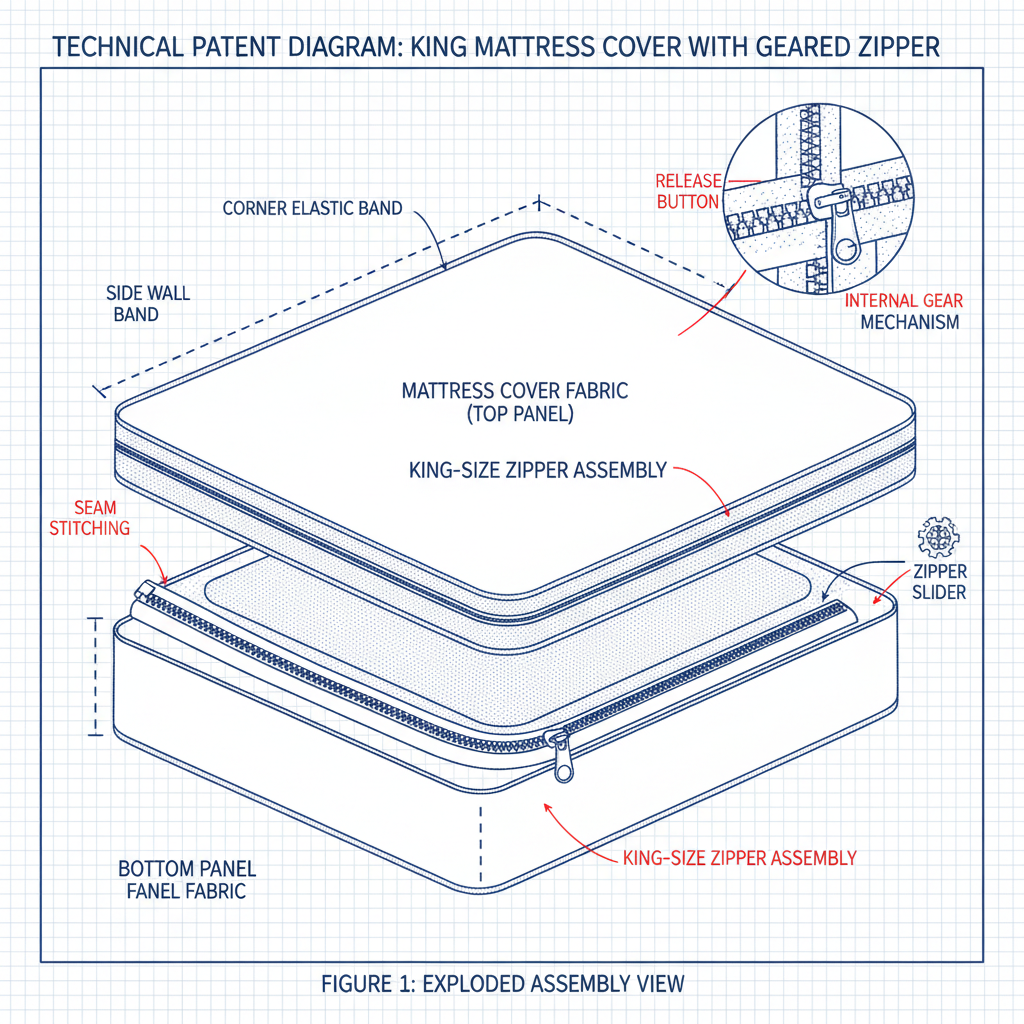
Best King Size Mattress Cover with Zipper for Complete Protection
Investing in a high-quality mattress is only the first step toward a perfect night's sleep. To protect that investment from spills, allergens, and general wear and tear, a king size mattress cover with zipper is an essential accessory. Unlike fitted sheets or simple toppers, a zippered encasement provides 360-degree protection, ensuring that your mattress remains pristine and hygienic for years to come. Whether you are battling dust mites or simply want to keep your bed fresh, choosing the right cover can significantly enhance your sleep quality and longevity of your bedding.
Apr 09,2026
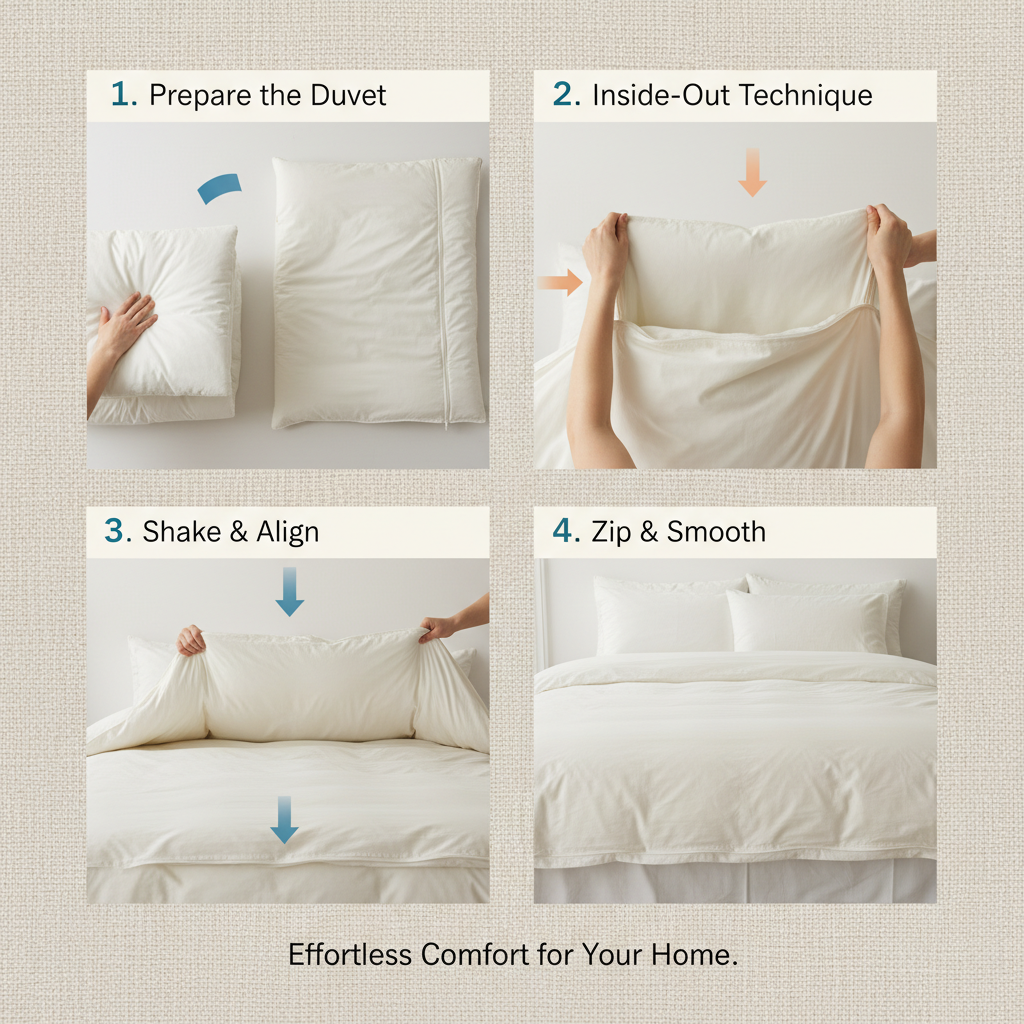
Best Guide for Choosing King Size Bed Cover with Zip Protection
Maintaining a pristine sleeping environment is essential for both hygiene and long-term mattress durability. A high-quality king size bed cover with zip provides a comprehensive shield against dust mites, allergens, and accidental spills. Unlike standard fitted sheets, a zipped encasement fully envelops the mattress, ensuring that nothing penetrates the fabric. Whether you are dealing with allergies or simply want to extend the life of your expensive king-size mattress, choosing the right protective cover is a game-changer for your bedroom health. In this guide, we will explore the technical advantages, materials, and key considerations for selecting the perfect enclosure for your bed.
Apr 07,2026
Comprehensive Guide to Choosing the Best King Mattress Cover with Zipper for Optimal Protection
Protecting your mattress is crucial for hygiene, longevity, and comfort. A king mattress cover with zipper offers a comprehensive solution, shielding against dust mites, allergens, spills, and wear and tear. This article delves into the benefits of using a zippered king mattress cover, key features to look for, materials, and how to choose the best one for your needs. Investing in a quality mattress protector is an investment in your health and the lifespan of your mattress.


Address
1010, ZHONGYUAN BUILDING, NO.368 NORTH YOUYI STREET. SHIJIAZHUANG,HEBEI,CHINA.


