





How to Choose a Mattress Protector: A Practical Guide
Having spent years around industrial equipment — and yes, beds and bedding in healthcare settings count as equipment in their own way — I’ve picked up a few nuggets about mattress protectors that might surprise you. Oddly enough, choosing a mattress protector isn’t just about picking a fabric and a size. There’s more science and engineering behind it than you might expect.
First off, mattress protectors serve multiple functions: they shield against fluids, dust mites, bacteria, and everyday wear-and-tear. This can be critical in both home and commercial settings. Frankly, you want something durable but breathable — the balance isn’t always easy to find. Some people assume any waterproof cover will do, but that’s not the case.
When you’re in the trenches — let’s say, in hospital maintenance or hospitality — the way a protector fits and performs under stress matters. I remember a time when a cheap vinyl protector made a bunch of guests sweat more than usual. Materials like polyurethane-coated fabrics have solved a lot of those comfort issues, letting skin breathe while blocking liquid intrusion.
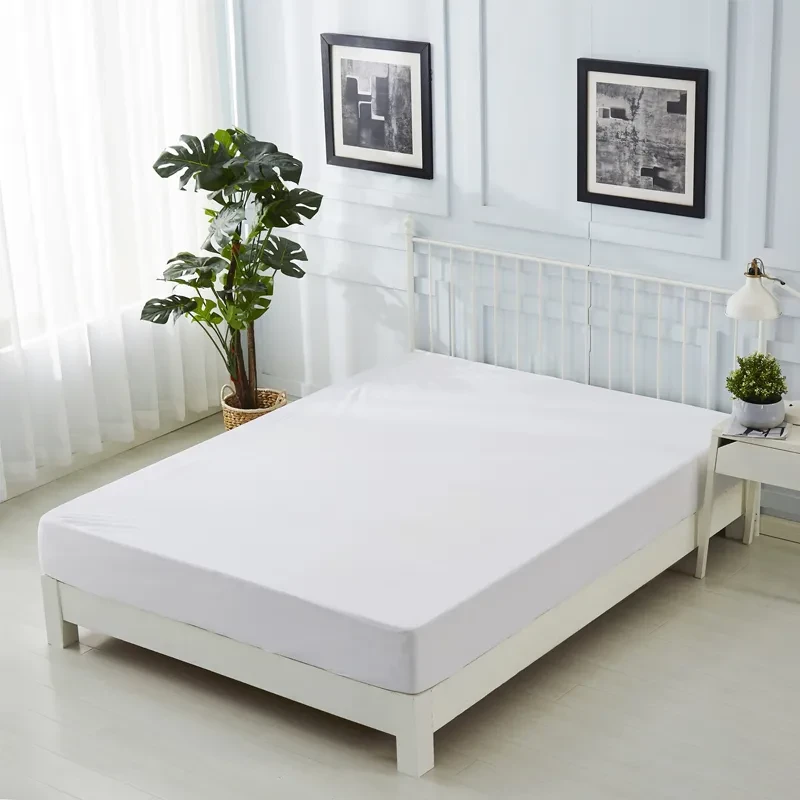
You can check out a solid example of a reliable mattress protector here. What I like about options like these is that they usually combine practical features and compliance with health standards. Which brings me to testing — standards like ASTM or BS 7177 fire resistance are often overlooked but important, especially in public environments.
Key Product Specifications to Consider
| Feature | Typical Values | Why It Matters |
|---|---|---|
| Material | 100% Cotton with Polyurethane Laminate | Soft yet waterproof barrier |
| Waterproof Rating | >10,000 mm hydrostatic pressure | Protects against spills, fluids |
| Allergen Barrier | Dust-mite proof, hypoallergenic | Improves hygiene and reduces allergies |
| Fit Type | Fitted sheet style with elastic corners | Keeps protector securely in place |
| Fire Retardancy | Complies with BS 7177 or equivalent | Safety compliance for public use |
Vendor Comparison: What to Look for When Selecting a Supplier
| Feature | Vendor A | Vendor B | Vendor C |
|---|---|---|---|
| Fabric Quality | Mid-weight cotton blend | 100% cotton, laminated | Polyester microfibre |
| Waterproof Barrier | Vinyl coated | Polyurethane laminate | Polyurethane laminate |
| Hypoallergenic | No | Yes | Yes |
| Fit Style | Zipper encasement | Fitted sheet style | Envelope style |
| Price Range | $20 - $35 | $35 - $50 | $30 - $45 |
Now, a little anecdote — one client of mine, who runs a modest care home, swore by mattress protectors with medical-grade waterproofing. She noticed significantly fewer mattress replacements over a two-year period compared to before she switched brands. It’s a detail that many overlook until it hits the bottom line.
In real terms, the best mattress protector is the one you don’t notice. It should silently do its job, keep your mattress safe, and not mess with comfort. That’s why it's worth spending a bit more time researching, trying samples, or reading reviews, especially if you are outfitting an entire facility or want to protect your own sleep space.
So yes, it’s a bit more involved than grabbing whatever’s on sale. And oddly enough, a good mattress protector might just be one of the most underestimated investments for better sleep health — plus, it can save money over time.
For anyone hunting for details or solutions, check out this mattress protector option I mentioned earlier here. You might be pleasantly surprised by the quality and specs.
Thanks for sticking with me through this somewhat unexpected deep dive. I suppose mattress protection is far from glamorous, but it definitely has its place in making life easier and cleaner.
Takeaway: Don’t just protect your mattress—invest in protecting your comfort and health.
- Healthcare Textiles Association – mattress protection standards
- ASTM International – waterproof textile testing methods
- Consumer Reports – mattress protector comfort reviews

Related Products
Our Latest News
Apr 16,2026
Best King Size Mattress Cover with Zipper for Complete Protection
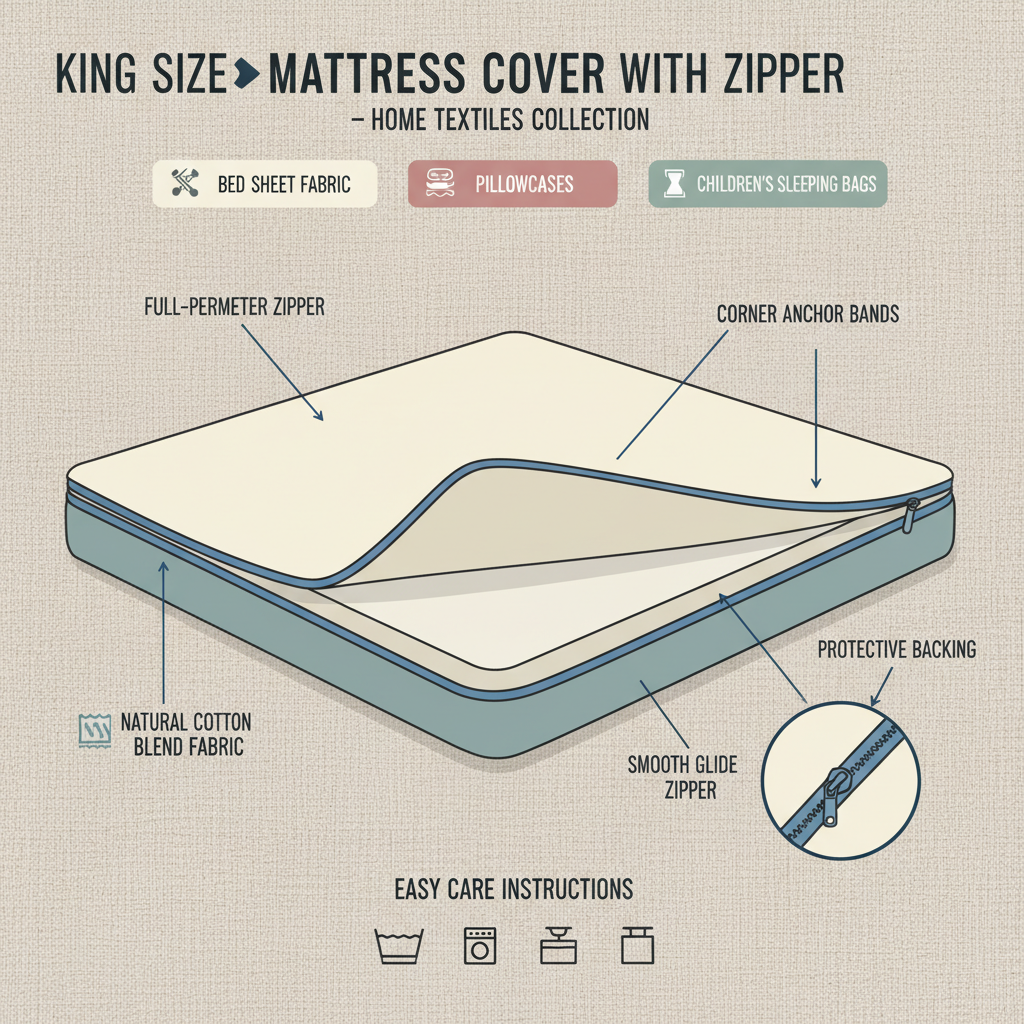
Investing in a high-quality mattress is only the first step toward a perfect night's sleep. To protect that investment from spills, allergens, and general wear and tear, a king size mattress cover with zipper is an essential accessory. Unlike fitted sheets or simple toppers, a zippered encasement provides 360-degree protection, ensuring that your mattress remains pristine and hygienic for years to come. Whether you are battling dust mites or simply want to keep your bed fresh, choosing the right cover can significantly enhance your sleep quality and longevity of your bedding.
Apr 09,2026
Best Guide for Choosing King Size Bed Cover with Zip Protection
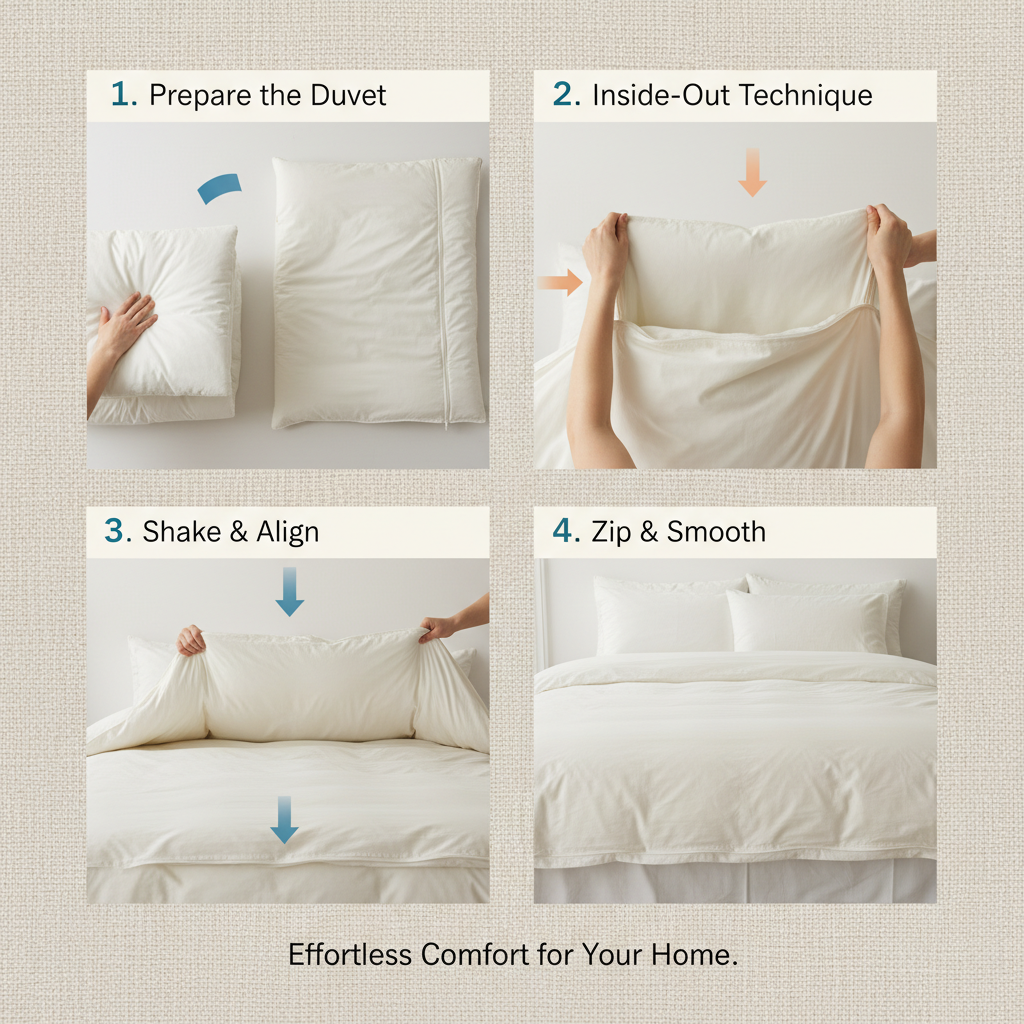
Maintaining a pristine sleeping environment is essential for both hygiene and long-term mattress durability. A high-quality king size bed cover with zip provides a comprehensive shield against dust mites, allergens, and accidental spills. Unlike standard fitted sheets, a zipped encasement fully envelops the mattress, ensuring that nothing penetrates the fabric. Whether you are dealing with allergies or simply want to extend the life of your expensive king-size mattress, choosing the right protective cover is a game-changer for your bedroom health. In this guide, we will explore the technical advantages, materials, and key considerations for selecting the perfect enclosure for your bed.
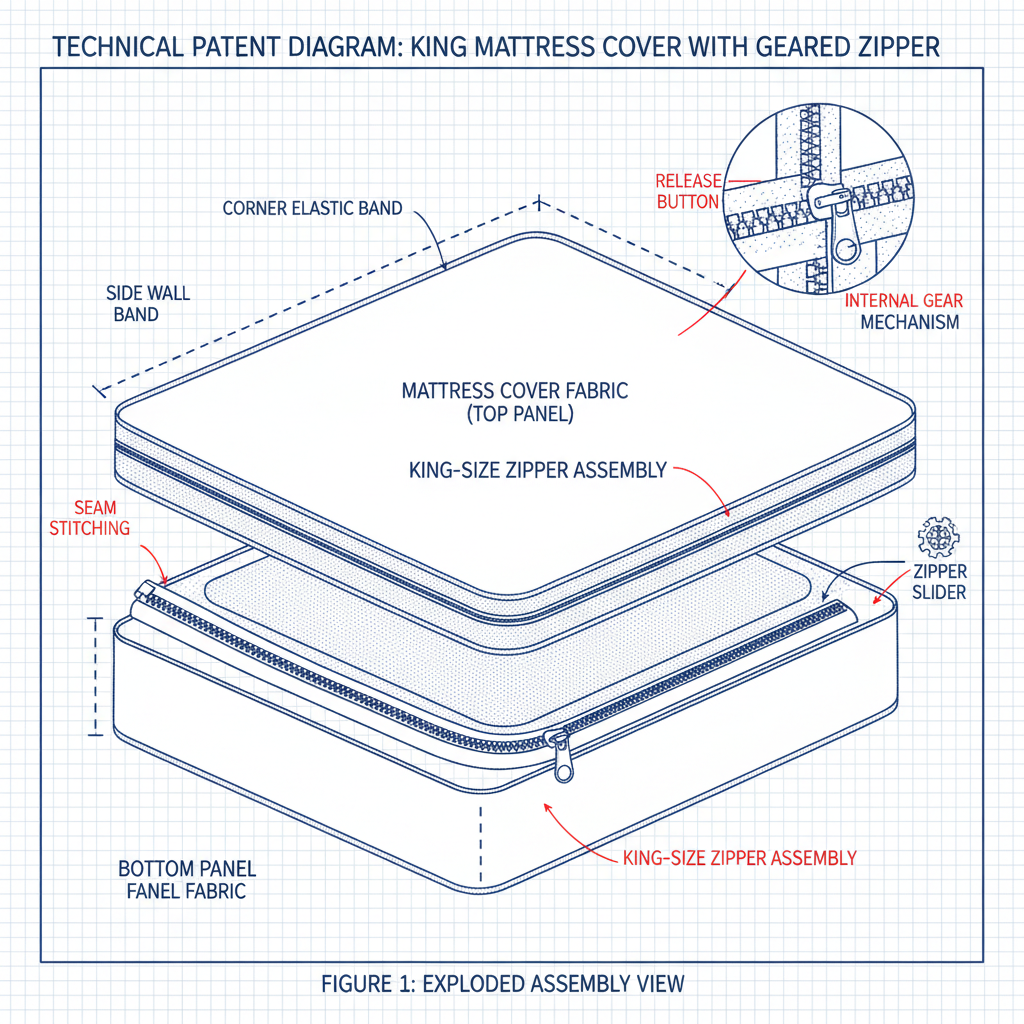
Apr 07,2026
Comprehensive Guide to Choosing the Best King Mattress Cover with Zipper for Optimal Protection
Protecting your mattress is crucial for hygiene, longevity, and comfort. A king mattress cover with zipper offers a comprehensive solution, shielding against dust mites, allergens, spills, and wear and tear. This article delves into the benefits of using a zippered king mattress cover, key features to look for, materials, and how to choose the best one for your needs. Investing in a quality mattress protector is an investment in your health and the lifespan of your mattress.


Address
1010, ZHONGYUAN BUILDING, NO.368 NORTH YOUYI STREET. SHIJIAZHUANG,HEBEI,CHINA.


