



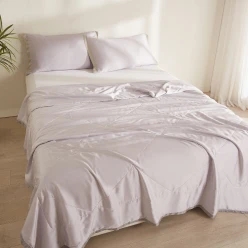


Green Cotton Bed Sheets: Sustainable Comfort for a Global Audience
In a world growing increasingly conscious of sustainability, green cotton bed sheets have emerged as an eco-friendly alternative that marries comfort with ethical production. While the idea of “green” textiles might feel like just another marketing buzzword, there’s a lot more depth here—both environmental and socioeconomic—that merits attention. Understanding the benefits of green cotton bed sheets isn’t merely about buying greener products; it’s about supporting farming practices, reducing chemical usage, and promoting fair labor standards globally.
Introduction: Why Green Cotton Bed Sheets Matter on a Global Scale
The global textile industry is one of the world’s largest polluters, accounting for an estimated 10% of annual carbon emissions according to the United Nations Environment Programme (UNEP). Conventional cotton farming consumes huge amounts of water and pesticides—some estimates suggest it takes over 20,000 liters of water to produce just 1 kilogram of cotton (roughly one standard sheet set). With the world’s population continuing to expand and consumer awareness growing, switching to green cotton bed sheets could dramatically reduce pollution and water waste worldwide.
But there’s more than environmental benefit. Green cotton products often support communities in developing regions by promoting organic farming and fair trade practices. It’s a win not only for planet Earth but for the livelihoods of many farmers who face exploitative conditions. Frankly, it’s a simple step that offers complex gains.
Defining Green Cotton Bed Sheets
So, what exactly are green cotton bed sheets? Essentially, they are bed linens made from cotton grown and processed under sustainable, organic, or low-impact farming practices. This means minimal or no synthetic pesticides, fertilizers, or genetically modified seeds, combined with methods that conserve water and preserve soil health. On the textile processing side, it also involves reduced use of harmful dyes and chemicals, aiming for a safer footprint throughout the supply chain.
Today, these sheets represent more than just organic cotton fabric—they reflect a broader shift in textile manufacturing aimed at addressing climate change and social injustice. They fit neatly into industry trends that focus on circular economies and sustainable consumerism.
Key Factors Behind Green Cotton Bed Sheets
Durability
Green cotton bed sheets often boast high durability, partly because organic cotton fibers, though sometimes considered softer, aren’t damaged by harsh chemicals, preserving their strength. This means fewer replacements over time, which adds to object-level sustainability.
Breathability and Comfort
Natural growing methods can impact the fiber’s texture positively, resulting in breathable, soft sheets that manage moisture well. I noticed many users prefer green cotton sheets especially for sensitive skin allergies or sensitive sleepers.
Environmental Footprint
These sheets significantly lower water usage and chemical runoff. By avoiding synthetic pesticides known to degrade ecosystems, green cotton farming helps maintain biodiversity—something the ISO 14000 standards outline as crucial in sustainable manufacturing.
Fair Trade and Social Impact
Buying green cotton often supports fair trade initiatives, ensuring the farmers and workers get a better wage and safer working conditions. It’s somewhat of a social contract embedded in your home linen.
Cost Efficiency (Over Time)
They typically cost more upfront but save money long-term by lasting longer and needing less frequent replacement. Also, since they reduce environmental cleanup costs indirectly, there’s a broader societal cost advantage worth pondering.
Product Specifications of Popular Green Cotton Bed Sheets
| Brand | Material | Thread Count | Certifications | Price Range |
|---|---|---|---|---|
| EcoLoom | 100% Organic Cotton | 300 | GOTS, Fair Trade | $90–$120 |
| GreenNest | Oeko-Tex Certified Cotton | 250 | Oeko-Tex, USDA Organic | $70–$110 |
| PureThreads | Blended Organic Cotton & Linen | 280 | GOTS | $100–$130 |
Global Applications & Use Cases of Green Cotton Bed Sheets
These sheets are increasingly found in different sectors worldwide. In Europe, luxury hotels and eco-resorts have embraced green cotton linens to reduce their carbon footprint and attract eco-conscious guests. In developing countries, NGOs use them in humanitarian aid or refugee camps to support sustainable supply chains and promote dignity in difficult circumstances. Oddly enough, even some remote industrial zones with high water usage have adopted green cotton textiles to complement their sustainability drives.
The garment industry itself feels the pressure to reform, and green cotton bed sheets serve as a gateway product—encouraging larger shifts across all cotton-based products.
Vendor Comparison: Top Green Cotton Bed Sheet Providers
| Vendor | Sustainability Commitment | Price ($) | Return Policy | Best For |
|---|---|---|---|---|
| EcoLoom | Full GOTS Certification + Fair Trade | $90–120 | 30-Day Full Refund | Luxury Comfort Seekers |
| GreenNest | Oeko-Tex with USDA Organic Inclusion | $70–110 | 14-Day Exchange | Budget-Conscious Buyers |
| PureThreads | GOTS Certified with Eco-Blended Fabric | $100–130 | No Returns (But 1-year Warranty) | Eco-Conscious Fashionistas |
Advantages & Long-Term Value of Green Cotton Bed Sheets
- Sustainability: Major reductions in water use and chemical pollution.
- Health: Safer for sensitive skin and reduces exposure to toxic residues.
- Social Responsibility: Helps support fair farming wages and ethical production.
- Durability: Longer-lasting sheets mean less waste over time.
- Comfort: Enhanced breathability for better sleep quality.
Emotionally, these sheets also bring peace of mind—knowing your bedding aligns with your values and promotes health and dignity. And logically, you avoid hidden environmental costs most people don’t even realize.
Future Trends & Innovations in Green Cotton Bed Sheets
Looking forward, there’s exciting momentum toward integrating green energy in cotton processing plants and increasing the use of biodegradable dyes. Digital traceability is also becoming a thing—letting customers verify the entire journey of their green cotton sheets. Automation and blockchain certification might soon provide assurances that these sheets aren’t just “greenwashed” marketing tactics but truly sustainable products.
Challenges & Solutions in the Green Cotton Industry
One challenge is higher upfront costs, which can dissuade both companies and consumers. Plus, organic cotton yields are often lower, demanding careful supply chain management to scale up sustainably. Standards and certifications sometimes vary regionally, causing confusion about what “green” really means.
Innovative solutions include better agricultural technology to improve organic yields, financial incentives for farmers to switch to green practices, and more transparent labeling backed by global bodies like the Global Organic Textile Standard (GOTS).
FAQ: Frequently Asked Questions About Green Cotton Bed Sheets
- Are green cotton bed sheets really softer than regular cotton?
- Yes, often they are perceived as softer because organic farming avoids harsh chemicals that can weaken fibers. However, softness can also depend on thread count and weave.
- Do green cotton sheets last as long as conventional ones?
- Generally, yes. Because green cotton avoids damaging chemicals, fiber strength is preserved. With proper care, these sheets can be just as durable.
- Is it worth paying more for organic cotton bed sheets?
- It depends on your values. You pay more upfront but benefit from reduced environmental impact, social equity, and often better comfort.
- How can I be sure my sheets are truly green?
- Look for certifications like GOTS, USDA Organic, or Oeko-Tex that independently verify sustainable standards.
- Are green cotton bed sheets suitable for people with allergies?
- Yes, since they avoid pesticides and harmful dyes, they are generally better for sensitive skin and allergy sufferers.
Conclusion: Embracing a Greener Future One Sheet at a Time
Green cotton bed sheets offer a wonderful gateway into sustainable living that’s tangible and comfortable. Not only do they protect the environment and support fair labor, but they also provide a luxurious sleeping experience free from nasties. If you’ve read this far, maybe it’s time to consider swapping your old sheets for a greener option. Visit our website for a curated selection of eco-friendly options: green cotton bed sheets.
In real terms, the shift to sustainable bedding feels small, but as a collective, it’s where change starts—fiber by fiber.
References

Related Products
Our Latest News
Apr 16,2026
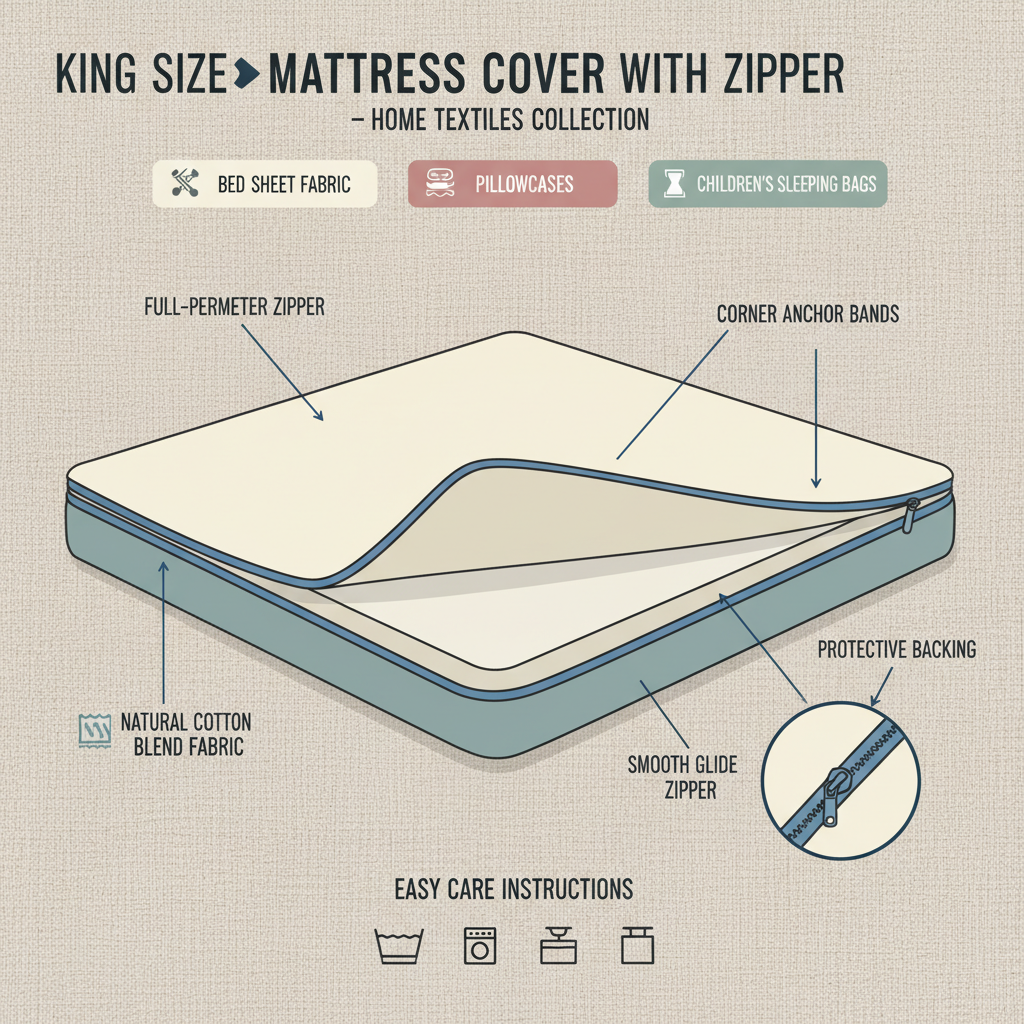
Best King Size Mattress Cover with Zipper for Complete Protection
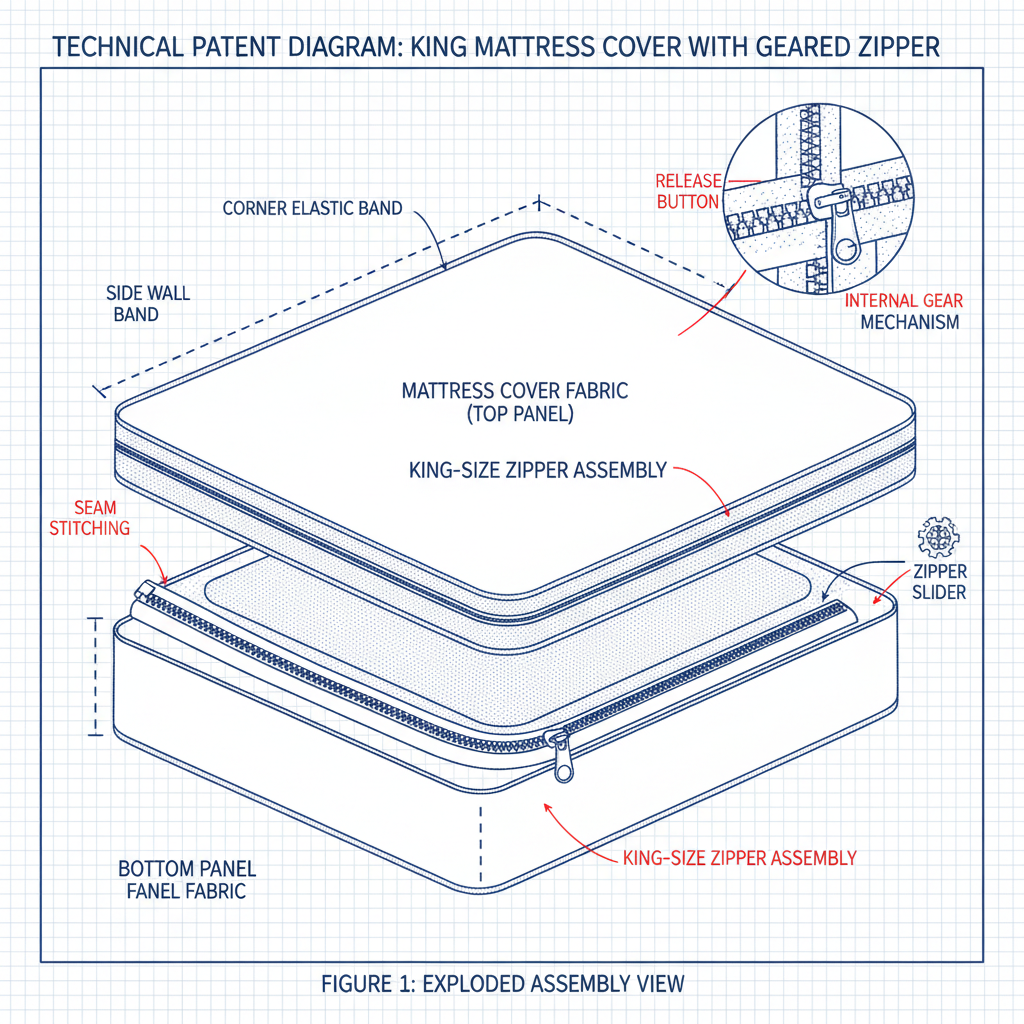
Investing in a high-quality mattress is only the first step toward a perfect night's sleep. To protect that investment from spills, allergens, and general wear and tear, a king size mattress cover with zipper is an essential accessory. Unlike fitted sheets or simple toppers, a zippered encasement provides 360-degree protection, ensuring that your mattress remains pristine and hygienic for years to come. Whether you are battling dust mites or simply want to keep your bed fresh, choosing the right cover can significantly enhance your sleep quality and longevity of your bedding.
Apr 09,2026
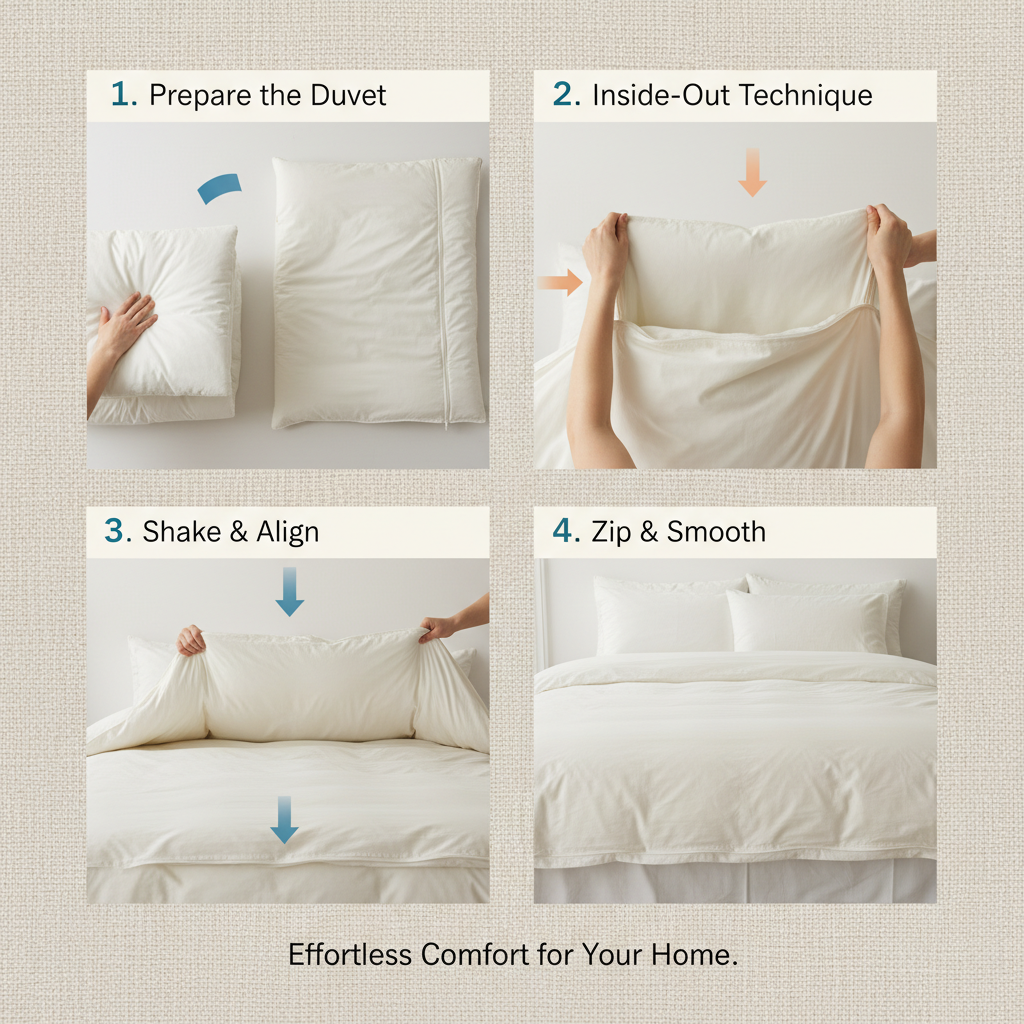
Best Guide for Choosing King Size Bed Cover with Zip Protection
Maintaining a pristine sleeping environment is essential for both hygiene and long-term mattress durability. A high-quality king size bed cover with zip provides a comprehensive shield against dust mites, allergens, and accidental spills. Unlike standard fitted sheets, a zipped encasement fully envelops the mattress, ensuring that nothing penetrates the fabric. Whether you are dealing with allergies or simply want to extend the life of your expensive king-size mattress, choosing the right protective cover is a game-changer for your bedroom health. In this guide, we will explore the technical advantages, materials, and key considerations for selecting the perfect enclosure for your bed.
Apr 07,2026
Comprehensive Guide to Choosing the Best King Mattress Cover with Zipper for Optimal Protection
Protecting your mattress is crucial for hygiene, longevity, and comfort. A king mattress cover with zipper offers a comprehensive solution, shielding against dust mites, allergens, spills, and wear and tear. This article delves into the benefits of using a zippered king mattress cover, key features to look for, materials, and how to choose the best one for your needs. Investing in a quality mattress protector is an investment in your health and the lifespan of your mattress.


Address
1010, ZHONGYUAN BUILDING, NO.368 NORTH YOUYI STREET. SHIJIAZHUANG,HEBEI,CHINA.


