



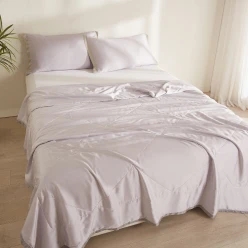


Understanding Bedsheet Combo Cotton: A Global Textile Staple
If you spend more than a moment thinking about the humble bedsheet, you’ll soon find yourself wrapped up in layers of cotton—soft, breathable, and somehow irresistibly essential. That’s where bedsheet combo cotton comes into play. But what exactly does this mean, and why has it become a key player not just in homes but globally, across industries and humanitarian efforts? Let’s peel back the threads.
Global Context: Why Bedsheet Combo Cotton Matters
Cotton is, globally speaking, one of the most important natural fibers. According to the International Cotton Advisory Committee, cotton accounts for roughly 25% of the world's fiber consumption, and bedsheets form a large slice of that market. When you talk about a “combo” of cotton in bedsheets, it generally refers to blended cotton types or cotton paired with complementary fabrics to balance comfort, durability, and cost.
Here’s the thing: as of 2023, global demand for sustainable, affordable, and comfortable bedding surged in parallel with rising middle classes in Asia and Latin America, as well as humanitarian agencies sourcing cotton bedding for disaster relief. The United Nations notes that quality bedding improves health outcomes and hygiene in displaced communities, showing how deeply something as familiar as bedsheet combo cotton impacts global welfare.
Still, challenges persist—like water-intensive cotton farming and supply chain complexities—that innovations in cotton blends aim to solve.
What is Bedsheet Combo Cotton?
Simply put, bedsheet combo cotton is a textile mixture that primarily contains cotton fibers blended together with varying types and qualities of cotton or other fabrics (like polyester, bamboo viscose, or linen) to create sheets that optimize softness, breathability, strength, and cost-efficiency.
Think of it as the Goldilocks solution for bedding material: not too rough, not too pricey, but just right for many practical and aesthetic purposes. In industries like hospitality, healthcare, and disaster relief, this combo helps meet rigorous demands for durability and hygiene without losing comfort.
Core Components Defining Bedsheet Combo Cotton
1. Thread Count and Weave
Thread count significantly influences texture and longevity. Higher thread counts usually mean softer sheets, but can also trap heat. Weaves like percale and sateen change the feel and performance altogether.
2. Cotton Type
Varieties such as Egyptian, Pima, or upland cotton each bring unique fiber lengths and strengths. Combining them can balance affordability with luxury.
3. Blending Fabric Content
Adding polyester boosts wrinkle resistance and strength but might sacrifice “all-natural” purity. Bamboo viscose adds eco-friendliness and moisture-wicking properties.
4. Finish Treatments
From anti-microbial coatings to colorfast dyes, these affect durability, hygiene, and appearance—crucial in institutional environments.
5. Sustainability & Source Tracking
Organic certifications and transparent sourcing underscore environmental and ethical values increasingly demanded by consumers and buyers alike.
Mini Takeaway:
Understanding what goes into bedsheet combo cotton is key in knowing how it balances comfort, cost, and care—making it a versatile choice worldwide.
Global Applications and Real-World Use Cases
Around the globe, bedsheet combo cotton is everywhere—literally. Hotels in Europe and Asia depend on it to please millions of guests with varied preferences. Healthcare facilities prefer blends for their washer-friendly durability and hygiene compliance.
Oddly enough, disaster relief organizations find comfort in it too. NGOs supplying emergency shelters with cotton/polyester combo sheets know that durability, ease of laundry, and fast drying spell the difference between dignity and hardship.
Meanwhile, in remote industrial zones, cotton blend bedding caters to workers who need breathable, hard-wearing linens that don’t break the bank or require delicate handling.
Product Specification Snapshot: Bedsheet Combo Cotton
| Specification | Description |
|---|---|
| Material Composition | 70% Egyptian Cotton, 30% Polyester Blend |
| Thread Count | 300 – 400 threads per square inch |
| Weave Type | Percale (crisp & breathable) |
| Finish Treatment | Anti-microbial & Colorfast Dye |
| Care Instructions | Machine washable; tumble dry low |
| Typical Price Range | $25 - $45 per bedsheet set |
Choosing Your Supplier: A Quick Vendor Comparison
| Vendor | Sustainability | Supply Capability | Price Competitiveness | Customization Options |
|---|---|---|---|---|
| CottonBlend Corp. | Organic certified | Large-scale | Mid-range | Color & size |
| EcoWoven Ltd. | Recycled fibers & sustainable water use | Medium batch | Higher-end | Custom prints & textures |
| ValueLinens Inc. | Standard cotton blends | Mass production | Budget-friendly | Limited |
Advantages & Long-Term Value of Bedsheet Combo Cotton
On the surface, the benefits are quite tangible: a combination that offers durability, comfort, and affordability. But there’s more beneath that cotton surface. For consumers, it’s about the tactile pleasure of slipping into sheets that breathe and feel alive. For hotels and hospitals, it’s a matter of reliability and hygiene, reducing replace cycles, and managing budgets. For NGOs and international bodies, bedsheet combo cotton conveys a message: that dignity shouldn’t be a luxury, even in a refugee camp.
In real terms, the blend reduces environmental impact compared to pure synthetic sheets, especially when organic cotton is involved. And emotionally? That softness carries the weight of trust, care, and, honestly, a bit of joy in simple comforts.
Innovations on the Horizon
Manufacturers are diving into digital textile printing, allergen-resistant fabric treatments, and water-neutral dyeing technologies, which all factor into the future of bedsheet combo cotton. Organic and recycled cotton blends are rising, aiming to tackle water scarcity and pesticide-use issues flagged by the United Nations Environment Programme.
Interestingly, automation in textile production is enhancing consistency and cutting waste. Meanwhile, smart textiles could enter the debate soon—with moisture sensors or temperature regulation woven in—turning bedsheets into active wellness devices of sorts.
Challenges & Practical Solutions
Of course, blending fabrics inherently risks losing some purity of feel or sight for some purists. Not to mention, some cotton blends still rely on resource-heavy agricultural practices. Supply chain transparency remains patchy, often leaving buyers unsure of the true "green" credentials.
Experts recommend verifying certifications (like GOTS or OEKO-TEX), and embracing innovative farming like drip irrigation or organic farming. For end-users, proper care extends sheet lifespan—low heat drying and gentle detergents can do wonders.
FAQ: Quick Answers on Bedsheet Combo Cotton
Q1: What is the best blend ratio in bedsheet combo cotton for durability?
A blend around 70% cotton to 30% polyester tends to offer a strong balance between softness and long-lasting durability, making it resistant to wrinkles and shrinkage.
Q2: Are bedsheet combo cotton blends easy to maintain?
Generally, yes. These blends are often machine washable, wrinkle-resistant, and quick drying, reducing ironing time—which is why many hotels prefer them.
Q3: Can cotton combos be eco-friendly?
Definitely. When organic cotton is paired with recycled or sustainable fibers—and the manufacturing process is green-certified—the environmental impact significantly reduces.
Q4: How long can combo cotton sheets last?
With proper care, a typical bedsheet combo cotton set can last 3 to 5 years, often outlasting pure cotton under similar conditions due to enhanced strength.
Q5: Where can I find affordable, quality bedsheet combo cotton?
Reputable suppliers like CottonBlend Corp. or ValueLinens Inc. offer good entry points. For organic or custom needs, EcoWoven Ltd. has options, though at a premium.
Wrapping It Up: The Cozy Future of Cotton Blends
In the end, bedsheet combo cotton is more than just thread and fiber. It’s a global textile phenomenon weaving together comfort, sustainability, economy, and a touch of human dignity in every fold. Whether you’re outfitting a luxury hotel or an emergency shelter halfway across the world, these blends offer a quietly powerful solution.
If you're intrigued to dive deeper or make that smart bedding purchase, don’t miss exploring options like bedsheet combo cotton on trusted platforms.
Sleep well—and sustainably.
References

Related Products
Our Latest News
Apr 16,2026
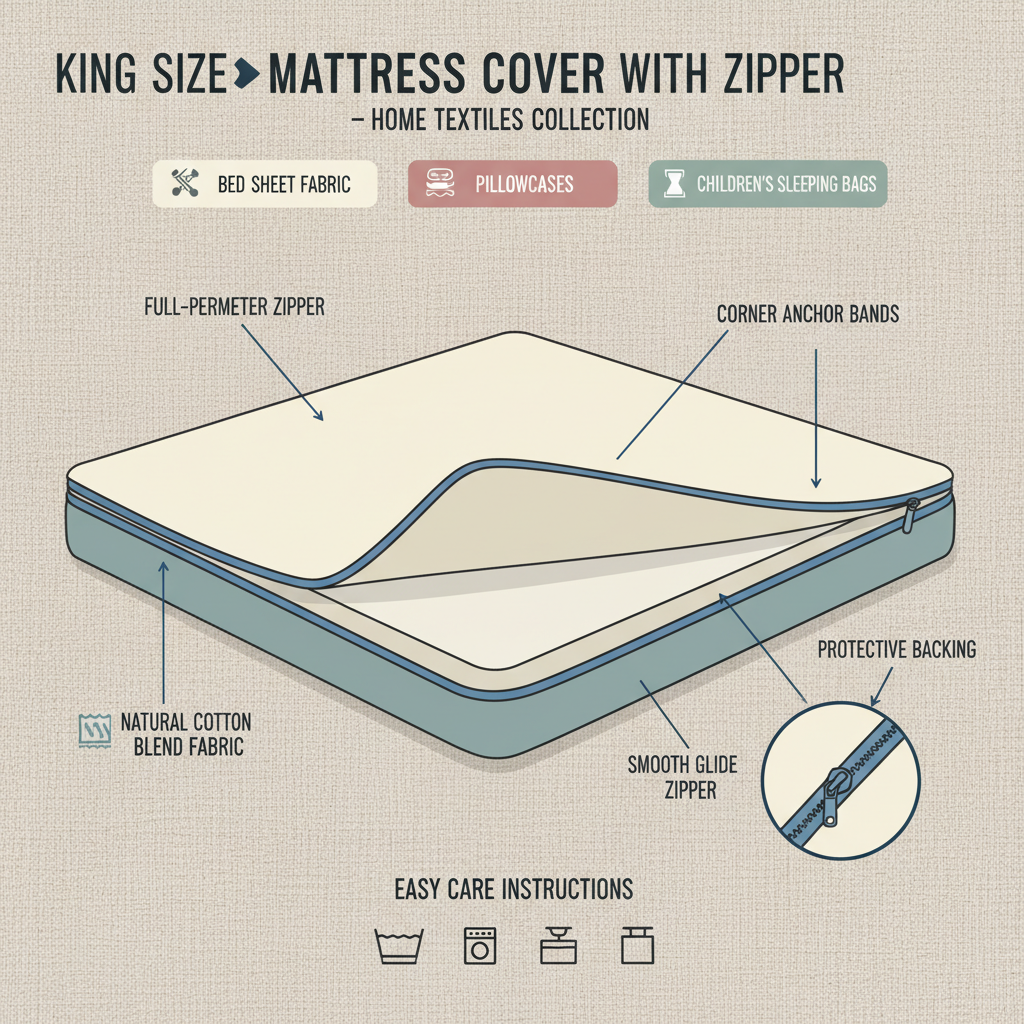
Best King Size Mattress Cover with Zipper for Complete Protection
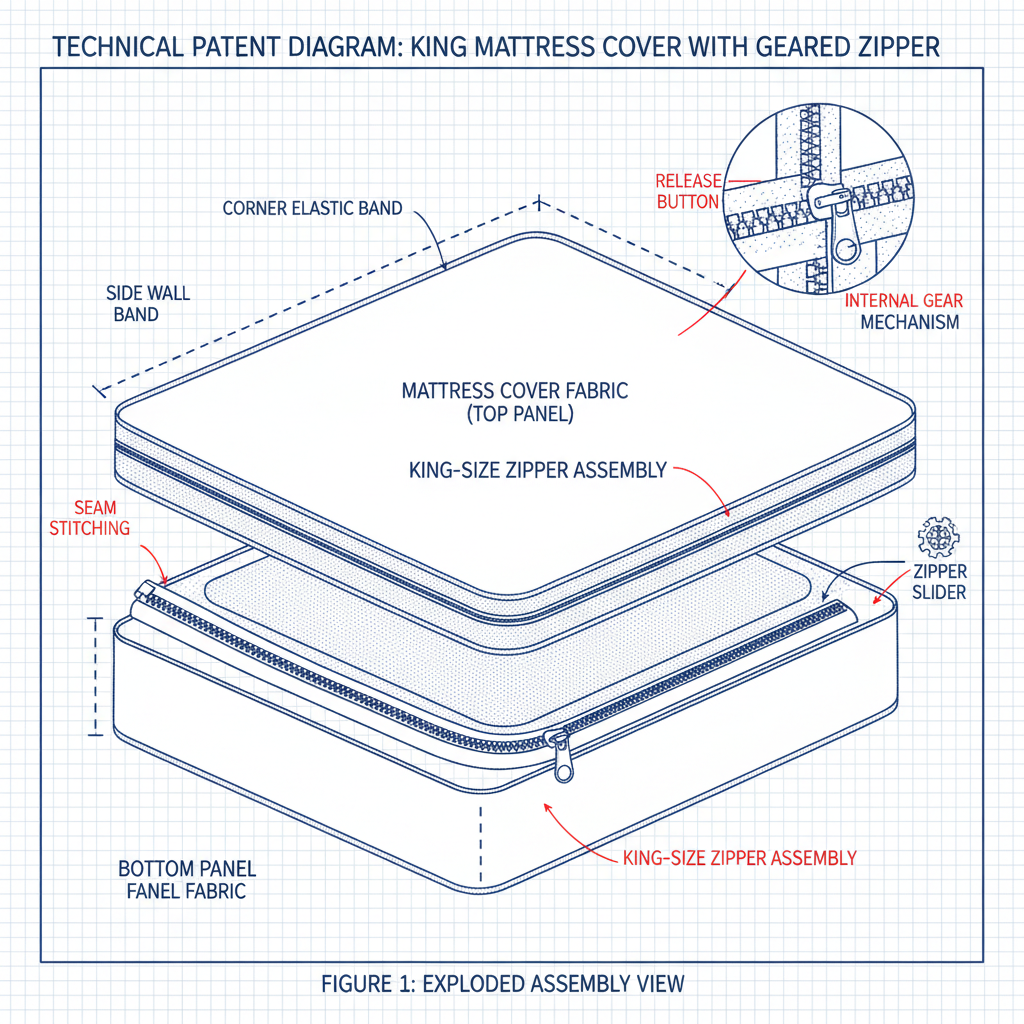
Investing in a high-quality mattress is only the first step toward a perfect night's sleep. To protect that investment from spills, allergens, and general wear and tear, a king size mattress cover with zipper is an essential accessory. Unlike fitted sheets or simple toppers, a zippered encasement provides 360-degree protection, ensuring that your mattress remains pristine and hygienic for years to come. Whether you are battling dust mites or simply want to keep your bed fresh, choosing the right cover can significantly enhance your sleep quality and longevity of your bedding.
Apr 09,2026
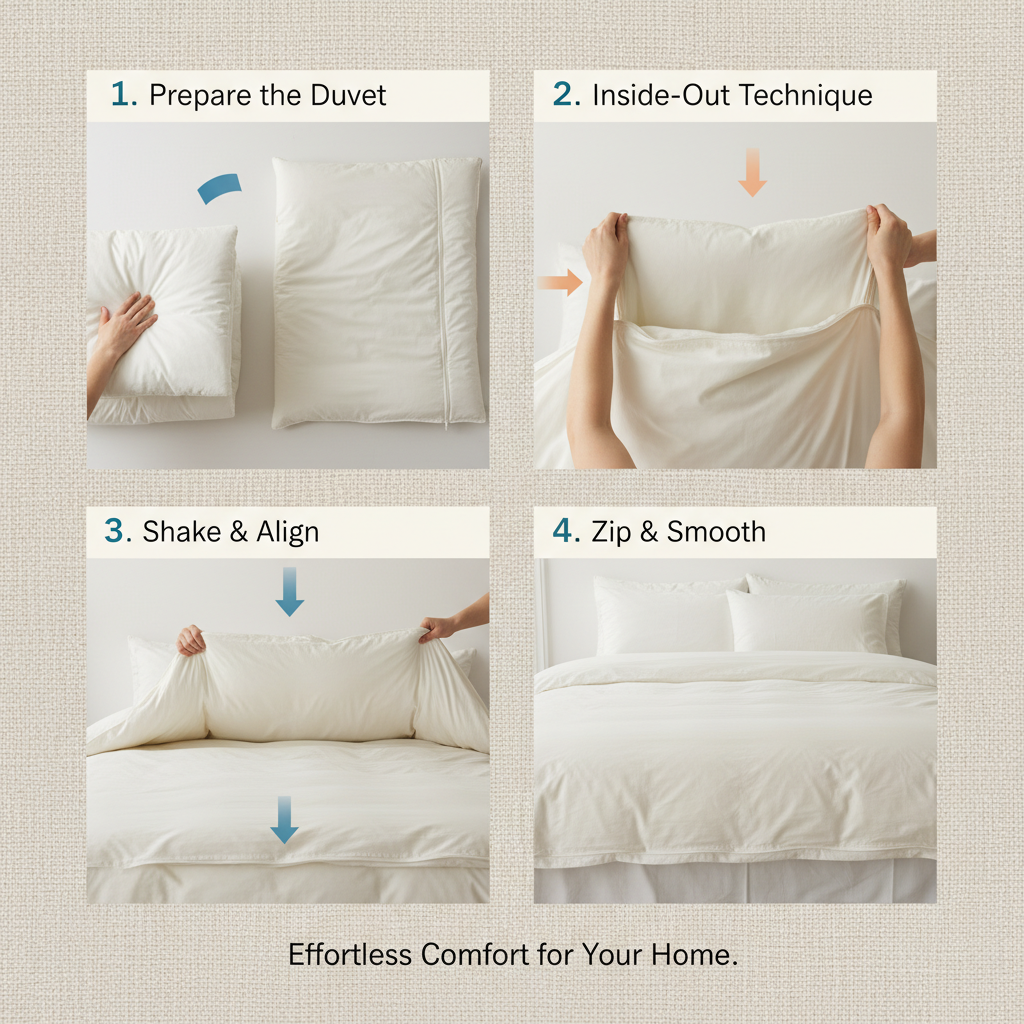
Best Guide for Choosing King Size Bed Cover with Zip Protection
Maintaining a pristine sleeping environment is essential for both hygiene and long-term mattress durability. A high-quality king size bed cover with zip provides a comprehensive shield against dust mites, allergens, and accidental spills. Unlike standard fitted sheets, a zipped encasement fully envelops the mattress, ensuring that nothing penetrates the fabric. Whether you are dealing with allergies or simply want to extend the life of your expensive king-size mattress, choosing the right protective cover is a game-changer for your bedroom health. In this guide, we will explore the technical advantages, materials, and key considerations for selecting the perfect enclosure for your bed.
Apr 07,2026
Comprehensive Guide to Choosing the Best King Mattress Cover with Zipper for Optimal Protection
Protecting your mattress is crucial for hygiene, longevity, and comfort. A king mattress cover with zipper offers a comprehensive solution, shielding against dust mites, allergens, spills, and wear and tear. This article delves into the benefits of using a zippered king mattress cover, key features to look for, materials, and how to choose the best one for your needs. Investing in a quality mattress protector is an investment in your health and the lifespan of your mattress.


Address
1010, ZHONGYUAN BUILDING, NO.368 NORTH YOUYI STREET. SHIJIAZHUANG,HEBEI,CHINA.


