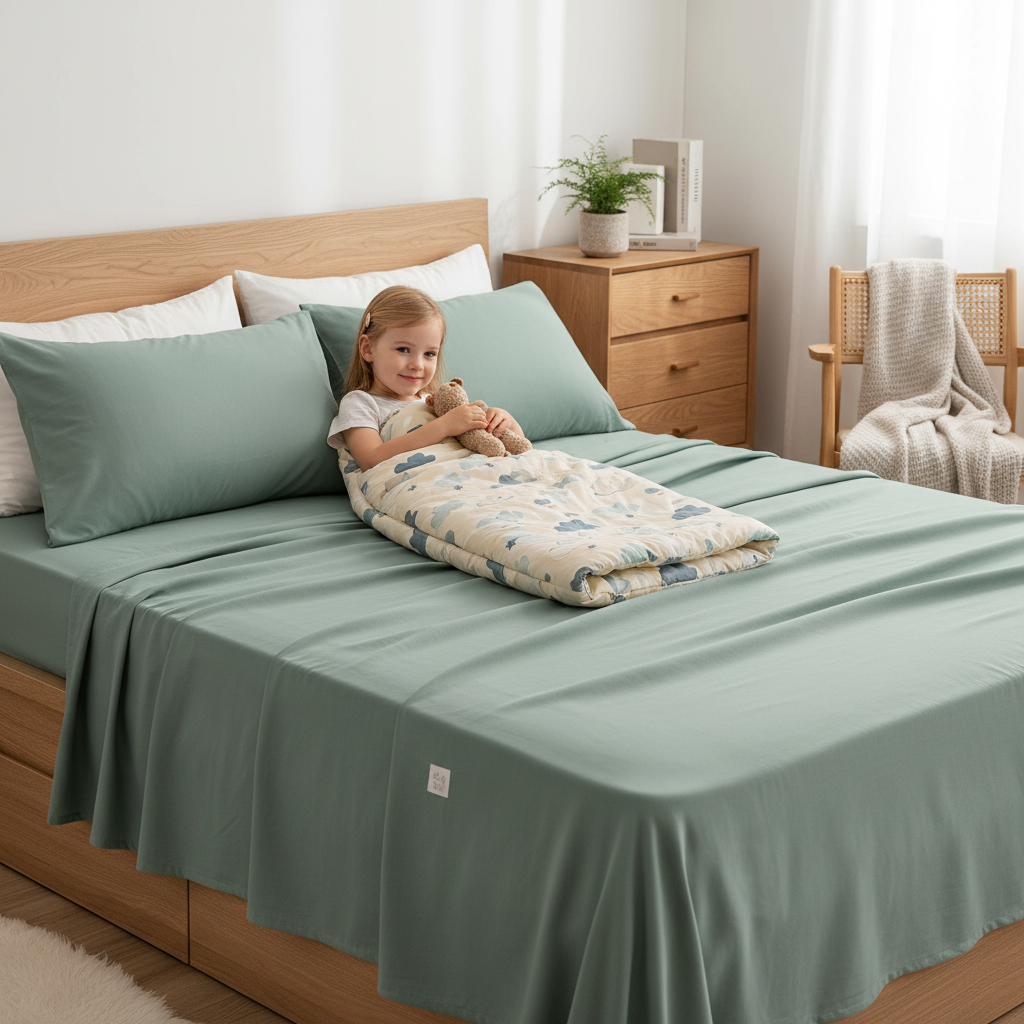
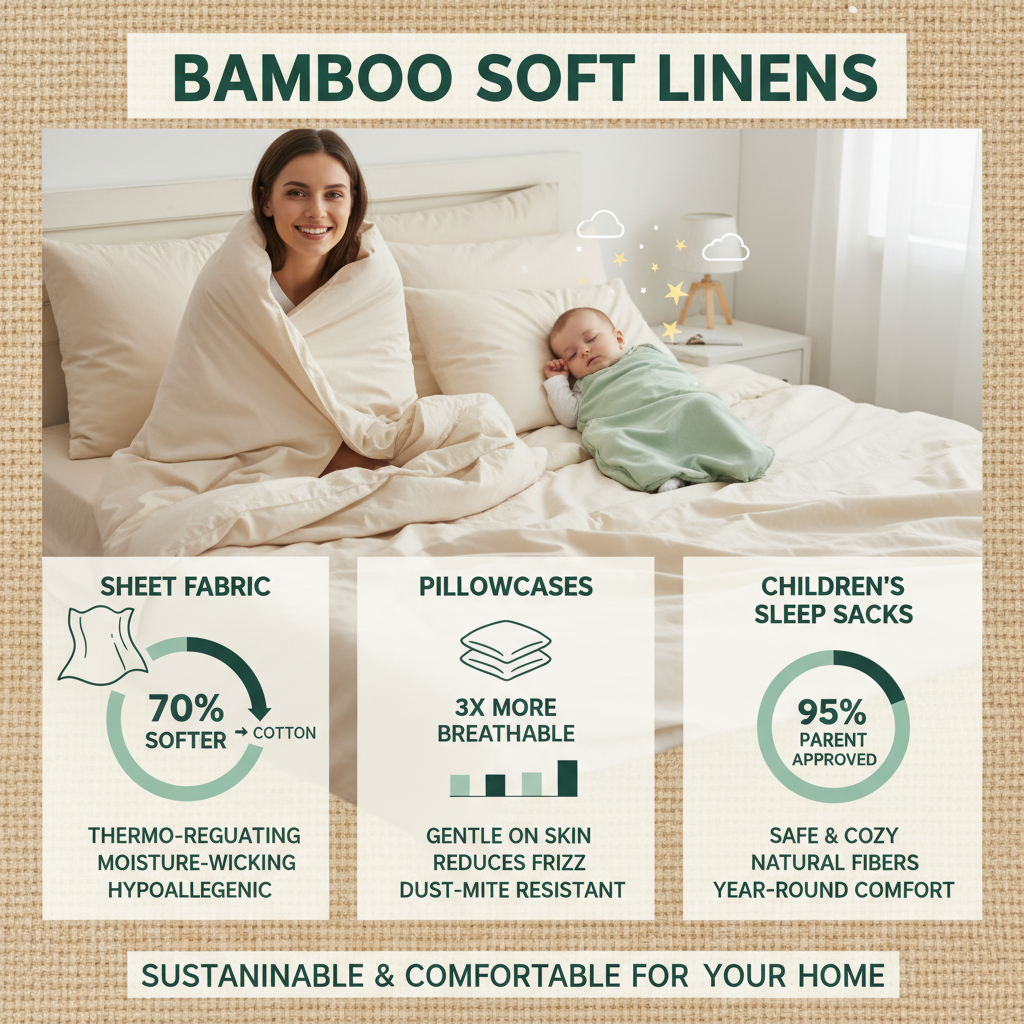
In the evolving landscape of home textiles, the demand for sustainable yet luxurious sleep solutions has led to the rise of soft linens bamboo sheets. These textiles represent a fusion of ecological responsibility and high-end comfort, offering a breathable alternative to traditional cotton or synthetic fabrics. As consumers increasingly prioritize wellness and environmental impact, understanding the science behind bamboo viscose and lyocell becomes essential for creating a healthier sleep environment.
The global shift toward organic fibers is not merely a trend but a response to the environmental degradation caused by intensive conventional farming. By utilizing bamboo—a rapidly renewable resource—manufacturers can produce textiles that are naturally hypoallergenic and moisture-wicking. This transition is particularly critical in the bedding industry, where the skin is in direct contact with fabrics for nearly a third of a human's life, making the purity and softness of the material a matter of health and hygiene.
Ultimately, investing in soft linens bamboo sheets provides a tangible benefit to both the sleeper and the planet. From regulating body temperature during hot summer nights to providing a silky-smooth texture that reduces skin friction, these linens address the core challenges of modern sleep hygiene. By exploring the technical specifications and long-term values of bamboo bedding, homeowners and hospitality providers can elevate their standards of comfort.
The Global Relevance of Bamboo Textiles
The textile industry is currently undergoing a paradigm shift, moving away from water-intensive crops like conventional cotton toward more sustainable alternatives. According to various industry reports and ISO environmental standards, bamboo requires significantly less water and zero pesticides to thrive, making it a cornerstone of the "green" manufacturing movement. This global relevance is amplified by the increasing incidence of skin sensitivities and sleep apnea, where the breathable nature of soft linens bamboo sheets provides a critical therapeutic advantage.
Across North America and Europe, the adoption of bamboo-derived fabrics has surged as a solution to the "night sweat" phenomenon. By optimizing the cross-sectional structure of the fiber, these linens facilitate rapid moisture transport, maintaining a consistent microclimate around the body. This industrial evolution reflects a broader commitment to the UN Sustainable Development Goals, particularly regarding responsible consumption and production in the home textile sector.
Defining Soft Linens Bamboo Sheets
In simple technical terms, soft linens bamboo sheets are bedding products manufactured from bamboo cellulose, typically processed into rayon, viscose, or lyocell. Unlike traditional linen made from flax, bamboo linens offer a more fluid drape and a silk-like luster, while remaining substantially more durable than standard synthetic blends. The process involves breaking down the bamboo plant's woody structure into a pulp, which is then extruded into fine filaments and woven into high-thread-count fabrics.
From a humanitarian and health perspective, these sheets address the need for hypoallergenic bedding. The natural properties of bamboo inhibit the growth of odor-causing bacteria and dust mites, which is essential for individuals suffering from asthma or chronic dermatitis. By bridging the gap between luxury and medical-grade hygiene, bamboo textiles have become a staple in modern wellness-centric bedrooms.
Furthermore, the "softness" associated with these linens is a result of the smooth surface of the bamboo fiber, which minimizes friction against the skin. This is not just an aesthetic preference but a functional requirement for elderly patients or those with fragile skin who require frequent repositioning in bed, reducing the risk of pressure sores and skin irritation.
Core Components of Premium Bamboo Bedding
The durability of soft linens bamboo sheets is rooted in the tensile strength of the bamboo fiber. When woven using a sateen or percale technique, the resulting fabric resists pilling and maintains its structural integrity even after numerous industrial laundry cycles, making it a preferred choice for high-turnover environments like luxury hotels.
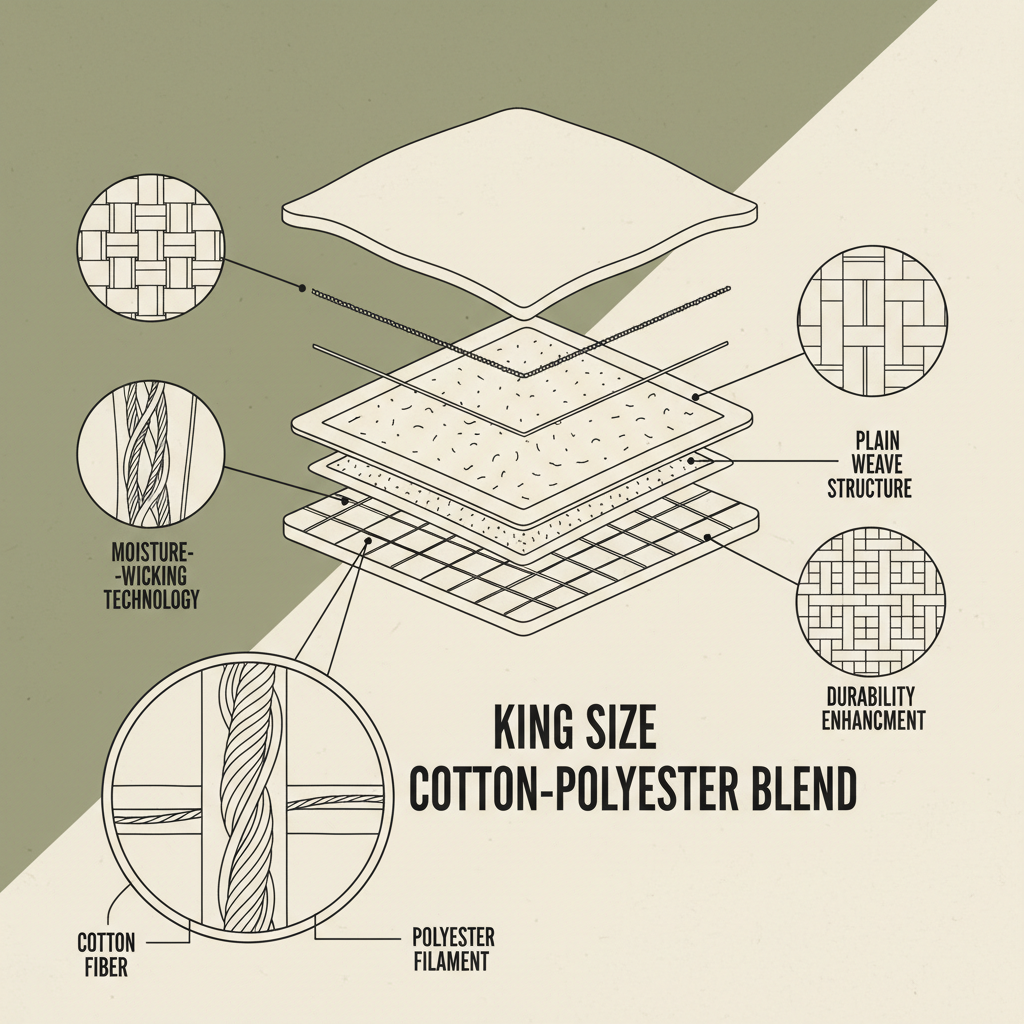
Thermal regulation is perhaps the most critical component. The microscopic holes in the bamboo fiber allow for superior ventilation, which means these linens can keep a user cool in the summer and retain warmth in the winter. This "smart" thermoregulation is what separates premium bamboo sheets from standard polyester-blend linens.
Cost-efficiency over the long term is achieved through the longevity of the material. While the initial investment may be higher than low-grade cotton, the resistance to fading and the persistence of the soft hand-feel ensure that the replacement cycle is significantly extended, providing better value for the eco-conscious consumer.
Practical Performance Metrics
To truly understand the efficacy of soft linens bamboo sheets, one must look at the performance data regarding moisture absorption and skin friction. In comparative laboratory tests, bamboo viscose often outperforms long-staple cotton in terms of water absorption rates, which directly translates to a drier, more comfortable sleep surface for the user.
Moreover, the scalability of bamboo production allows for a consistent quality of weave across different product categories, including mattress covers and pillow protectors. By maintaining a high standard of fiber purity, manufacturers can ensure that the breathability remains consistent regardless of the thickness of the final product.
Performance Comparison of Bamboo Linens
Global Applications and Use Cases
In the hospitality sector, luxury resorts in tropical regions like Southeast Asia and the Caribbean have aggressively integrated soft linens bamboo sheets to enhance guest experience. The ability of the fabric to withstand high humidity without feeling "clammy" makes it an ideal choice for high-end tourism, where sleep quality is a primary driver of customer satisfaction.
Beyond luxury, bamboo linens are finding critical use in healthcare settings. In long-term care facilities and post-surgical recovery wards, the antimicrobial properties and extreme softness of bamboo fabrics help in preventing skin breakdown for immobilized patients. This application demonstrates how a commercial product can be pivoted toward a humanitarian need, providing dignity and comfort to those in medical distress.
Long-Term Value and Sustainability
The long-term value of choosing soft linens bamboo sheets extends far beyond the immediate tactile sensation. Logically, the reduction in chemical pesticide use during the growth phase of bamboo means fewer toxins are introduced into the groundwater and eventually into the home environment. This creates a safer sanctuary for children and pets who spend significant time on bedding.
Emotionally, there is a growing sense of "ethical luxury"—the peace of mind that comes from knowing your comfort does not come at the cost of ecological devastation. The trust established between a brand and a consumer is now heavily dependent on the transparency of the supply chain, from the bamboo forest to the final stitched seam of the duvet cover.
Moreover, the ability of bamboo fabrics to maintain their softness without the need for harsh chemical softeners reduces the chemical runoff in household wastewater. This creates a circular benefit where the product's lifecycle, from cultivation to disposal, aligns with the principles of a circular economy, ensuring that luxury is sustainable.
Future Innovations in Bamboo Weaving
The future of soft linens bamboo sheets is being shaped by digital transformation and advanced material science. We are seeing the emergence of "hybrid weaves," where bamboo is blended with organic silk or recycled ocean plastics to create fabrics that are not only soft but also waterproof or flame-retardant without the use of toxic chemicals.
Automation in the weaving process is allowing for "precision tensioning," which reduces the wastage of fabric during production and ensures that the thread count is perfectly uniform across the entire sheet. This increase in efficiency is driving down costs, making sustainable luxury accessible to a wider demographic of consumers globally.
Furthermore, the integration of nano-coatings that enhance the naturally antibacterial properties of bamboo is on the horizon. These innovations will allow bamboo linens to remain fresh for longer periods, reducing the frequency of washing and further decreasing the carbon footprint associated with laundry energy and water consumption.
Comparative Analysis of Bamboo Textile Innovations
| Innovation Type |
Primary Benefit |
Sustainability Score |
Market Readiness |
| Bamboo-Silk Hybrid |
Extreme luster and softness |
8/10 |
Available Now |
| Closed-Loop Lyocell |
Zero chemical discharge |
10/10 |
Scaling Up |
| Nano-Antibacterial Coat |
Extended freshness |
7/10 |
Prototyping |
| Precision AI Weaving |
Uniform thread density |
9/10 |
Early Adoption |
| Biodegradable Dyes |
Non-toxic coloration |
10/10 |
Available Now |
| Bamboo-Recycled Poly |
Enhanced durability |
6/10 |
Marketed |
FAQS
Bamboo fibers have a unique micro-gap structure that allows for superior airflow and moisture wicking. Unlike cotton, which can hold onto moisture and feel damp, bamboo sheets move perspiration away from the skin and allow it to evaporate quickly, effectively lowering the surface temperature of the bed.
Yes, bamboo is naturally resistant to dust mites and hypoallergenic. Because the fibers are smoother than cotton or wool, they create less friction against the skin, which is ideal for people with eczema or sensory sensitivities. Furthermore, the absence of harsh pesticides in organic bamboo cultivation prevents chemical irritants from remaining in the fabric.
To preserve the integrity of bamboo sheets, it is recommended to wash them in cold water on a gentle cycle and avoid using bleach or fabric softeners, as these can break down the fibers. Air drying is ideal, but if using a dryer, a low-heat setting is best to prevent shrinkage and maintain that signature silky feel.
When manufactured to a high standard, bamboo linens are exceptionally durable due to the inherent strength of the bamboo plant. While they feel softer than cotton, they resist pilling and tearing effectively. However, because they are more delicate than heavy-duty synthetics, following proper care instructions is key to maximizing their lifespan.
Bamboo viscose is processed using a chemical solvent to create the fiber, while lyocell uses a closed-loop system where nearly 100% of the solvent is recovered and reused. Lyocell is generally considered the more eco-friendly option, although both provide the same signature softness and breathability associated with bamboo linens.
Absolutely. One of the greatest advantages of bamboo is its thermal versatility. In the summer, its moisture-wicking properties keep you cool. In the winter, the fabric's density helps trap a thin layer of warm air against the body, making it a perfect all-season choice for both humid and dry climates.
Conclusion
In summary, soft linens bamboo sheets offer a comprehensive solution for those seeking a balance between luxury, health, and environmental stewardship. By leveraging the natural properties of bamboo—such as its breathability, antimicrobial nature, and exceptional softness—these textiles solve the common problems of sleep discomfort and ecological footprint. From the technical precision of the weave to the global application in healthcare and hospitality, bamboo bedding represents the pinnacle of modern textile engineering.
As we move toward a future defined by sustainability, the transition to bamboo-based home textiles is not just a choice for comfort, but a commitment to a healthier planet. Whether you are a homeowner looking to upgrade your sleep hygiene or a professional in the textile industry, prioritizing high-quality, ethically sourced bamboo linens is a strategic investment in long-term wellness. We invite you to experience the difference in quality and consciousness. Visit our website: www.bedencasement.com