





Dust Mite Resistant Covers: Protecting Health with Smart Textiles
Dust mites might be tiny—microscopic, really—but their impact on millions of lives worldwide is anything but. These little creatures thrive in ordinary bedding, triggering allergies and asthma symptoms, and causing discomfort in households and healthcare settings alike. That’s where dust mite resistant covers come into play. They’re specialized textile barriers designed to block dust mites from embedding in mattresses, pillows, and other soft surfaces. Understanding their importance isn’t just helpful—it’s essential when you consider how widespread dust mite allergies are globally, with estimates suggesting that close to 20 million people in the U.S. alone suffer allergic reactions due to them. More broadly, allergies affect roughly 10-30% of the global population, many exacerbated by indoor allergens like dust mites (1).
So, what makes dust mite resistant covers a critical player in health and hygiene? They act as frontline shields, reducing allergen exposure and improving sleep quality—something that, oddly enough, we often overlook until it’s compromised.
Global Context: Why Dust Mite Resistant Covers Matter More Than Ever
Indoor air quality and allergic diseases have shot up as urbanization accelerates worldwide. According to the World Health Organization (WHO), allergic respiratory diseases are among the top causes of chronic illness globally (2). As populations crowd into confined indoor environments, dust mites flourish unchecked unless protective measures intervene.
Environmental studies show that standard bedding materials, especially those made of natural fibers, tend to harbor mites unless carefully encased. This poses a significant challenge in diverse regions—from temperate Western countries to tropical climates—where humidity and temperature conditions boost mite populations. Put simply, dust mite resistant covers offer an affordable, scalable solution addressing a ubiquitous public health concern.
What Exactly Are Dust Mite Resistant Covers?
At its core, a dust mite resistant cover is a finely woven fabric encasing a mattress, pillow, or duvet. The weave is tight enough to block microscopic dust mite feces and body fragments, which are the primary triggers of allergic reactions. Unlike standard bedding, these covers are engineered to prevent mites from penetrating or residing within, thus reducing allergen load in sleeping environments.
Today’s covers are often made of microfiber, polyester blends, or specially treated cotton. They fit snugly, often zippered, sealing in the mattress or pillow completely. This technology bridges modern textile science with practical healthcare, reflecting a broader trend of innovation aimed at improving daily wellbeing.
Key Features That Define Effective Dust Mite Covers
1. Fabric Permeability & Barrier Performance
The hallmark is a fabric tight enough to block particles as tiny as 10 microns. The integrity of this barrier defines the cover’s allergen-blocking efficiency. Too porous, and mites invade; too dense, and breathability suffers, making sleep uncomfortable. The best covers balance protection with airflow.
2. Durability & Washability
Regular washing is vital since covers collect sweat, dust, and skin flakes—mite food sources. High-quality covers maintain their protective properties across multiple washes (often 50+ cycles), resisting pilling and shrinkage. Durable zippers and seams ensure long-term effectiveness.
3. Comfort & Breathability
It might feel like an obvious point, but if a cover disrupts sleep comfort, compliance drops. Many manufacturers now emphasize soft, noiseless materials that don’t feel plasticky, ensuring the covers are agreeable to touch and won’t trap heat excessively.
4. Hypoallergenic & Chemical Safety
Beyond physical barrier properties, many covers undergo chemical treatments to repel mites or prevent microbial growth—though these must meet strict safety standards to avoid skin irritation or respiratory issues themselves.
Product Specification Snapshot
| Feature | Typical Specification | Benefit |
|---|---|---|
| Fabric Type | Microfiber Polyester | Effective allergen barrier & soft texture |
| Weave Density | 5–10 microns pore size max | Blocks mite allergens completely |
| Wash Durability | 50+ machine wash cycles | Long-lasting protection |
| Closure | Zipper with secure flap | Complete enclosure, limits mite entry |
Leading Vendors: Comparing Dust Mite Resistant Cover Providers
| Vendor | Material | Price Range | Warranty | Unique Feature |
|---|---|---|---|---|
| AllerEase | Polyester Microfiber | $25–$60 | 5 years | Allergy tested & hypoallergenic |
| Protect-A-Bed | Breathe-Right fabric | $20–$55 | 3 years | Certified allergen barrier |
| National Allergy | Ultra-Fine Polyester | $30–$70 | 6 years | Extensive clinical studies backing |
Applications Across the Globe
Dust mite resistant covers aren’t just a niche product; they play crucial roles in diverse settings worldwide. In homes, they’re essential for allergy sufferers aiming to reduce nighttime symptoms. Healthcare facilities rely heavily on these covers to maintain sterile, allergen-controlled environments for vulnerable patients. In fact, studies note reduced asthma attacks in wards using such protective bedding (3).
In tropical and subtropical regions, where humidity encourages increased mite activity, governments and NGOs have begun distributing dust mite resistant covers as part of public health initiatives. Oddly enough, their impact is also growing in hotels and hospitality sectors striving to improve guest comfort and reduce allergic complaints.
Benefits: More Than Just Allergy Relief
- Health Improvement: Protecting users from allergens and reducing respiratory distress.
- Cost Efficiency: Lower healthcare expenses due to fewer allergy-related treatments.
- Durability: Long lifespan making it a sustainable choice compared to frequent mattress replacements.
- Peace of Mind: Offers emotional reassurance, especially for parents of allergic children.
Future Trends: Innovation in Allergen Defense
Looking ahead, the market is seeing advances in smart textiles—think fabrics embedded with antimicrobial nanocoatings or responsive moisture-wicking capabilities. Sustainability also drives innovation, with biodegradable materials and eco-friendly manufacturing gaining traction. Additionally, IoT integration may soon allow wearables or mattress sensors to track allergen levels in real time.
Challenges & Expert Outlook
Of course, no solution is perfect. One challenge is ensuring user compliance—many find covers noisy or too hot, which can reduce usage. Another is dispelling misconceptions about the necessity of these covers in “clean” homes. Experts suggest tailoring product development toward softer fabrics and educating consumers on benefits jumps over these hurdles.
Frequently Asked Questions About Dust Mite Resistant Covers
- How tight does the fabric weave need to be to block dust mites effectively?
- A pore size of 5 to 10 microns is typically required; this blocks mite allergens while still providing some breathability. Most certified dust mite covers conform to this standard.
- Can dust mite resistant covers improve asthma symptoms?
- Yes, studies have shown that consistent use of these covers can reduce allergen exposure, leading to fewer asthma attacks and less reliance on medication for sensitive individuals.
- How often should I wash a dust mite cover?
- Washing every 1 to 2 months is advised. Make sure to follow the manufacturer’s care instructions to maintain protective efficacy and prolong the cover’s lifespan.
- Are dust mite covers safe for babies and children?
- Generally, yes—provided they are certified hypoallergenic and chemical-free. Choosing soft, breathable covers is important to ensure comfort and safety.
- Where can I buy reliable dust mite resistant covers?
- Specialty bedding stores, healthcare product suppliers, and reputable online retailers all offer certified options. For more info, visit dust mite resistant covers.
Summing It Up: Why Dust Mite Resistant Covers Are Worth It
In real terms, investing in dust mite resistant covers combines advanced textile science with everyday comfort and health protection. They offer a straightforward—yet highly effective—solution to a widespread and often underestimated problem. Whether you’re managing allergies, caring for vulnerable loved ones, or running healthcare facilities, these covers offer tangible benefits that pay off over time.
If you want to dive deeper and find out which covers fit your needs best, don’t hesitate to visit our website at dust mite resistant covers. A better night’s sleep might be just a cover away.
Oddly enough, it feels like such a small step with big effects—something many overlook but few should.
References:

Related Products
Our Latest News
Apr 16,2026
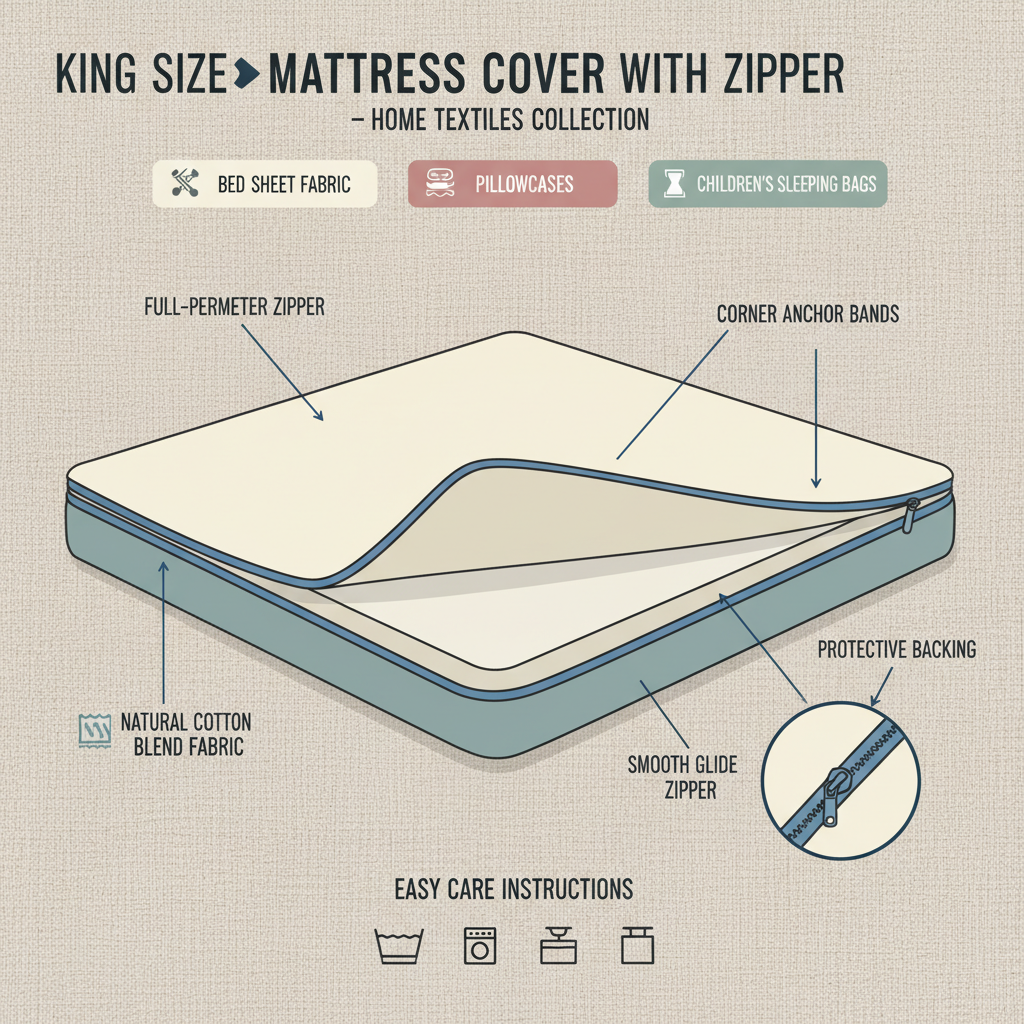
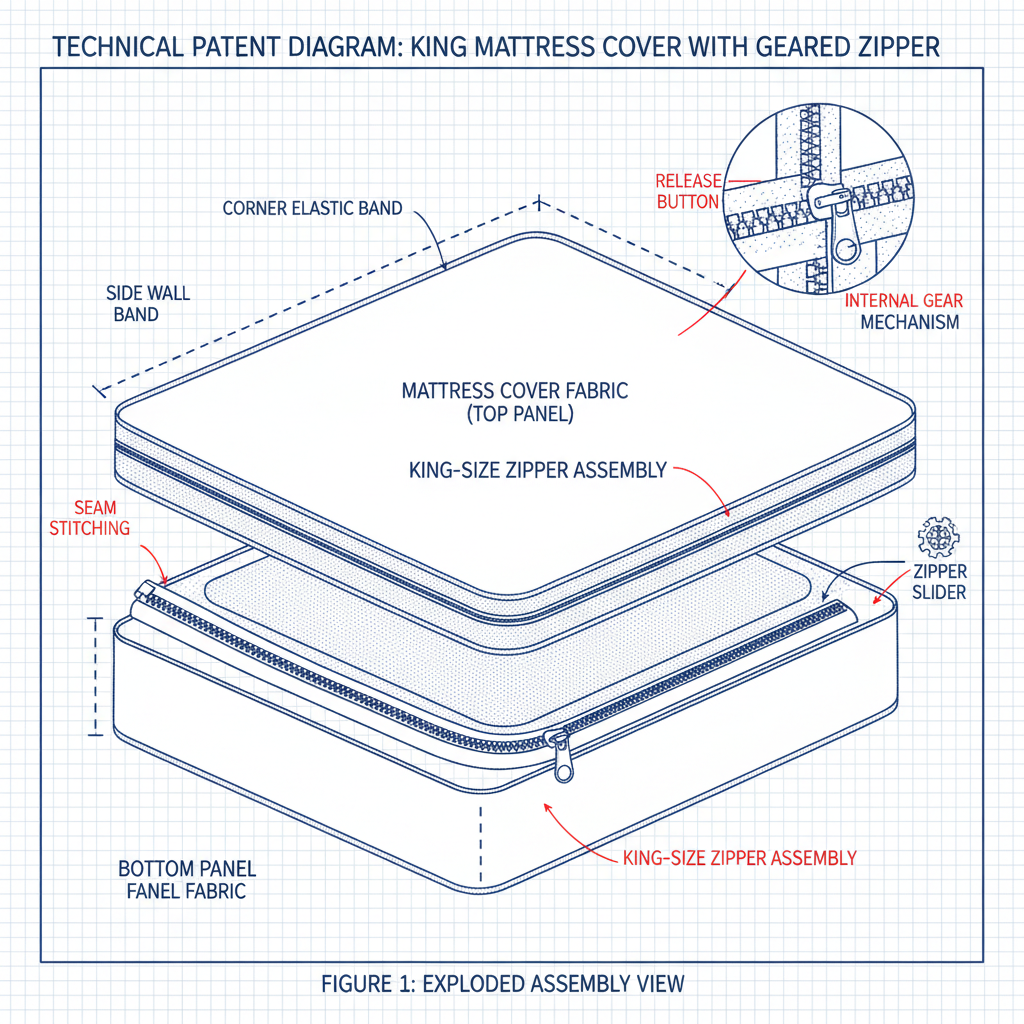
Best King Size Mattress Cover with Zipper for Complete Protection
Investing in a high-quality mattress is only the first step toward a perfect night's sleep. To protect that investment from spills, allergens, and general wear and tear, a king size mattress cover with zipper is an essential accessory. Unlike fitted sheets or simple toppers, a zippered encasement provides 360-degree protection, ensuring that your mattress remains pristine and hygienic for years to come. Whether you are battling dust mites or simply want to keep your bed fresh, choosing the right cover can significantly enhance your sleep quality and longevity of your bedding.
Apr 09,2026
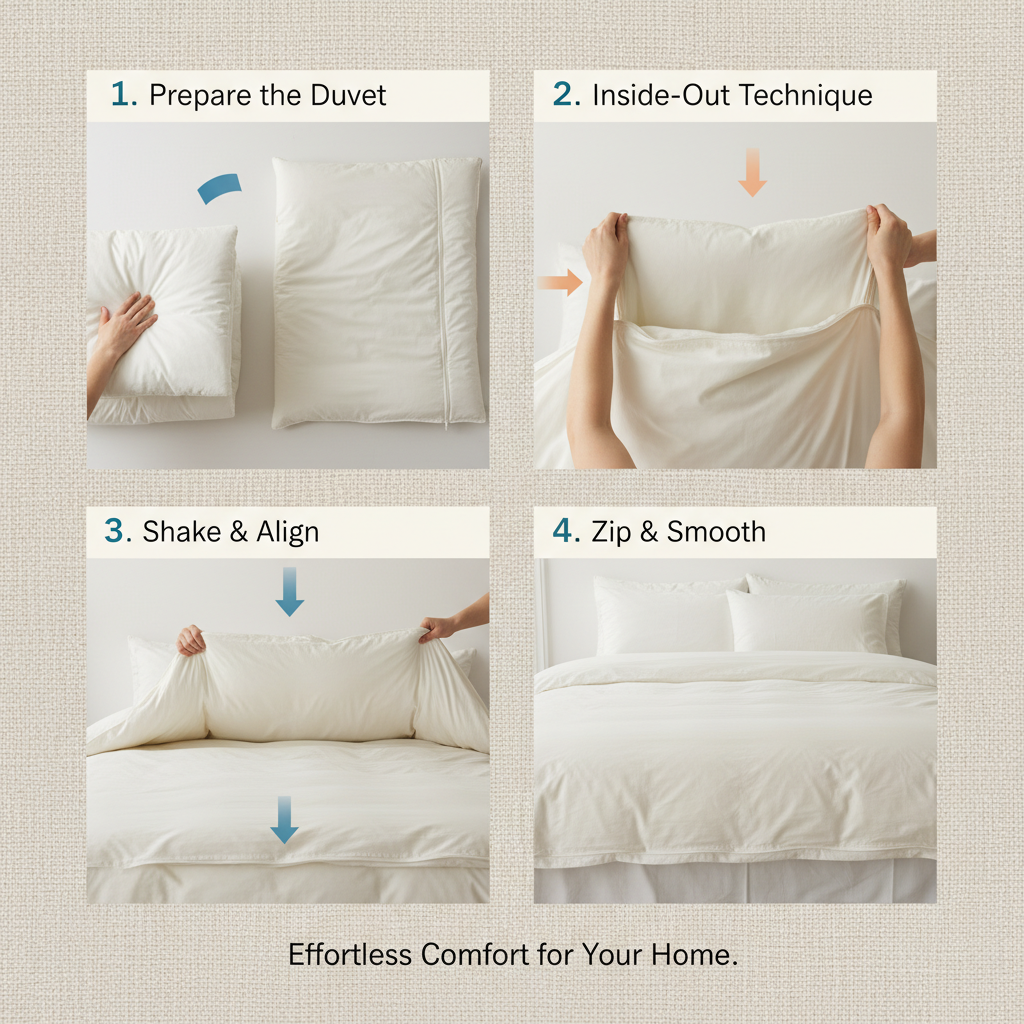
Best Guide for Choosing King Size Bed Cover with Zip Protection
Maintaining a pristine sleeping environment is essential for both hygiene and long-term mattress durability. A high-quality king size bed cover with zip provides a comprehensive shield against dust mites, allergens, and accidental spills. Unlike standard fitted sheets, a zipped encasement fully envelops the mattress, ensuring that nothing penetrates the fabric. Whether you are dealing with allergies or simply want to extend the life of your expensive king-size mattress, choosing the right protective cover is a game-changer for your bedroom health. In this guide, we will explore the technical advantages, materials, and key considerations for selecting the perfect enclosure for your bed.
Apr 07,2026
Comprehensive Guide to Choosing the Best King Mattress Cover with Zipper for Optimal Protection
Protecting your mattress is crucial for hygiene, longevity, and comfort. A king mattress cover with zipper offers a comprehensive solution, shielding against dust mites, allergens, spills, and wear and tear. This article delves into the benefits of using a zippered king mattress cover, key features to look for, materials, and how to choose the best one for your needs. Investing in a quality mattress protector is an investment in your health and the lifespan of your mattress.


Address
1010, ZHONGYUAN BUILDING, NO.368 NORTH YOUYI STREET. SHIJIAZHUANG,HEBEI,CHINA.


