



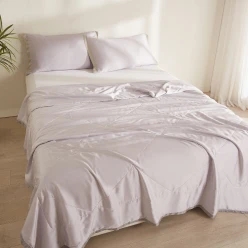


Understanding the Linen Blend Duvet Set: Why It Matters
If linen blend duvet sets haven’t quite made it to your shopping radar yet, I promise they’re worth a peek. Globally, bedding innovations aren't just about comfort or style anymore — they intersect with sustainability, cost-efficiency, and health. Linen blend duvet sets offer a fascinating middle ground between pure linens and synthetic fibers, offering benefits that resonate everywhere from urban penthouses to rural guesthouses. In a world increasingly focused on environmentally conscious choices, these sets stand out.
Why does this matter on a global scale? According to the International Labour Organization (ILO), textile production is one of the largest contributors to environmental impact, so opting for products like linen blends that use less water and energy during manufacturing can make a significant difference.1 Plus, they’re more durable than pure cotton but softer than pure linen — a sweet spot that appeals widely.
Mini takeaway: Linen blend duvet sets are more than a bedroom trend — they reflect a shift toward sustainable living with practical comfort worldwide.
The Global Context: Demand and Challenges in Bedding Today
Globally, the home textiles market continues to grow, pushed by rising disposable incomes and increased focus on home comfort — a trend accelerated by the Covid-19 pandemic when many rediscovered the joys of their own beds. According to Statista, the global bedding market is expected to reach nearly USD 40 billion by 2027.2 With this boom, consumers demand not just aesthetics but durability, easy care, and environmental responsibility.
Yet, there’s a snag. Pure linen duvet covers, while durable and natural, tend to be expensive and prone to wrinkling. Pure cotton can lack the crisp breathability of linen. Enter the linen blend duvet set. Combining linen with cotton or other eco-friendly fibers helps solve this problem, making the product accessible while keeping those natural benefits intact. And they’re easier to launder — no one wants to spend hours ironing a duvet cover!
Mini takeaway: Linen blend duvet sets meet a pressing need for bedding that balances style, sustainability, and price in a growing market.
What Exactly is a Linen Blend Duvet Set?
Simply put, a linen blend duvet set is a bedding set where the fabric combines linen fibers with other materials like cotton, viscose, or polyester. This blend is intentional — it tones down the natural roughness sometimes associated with pure linen and ups durability or softness.
These sets usually include a duvet cover plus matching pillowcases. Linen, made from flax plant fibers, is known for breathability and moisture-wicking, meaning it keeps sleepers cool and dry. By blending it with cotton or viscose, manufacturers maintain these qualities but add softness and wrinkle resistance.
In industries like hospitality or healthcare, where hygiene, comfort, and longevity are critical, linen blends fit perfectly. They give that high-end feel without the expensive upkeep of pure linen.
Mini takeaway: Linen blend duvet sets fuse the best of natural fibers to create bedding that is practical, breathable, and comfortable for modern life.
Key Aspects of Linen Blend Duvet Sets
1. Durability
Linen is among the strongest natural fibers, which means linen blends last longer than plain cotton. Many engineers I spoke with say blends improve resistance to wear and tear — perfect when you’re tossing and turning nightly.
2. Comfort & Breathability
The breathability inherited from linen helps regulate temperature. Oddly enough, blends tend to breathe better than polyester-heavy textiles and feel softer on skin, reducing irritation.
3. Easy Maintenance
Unlike pure linen, which wrinkles notoriously and requires gentle washing, blended sets often tolerate machine washing at higher temperatures with less ironing needed — a big plus for busy households.
4. Cost Efficiency
Blending cuts down pure linen cost significantly while still delivering premium qualities, making it an appealing option for a wide market segment.
5. Sustainability
The flax plant’s growth demands fewer pesticides and less water compared to cotton, so linen blends carry a lighter environmental footprint. Choosing linens from certified eco-friendly producers can further bolster sustainability claims.
| Feature | Typical Specs | Benefit |
|---|---|---|
| Fiber Composition | 50% Linen / 50% Cotton | Balanced durability and softness |
| Thread Count | 180 - 220 | Optimal balance of texture & breathability |
| Care Instructions | Machine wash cold, tumble dry low | Easy upkeep, less wrinkling |
| Certification | OEKO-TEX Standard 100 | Free from harmful chemicals |
| Available Sizes | Twin, Queen, King | Fits most bedding needs |
Global Applications That Make Linen Blend Duvet Sets a Hit
Interestingly, linen blend duvet sets are favored in varied contexts. Hospitality chains in Europe, for example, use them to impress guests with an upscale yet practical feel. In Scandinavian countries, bedding brands promote blends that perform well in both humid summers and chilly winters — a testament to versatility.
Humanitarian organizations also use linen blends in emergency shelters when supplies must be shipped globally but need durability and comfort upon arrival. A case in point: relief efforts in the Philippines after Typhoon Haiyan opted for linen blend supplies to balance durability with cost amid tough logistics.
And let’s not forget remote resorts in tropical zones — where linen blends outperform synthetic furnishings in ventilation and moisture management, providing guests with real comfort.
Mini takeaway: Linen blend duvet sets shine in hospitality, humanitarian aid, and remote or climate-challenged environments.
Why Choose Linen Blend Duvet Sets? The Long-Term Value
- Cost savings: Last longer than many cotton sets, reducing replacement frequency.
- Environmental impact: Lower water use and pesticides than pure cotton.
- Comfort: Keep sleepers cooler & reduce night sweating.
- Aesthetics: Natural texture ages gracefully with washings.
- Emotional comfort: A feeling of luxury matched with peace of mind about sustainability.
For families, the logic is straightforward — robust yet soft bedding that stands the test of time. For businesses, it’s about brand image and trust. Consumers increasingly want their purchases to align with their values, especially in textiles.
Looking Ahead: Trends and Innovations in Linen Blend Bedding
New materials are emerging that boost the performance of linen blends. For example, the introduction of eucalyptus-cellulose fibers (Tencel) combined with linen creates even softer and more biodegradable sets. Digital textile printing also opens doors for vibrant, fade-resistant designs without heavy water use.
Manufacturers are also exploring closed-loop water systems and solar-powered production facilities to address sustainability end-to-end, so a linen blend duvet set isn’t just eco-friendly at purchase but in creation too.
Challenges and How Brands Are Tackling Them
No product is perfect, and linen blends have their quirks. Some blends with polyester reduce biodegradability, conflicting with eco goals. Wrinkling, while less than pure linen, remains higher than pure cotton sets, which could turn off less patient buyers.
Brands are addressing this by optimizing blend ratios and using finishes that reduce wrinkles without harmful chemicals. Education also plays a role: explaining care instructions clearly helps customers feel confident.
FAQ About Linen Blend Duvet Sets
- What makes linen blend duvet sets better than pure cotton sets?
- They combine the breathability and durability of linen with cotton’s softness, offering a balanced, long-lasting, and comfortable sleep experience.
- Are linen blend duvet covers easy to maintain?
- Yes, most are machine washable and wrinkle less than pure linen. They typically require less ironing and are quite durable over many washes.
- Do linen blend duvet sets last long in hot, humid climates?
- Absolutely. The natural fibers wick moisture and enhance airflow, making them ideal for warmer regions compared to synthetic bedding.
- Is investing in linen blend bedding sustainable?
- Yes, especially when purchasing from certified eco-friendly producers. Linen’s lower water usage and blending reduce environmental impact compared to pure cotton or synthetic options.
- Can I mix and match linen blend duvet covers with other bedding?
- Definitely! Their neutral texture and natural look blend well with cotton sheeting and decorative pillows of all kinds.
Wrapping It Up: The Case for Linen Blend Duvet Sets
Choosing a linen blend duvet set comes down to striking a wonderful balance: you get the durability and breathability of linen with greater softness and easier upkeep. They're not only practical, but they also help align your bedding choices with a growing demand for sustainability — which, frankly, feels good in these times.
Don’t just take my word for it. Explore the variety, feel the difference yourself, and see how a simple change in bedding can quietly enhance your daily life and lessen your environmental footprint. Ready to experience the best of linen blends? Visit our website: linen blend duvet set to find your next favorite sleep companion.
| Vendor | Fiber Blend Ratio | Average Price (USD) | Sustainability Certification | Unique Feature |
|---|---|---|---|---|
| EcoSleep Textiles | 60% Linen / 40% Cotton | $110 - $140 | GOTS Certified Organic | Plant-based dyes |
| LuxeBlend Bedding | 50% Linen / 45% Cotton / 5% Tencel | $125 - $160 | OEKO-TEX 100 | Advanced wrinkle resistance |
| PureComfort Linens | 55% Linen / 45% Cotton | $90 - $115 | None | Classic weave, more breathable |
References:
1. International Labour Organization
2. Statista Global Bedding Market Report
3. Linen - Wikipedia

Related Products
Our Latest News
Apr 16,2026
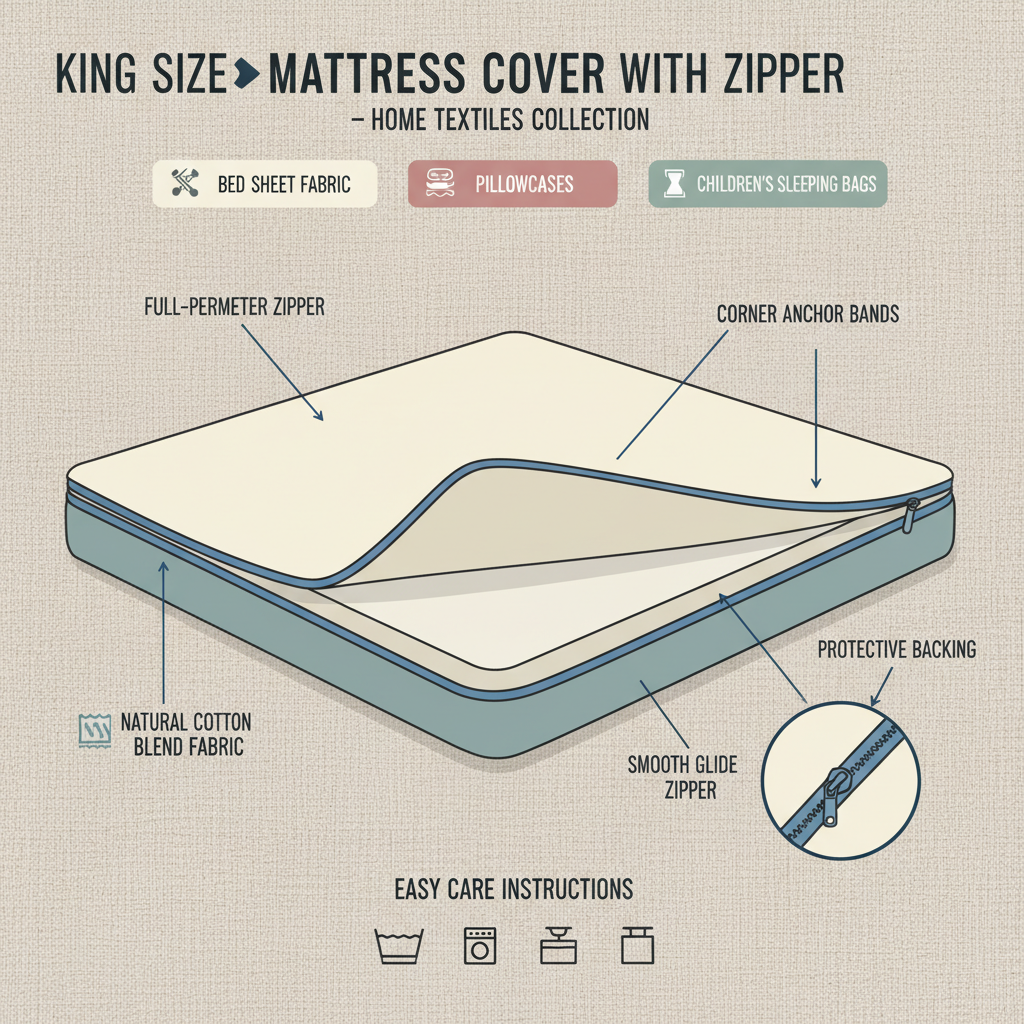
Best King Size Mattress Cover with Zipper for Complete Protection
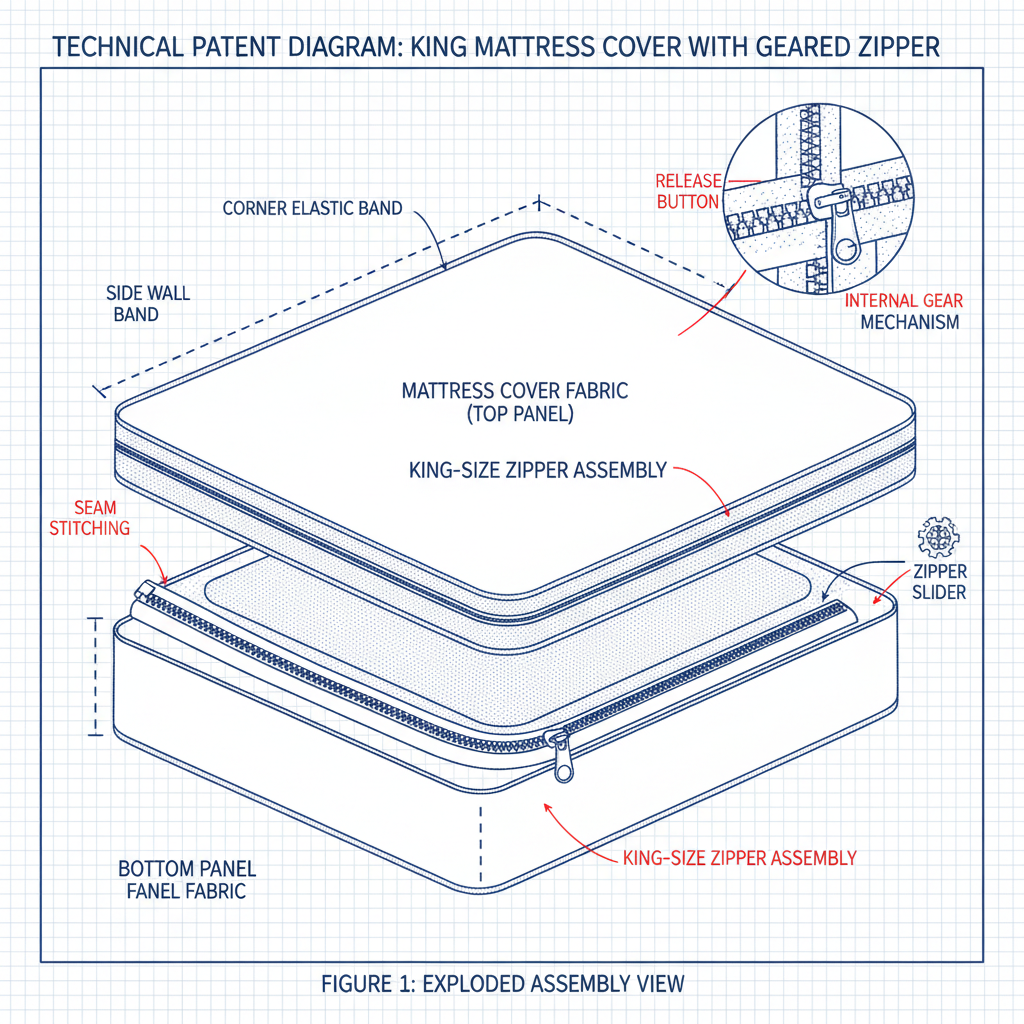
Investing in a high-quality mattress is only the first step toward a perfect night's sleep. To protect that investment from spills, allergens, and general wear and tear, a king size mattress cover with zipper is an essential accessory. Unlike fitted sheets or simple toppers, a zippered encasement provides 360-degree protection, ensuring that your mattress remains pristine and hygienic for years to come. Whether you are battling dust mites or simply want to keep your bed fresh, choosing the right cover can significantly enhance your sleep quality and longevity of your bedding.
Apr 09,2026
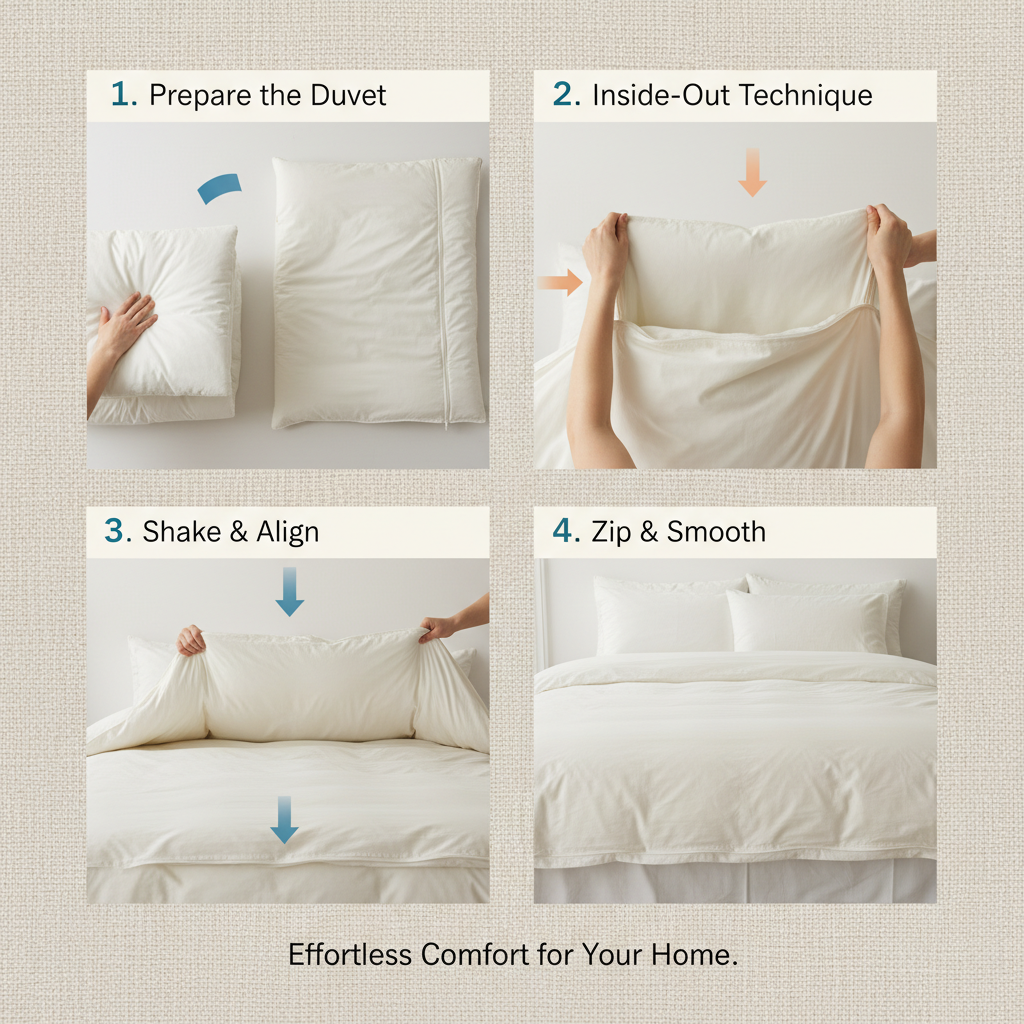
Best Guide for Choosing King Size Bed Cover with Zip Protection
Maintaining a pristine sleeping environment is essential for both hygiene and long-term mattress durability. A high-quality king size bed cover with zip provides a comprehensive shield against dust mites, allergens, and accidental spills. Unlike standard fitted sheets, a zipped encasement fully envelops the mattress, ensuring that nothing penetrates the fabric. Whether you are dealing with allergies or simply want to extend the life of your expensive king-size mattress, choosing the right protective cover is a game-changer for your bedroom health. In this guide, we will explore the technical advantages, materials, and key considerations for selecting the perfect enclosure for your bed.
Apr 07,2026
Comprehensive Guide to Choosing the Best King Mattress Cover with Zipper for Optimal Protection
Protecting your mattress is crucial for hygiene, longevity, and comfort. A king mattress cover with zipper offers a comprehensive solution, shielding against dust mites, allergens, spills, and wear and tear. This article delves into the benefits of using a zippered king mattress cover, key features to look for, materials, and how to choose the best one for your needs. Investing in a quality mattress protector is an investment in your health and the lifespan of your mattress.


Address
1010, ZHONGYUAN BUILDING, NO.368 NORTH YOUYI STREET. SHIJIAZHUANG,HEBEI,CHINA.


