



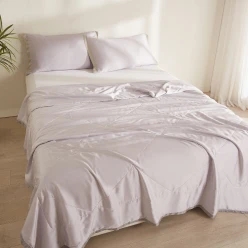


Why Cotton Thick Bedsheets Matter More Than Ever
At first glance, a cotton thick bedsheet might not seem like world-changing stuff, but think again—this humble textile touches global industries, sustainability efforts, and even humanitarian aid on multiple levels. It’s not just about comfort; it’s about durability, environmental impact, and meeting diverse needs from homes to hospitals worldwide.
With growing awareness around sustainable fabrics and a push for longer-lasting home goods, understanding cotton thick bedssheet properties becomes all the more essential globally. Whether for personal bedding or outfitting relief shelters, these sheets blend tradition with practical innovation.
The Global Context: Cotton Thick Bedsheets in Today’s Textile World
Cotton remains the most widely used natural fiber worldwide, accounting for roughly 26% of total fiber use according to the International Cotton Advisory Committee (ICAC). Yet, not all cotton products are created equal. Thick cotton bedsheets—denser, heavier, and more tightly woven than their lightweight cousins—answer a concrete global demand.
From the textile industry’s viewpoint, thick cotton bedsheets represent a segment that balances comfort and longevity, while aligning with sustainable goals. The World Bank estimates over 2 billion people sleep on cotton-based linens, and those demanding higher durability for cold climates or institutional needs rely heavily on thicker varieties. Oddly enough, a thicker sheet can translate into fewer replacements and waste, which ties into global efforts for circular economies.
But challenges persist—how to produce thick, high-quality cotton sheets that withstand wear, wash cycles, and time without escalating costs and environmental footprints. Meeting that challenge is where innovation steps in.
What Exactly Is a Cotton Thick Bedsheet?
Simply put, a cotton thick bedsheet is a bed linen crafted from cotton fibers with enhanced density and weight compared to standard sheets. They often feature a higher thread count—usually upwards of 300, sometimes over 400 threads per square inch—and use heavier yarns or weaving techniques like percale or sateen tailored for durability.
These aren’t your thin, silky sheets that slide off mattresses easily but rather robust linens that keep warmth, breathe well, and last through frequent laundering. In modern industry terms, they serve both consumer luxury markets and practical sectors, such as healthcare facilities, hotels, and emergency shelter systems.
Mini Takeaway:
While they’re fundamentally just thicker cotton sheets, their construction and material quality make them crucial for diverse global needs—as varied as comfort, durability, and sustainability.
Key Characteristics That Define Cotton Thick Bedsheets
Durability and Longevity
Durability is king here. Thick cotton bedsheets resist tearing and abrasion. Many manufacturers treat them for enhanced shrink resistance and colorfastness. This robustness means longevity—critical in high-turnover environments like hotels and hospitals, or harsh, cold climates where warmth is key.
Comfort and Breathability
Cotton’s natural breathability remains intact, even when the fabric is dense. In fact, many people report these thick sheets strike a perfect balance between warmth and air circulation—important in places with fluctuating temperatures. It’s not just warmth; it’s sleeping well without overheating.
Sustainability Considerations
Because thick cotton bedsheets last longer, their environmental impact over time typically decreases compared to cheaper, thinner alternatives that need frequent replacement. Additionally, cotton is biodegradable and renewable, provided it’s sourced responsibly (source).
Ease of Care
Despite their thickness, good-quality cotton sheets wash well and retain softness after many cycles. Some manufacturers incorporate pre-shrunk cotton and durable dyes to improve lifespan, making maintenance less of a hassle.
Cost Efficiency
Initially pricier than thinner sheets, cotton thick bedsheets pay off in the long run. Their extended usability means fewer replacements—an arguably better investment for families, hotels, and institutions aiming to cut waste and costs.
Mini Takeaway:
It boils down to a sweet spot: durable, comfortable, and eco-friendly material that earns its keep over years, rather than weeks.
Where Cotton Thick Bedsheets Really Shine: Global Applications & Use Cases
- Healthcare Facilities: Hospitals need heavy-duty yet breathable sheets that can withstand harsh washing and sanitization cycles. Thick cotton bedsheets are industry favorites.
- Hospitality Sector: Hotels and resorts stock thick cotton bedding for guest comfort and laundering resilience.
- Disaster Relief and Humanitarian Aid: Organizations supplying shelters and emergency housing prefer thick cotton sheets for durability and warmth — critical in refugee camps or post-disaster zones.
- Cold Climate Residences: Homes in northern regions rely on thick sheets that add warmth without synthetic materials.
- Home Use: Consumers opting for sustainable, long-term bedding solutions.
In real terms, during recent humanitarian missions to Syria and the Rohingya refugee camps, aid agencies reported that thick cotton bedsheets offered a blend of comfort and durability that synthetic blankets couldn’t match.
Advantages and Long-Term Value of Investing in Cotton Thick Bedsheets
Let’s be frank: thicker sheets cost more upfront, but many users swear by their worth. Some clear benefits step beyond price:
- Sustainability: Less frequent replacement equals less waste.
- Comfort: Natural cotton fibers reduce skin irritation and improve breathability.
- Emotional Fulfillment: There’s something reassuring about the familiar weight of thick cotton sheets.
- Reliability: You know it won’t wear thin after a couple of washes.
- Social Impacts: Choosing cotton supports agricultural communities worldwide, when sourced responsibly.
Product Specification Table: A Typical Cotton Thick Bedsheet
| Feature | Specification |
|---|---|
| Material | 100% Combed Cotton |
| Thread Count | 350-400 |
| Weave | Percale / Sateen |
| Weight | 180-220 GSM (grams per sqm) |
| Care Instructions | Machine wash cold; tumble dry low; avoid bleach |
| Colorfastness | High grade reactive dyes, complies with ISO 105 standards |
Comparing Top Cotton Thick Bedsheet Vendors
| Vendor | Quality Grade | Price Range (USD) | Sustainability | Global Reach |
|---|---|---|---|---|
| Elegant Weaves Co. | Premium (400+ TC) | $75 - $120 | Organic cotton certified | North America, Europe |
| Pure Cotton Mills | Mid-range (350 TC) | $40 - $70 | Sustainable water practices | Asia, Middle East |
| Heritage Textiles | Basic (300 TC) | $25 - $45 | Conventional cotton | Local, limited export |
Looking Ahead: Trends and Innovations in Cotton Thick Bedsheets
There’s an unmistakable push towards greener production methods. Many vendors now use organic cotton and low-impact dyes certified by Oeko-Tex or GOTS, which limit chemicals and water waste. Digital textile printing and automation are making customized patterns and efficient runs more accessible — nice for boutique hotels and eco-conscious consumers alike.
Plus, blends with recycled cotton or other fibers are emerging, redefining “thick” without compromising biodegradability. Add to that new fabric treatments enhancing anti-microbial and hypoallergenic properties, and you’ve got sheets ready for the future of hospitality and healthcare.
In fact, ongoing research funded by the Textile Exchange highlights how thick cotton sheets could dramatically reduce landfill contributions when properly recycled or upcycled.
Hurdles and How the Industry is Tackling Them
The biggest challenge? Balancing quality with affordability. Naturally-grown cotton can be expensive, and thick sheets require more material and care in production. But companies are innovating with smarter spinning and weaving technologies to reduce waste and costs.
Another sticking point is environmental concerns tied to traditional cotton farming—water usage and pesticide runoff. That’s why many manufacturers shift to organic or regenerative agriculture methods, offering certifications that consumers increasingly demand.
Frequently Asked Questions About Cotton Thick Bedsheets
- Q: How do cotton thick bedsheets compare to silk or synthetic sheets for winter use?
- A: While silk offers a luxurious texture, it doesn’t always provide the same warmth or durability as thick cotton sheets. Synthetic sheets can trap heat but often lack breathability. Thick cotton strikes a great balance—warm yet breathable, natural, and durable.
- Q: Can thick cotton bedsheets help with allergy concerns?
- A: Yes, cotton is naturally hypoallergenic and breathable. Thick cotton sheets may hold onto less dust mite debris if washed regularly, unlike some synthetic fibers that trap allergens more easily.
- Q: Are thick cotton bedsheets harder to maintain?
- A: Surprisingly no. Most are machine washable, pre-shrunk, and maintain softness with regular care. It's best to follow manufacturer care instructions to maximize longevity.
- Q: Do thicker sheets mean higher energy use in washing?
- A: Slightly more water and detergent might be needed due to thickness, but the trade-off is fewer sheet purchases and waste over time, which balances out environmental costs.
Conclusion: A Lasting Investment in Comfort and Sustainability
Choosing cotton thick bedsheets isn’t just about immediate coziness. It’s about durable quality, environmental mindfulness, and supporting industries aiming for sustainable futures. Frankly, they feel like the sheets you grow accustomed to—the companion of many restful nights.
If you’re curious to explore high-quality options, check out our detailed range of cotton thick bedsheets at cotton thick bedsheet. It might just be the upgrade you never knew your bedroom needed.
Quick Reference List
- International Cotton Advisory Committee (ICAC) – Cotton statistics and trends
- Wikipedia: Cotton – Overview on cotton fiber
- Textile Exchange – Sustainable textiles reports

Related Products
Our Latest News
Apr 16,2026
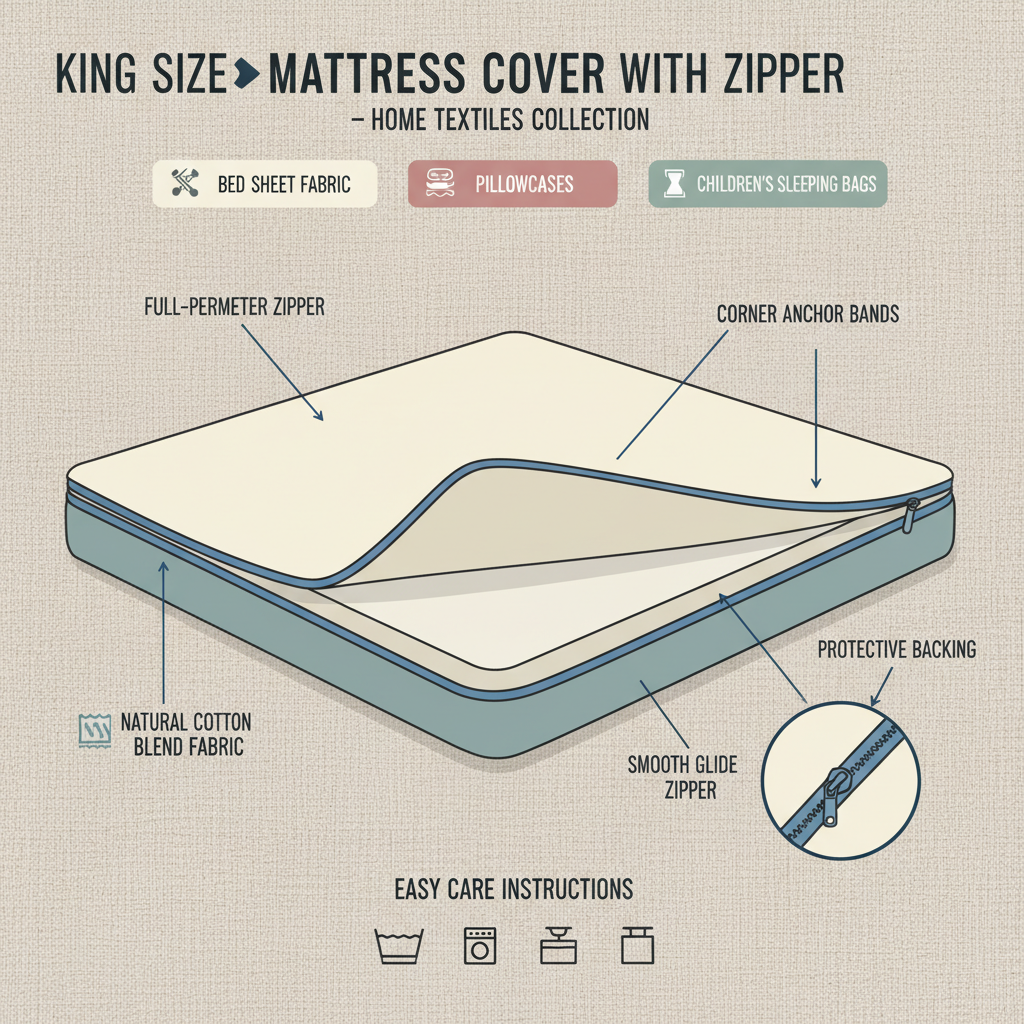
Best King Size Mattress Cover with Zipper for Complete Protection
Investing in a high-quality mattress is only the first step toward a perfect night's sleep. To protect that investment from spills, allergens, and general wear and tear, a king size mattress cover with zipper is an essential accessory. Unlike fitted sheets or simple toppers, a zippered encasement provides 360-degree protection, ensuring that your mattress remains pristine and hygienic for years to come. Whether you are battling dust mites or simply want to keep your bed fresh, choosing the right cover can significantly enhance your sleep quality and longevity of your bedding.
Apr 09,2026
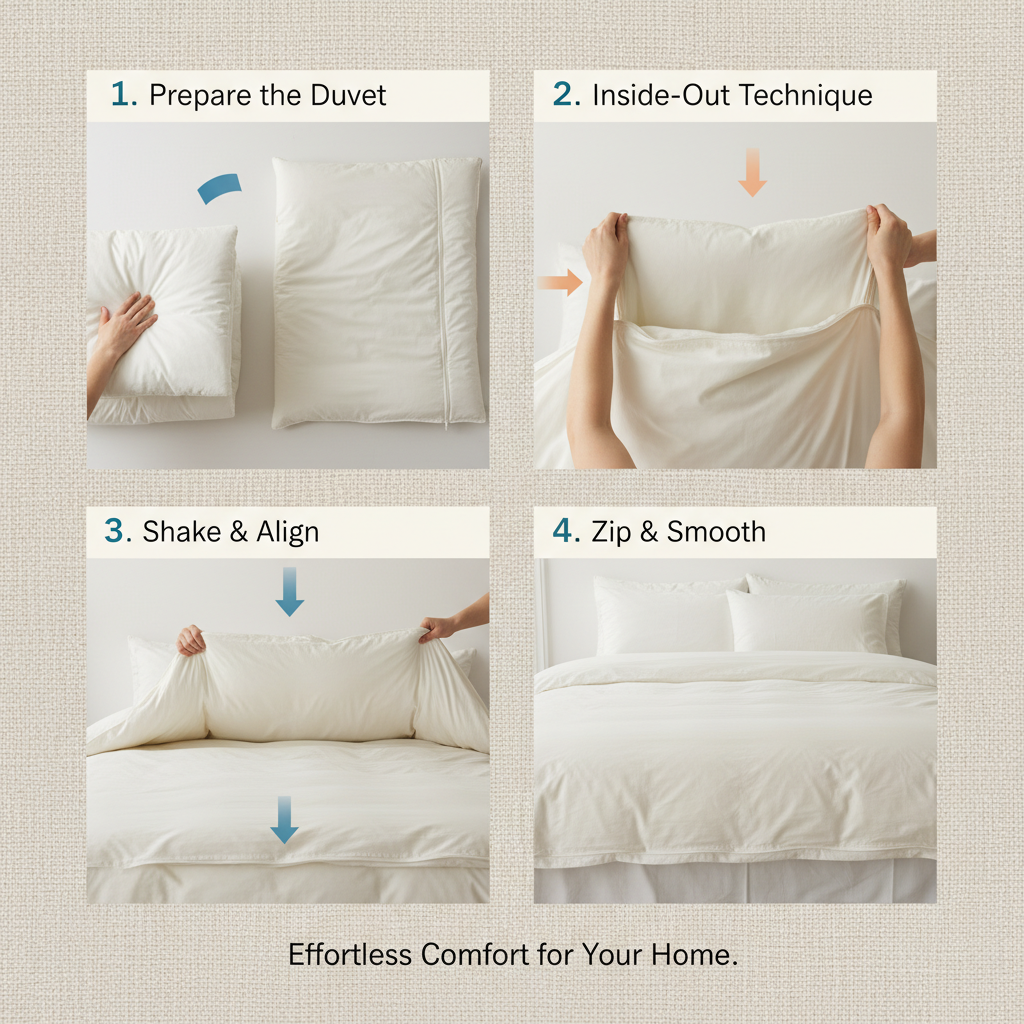
Best Guide for Choosing King Size Bed Cover with Zip Protection
Maintaining a pristine sleeping environment is essential for both hygiene and long-term mattress durability. A high-quality king size bed cover with zip provides a comprehensive shield against dust mites, allergens, and accidental spills. Unlike standard fitted sheets, a zipped encasement fully envelops the mattress, ensuring that nothing penetrates the fabric. Whether you are dealing with allergies or simply want to extend the life of your expensive king-size mattress, choosing the right protective cover is a game-changer for your bedroom health. In this guide, we will explore the technical advantages, materials, and key considerations for selecting the perfect enclosure for your bed.
Apr 07,2026
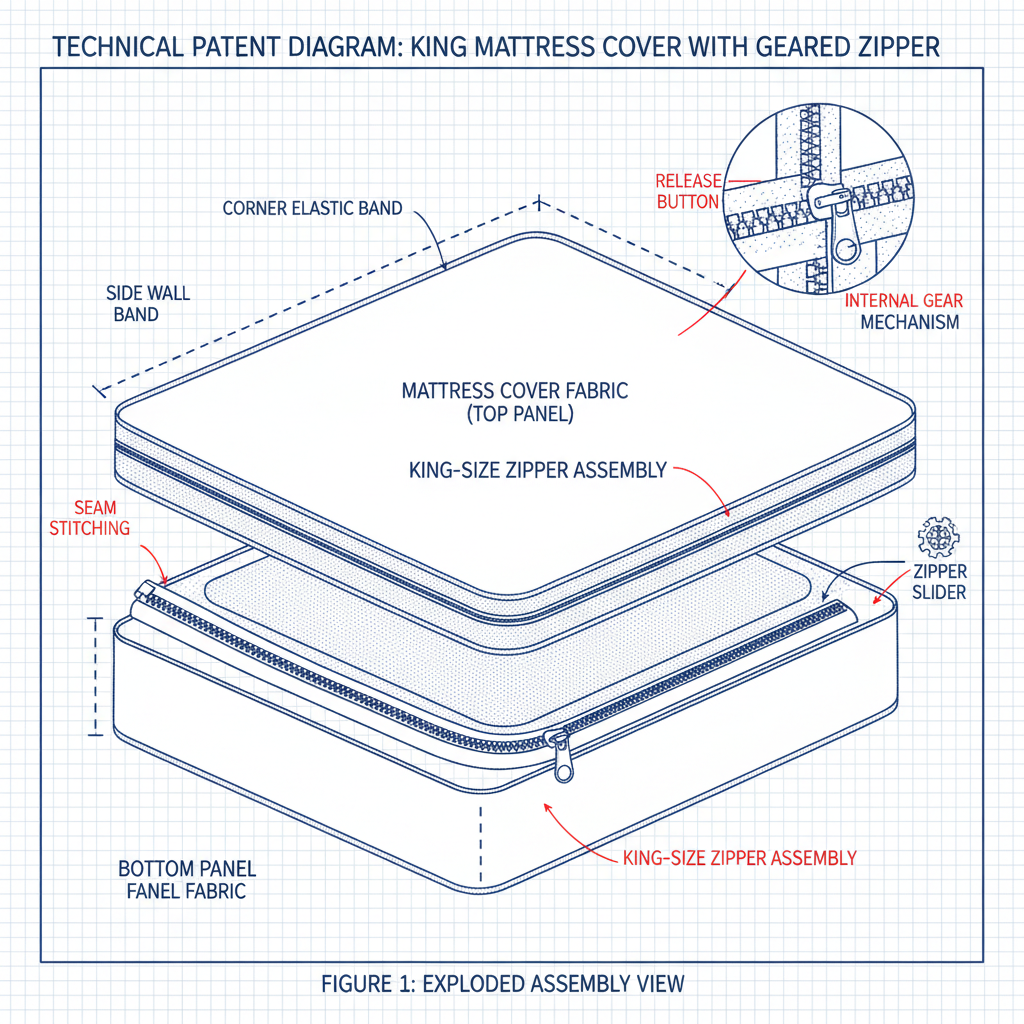
Comprehensive Guide to Choosing the Best King Mattress Cover with Zipper for Optimal Protection
Protecting your mattress is crucial for hygiene, longevity, and comfort. A king mattress cover with zipper offers a comprehensive solution, shielding against dust mites, allergens, spills, and wear and tear. This article delves into the benefits of using a zippered king mattress cover, key features to look for, materials, and how to choose the best one for your needs. Investing in a quality mattress protector is an investment in your health and the lifespan of your mattress.


Address
1010, ZHONGYUAN BUILDING, NO.368 NORTH YOUYI STREET. SHIJIAZHUANG,HEBEI,CHINA.


