



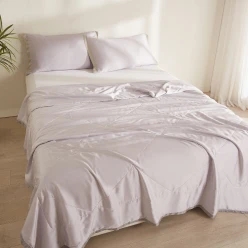



The Essential Guide to Cotton Bed Sheets: Why They Matter Worldwide
When you think about something as simple as a cotton bed sheet, it might seem unremarkable at first. But look closer, and you start to see the global economic, social, and environmental threads woven into this humble bedroom staple. Cotton bed sheets aren’t just about comfort and warmth; they’re essential to multiple industries and impact sustainability efforts worldwide. Understanding the nuances of cotton bed sheets shines a light on supply chains, ethical manufacturing, and even disaster relief logistics.
Why Cotton Bed Sheets Matter on a Global Scale
The global textile industry is enormous — according to the World Bank, over 60 million tons of textile fibers are produced annually, a good chunk of which involves cotton. Cotton bed sheets, in particular, represent a sizable portion of home textiles, contributing to billions in retail sales across continents from North America to Asia. But the story isn’t just about numbers. Cotton cultivation, processing, and final product manufacturing involve complex challenges, like water consumption, labor rights, and environmental impact.
Interestingly, as countries urbanize, demand for quality bedding increases. The UN’s Food and Agricultural Organization notes that cotton remains one of the most widely grown fibers globally, but producers now face the pressure to be more sustainable and transparent. At the same time, humanitarian organizations rely heavily on cotton sheets for disaster relief — offering dignity and comfort to displaced families around the world.
In brief: Cotton bed sheets hold a surprisingly pivotal role — economically, socially, and environmentally.
What Exactly Is a Cotton Bed Sheet?
Simply put, a cotton bed sheet is a bedding accessory made primarily from cotton fibers. Cotton itself is a natural fiber harvested from the seed hairs of the cotton plant. It’s cherished for its breathability, softness, and durability. When woven into sheets, cotton provides a comfortable sleeping surface that’s hypoallergenic and fairly easy to maintain.
More than just bedding, cotton bed sheets intersect with major industries — think hospitality, healthcare, and even relief aid. Their natural fibers make them preferable in many contexts where synthetic textiles might irritate sensitive skin or generate static. Plus, cotton’s biodegradability appeals to eco-conscious consumers.
Core Aspects of Cotton Bed Sheets You Should Know
1. Thread Count and Weave
Thread count often gets talked about like it’s the end-all, be-all of sheet quality, but the weave can matter just as much. A higher thread count generally signals a smoother, more durable fabric, but without quality cotton and good weave, it won’t feel luxurious. Common weaves include percale (crisp and breathable) and sateen (silky and smooth). In reality, a 300-400 thread count percale sheet feels better for warm sleepers than a 600+ sateen one.
2. Durability and Care
Cotton bed sheets are hardy — they withstand machine washing well, though repeated laundering can weaken fibers over time. Pre-shrunk cotton and combed cotton yarns tend to hold up better. For someone who appreciates long-term value, these factors influence how often sheets get replaced. A quality cotton bed sheet can last years with proper care.
3. Sustainability
This is where things get complicated. Conventional cotton farming is water- and pesticide-intensive. That said, organic cotton and newer farming techniques are shifting production toward more sustainable practices. Certifications like GOTS (Global Organic Textile Standard) raise the bar for sustainable cotton sheets, ensuring eco-friendly farming and ethical labor.
4. Cost Efficiency
While cotton bed sheets may come with a higher upfront price tag compared to polyester blends, their durability and comfort often make them more cost-effective in the long run. Plus, many manufacturers now offer budget-friendly options without sacrificing too much quality.
5. Hypoallergenic Properties
Cotton’s natural fibers reduce allergic reactions for many users, which explains their popularity in healthcare settings. They’re breathable and less likely to harbor dust mites than some synthetic materials.
Mini Takeaway:
Quality cotton bed sheets hinge on thread count, weave, and sustainable practices — all balancing comfort with responsibility.
Where Are Cotton Bed Sheets Changing Lives?
Cotton bed sheets find their way into many corners of the world. Hospitality chains from Europe to Asia depend on them for guest comfort. Hospitals use them for their hypoallergenic qualities. But one of the most heartening applications is in humanitarian aid.
For instance, in post-disaster relief efforts (think typhoons in Southeast Asia or wildfires in California), NGOs distribute cotton sheets because they offer a soft, breathable, and dignified sleeping option. Oddly enough, while the focus is often on tents or food, bedding like cotton sheets helps reestablish normalcy.
Meanwhile, in remote industrial camps or mining sites—often in dusty or harsh environments—cotton sheets help workers rest better, improving overall productivity.
Product Specifications: A Snapshot of Typical Cotton Bed Sheets
| Specification | Detail |
|---|---|
| Material | 100% Combed Cotton |
| Thread Count | 300 - 400 |
| Weave | Percale / Sateen |
| Care | Machine Washable, Pre-shrunk |
| Certifications | GOTS, OEKO-TEX Standard 100 |
| Sizing | Twin, Full, Queen, King, California King |
Top Vendors Compared: What Sets Them Apart
| Vendor | Price Range | Material Quality | Sustainability Certs | Best Use Cases |
|---|---|---|---|---|
| PureCotton Co. | $$$ | Long-Staple Combed Cotton | GOTS, Fair Trade | Luxury Hotels, Eco-Consumers |
| EcoSheet Textiles | $$ | Organic Cotton Blend | OEKO-TEX Standard 100 | NGO Relief, Hospitals |
| BudgetCotton | $ | Standard Cotton | None | Hostels, Dormitories |
Why Invest in Cotton Bed Sheets? The Advantages & Long-Term Value
- Sustainability: More eco-friendly than synthetics due to biodegradability.
- Comfort & Breathability: Keeps you cool in summer, cozy in winter.
- Social Impact: Supporting fair-trade, organic cotton farming improves communities.
- Durability: Lasts longer with proper care, offering better value.
- Emotional Comfort: There’s something soothing about natural fibers touching your skin at the end of a long day.
Emerging Trends and What's Next for Cotton Bed Sheets
The textile world is constantly evolving. Recently, we're seeing a push toward sustainable cotton farming powered by AI-driven irrigation systems — cutting water use by up to 40%. On the product side, blending cotton with recycled fibers or adding natural antimicrobial finishes is gaining traction. Some brands also incorporate digital customization, allowing customers to choose colors, patterns, and even weave types online.
Then there’s the rise of “smart bedding” concepts, where sensors might be woven invisibly into cotton fabrics to monitor sleep quality without sacrificing comfort. Those dreams? They’re close.
Common Obstacles and How the Industry Is Overcoming Them
Frankly, growing and producing cotton bed sheets sustainably remains a tough nut to crack. High water use and pesticide concerns shadow conventional cotton. Additionally, ensuring fair labor practices in growing regions is a persistent challenge. But thanks to initiatives like the Better Cotton Initiative (BCI) and certifications mentioned earlier, transparency is improving.
Technical challenges include preventing shrinkage and maintaining softness over time – which manufacturers tackle through advanced combing and finishing processes. Consumers choosing certified, pre-shrunk cotton can avoid many hassles.
FAQ: Cotton Bed Sheets
- Q: What thread count is ideal for a comfortable cotton bed sheet?
- A: Generally, a thread count between 300 and 400 provides a balance of softness and breathability. Higher counts can feel heavy and less airy, which might not suit everyone.
- Q: Are organic cotton bed sheets really worth the price?
- A: While often pricier, organic cotton sheets reduce pesticide exposure and support sustainable farming. They also tend to be hypoallergenic and softer, which many users find worthwhile for the extra cost.
- Q: How do I care for my cotton bed sheets to make them last?
- A: Wash sheets in cold or warm water using gentle detergents. Avoid bleach and high heat drying to maintain fiber strength and color brightness.
- Q: Can cotton bed sheets provide thermal comfort year-round?
- A: Yes! Cotton’s breathability helps keep you cool during summer, while its natural fibers provide some insulation in cooler months, making it versatile.
- Q: Where can I buy ethically-produced cotton bed sheets?
- A: Look for brands with GOTS or Fair Trade certifications. Many online retailers now focus on transparency and sustainability—for example, see cotton bed sheet options here.
Wrapping Up: Why Cotton Bed Sheets Deserve Your Attention
It might be surprising that something as everyday as a cotton bed sheet ties into global sustainability efforts, ethical labor, health benefits, and even emergency relief comforts. Investing in good quality, sustainable cotton sheets means better sleep, support for responsible farming, and a smaller environmental footprint.
Curious to learn more or shop the best? Visit our website: https://www.bedencasement.com — because good bedding really does make a difference.
References

Related Products
Our Latest News
Apr 16,2026
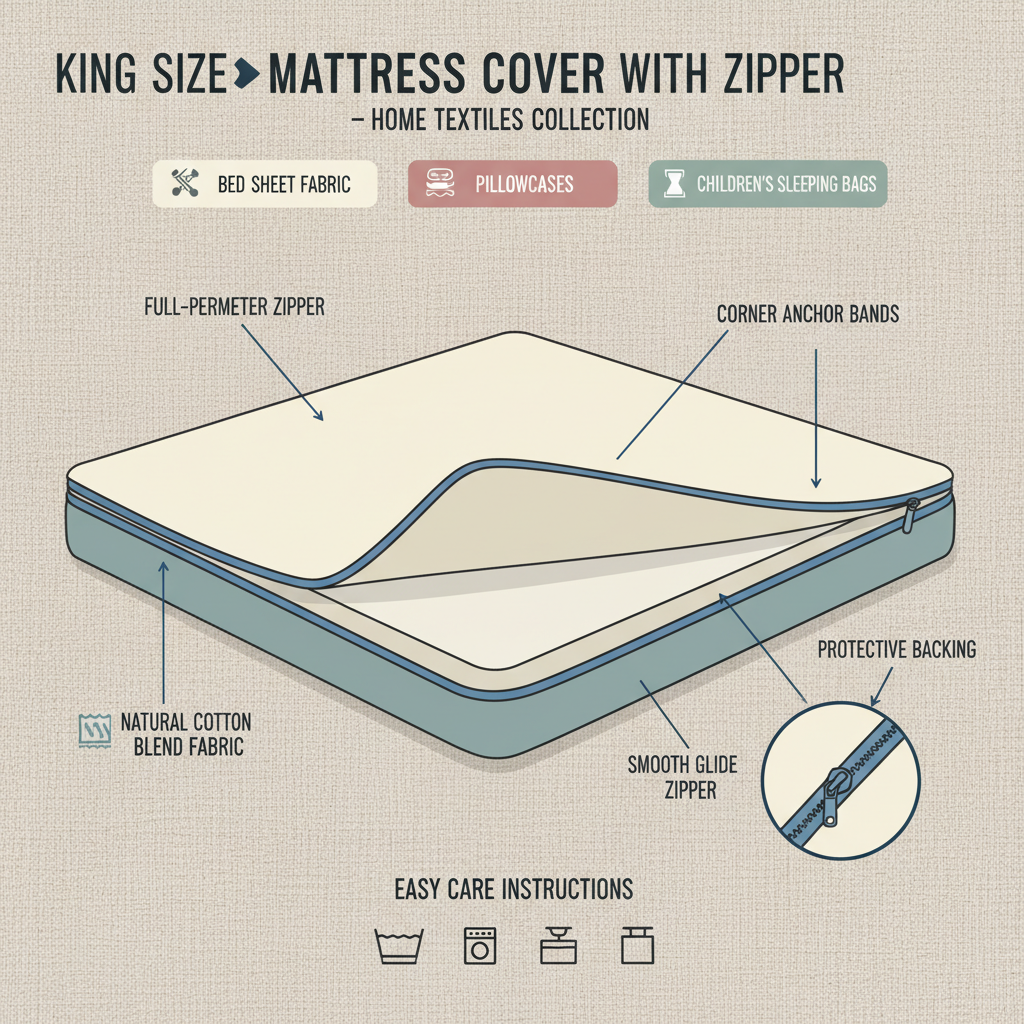
Best King Size Mattress Cover with Zipper for Complete Protection
Investing in a high-quality mattress is only the first step toward a perfect night's sleep. To protect that investment from spills, allergens, and general wear and tear, a king size mattress cover with zipper is an essential accessory. Unlike fitted sheets or simple toppers, a zippered encasement provides 360-degree protection, ensuring that your mattress remains pristine and hygienic for years to come. Whether you are battling dust mites or simply want to keep your bed fresh, choosing the right cover can significantly enhance your sleep quality and longevity of your bedding.
Apr 09,2026
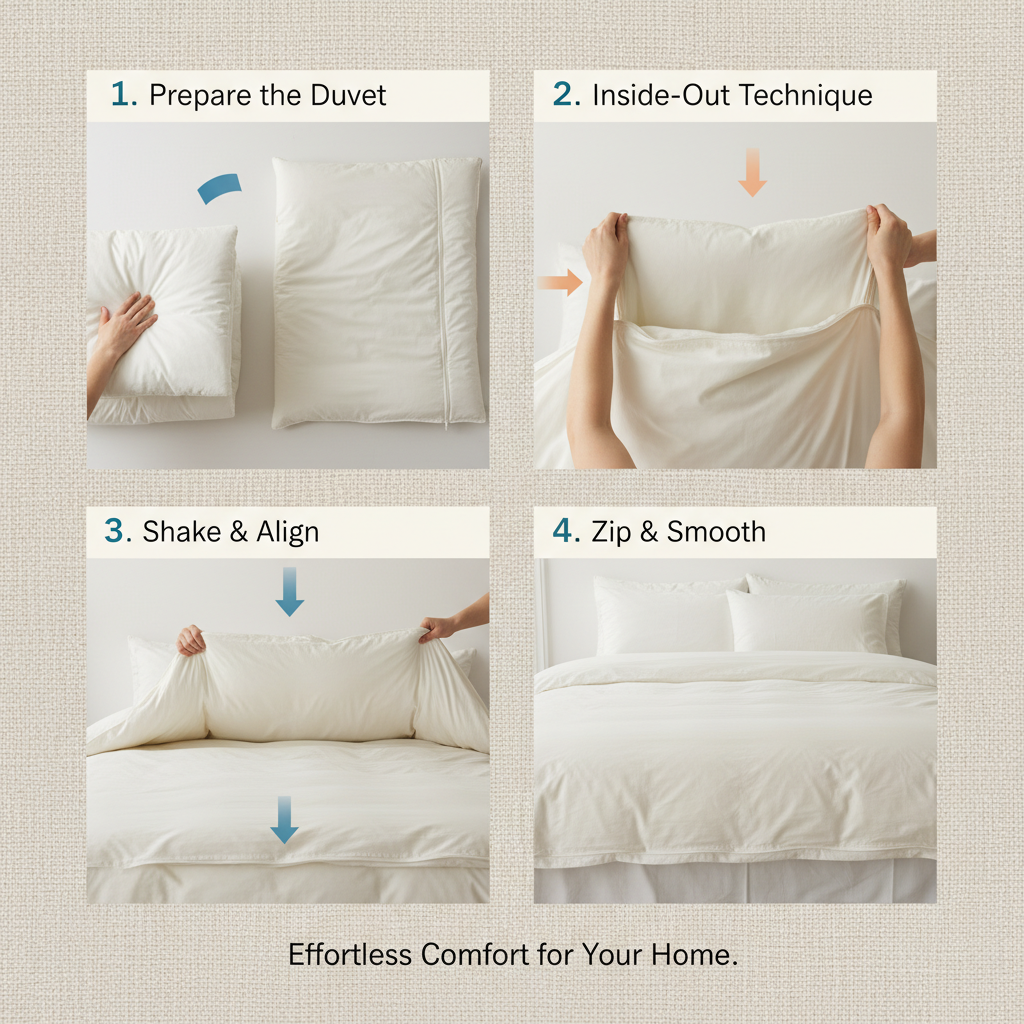
Best Guide for Choosing King Size Bed Cover with Zip Protection
Maintaining a pristine sleeping environment is essential for both hygiene and long-term mattress durability. A high-quality king size bed cover with zip provides a comprehensive shield against dust mites, allergens, and accidental spills. Unlike standard fitted sheets, a zipped encasement fully envelops the mattress, ensuring that nothing penetrates the fabric. Whether you are dealing with allergies or simply want to extend the life of your expensive king-size mattress, choosing the right protective cover is a game-changer for your bedroom health. In this guide, we will explore the technical advantages, materials, and key considerations for selecting the perfect enclosure for your bed.
Apr 07,2026
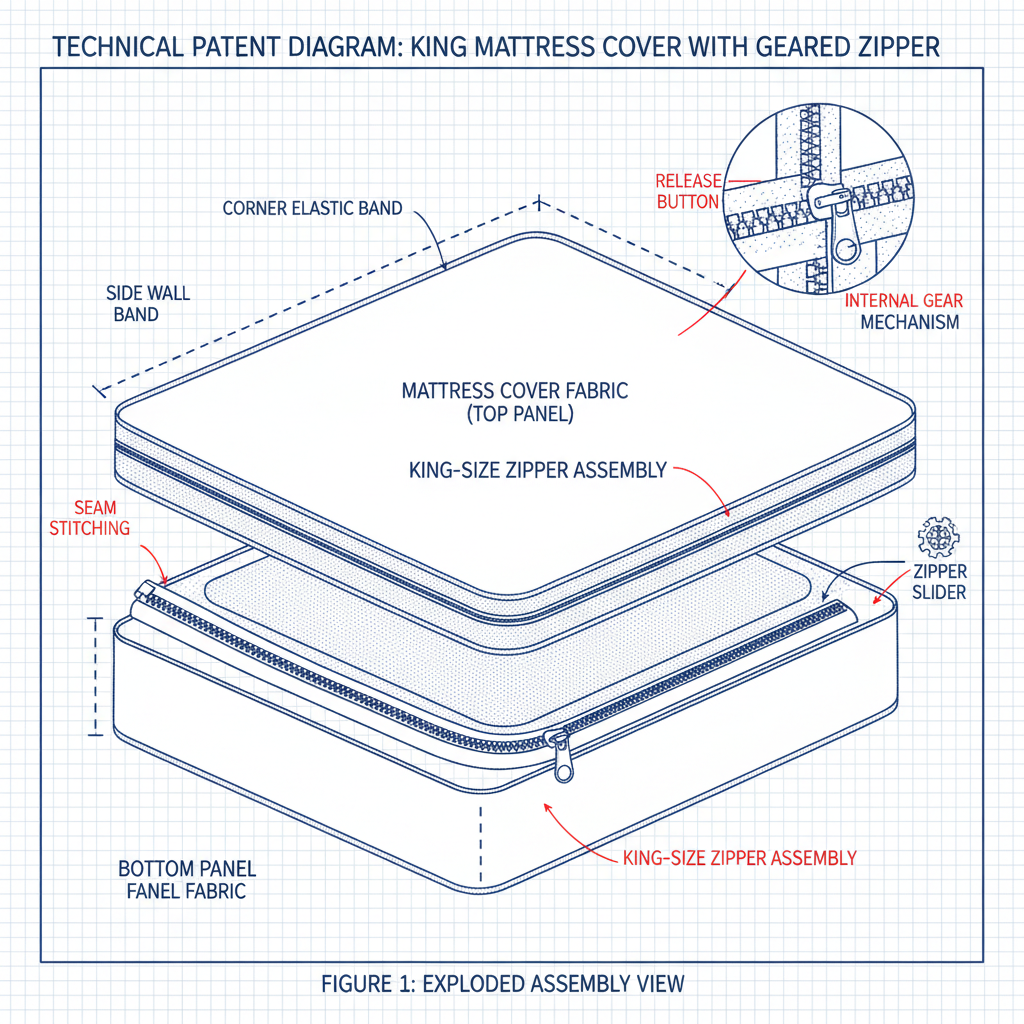
Comprehensive Guide to Choosing the Best King Mattress Cover with Zipper for Optimal Protection
Protecting your mattress is crucial for hygiene, longevity, and comfort. A king mattress cover with zipper offers a comprehensive solution, shielding against dust mites, allergens, spills, and wear and tear. This article delves into the benefits of using a zippered king mattress cover, key features to look for, materials, and how to choose the best one for your needs. Investing in a quality mattress protector is an investment in your health and the lifespan of your mattress.


Address
1010, ZHONGYUAN BUILDING, NO.368 NORTH YOUYI STREET. SHIJIAZHUANG,HEBEI,CHINA.


