



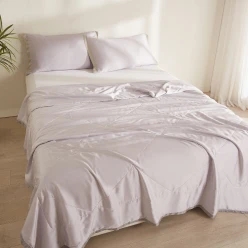


The Soft Power of Cotton King Size Bed Sheets: Why They Matter Worldwide
When you think of global industries with tangible human impact, textiles might not always be the first to pop in your head — yet cotton king size bed sheets quietly play a more important role than you might expect. From providing comfort in homes to outfitting hospitals and relief centers, the humble cotton bed sheet shapes health, hygiene, and tranquility worldwide. Understanding what makes these sheets so valued helps us appreciate not only consumer choices but also broader economic and social frameworks.
Global Context: Cotton King Size Bed Sheets in the World Today
It may surprise some that cotton remains the most widely used natural fiber fabric, responsible for about 26% of global fiber use according to the Wikipedia cotton entry. King size bed sheets, with their expansive dimensions, especially highlight the balance between material efficiency and user comfort. Production hubs span continents — from India’s bustling cotton fields to the evolving textile sectors in Southeast Asia and Egypt.
But there’s an ongoing challenge: the sustainability and sourcing of cotton textiles. Conventional cotton cultivation is water-intensive, and with rising environmental concerns, the industry is under pressure to grow responsibly. Meanwhile, consumers — whether in hotels, hospitals, or households — seek durable, breathable, and affordable king size cotton bed sheets. This intersection of demand and sustainability makes the market fascinating and vital.
What Exactly Are Cotton King Size Bed Sheets?
Simply put, cotton king size bed sheets are large sheets of fabric, made primarily from cotton fibers, designed to fit king-sized mattresses — generally measuring 76” x 80” or about 193 x 203 cm. These sheets cover the mattress and are a key part of bedding sets, prized for their softness, breathability, and hypoallergenic qualities.
More than just home essentials, they also serve critical roles in hospitals, refugee camps, and disaster relief shelters where hygiene and comfort dramatically affect wellbeing. In these scenarios, cotton’s natural fiber is preferred because it absorbs moisture, withstands frequent washing, and feels softer than synthetic alternatives.
Key Factors Affecting Cotton King Size Bed Sheets
1. Durability & Thread Count
Thread count is often revered as a quality indicator but doesn’t tell the whole story. High-quality cotton bed sheets typically range from 200 to 400 thread count — actually, beyond 400 can sometimes compromise breathability. Durability depends on the cotton type (like Egyptian or Pima cotton) and the weave (percale or sateen). A tighter weave usually means more strength.
2. Breathability and Comfort
Cotton fibers naturally allow air circulation, reducing hot, sticky nights. Especially for king size bed sheets, ensuring even airflow gives sleepers a cooler, more restful experience. This is one reason hospitals prefer cotton sheets — it helps prevent bedsores and keeps patients comfortable during long stays.
3. Sustainability & Organic Options
Conventional cotton farming uses pesticides and lots of water, but organic cotton king sheets are gaining traction. They use fewer chemicals, minimize environmental damage, and often carry certifications like GOTS (Global Organic Textile Standard). As consumers grow eco-conscious, suppliers are adjusting.
4. Cost Efficiency
The price tag can vary widely, but buying cotton king size bed sheets is an investment. Durable sheets last years, saving frequent replacements. Bulk purchases supply hotels and institutions at lower per-unit prices, but premium cotton types demand premium prices.
5. Maintenance and Longevity
Cotton sheets can be machine-washed at high temperatures and often improve softness with each wash. However, improper drying or detergent choice can shorten lifespan. Textiles designed for industrial use must handle harsh laundering while keeping integrity.
Product Specifications for Cotton King Size Bed Sheets
| Feature | Typical Range | Notes |
|---|---|---|
| Material | 100% Cotton / Organic Cotton | Varies by source and certification |
| Thread Count | 200 - 400 | Balance of softness and durability |
| Weave Type | Percale, Sateen | Percale is crisp; sateen is silky |
| Size (Sheet Dimensions) | 76” x 80” (Standard King) | Compatibility with mattress height varies |
| Care Instructions | Machine wash warm; tumble dry low | Can shrink if improperly cared for |
Vendor Comparison: Popular Cotton King Size Bed Sheet Suppliers
| Vendor | Material Quality | Price Range (per set) | Sustainability Certification | Bulk Order Discounts |
|---|---|---|---|---|
| CottonCloud | Egyptian Cotton, 300 TC | $70 - $110 | GOTS Certified Organic | 10% on orders > 50 sets |
| SleepWell Textiles | Upland Cotton, 250 TC | $40 - $75 | Standard Cotton (No Certification) | 5% on orders > 100 sets |
| EcoSleep | Organic Cotton, 280 TC | $85 - $130 | GOTS & OEKO-TEX Certified | 15% on orders > 30 sets |
Global Applications & Use Cases
Where do cotton king size bed sheets really shine? In real terms, their usage spans many sectors:
- Hospitality Industry: Hotels worldwide demand soft, durable king size sheets to deliver a luxurious guest experience.
- Healthcare Facilities: Cotton’s breathability and easy washability make it the preferred option in hospitals and clinics, contributing to patient comfort and hygiene.
- Disaster Relief & Refugee Camps: Organizations like the UN and Red Cross rely heavily on cotton bedding to provide dignity and warmth in difficult conditions.
- Domestic Use: Comfort-conscious consumers supply their homes — you might have seen a range of cotton king size bed sheets in the market, reflecting personal taste and sustainability concerns.
In post-disaster relief operations, for example, NGOs supply bulk cotton sheets as part of bedding kits — the fabric’s durability ensures multiple uses in rough conditions. Oddly enough, even in remote industrial zones where workers need restful downtime, cotton bedding is preferred over synthetics.
Mini Takeaway:
Cotton king size bed sheets are not just household items but core resources bridging comfort, health, and sustainability globally.
Advantages & Long-Term Value
The benefits are a blend of practical and emotional factors. Practically, cotton sheets offer:
- Longevity and resistance to repeated washing cycles
- Natural temperature regulation
- Biodegradable and more eco-friendly than synthetic options
Emotionally, there’s something about a crisp cotton sheet that creates safety and trust — a simple luxury that feels like home. For institutions, this translates to patient wellbeing or guest satisfaction, improving outcomes indirectly.
Future Trends & Innovations
Sustainability remains the buzzword, with innovations aimed at reducing water use and chemical inputs during cotton farming. Advances in organic farming and digital tracing technologies (think blockchain for cotton origins) are increasing transparency.
On the product side, blending cotton with responsibly sourced fibers is gaining ground to balance softness, durability, and cost. The rise of smart textiles that can monitor temperature or allergens might soon intersect with bedding.
Challenges & Solutions
Despite the many benefits, the cotton king size bed sheet market faces hurdles:
- Environmental Impact: Traditional cotton farming strains water and soil quality.
- Cost of Organic Varieties: Premium prices limit accessibility for some markets.
- Quality Variation: Differing cotton grades create confusion for buyers.
Experts suggest wider industry adoption of sustainable agriculture standards and consumer education can close these gaps. There’s also a push for recycling textile waste to create circular economy models, which feels promising.
FAQ: Frequently Asked Questions About Cotton King Size Bed Sheets
Q1: How do I choose the best cotton king size bed sheets for sensitive skin?
A: Look for 100% organic cotton sheets with low chemical treatments. Certifications like GOTS ensure fewer irritants. Percale weaves tend to feel crisp and are less likely to trap allergens, which benefits sensitive skin.
Q2: Can I machine wash my cotton king size sheets in hot water?
A: Yes, most cotton sheets withstand warm or hot water washing, which helps sanitize them. Avoid high heat drying to prevent shrinkage; tumble dry low or line dry when possible.
Q3: Are higher thread counts always better?
A: Not necessarily. Beyond a certain point (around 400), higher thread counts can reduce breathability. A moderate 200-400 thread count generally balances softness and airflow.
Q4: How sustainable are organic cotton sheets compared to conventional ones?
A: Organic cotton uses fewer pesticides and less water, making it more environmentally friendly. Look for certifications like OEKO-TEX and GOTS for assurance.
Q5: Where can I buy durable cotton king size bed sheets in bulk?
A: Many vendors offer bulk discounts—check suppliers that specialize in hospitality or healthcare-grade textiles. Always verify material quality and certifications to ensure longevity.
Conclusion: Why Cotton King Size Bed Sheets Are Worth It
To wrap it up, cotton king size bed sheets blend natural comfort with practical durability and sustainability — factors that resonate globally. Whether outfitting a luxury hotel or supporting a refugee camp, these sheets quietly improve quality of life. So next time you tuck into fresh cotton bedding, remember it’s a small but significant thread in the fabric of global wellbeing.
Looking to upgrade your bedding experience? Visit our website: cotton king size bed sheets for trusted quality and sustainability.
References

Related Products
Our Latest News
Apr 16,2026
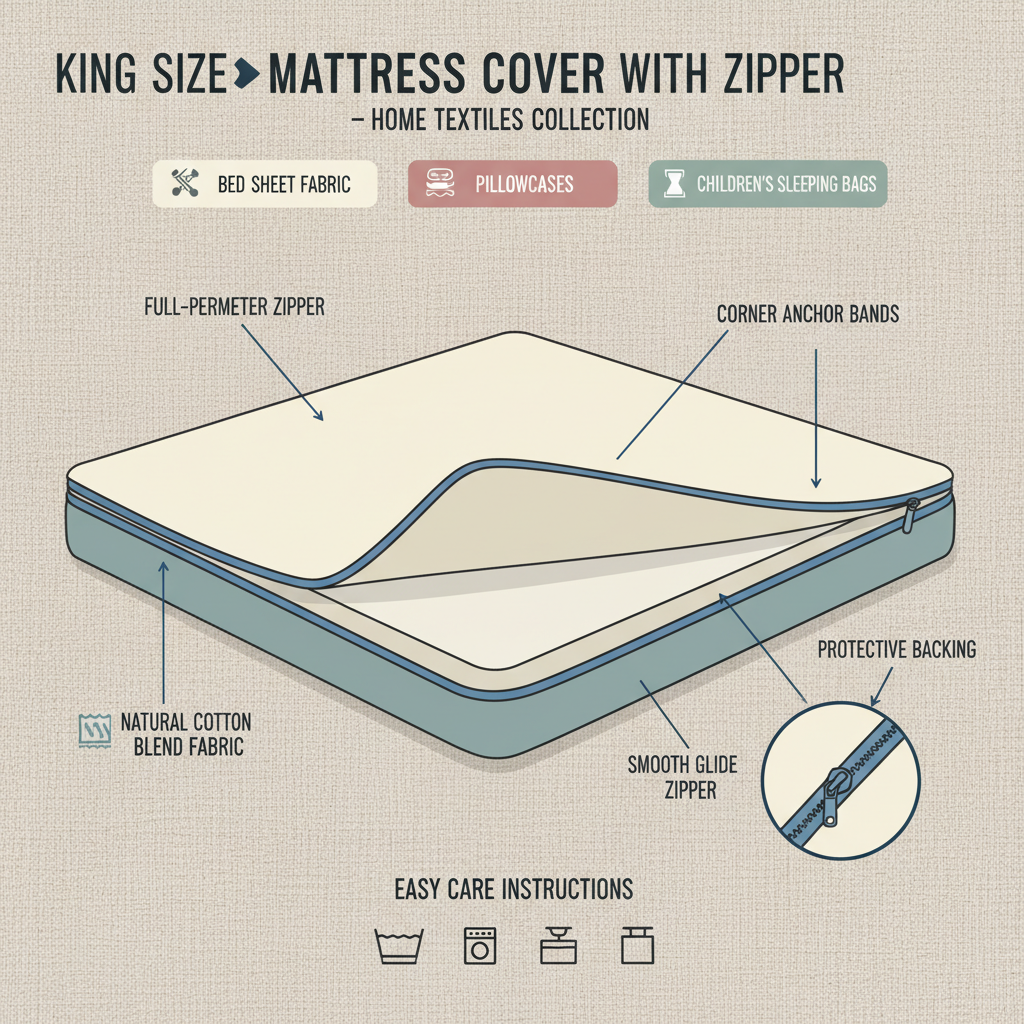
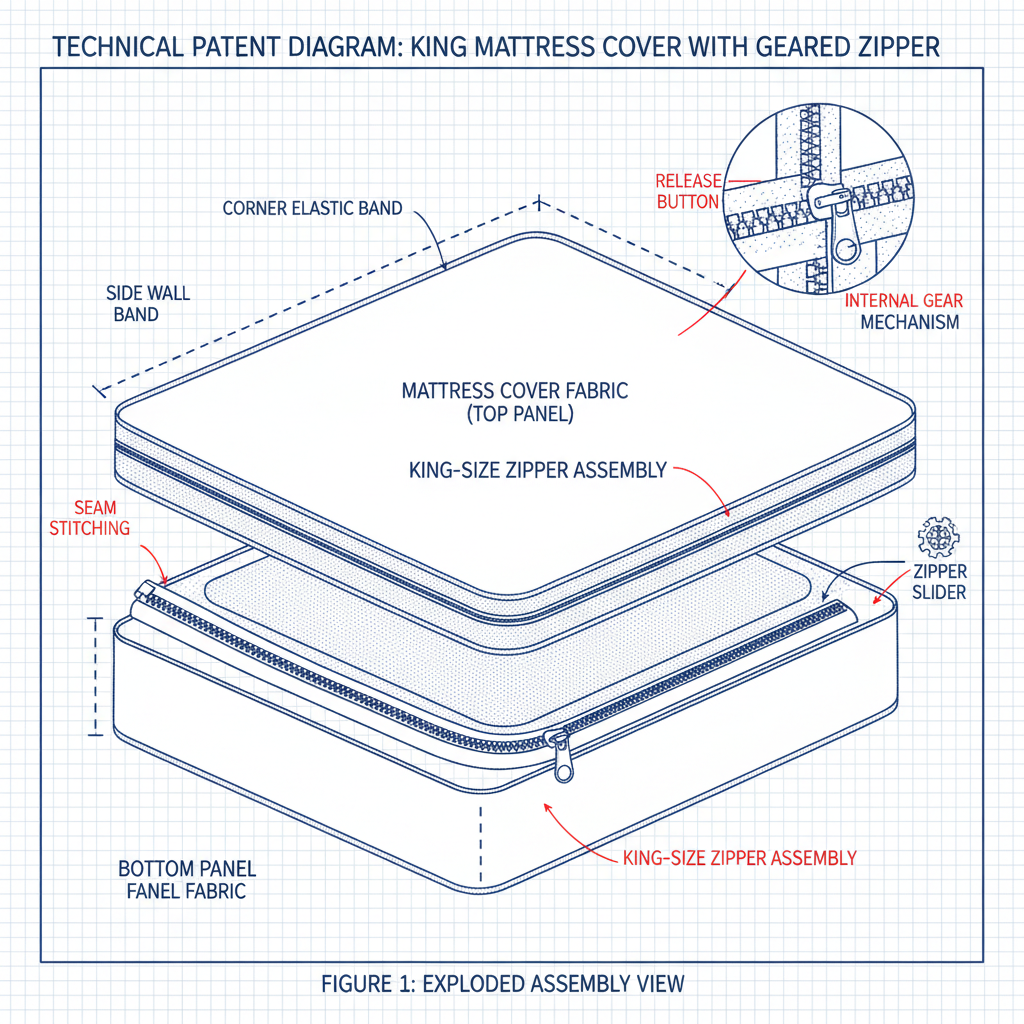
Best King Size Mattress Cover with Zipper for Complete Protection
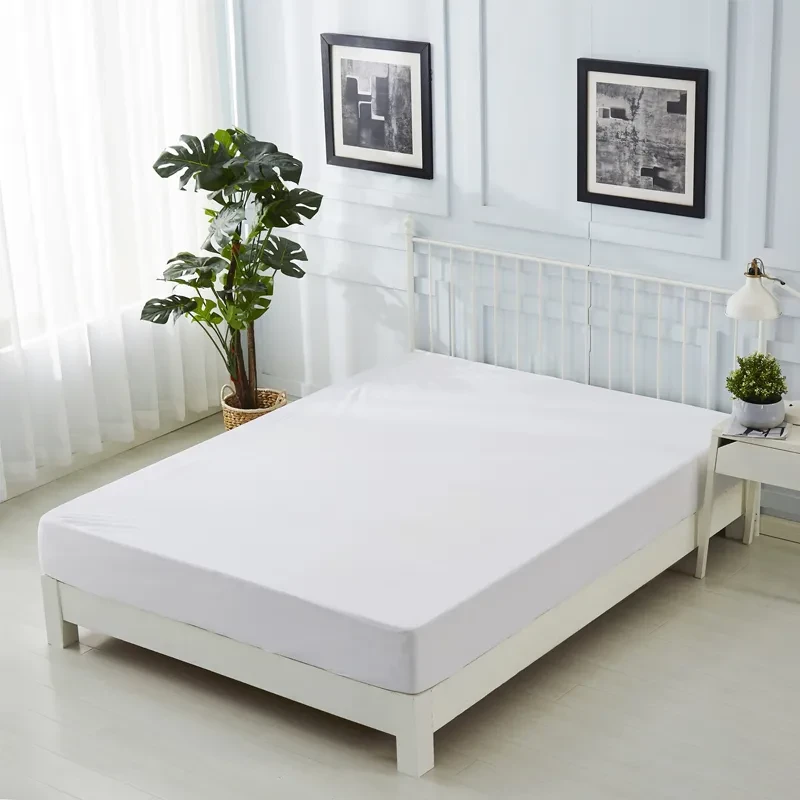
Investing in a high-quality mattress is only the first step toward a perfect night's sleep. To protect that investment from spills, allergens, and general wear and tear, a king size mattress cover with zipper is an essential accessory. Unlike fitted sheets or simple toppers, a zippered encasement provides 360-degree protection, ensuring that your mattress remains pristine and hygienic for years to come. Whether you are battling dust mites or simply want to keep your bed fresh, choosing the right cover can significantly enhance your sleep quality and longevity of your bedding.
Apr 09,2026
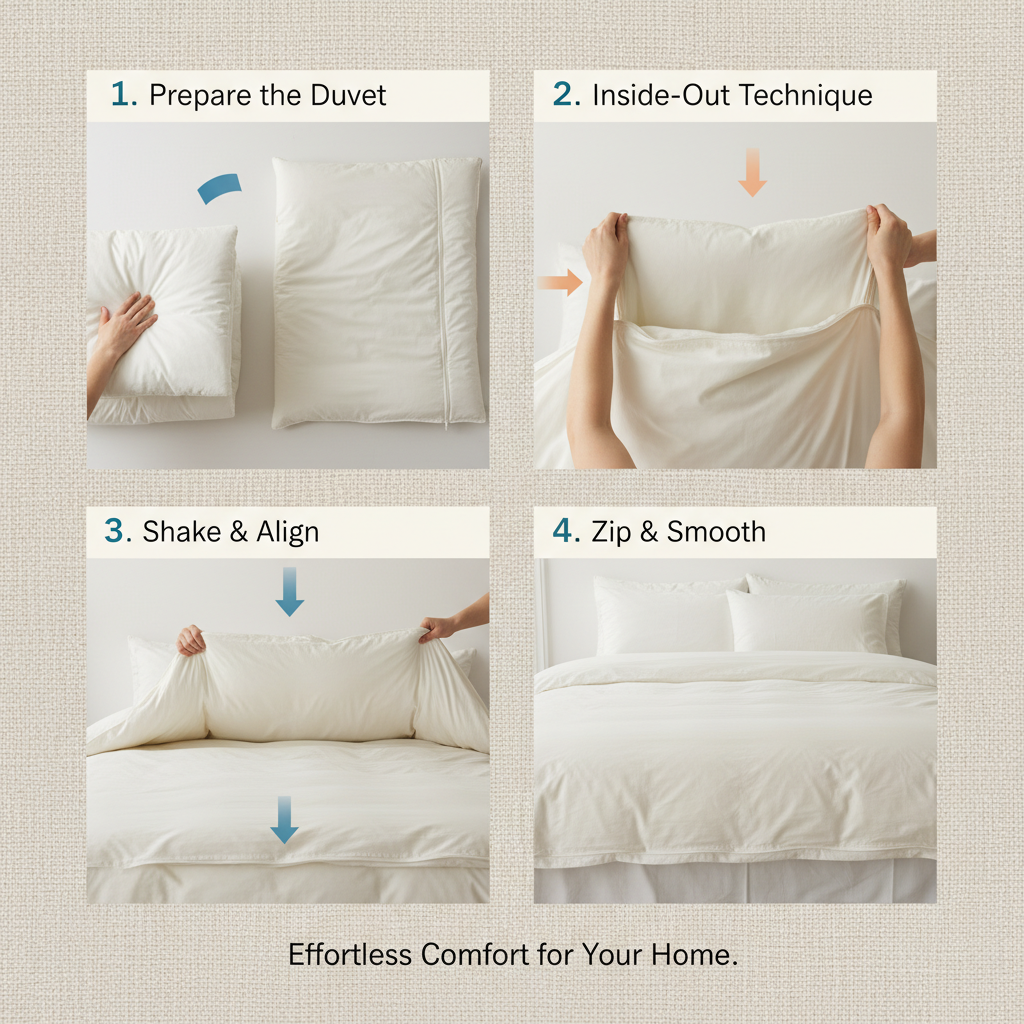
Best Guide for Choosing King Size Bed Cover with Zip Protection
Maintaining a pristine sleeping environment is essential for both hygiene and long-term mattress durability. A high-quality king size bed cover with zip provides a comprehensive shield against dust mites, allergens, and accidental spills. Unlike standard fitted sheets, a zipped encasement fully envelops the mattress, ensuring that nothing penetrates the fabric. Whether you are dealing with allergies or simply want to extend the life of your expensive king-size mattress, choosing the right protective cover is a game-changer for your bedroom health. In this guide, we will explore the technical advantages, materials, and key considerations for selecting the perfect enclosure for your bed.
Apr 07,2026
Comprehensive Guide to Choosing the Best King Mattress Cover with Zipper for Optimal Protection
Protecting your mattress is crucial for hygiene, longevity, and comfort. A king mattress cover with zipper offers a comprehensive solution, shielding against dust mites, allergens, spills, and wear and tear. This article delves into the benefits of using a zippered king mattress cover, key features to look for, materials, and how to choose the best one for your needs. Investing in a quality mattress protector is an investment in your health and the lifespan of your mattress.


Address
1010, ZHONGYUAN BUILDING, NO.368 NORTH YOUYI STREET. SHIJIAZHUANG,HEBEI,CHINA.


