





Understanding bed protector price: What affects it and why it matters
Having worked around industrial equipment for well over a decade, I’ve come across more than a few products where price seemed to puzzle buyers. One of those is bed protectors — a deceptively simple item with a price tag that can vary quite a bit. Frankly, when you see a bed protector price range from $20 to over $100, it triggers a typical industry question: what exactly am I paying for?
Well, the short answer is a combination of materials, design engineering, certifications, and of course, vendor reliability. Bed protectors, especially in commercial or healthcare settings, aren’t just thin sheets to cover a mattress. They need to be waterproof, breathable, and durable enough to survive repeated laundering and harsh chemical disinfectants. Oddly enough, getting these features right involves some surprisingly intricate manufacturing steps.
In real terms, the core material influences the price significantly. Most decent bed protectors use polyurethane laminate (PUL) bonded to tightly woven polyester or cotton blends. This combination offers a quiet fabric feel without the crinkly noise some low-cost protectors had back in the day — which, trust me, patients and users appreciate. The more advanced protectors also include antimicrobial treatments or are certified for allergy resistance, pushing the price up further.
Here’s a quick rundown of typical bed protector specs that affect pricing and performance:
| Feature | Description | Impact on Price |
|---|---|---|
| Material | Polyurethane laminate on polyester/cotton blend | Medium to high |
| Waterproof rating | Impermeable to liquids, breathable to air/moisture vapor | High |
| Certifications | Hypoallergenic, OEKO-TEX certification, antimicrobial | Variable - adds premium |
| Size and fit | Standard twin to king, with elastic or zip options | Modest impact |
| Durability (wash cycles) | Ability to withstand >200 industrial washes | High for industrial-grade |
Now, from my dealings with suppliers over the years, pricing can also reflect the vendor’s quality controls and after-sales support. A fair number of engineers and procurement folks I know prefer paying a bit extra upfront for reliable suppliers who provide documentation and respond quickly. It’s just less hassle in the long run.
To make this clearer, here’s a vendor comparison — showing typical bedsheet protector pricing for industrial or healthcare use, combined with key service attributes:
| Vendor | Price Range (USD) | Material Quality | Certifications | Warranty / Support |
|---|---|---|---|---|
| Alpha Industrial Textiles | $40 - $70 | Good | OEKO-TEX | 2 years, responsive |
| BedGuard Pro Solutions | $60 - $100 | Premium, industrial-grade | OEKO-TEX, Hypoallergenic | 3 years, 24/7 support |
| EconoProtect Gear | $20 - $35 | Basic | None | Limited (30-day) |
Speaking honestly, one memorable moment that stays with me was when a hospital client switched to a slightly pricier bed protector vendor. The new protectors withstood harsh bleach cycles without deterioration — something the older, cheaper ones failed at after a few months. Staff noticed the quieter fabric and patients reported feeling more comfortable. It’s that sort of feedback that reminds me — bed protector price isn’t only about the sticker number, but more about long-term value and user experience.
At the end of the day, if you’re hunting for bed protectors, consider what the product needs to do in your actual environment. Is it mostly home use? Industrial laundry? Allergy concerns? These affect where you land on the price spectrum. I suppose it comes down to balancing upfront costs with durability and comfort … and frankly, that’s a conversation every buyer must have.
In my experience, investing a little more in quality can save a lot of headaches (and replacements) down the line.
References:
1. Industry textile performance reports, 2023.
2. OEKO-TEX certification official site.
3. Feedback from healthcare procurement specialists, 2022.

Related Products
Our Latest News
Apr 16,2026
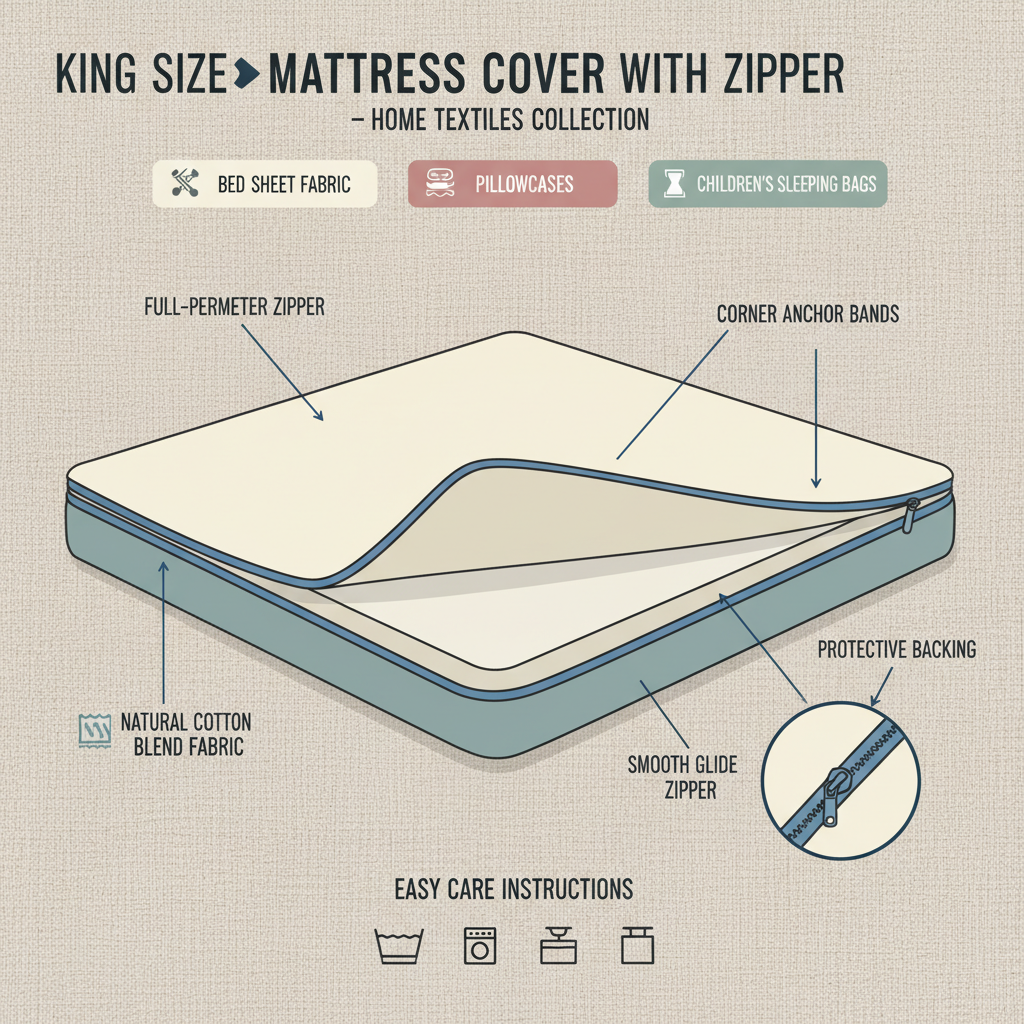
Best King Size Mattress Cover with Zipper for Complete Protection
Investing in a high-quality mattress is only the first step toward a perfect night's sleep. To protect that investment from spills, allergens, and general wear and tear, a king size mattress cover with zipper is an essential accessory. Unlike fitted sheets or simple toppers, a zippered encasement provides 360-degree protection, ensuring that your mattress remains pristine and hygienic for years to come. Whether you are battling dust mites or simply want to keep your bed fresh, choosing the right cover can significantly enhance your sleep quality and longevity of your bedding.
Apr 09,2026
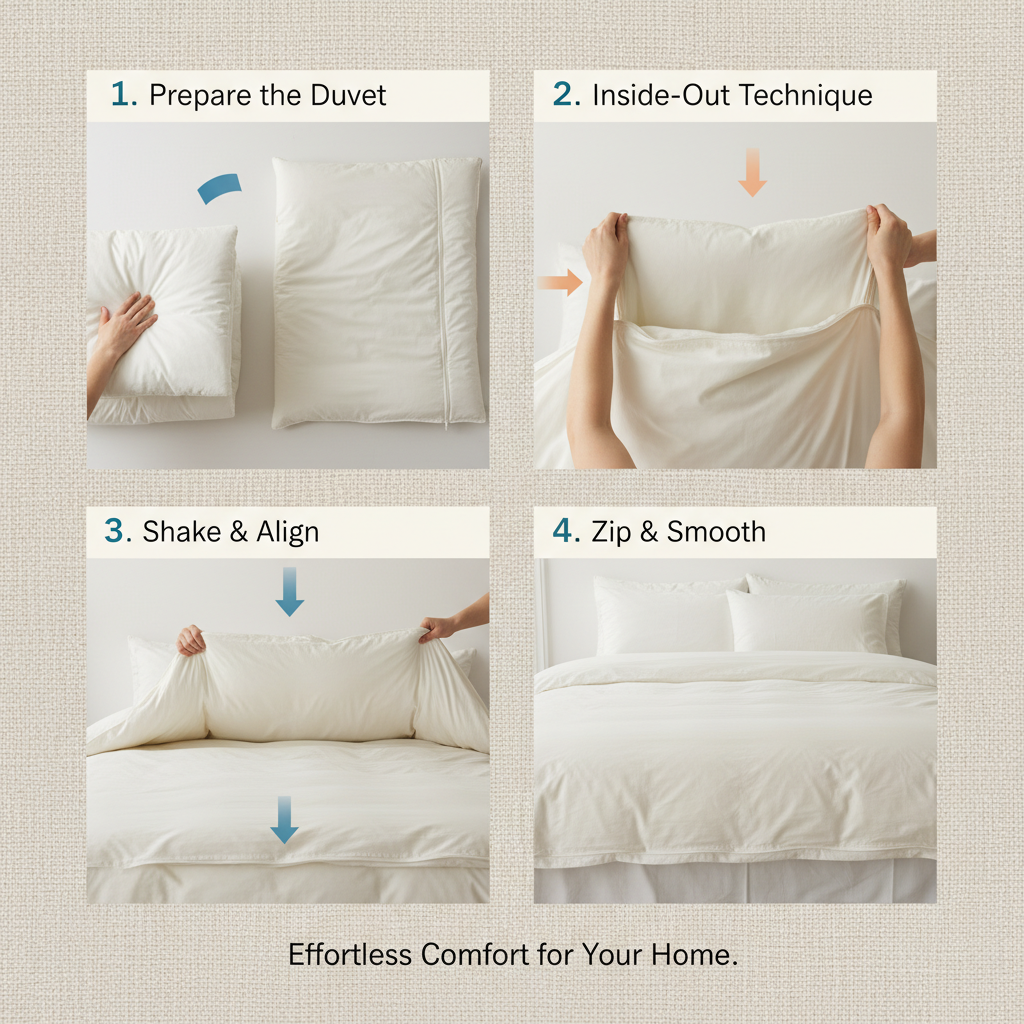
Best Guide for Choosing King Size Bed Cover with Zip Protection
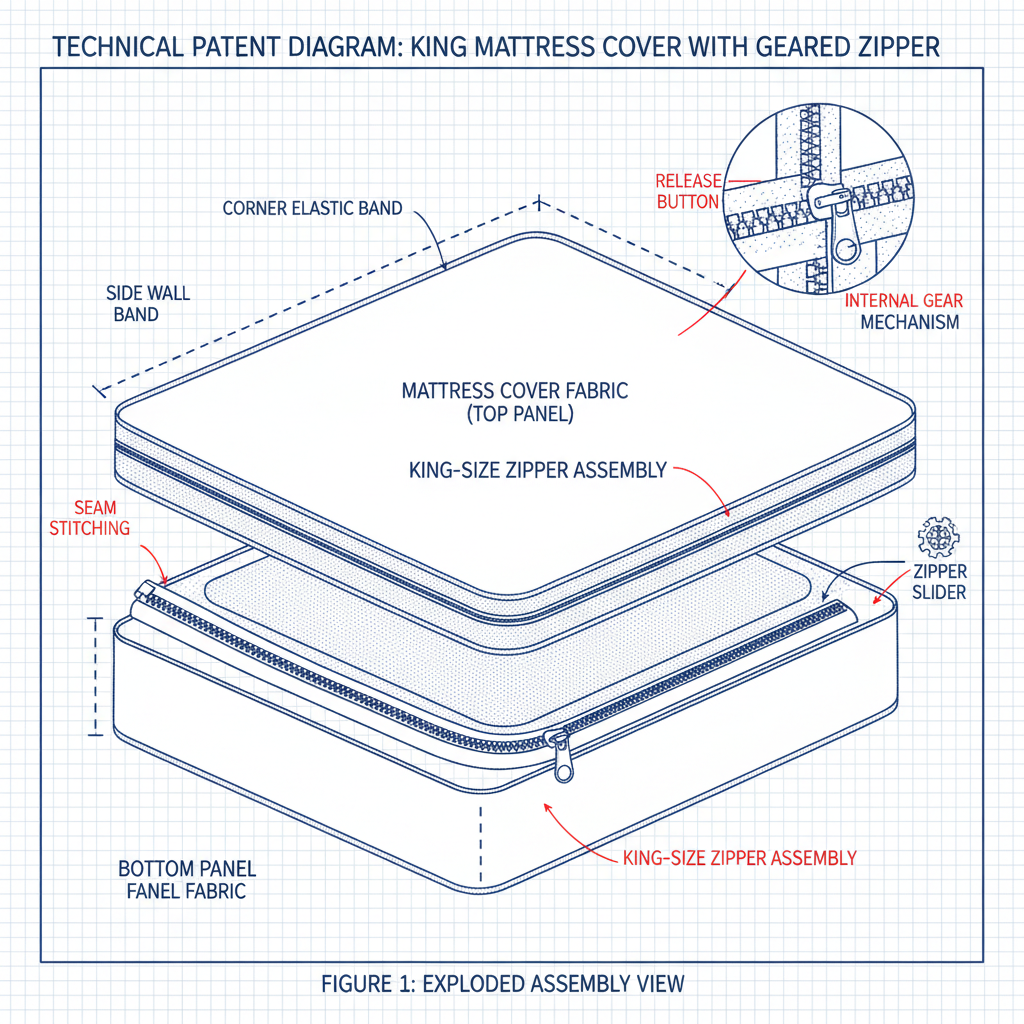
Maintaining a pristine sleeping environment is essential for both hygiene and long-term mattress durability. A high-quality king size bed cover with zip provides a comprehensive shield against dust mites, allergens, and accidental spills. Unlike standard fitted sheets, a zipped encasement fully envelops the mattress, ensuring that nothing penetrates the fabric. Whether you are dealing with allergies or simply want to extend the life of your expensive king-size mattress, choosing the right protective cover is a game-changer for your bedroom health. In this guide, we will explore the technical advantages, materials, and key considerations for selecting the perfect enclosure for your bed.
Apr 07,2026
Comprehensive Guide to Choosing the Best King Mattress Cover with Zipper for Optimal Protection
Protecting your mattress is crucial for hygiene, longevity, and comfort. A king mattress cover with zipper offers a comprehensive solution, shielding against dust mites, allergens, spills, and wear and tear. This article delves into the benefits of using a zippered king mattress cover, key features to look for, materials, and how to choose the best one for your needs. Investing in a quality mattress protector is an investment in your health and the lifespan of your mattress.


Address
1010, ZHONGYUAN BUILDING, NO.368 NORTH YOUYI STREET. SHIJIAZHUANG,HEBEI,CHINA.


