



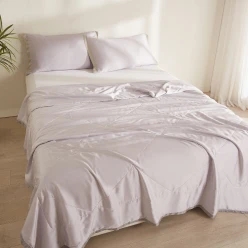


Choosing the Right Bed Cover with Zip for Queen Size
Finding the perfect bed cover with zip for queen size can transform your sleep experience and protect your mattress investment. A zipped bed cover provides a secure, hygienic, and convenient solution for maintaining a clean and comfortable bed. This article will explore the benefits, features to consider, materials, and ultimately, help you select the best bed cover to suit your needs. We will delve into the details to ensure a restful and protected sleep environment.
Understanding the Benefits of a Zipped Bed Cover
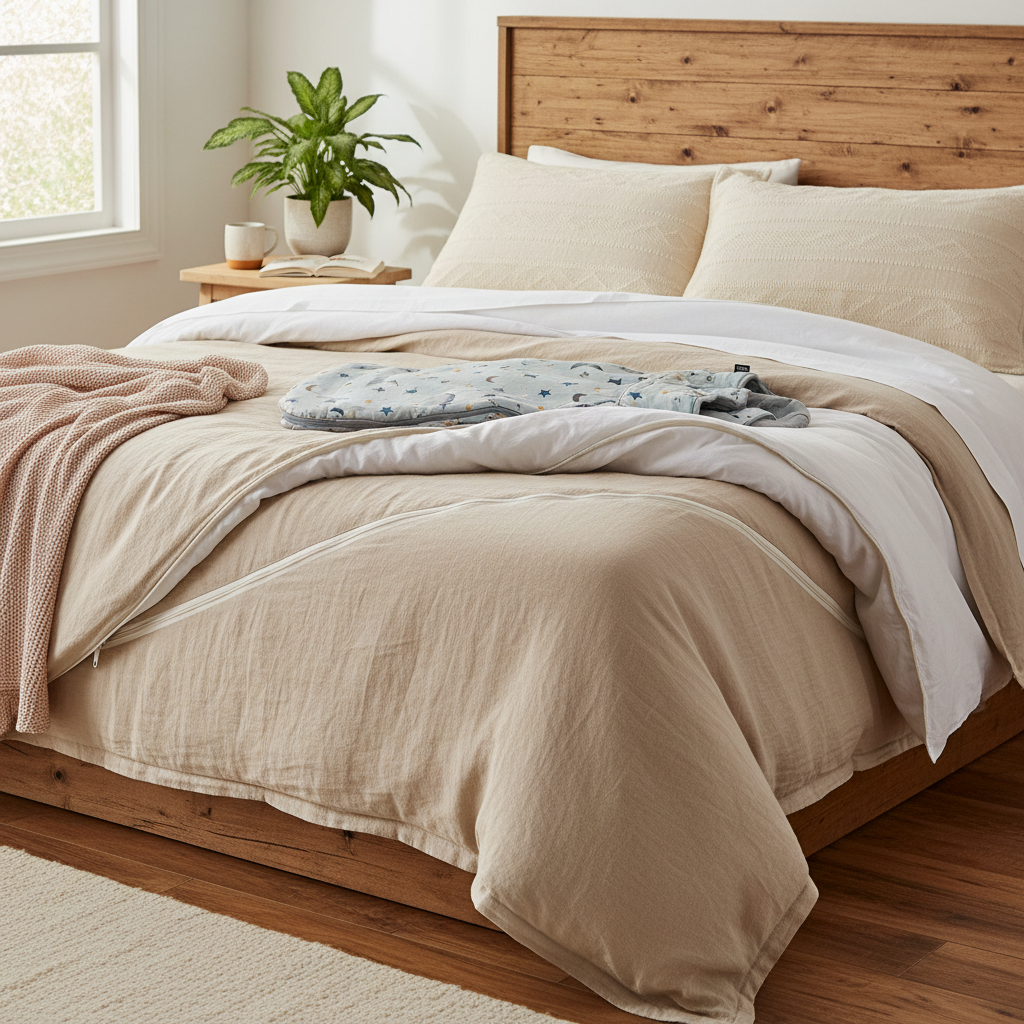
A zipped bed cover offers numerous advantages over traditional bed linens. Firstly, it provides a complete barrier against dust mites, allergens, and bed bugs – crucial for those with allergies or sensitivities. The zip closure ensures a secure seal, preventing these unwelcome guests from infiltrating your mattress. Secondly, it protects your mattress from spills, stains, and general wear and tear, extending its lifespan. Finally, the zipped design makes it easy to remove and wash, contributing to a more hygienic sleep environment. A quality queen size bed cover with zip is a smart investment for long-term comfort and mattress preservation.
Key Highlights: Complete barrier against dust mites, allergens and bed bugs; Protects against spills and stains; Easy to remove and wash for a hygienic sleep environment.
Choosing the Right Material for Your Bed Cover with Zip
The material of your bed cover significantly impacts its breathability, comfort, and durability. Common options include cotton, polyester, and specialized materials like TPU (thermoplastic polyurethane). Cotton is known for its softness and breathability, making it a comfortable choice for warmer climates. Polyester is more durable and water-resistant, offering excellent protection against spills. TPU is a waterproof and breathable material often used in allergen-proof bed covers. Consider your needs and preferences when selecting the material – prioritize breathability if you tend to sleep hot, and water resistance if you're prone to spills. Exploring options at Bed Encasement will showcase the variety of materials available.
Material Considerations:
• Cotton: Soft, breathable, comfortable.
• Polyester: Durable, water-resistant.
• TPU: Waterproof, breathable, allergen-proof.
Bed Cover with Zip for Queen Size: Material Comparison
Choosing between different materials can be challenging. Here's a comparison to help you make an informed decision. The ideal choice depends on your individual priorities, whether it’s comfort, protection, or budget. A queen size zip-up bed cover is a worthwhile addition to any bedroom.
Key Features to Look For in a Queen Size Bed Cover
Beyond the material, several features contribute to the functionality and convenience of a bed cover. Look for a high-quality zipper that is durable and easy to use. The zipper should run the entire length of the cover, allowing for complete removal and easy cleaning. Consider the fabric density – a tighter weave provides better allergen protection. Ensure the cover is properly sized for your queen-size mattress, allowing for a snug and secure fit. The team at Bed Encasement offers helpful guides and detailed product descriptions to assist you in making the right choice.
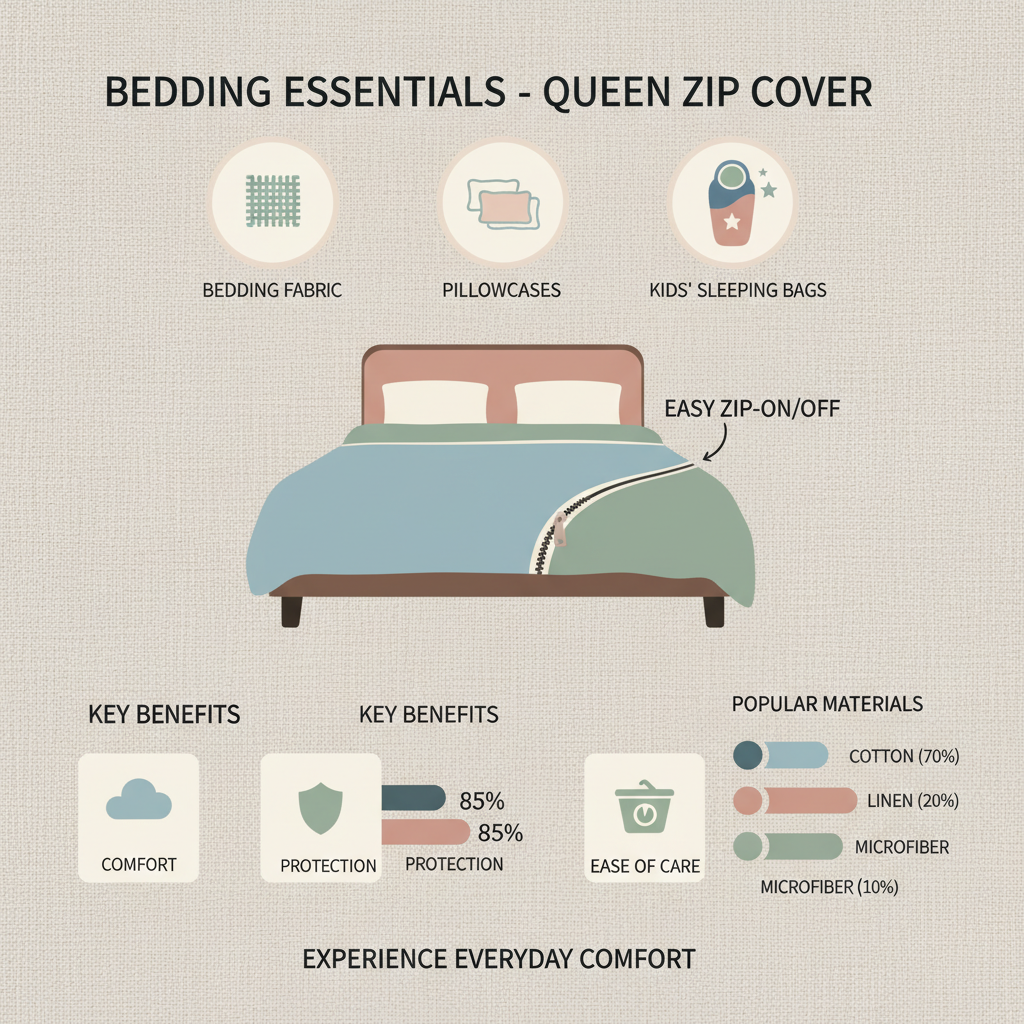
Product Specifications: Bed Cover with Zip - Queen Size
Here's a typical set of specifications for a high-quality queen-size bed cover with zip:
Conclusion: Invest in Your Sleep and Mattress Health
A bed cover with zip for queen size is an essential investment for anyone seeking a cleaner, more comfortable, and protected sleep environment. By choosing the right material and features, you can ensure years of restful nights and extend the life of your mattress. Don't compromise on your sleep quality – prioritize protection and hygiene with a quality bed cover.
Frequently Asked Questions (FAQs)
How often should I wash my bed cover with zip?
It’s recommended to wash your bed cover with zip every 1-2 months, or more frequently if you have allergies or skin sensitivities. Always follow the manufacturer's care instructions, as washing temperatures and drying methods can vary. Regular washing helps remove dust mites, allergens, and any accumulated dirt or debris, maintaining a hygienic sleep environment. Using a mild detergent is recommended to preserve the integrity of the fabric.
What if the zipper breaks on my bed cover?
A broken zipper can compromise the protective benefits of the bed cover. If the zipper breaks, it’s best to replace the cover. Attempting to repair it yourself may not provide a secure seal. Most reputable brands, like those found at Bed Encasement, offer warranties that may cover zipper defects. Always check the warranty information before attempting any repairs.
Will a bed cover with zip make my bed feel hotter?
Whether a bed cover makes your bed hotter depends on the material. Cotton and TPU-backed covers are generally breathable and shouldn't cause significant overheating. However, polyester covers may retain more heat. If you tend to sleep hot, opt for a cover made from breathable materials like cotton or TPU. Look for features like moisture-wicking technology to help regulate temperature.
Are bed covers with zips effective against bed bugs?
Yes, bed covers with zips are a highly effective barrier against bed bugs. When properly sealed, they prevent bed bugs from entering or escaping your mattress, effectively trapping them. This is a crucial component of a comprehensive bed bug control strategy. Look for covers specifically designed and certified for bed bug protection.

Related Products
Our Latest News
Apr 16,2026
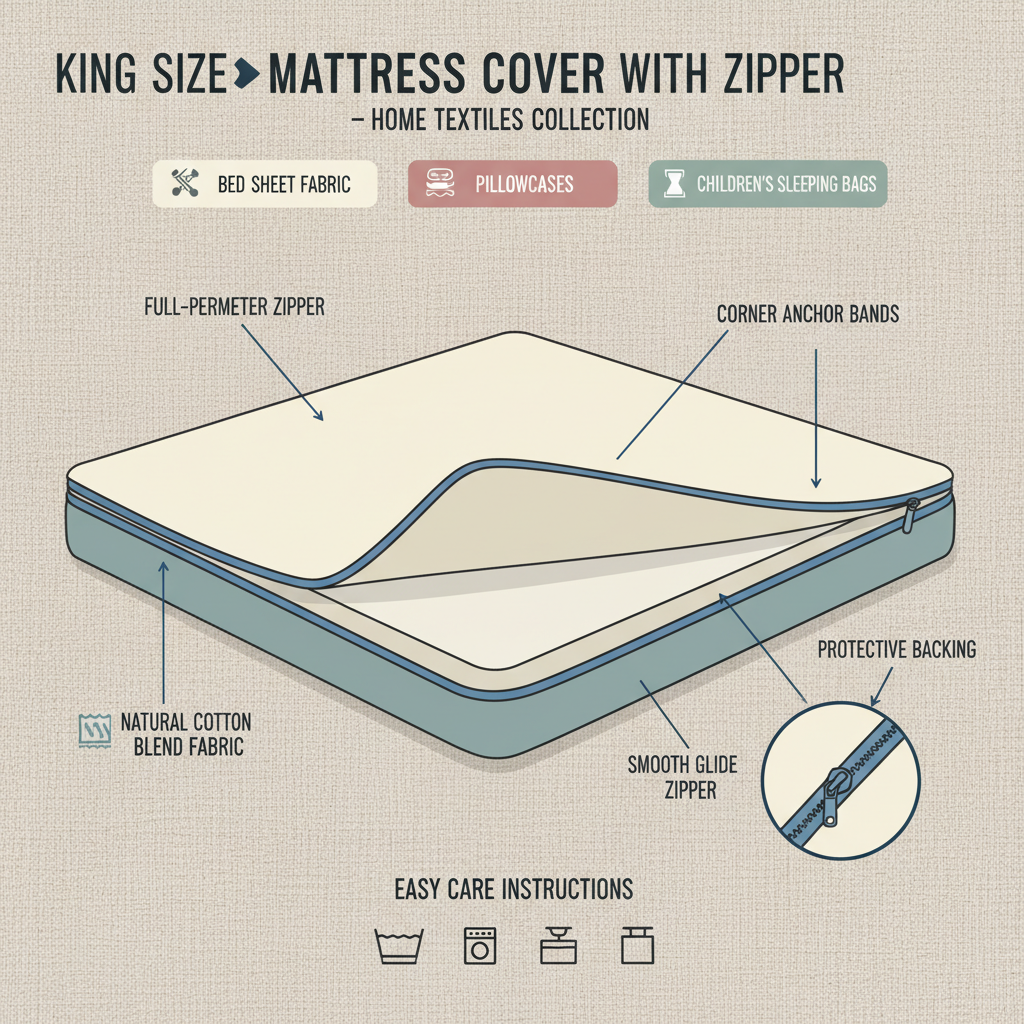
Best King Size Mattress Cover with Zipper for Complete Protection
Investing in a high-quality mattress is only the first step toward a perfect night's sleep. To protect that investment from spills, allergens, and general wear and tear, a king size mattress cover with zipper is an essential accessory. Unlike fitted sheets or simple toppers, a zippered encasement provides 360-degree protection, ensuring that your mattress remains pristine and hygienic for years to come. Whether you are battling dust mites or simply want to keep your bed fresh, choosing the right cover can significantly enhance your sleep quality and longevity of your bedding.
Apr 09,2026
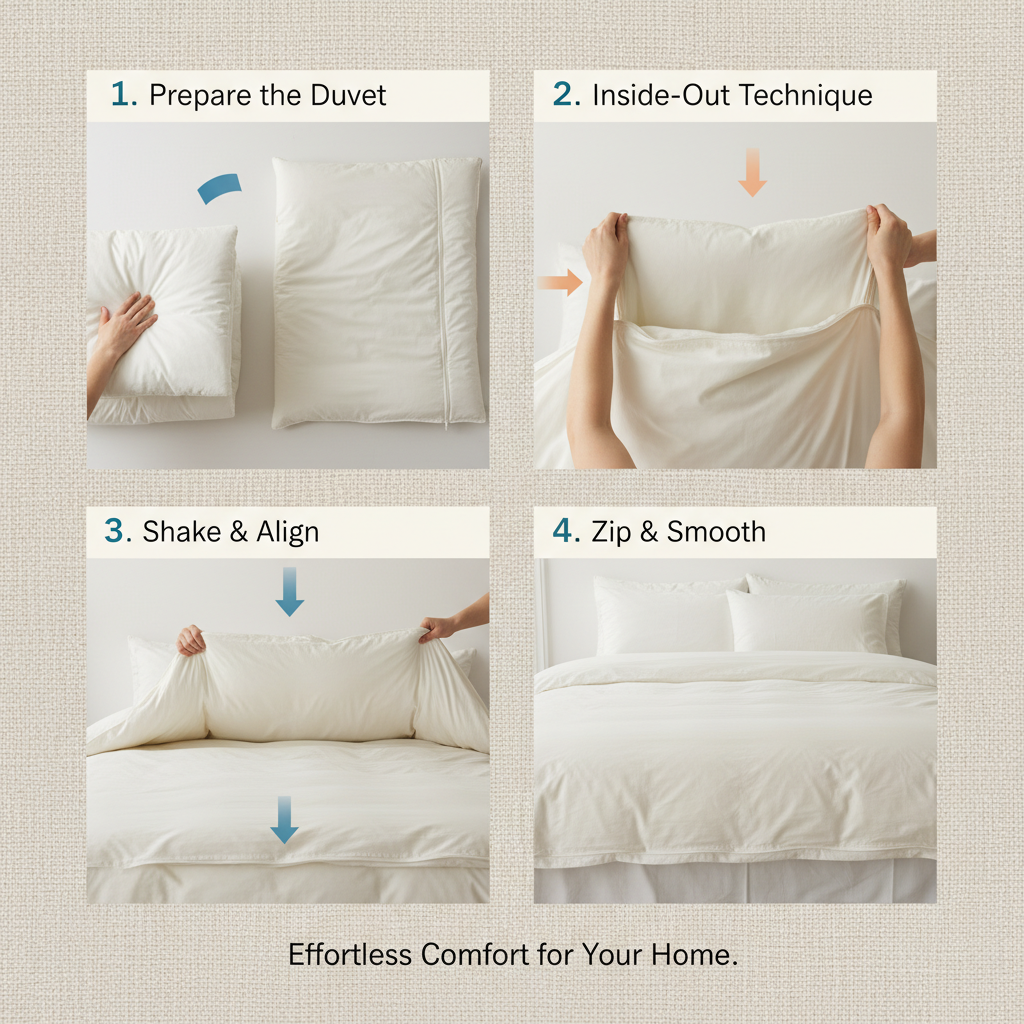
Best Guide for Choosing King Size Bed Cover with Zip Protection
Maintaining a pristine sleeping environment is essential for both hygiene and long-term mattress durability. A high-quality king size bed cover with zip provides a comprehensive shield against dust mites, allergens, and accidental spills. Unlike standard fitted sheets, a zipped encasement fully envelops the mattress, ensuring that nothing penetrates the fabric. Whether you are dealing with allergies or simply want to extend the life of your expensive king-size mattress, choosing the right protective cover is a game-changer for your bedroom health. In this guide, we will explore the technical advantages, materials, and key considerations for selecting the perfect enclosure for your bed.
Apr 07,2026
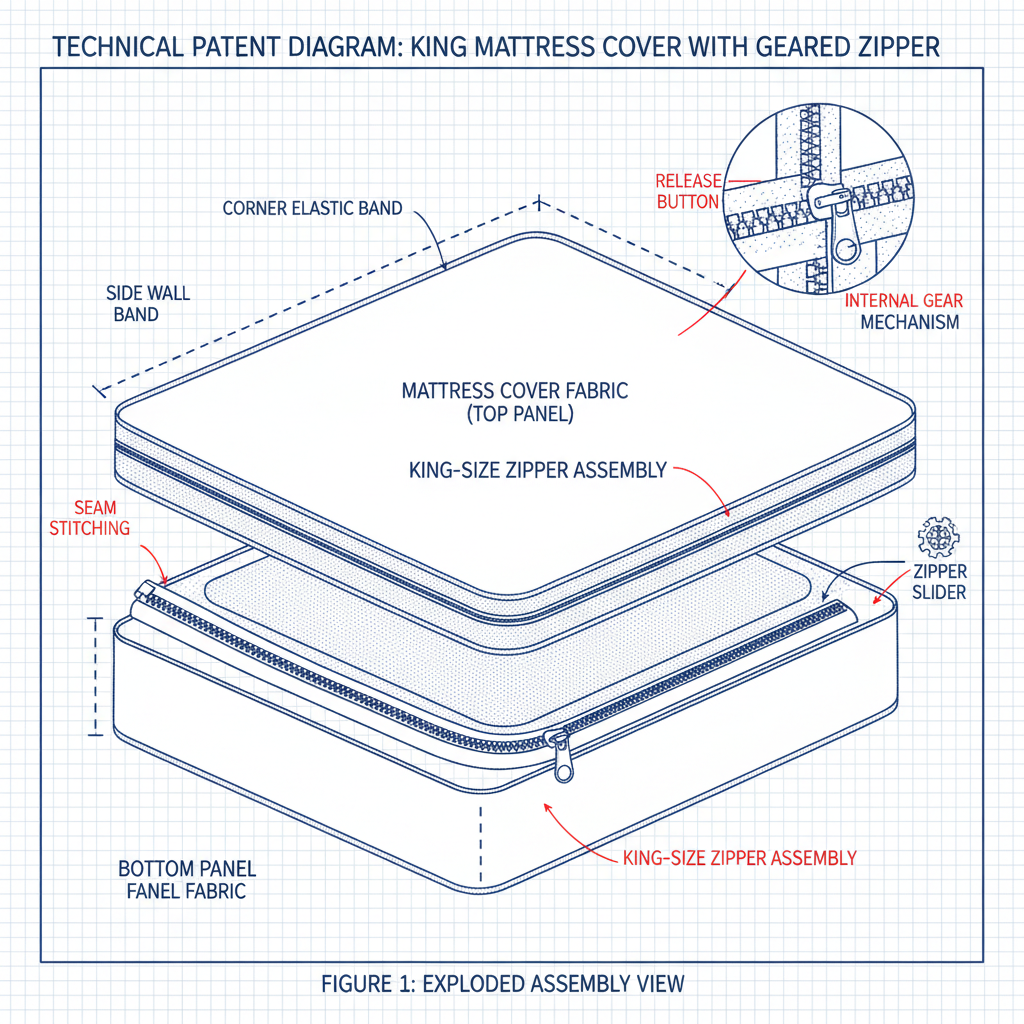
Comprehensive Guide to Choosing the Best King Mattress Cover with Zipper for Optimal Protection
Protecting your mattress is crucial for hygiene, longevity, and comfort. A king mattress cover with zipper offers a comprehensive solution, shielding against dust mites, allergens, spills, and wear and tear. This article delves into the benefits of using a zippered king mattress cover, key features to look for, materials, and how to choose the best one for your needs. Investing in a quality mattress protector is an investment in your health and the lifespan of your mattress.


Address
1010, ZHONGYUAN BUILDING, NO.368 NORTH YOUYI STREET. SHIJIAZHUANG,HEBEI,CHINA.


